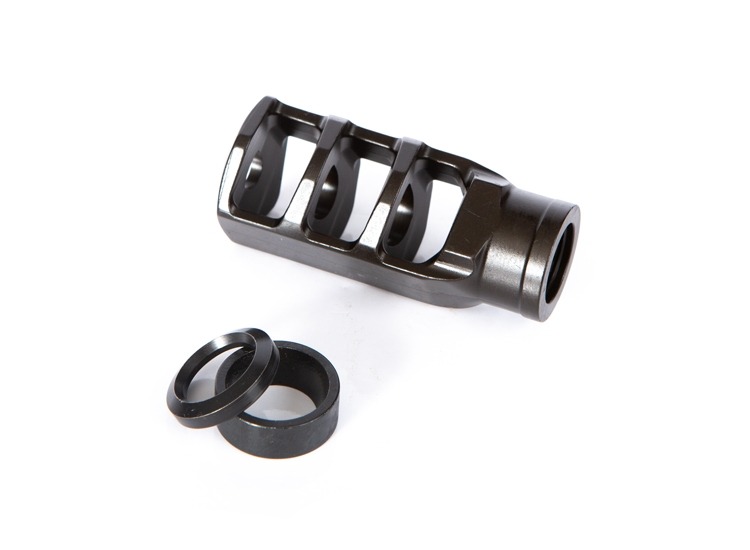
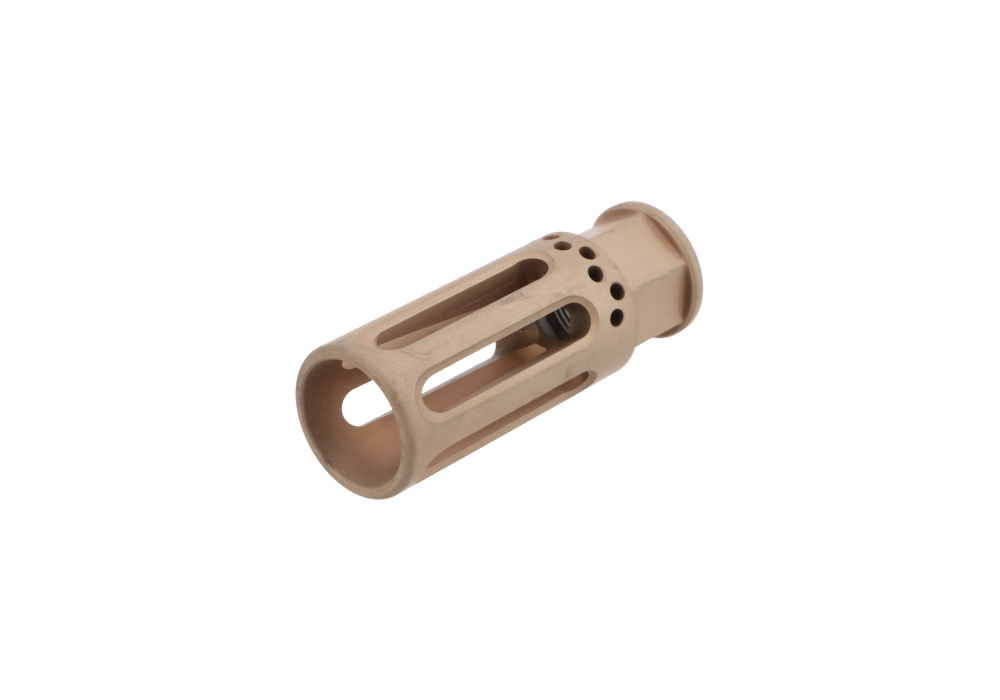
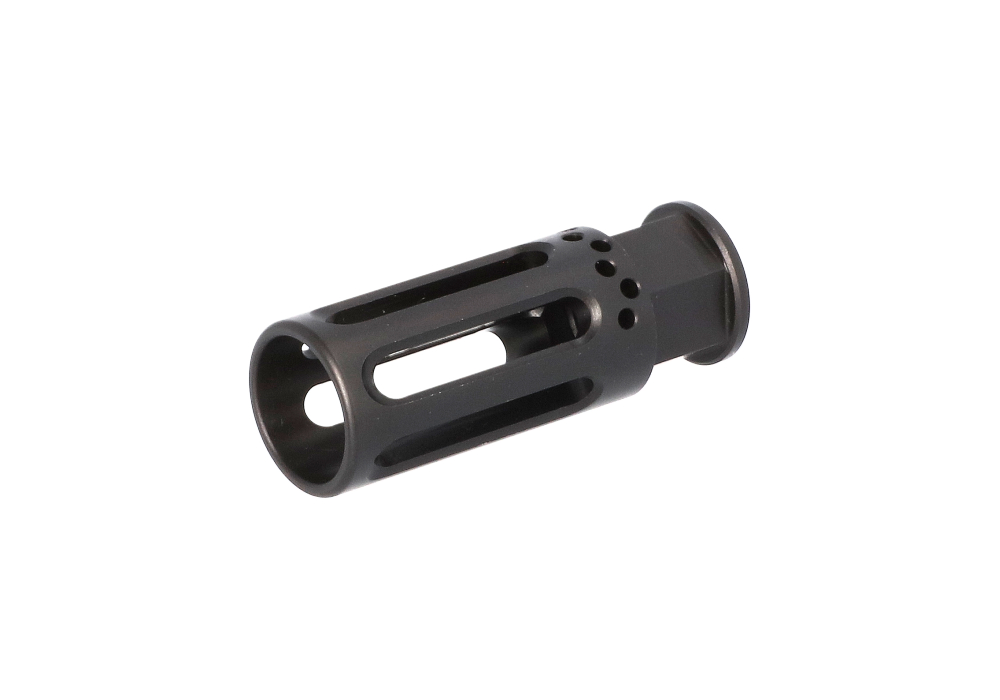
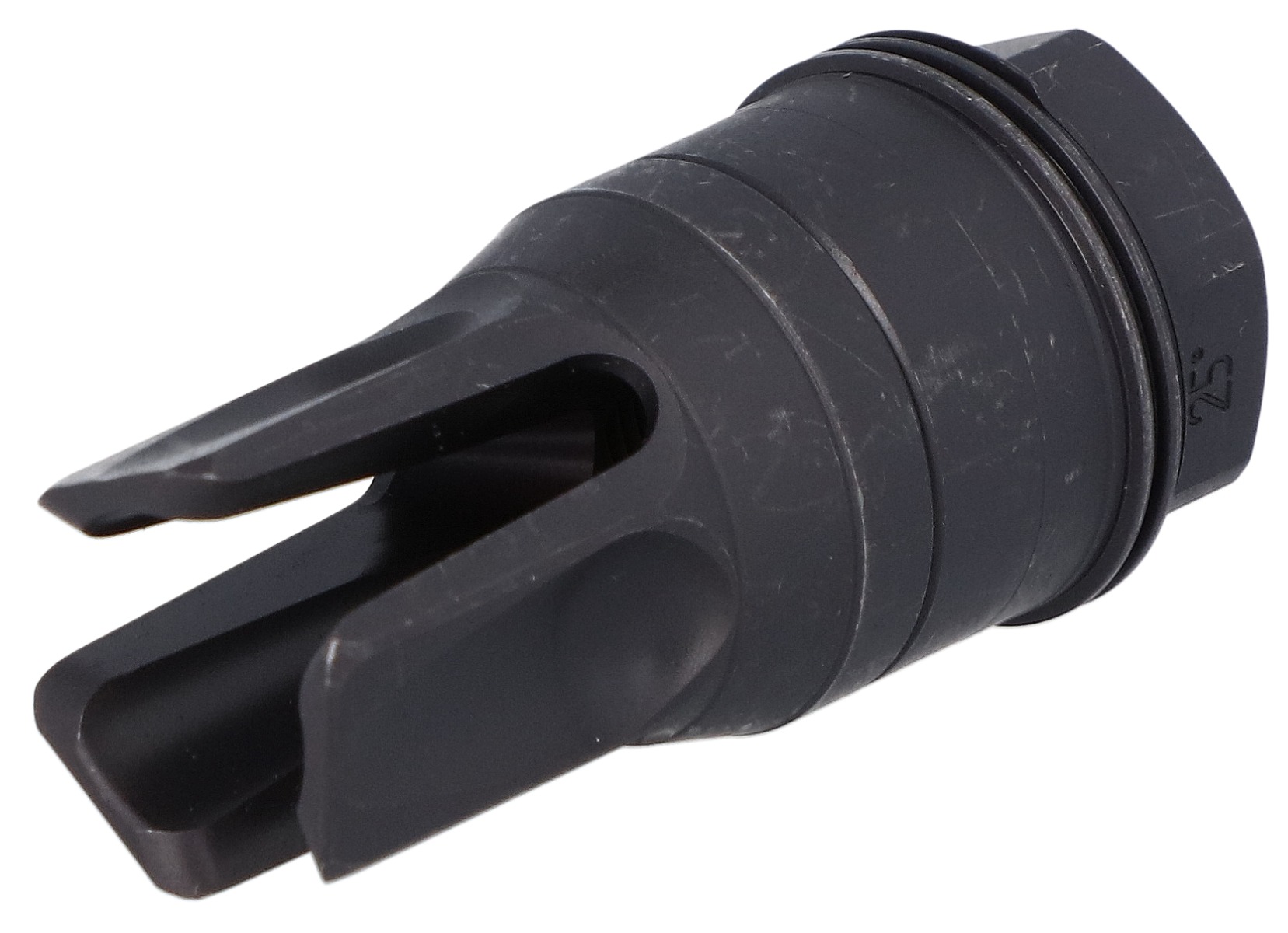
5.56 NATO AR15 muzzle devices are practical upgrades for shooters who want to fine-tune the way an AR15 handles, sounds, and performs on the range. Installed at the muzzle, these components influence how expanding propellant gases leave the barrel, helping manage flash, recoil, muzzle movement, or suppressor attachment depending on the design. A flash hider uses prongs, ports, or an enclosed body to disrupt and cool escaping gases, reducing the bright burst that can be distracting in low-light conditions. A muzzle brake redirects gases to the sides or rear to reduce felt recoil, while a compensator uses carefully positioned upward ports to counter muzzle rise and help the rifle return to target during fast, controlled strings of fire. Hybrid designs combine some of these functions, offering a balanced choice for shooters who want a practical blend of flash reduction, recoil control, and compensation. Suppressor mounts and adapters add another layer of utility by providing a compatible interface for an approved sound suppressor. When comparing options in this category, start with the intended role of the rifle. A recreational range rifle may benefit from a compact compensator or general-purpose flash hider, while a competition-oriented setup may prioritize rapid sight recovery and consistent muzzle movement. Shooters who spend time on covered firing lines or train alongside others may prefer a design that limits side blast and concussion. Those who shoot in dim conditions may place greater importance on flash suppression. The right muzzle device does not make the rifle fit every situation, but it can make the rifle feel more predictable in the hands, especially during longer practice sessions when small differences in movement and blast become increasingly noticeable.
Compatibility should be confirmed before placing an order. Most 5.56 NATO AR15 barrels use a 1/2x28 muzzle thread, but thread pattern alone is not the only detail that matters. Check the barrel’s thread pitch, diameter, shoulder dimensions, and overall length, then compare those measurements with the manufacturer’s specifications for the muzzle device. A properly machined shoulder provides the seating surface needed for secure installation and reliable alignment. This is especially important when the device will serve as a suppressor mount, since even a small alignment issue can damage equipment and create an unsafe condition. A crush washer, shim set, or other timing method may be needed to orient a brake, compensator, or hybrid device correctly. Timing determines how ports face the intended direction, and it can affect both performance and the amount of blast directed toward nearby shooters. Installation should be completed with the appropriate tools and torque specifications, and suppressor-related setups should be checked by a qualified professional when there is any uncertainty about alignment or compatibility. Barrel length is another important consideration. On a rifle with a 16-inch barrel, the muzzle device is generally selected for its performance characteristics and overall profile. A 14.5-inch barrel may require additional attention if the completed firearm must meet a particular minimum overall barrel length under applicable law; some extended devices are designed for permanent attachment through a pin-and-weld process, but that work should be performed by a qualified gunsmith after all measurements have been verified. Local, state, and federal requirements can vary, and owners are responsible for understanding the rules that apply to their firearm configuration. Suppressors are also regulated items in many jurisdictions, so confirm the relevant approval and transfer requirements before selecting a mount or adapter. For a broader look at compatible components and related options, explore 5.56 Muzzle Accessories.
The best choice often comes down to balancing performance with the environment in which the rifle will be used. An aggressively ported brake can make a lightweight rifle feel remarkably flat, but the same redirected gases may produce sharp side blast for people standing on adjacent firing points. A flash hider may be a better fit for a general-purpose rifle used in changing light, while a compensator can suit a shooter who values a stable sight picture during rapid, deliberate fire. Compact designs preserve maneuverability around benches, cases, and storage spaces, whereas extended devices may be useful when a specific length or mounting arrangement is required. Material, finish, port layout, wrench flats, installation method, and compatibility with a suppressor or protective cover are all worth reviewing alongside price. Muzzle devices can also be a thoughtful gift for an experienced AR15 owner, particularly when the recipient already has a preferred rifle and enjoys refining its setup. A gift buyer should avoid guessing at thread pitch or suppressor compatibility; a retailer gift card, a conversation about the intended barrel, or a gift receipt can prevent an otherwise well-chosen accessory from being unusable. For anyone new to this category, keeping the original device available is sensible until the replacement has been installed, checked, and tested. After installation, inspect the device for secure fit, confirm that the bore is unobstructed, and begin testing with appropriate eye and ear protection on a safe, supervised range. Pay attention to recoil impulse, muzzle movement, visible flash, blast, and how comfortably the rifle handles over a full session rather than judging it from a single shot. During the cooler months, when range visits may involve changing light and heavier clothing, a well-matched muzzle device can contribute to a more comfortable, controlled experience without adding unnecessary bulk. With the correct thread pattern, careful installation, and a clear understanding of the rifle’s purpose, 5.56 NATO AR15 muzzle devices offer a straightforward way to personalize handling and make every practice session more consistent.