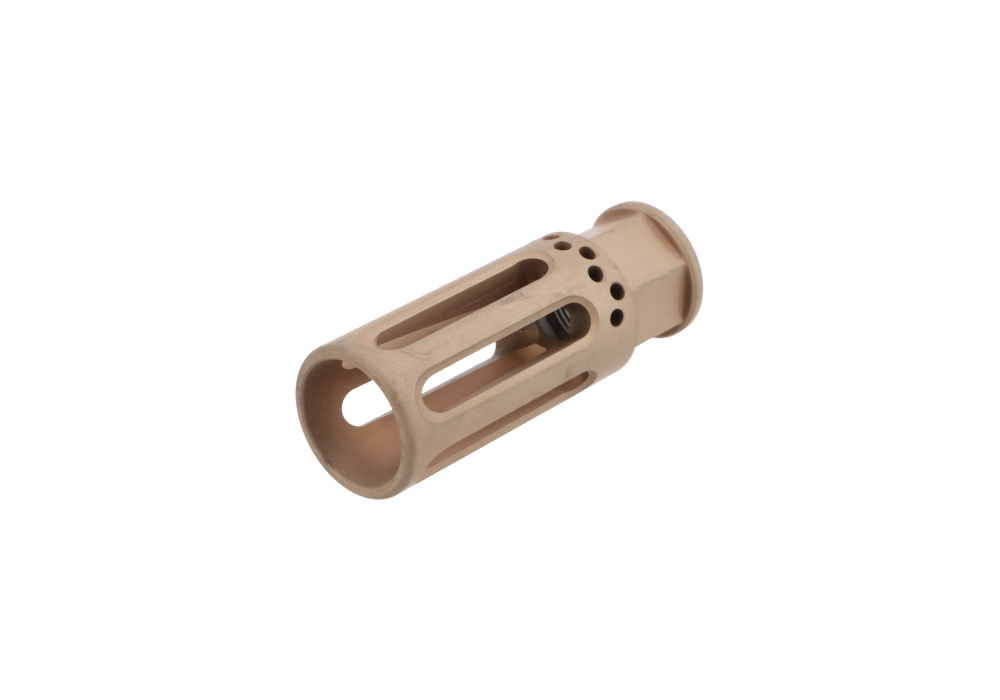
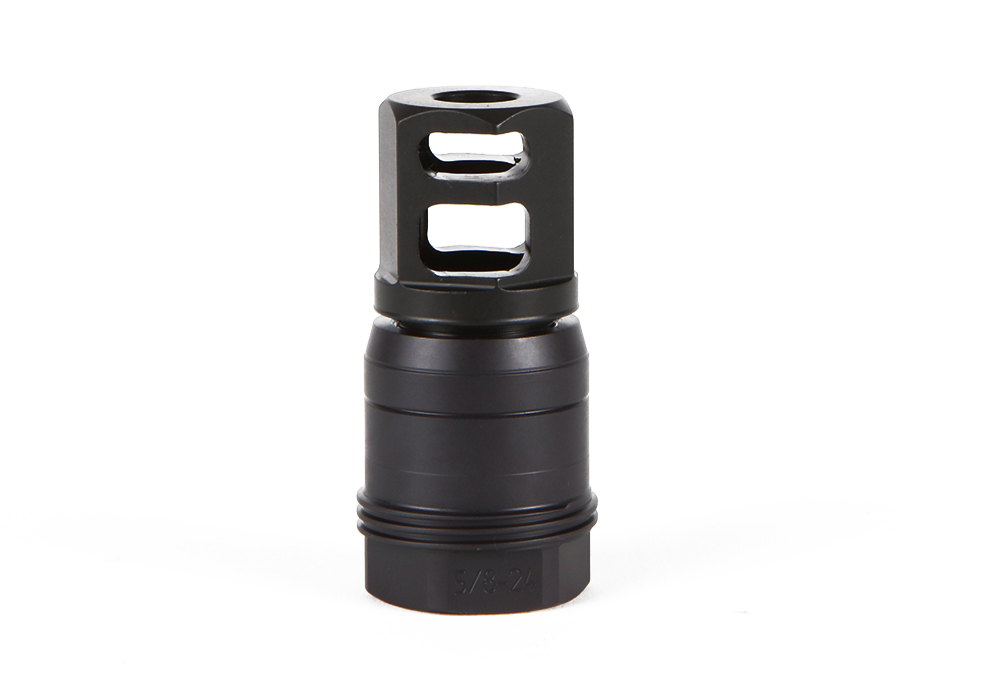
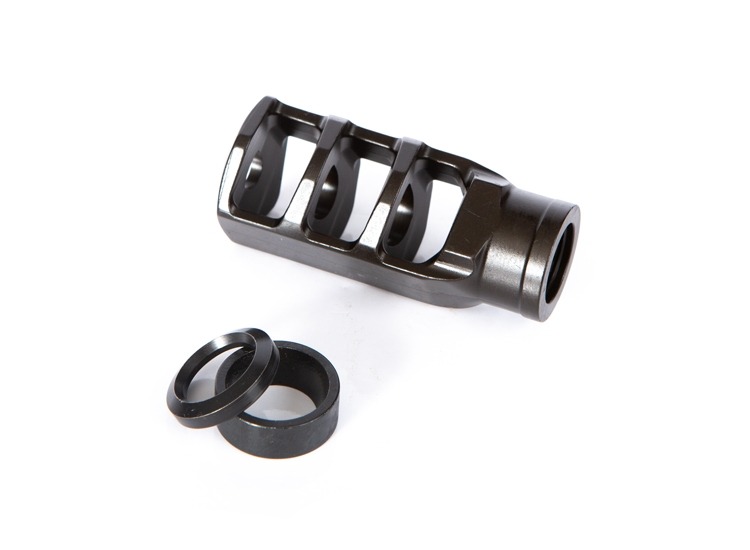
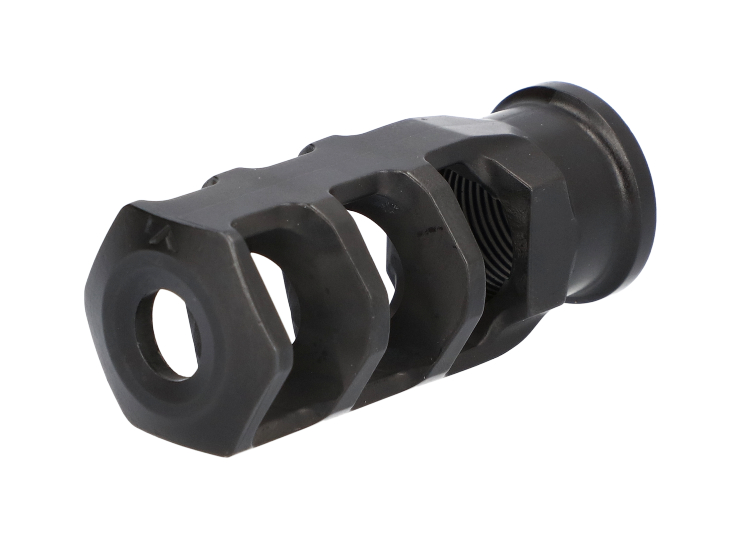
AR muzzle devices attach to the threaded end of a rifle barrel and help manage the gases produced when a round is fired. Depending on the design, a muzzle device can reduce felt recoil, limit muzzle rise, disperse flash, or provide an attachment point for a compatible sound suppressor. The right choice depends on the rifle’s intended use, barrel length, ammunition, shooting environment, and the shooter’s priorities. A muzzle brake uses carefully placed ports to redirect propellant gases, often sending some of that energy rearward or to the sides to reduce recoil and help the rifle return to its point of aim more quickly. This can be especially useful for competition, extended range sessions, or cartridges that generate noticeable recoil. The tradeoff is increased side blast, noise, and concussion for people nearby, along with the possibility of blowing dust or loose debris off the ground when shooting from a low or prone position. A compensator vents gas primarily upward to counter muzzle climb, helping the shooter keep the sights or optic on target during rapid strings of fire. Compensators are commonly selected for dynamic shooting and training where quick follow-up shots matter. A flash hider, sometimes called a flash suppressor, is designed to cool and disperse burning gases as they exit the barrel, reducing the visible flash that can interfere with night vision or draw attention in low-light conditions. Flash hiders generally provide less recoil reduction than brakes and may be a better fit when preserving low-light visibility and maintaining a more moderate firing signature are important. Hybrid or combination devices blend features from brakes, compensators, and flash hiders, offering a balanced option for shooters who want improved control without emphasizing only one performance characteristic. Reviewing the available AR15 Muzzle Devices for Improved Control can help organize these options around the way a rifle is actually used.
Compatibility should be considered before appearance or port configuration. Confirm the muzzle device’s caliber rating, thread pitch, bore clearance, and overall dimensions against the rifle and ammunition. The device must be intended for the projectile diameter being fired, with sufficient internal clearance and no obstruction to the bullet’s path. Thread pitch is equally important; a device that does not match the barrel threads cannot be installed safely, and forcing mismatched threads can damage the barrel or device. Shooters should also consider whether the rifle will be used with a sound suppressor. Some muzzle brakes and flash hiders are designed as quick-detach mounting interfaces, allowing a compatible suppressor to be installed or removed without completely unthreading the mount from the barrel. Suppressor mounting systems are not universal, so the device, suppressor, thread pattern, and mounting method must be verified as a complete system. A muzzle device may also affect overall rifle length, handguard clearance, blast direction, and the position of a direct-thread or quick-detach suppressor. Installation commonly requires proper alignment, a suitable washer or shim system when specified, and the correct torque. The device should be timed only when its design calls for a particular orientation, such as an upward-facing compensator port or a properly aligned flash-hider opening. Improper installation can lead to misalignment, damage, or unsafe operation, so a qualified gunsmith is the appropriate choice when tools, specifications, or experience are limited. On rifles with shorter barrels, an extended muzzle device that is permanently attached by an approved method may be used to achieve the applicable minimum rifle barrel length, but pin-and-weld work involves legal and technical requirements that should be confirmed before installation. Federal, state, and local rules can differ, and regulations may change, making it important to verify the requirements that apply to the specific rifle and location.
AR muzzle devices serve a wide range of shooters, from someone setting up a first rifle for structured range practice to an experienced competitor refining split times and recoil control. A brake can make a hard-kicking rifle feel more manageable during a long practice session, while a compensator can help keep an optic steady as the shooter works through controlled pairs or rapid drills. A flash hider may suit a general-purpose rifle that could be used in low-light training, wooded terrain, or during the cooler months when outdoor practice often takes place at dawn or dusk. A hybrid device can be a practical choice for a rifle that moves between the bench, field, and training bay, where no single performance characteristic is the only concern. These accessories can also make thoughtful gifts for a shooter who is building a rifle, replacing a worn or damaged device, or preparing a barrel for suppressor use, provided the recipient’s thread pitch, caliber, and mounting requirements are known. Fit and function matter more than selecting an unfamiliar design based solely on appearance. Before choosing, consider whether nearby shooters will be affected by side blast, whether dust and vegetation may be disturbed, how much recoil or muzzle rise the rifle produces, and whether flash reduction or suppressor compatibility is part of the intended setup. With those details in mind, an AR muzzle device can be selected as a purposeful component that complements the rifle, the ammunition, and the environment in which it will be used.