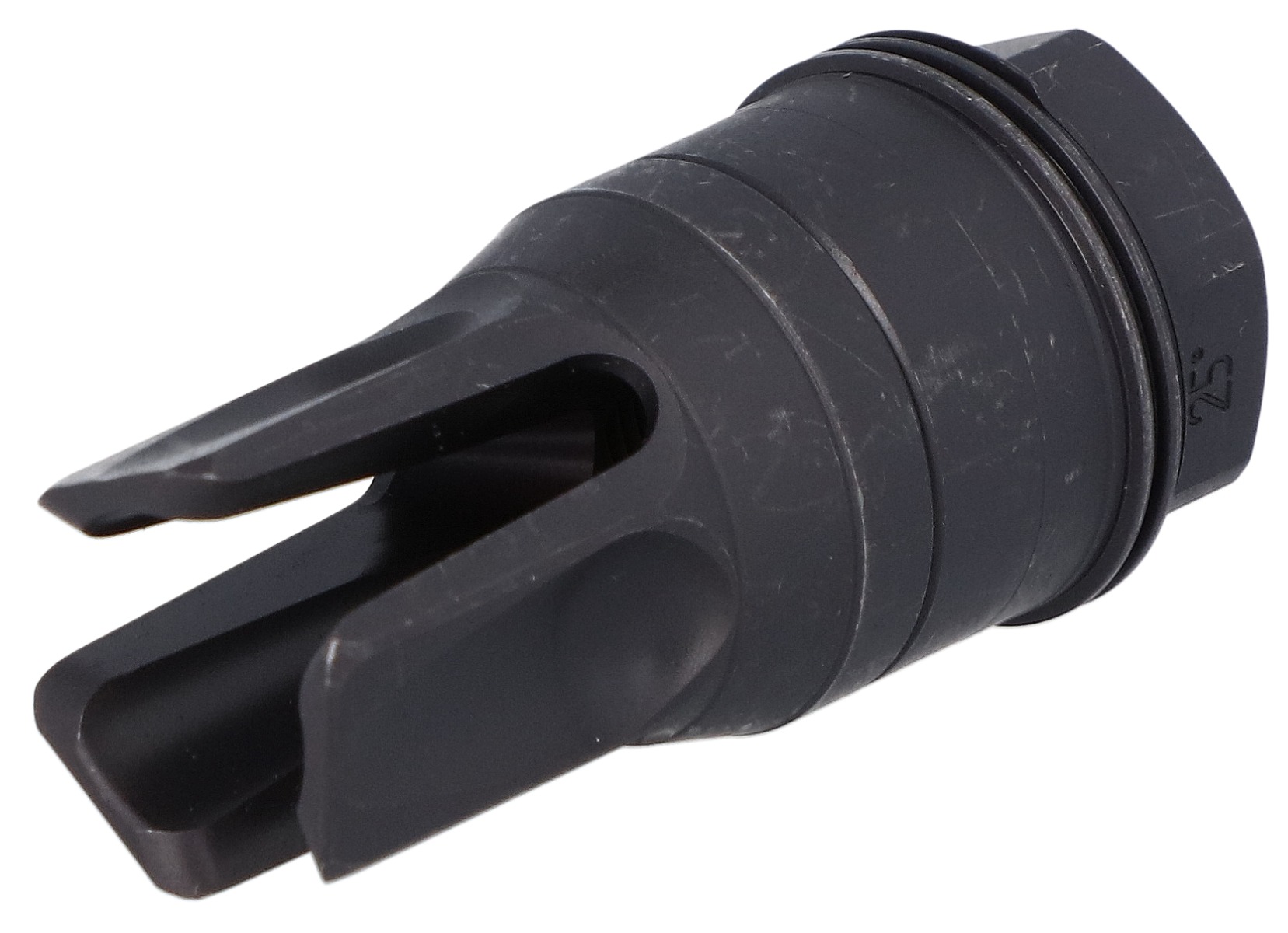
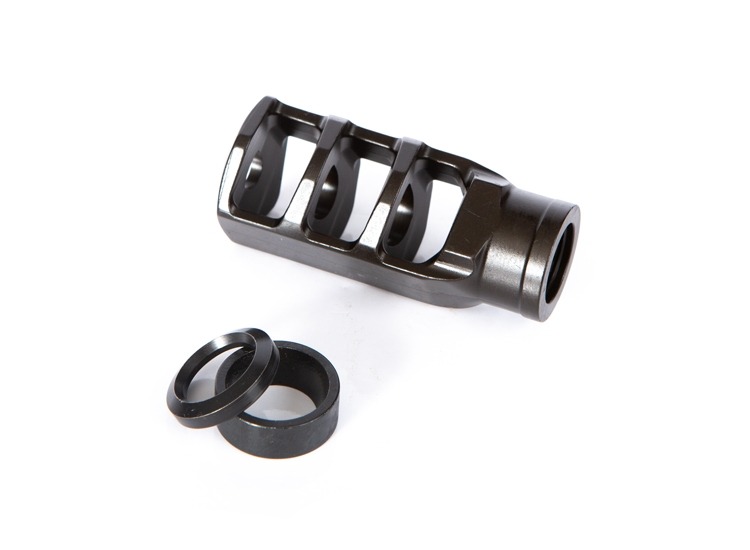
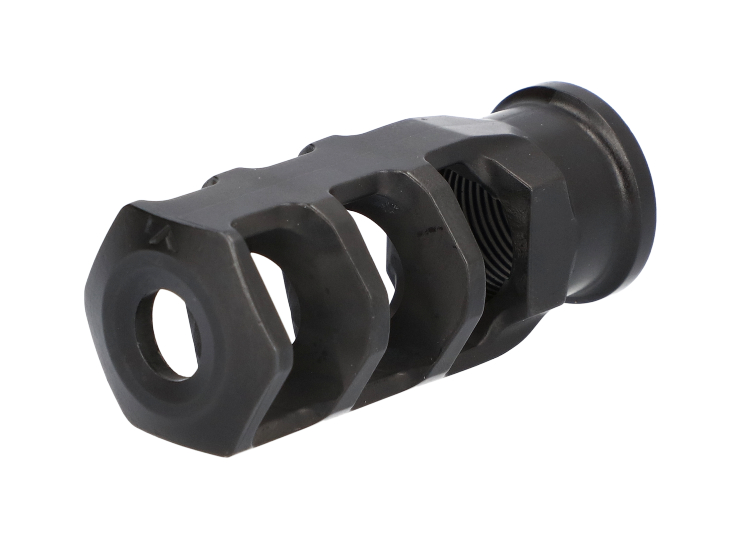
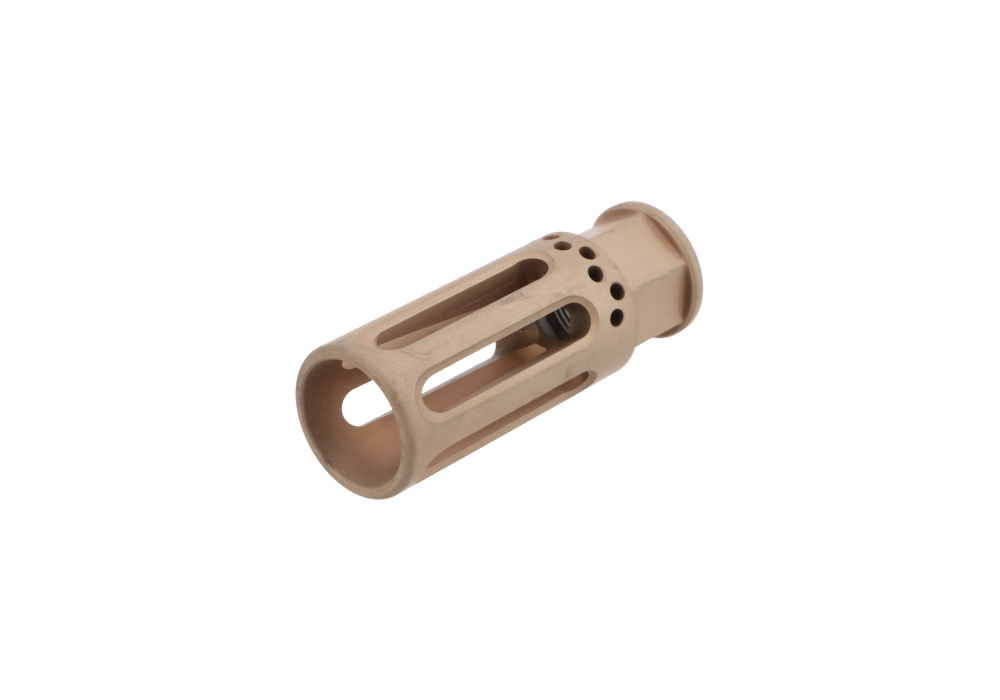
Choosing among the best muzzle devices for rifles starts with identifying the result you want from the rifle, since no single design performs every job in exactly the same way. Muzzle brakes redirect propellant gases to reduce felt recoil and help the shooter return to the target quickly, making them a popular choice for precision rifles, larger calibers, and range use where shot-to-shot control matters. The tradeoff is increased side blast and perceived noise, especially for people standing beside the rifle. Flash hiders take a different approach by dispersing burning gases at the muzzle, helping reduce the visible flash that can interfere with low-light vision. They are often selected for defensive carbines, hunting rifles, and general-purpose setups where a balanced profile and practical performance are more important than maximum recoil reduction. Compensators direct some gas upward to limit muzzle rise, which can help maintain a steady sight picture during rapid strings of fire. Hybrid devices combine aspects of these designs, offering a useful middle ground for shooters who want improved control without choosing a device built around only one objective. The best muzzle device for your rifle depends on its chambering, barrel length, intended use, and the conditions in which it will be fired. A compact rifle used for close-range practice may benefit from a different configuration than a precision rifle carried through rugged terrain or used from a supported position. Reviewing the recommended options on this page can help narrow the selection by intended function, while the AR15 Muzzle Devices for Improved Control collection provides additional context for AR-platform owners focused on steadier handling.
Compatibility deserves careful attention before adding any muzzle device to a rifle. Confirm the thread pitch and diameter match the barrel, and make sure the device is rated for the rifle’s caliber and the ammunition being used. A device intended for one bore size should never be treated as a universal option for another, even when the external dimensions appear similar. Barrel length, gas system configuration, handguard clearance, and the presence of a muzzle shoulder can also affect fit and function. If a suppressor is part of the plan, choose a compatible mounting system from the beginning rather than treating the muzzle device as an isolated upgrade. Quick-attach systems can make it easier to move a suppressor between compatible rifles, while direct-thread configurations may offer a simple, streamlined setup for a dedicated host. In either case, the mounting interface must be properly matched, concentric, and securely installed. Timing is especially important for brakes, compensators, and other directional devices; incorrect alignment can affect performance and create a serious safety concern. Many shooters rely on a qualified gunsmith for installation, inspection, and final alignment, particularly when shims, crush washers, or specialized mounting hardware are involved. It is also wise to check the suppressor manufacturer’s requirements, applicable laws, and range rules before making a purchase. Muzzle devices can alter the rifle’s sound, blast, balance, and point of impact, so allow time to confirm zero after installation and observe how the rifle behaves with the ammunition you intend to use. Proper eye and ear protection remain essential, and a brake that feels comfortable from behind the rifle may be noticeably louder or more disruptive to companions nearby.
A well-chosen muzzle device can make a rifle feel more settled in the hands, whether the goal is keeping a reticle on target, reducing movement during a long range session, limiting visible flash, or preparing a rifle for suppressor use. Hunters may appreciate a compact design that preserves maneuverability when moving through timber or setting up in a blind. Competitive shooters often prioritize fast recovery between shots and a stable sight picture during timed stages. Recreational shooters may prefer a straightforward, durable option that improves control without adding unnecessary complexity. A new muzzle device can also be a thoughtful gift for an experienced rifle owner, especially when the recipient’s caliber, barrel threading, and intended application are known; a gift card or accessory chosen with those details in mind is safer than guessing at compatibility. During the cooler months, when range sessions may take place in changing light and heavier clothing, small improvements in balance and recoil management can make a noticeable difference in comfort and consistency. Still, performance should be judged as part of the complete rifle rather than by appearance alone. Consider the device’s length, weight, finish, maintenance needs, gas direction, and effect on nearby shooters, along with whether it supports future upgrades such as a suppressor. A properly matched device should complement the rifle’s purpose, fit securely, and deliver predictable results with responsible handling. Browse the products listed here to compare muzzle brakes, flash hiders, compensators, hybrid designs, and suppressor-mounting options, then verify all specifications before purchase and installation.