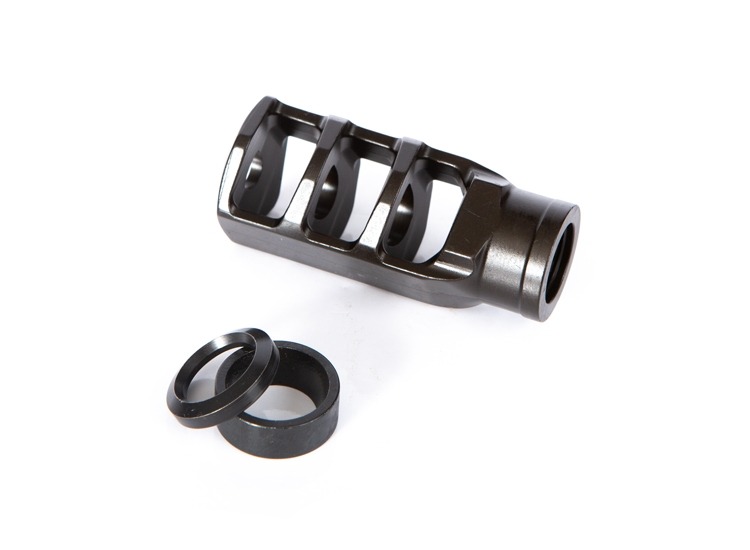
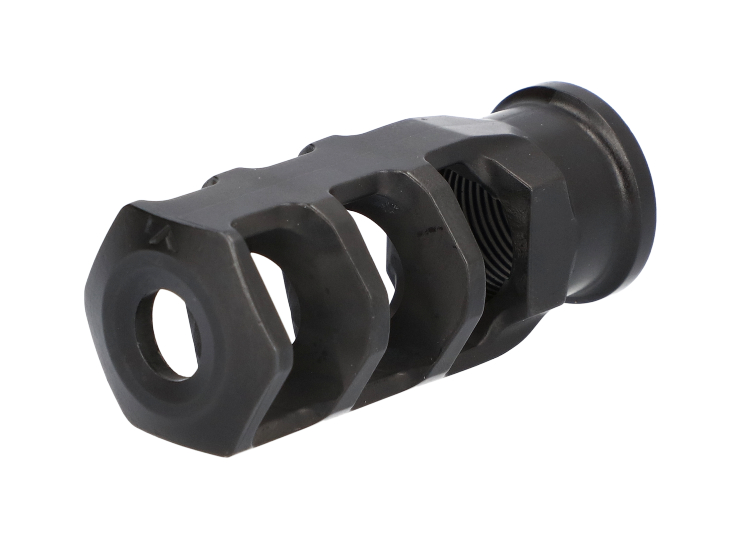
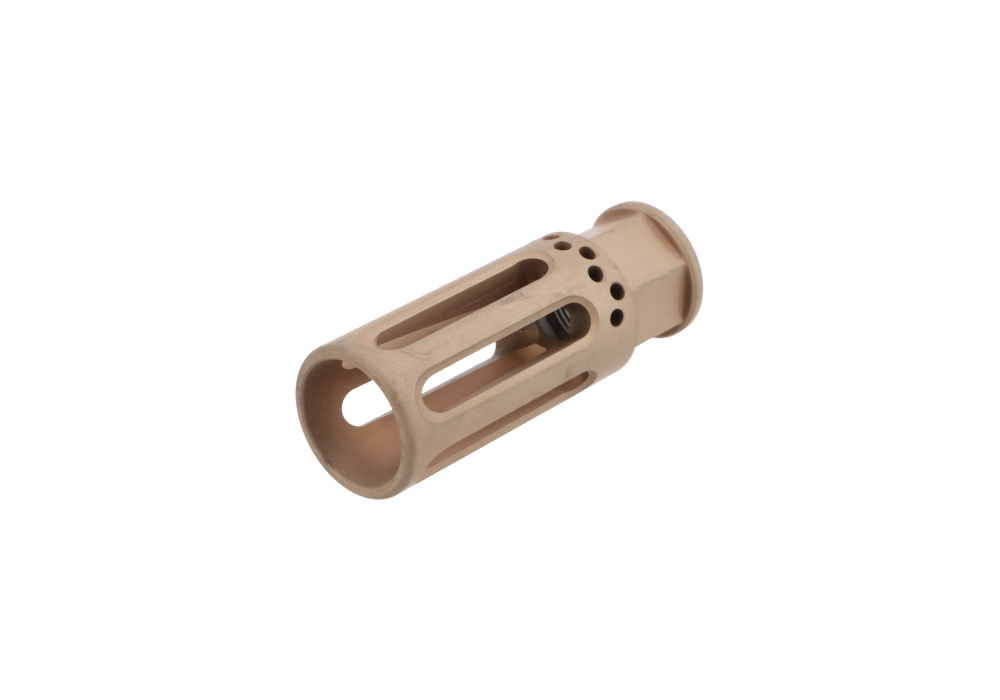
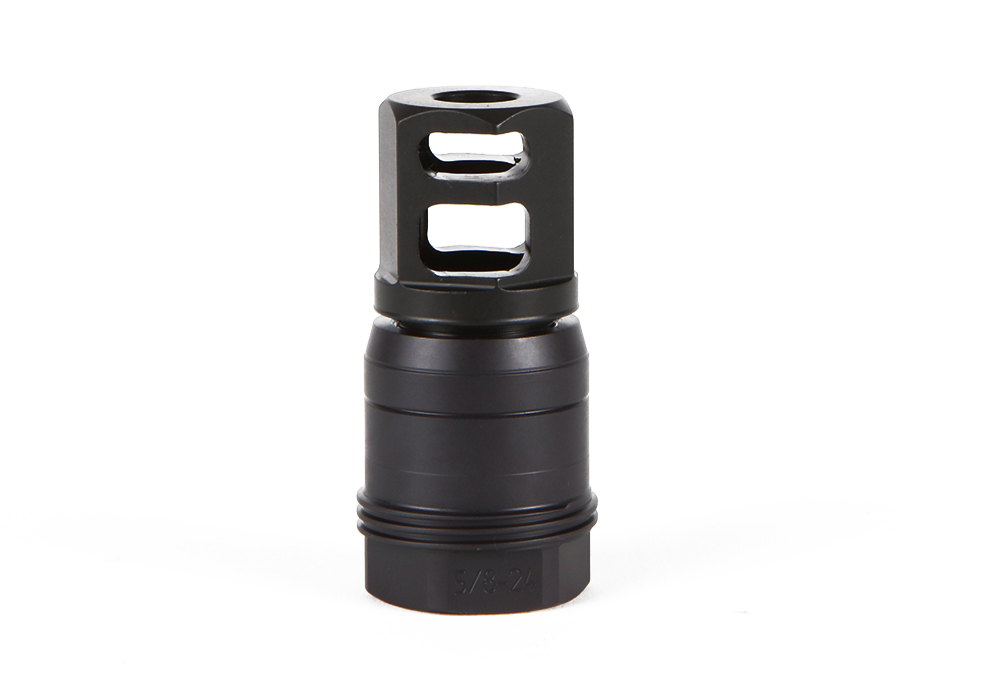
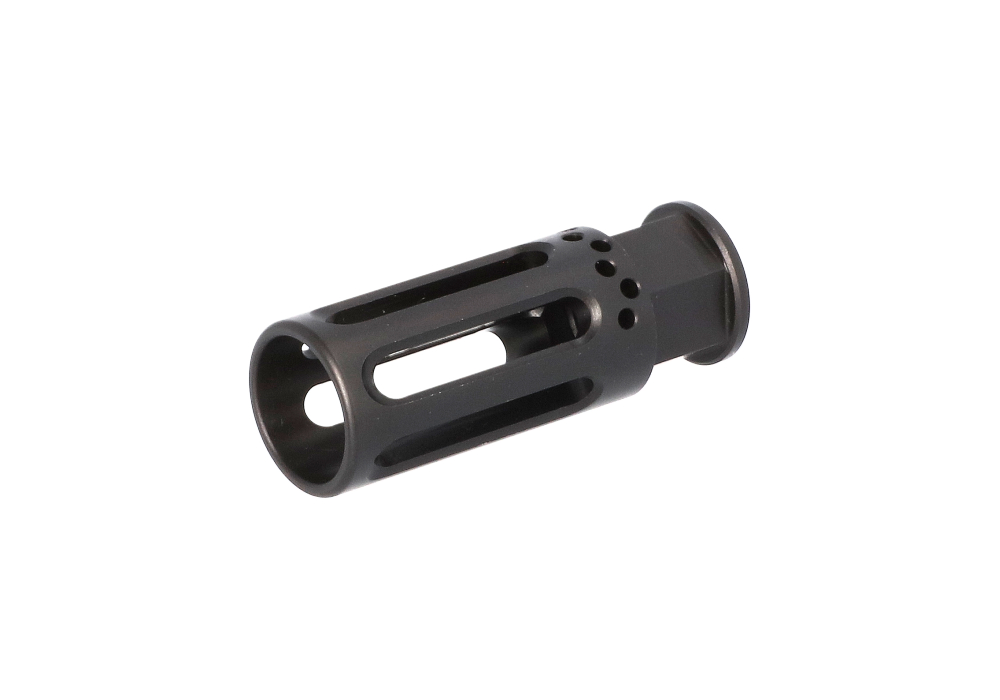
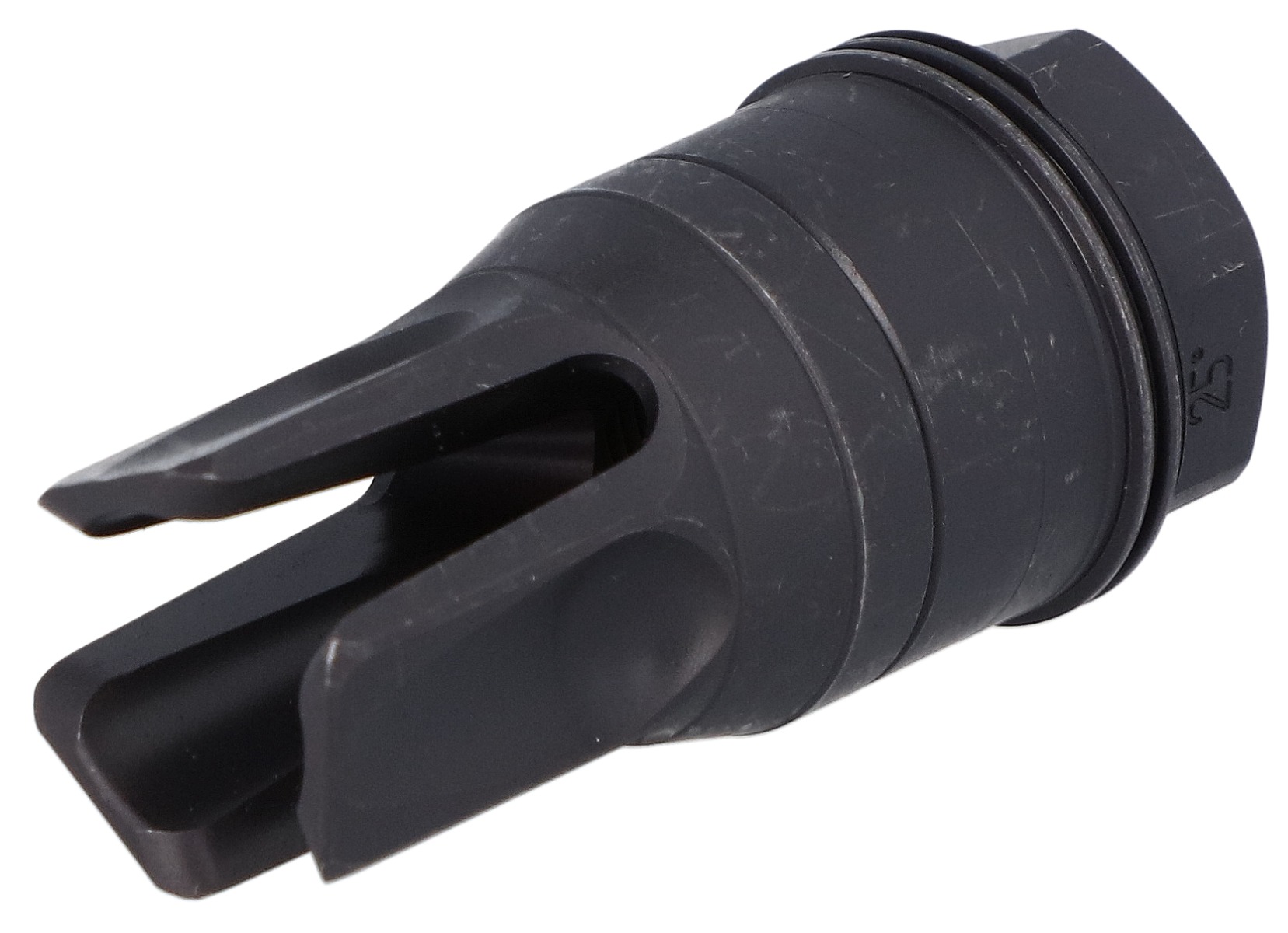
AR-15 muzzle devices are a practical way to refine the shooting experience by managing the gases released when a round is fired. A muzzle brake redirects expanding gas to the sides and, on some designs, slightly rearward, helping counteract rearward recoil and making the rifle feel more settled between shots. A compensator vents gas upward to help offset muzzle rise, keeping the barrel flatter during controlled strings of fire and making it easier to maintain a clear sight picture. Hybrid designs balance these functions, offering a combination of recoil reduction, muzzle-rise control, and in some cases flash management or compatibility with a suppressor mounting system. The right choice depends on the rifle’s chambering, barrel thread pattern, intended use, and the shooter’s priorities. A lightweight carbine used for casual range sessions may benefit from a compact device that preserves the rifle’s balance, while a competition-oriented setup may place greater emphasis on fast follow-up shots and a flat, predictable recoil impulse. Shooters who spend time training from supported or unsupported positions may also appreciate the way a well-matched device can reduce movement at the muzzle without changing the basic handling characteristics of the rifle. During the cooler months, when range days often include layered clothing, gloves, and changing outdoor conditions, a muzzle device that helps maintain a consistent hold can make the rifle feel more natural from the first magazine to the last. Like any component installed at the muzzle, these products should be selected with careful attention to fit and used in accordance with all applicable laws, range rules, and safe firearm-handling practices.
When comparing AR15 muzzle devices for improved control, begin with compatibility rather than appearance. Confirm the cartridge or caliber designation, barrel thread specifications, diameter clearance, and the manufacturer’s installation requirements before making a purchase. Thread pitch must match the barrel, and the device must provide appropriate clearance for the projectile and any required mounting hardware. Some designs use timing ports or directional vents that must be aligned correctly, while others may require a crush washer, shims, or a specific mounting method. Proper installation matters because an incorrectly fitted muzzle device can affect accuracy, create alignment concerns, or interfere with a suppressor. Anyone planning to add a suppressor later should consider whether the muzzle device can serve as a compatible mounting interface, while also checking that the intended suppressor, barrel, and mounting system are designed to work together. A device with large side ports can be highly effective at reducing felt recoil, but it may also produce more visible blast, noise, and side concussion for the shooter and people nearby. That consideration is especially important on covered firing lines or when training with companions positioned close to the rifle. Compensators with predominantly upward-facing ports may provide useful muzzle-rise control while presenting a different blast pattern, and hybrid devices can be a sensible middle ground for shooters who want balanced performance instead of a single specialized trait. Inspect the finish, construction, port layout, weight, and overall dimensions, then consider how those details fit the rifle’s handguard, sights, optic, and shooting position. A few ounces at the muzzle can change the way an AR-15 transitions between targets or rests on a barricade, so control should be evaluated alongside balance and comfort rather than treated as a standalone specification.
These muzzle devices can suit a wide range of responsible firearm owners, from new AR-15 users building confidence at the range to experienced shooters fine-tuning a familiar rifle. They may be especially useful for anyone who finds that recoil or muzzle rise makes it difficult to keep the sights aligned for a second shot, including smaller-framed shooters and those returning to regular practice after time away. A muzzle brake can make a traditionally chambered rifle feel more manageable, while a compensator may help a practiced shooter maintain a steadier sight picture through a deliberate string. The benefit is often most noticeable when the shooter already has a consistent stance, grip, and trigger technique; the device complements those fundamentals rather than replacing them. For that reason, an AR-15 muzzle device can also be a thoughtful gift for a range partner, competitive shooter, or firearms enthusiast who enjoys refining a familiar setup, provided the recipient’s rifle specifications are known and the purchase complies with local requirements. Gift buyers should avoid guessing at thread patterns or caliber compatibility and may prefer to pair the purchase with professional installation or a store gift option. Those configuring a rifle for close-quarters practice can also explore CQB Muzzle Devices while comparing size, porting, flash characteristics, and mounting needs. Before installation or use, unload the firearm, verify its condition, follow the device and rifle manufacturer’s instructions, and seek assistance from a qualified gunsmith when specifications are uncertain. With the correct fit and a purpose suited to the rifle, an AR15 muzzle device can help deliver a smoother, more controlled shooting experience while preserving the handling qualities that make the platform so adaptable.