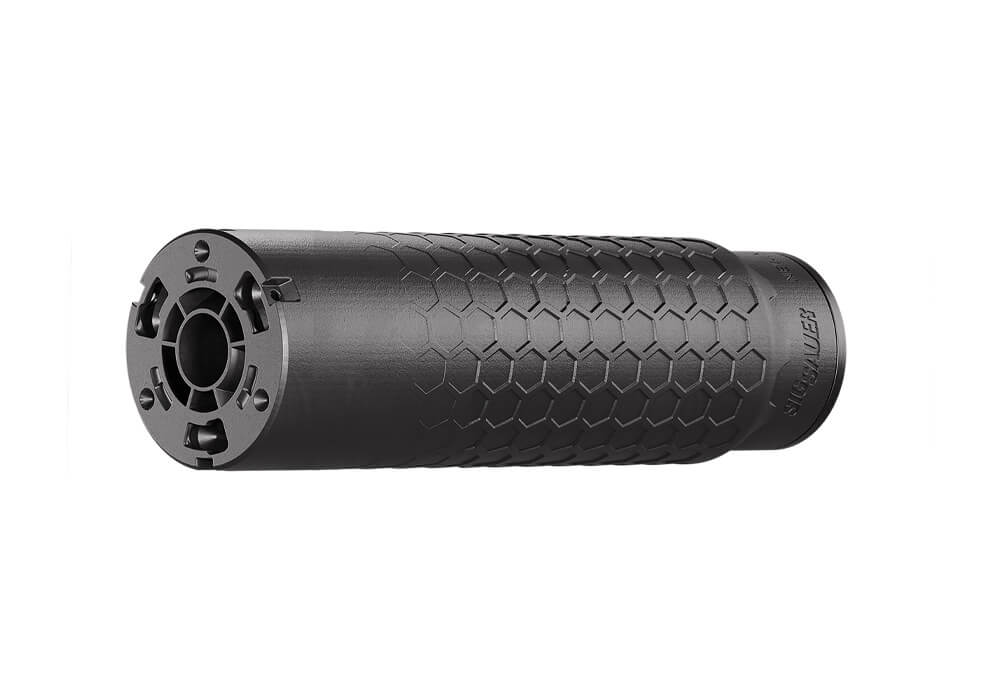
The 5.56×45mm NATO cartridge has four main physical components: the case, primer, propellant, and projectile, commonly called the bullet. The case holds the other components together and helps seal the chamber during firing. The primer initiates ignition, the propellant generates expanding gas, and the projectile travels through the barrel toward the target. These terms describe ammunition components; firearm parts intended for a compatible 5.56 NATO platform belong to a related but separate category. That distinction matters when comparing descriptions, because a bullet is not a complete cartridge, and a firearm component does not establish ammunition compatibility by itself. Brass is a common cartridge-case material, valued for its combination of strength, corrosion resistance, and ability to respond to pressure within the chamber. Projectile construction can involve a jacket, a core, or other material arrangements, with differences that affect suitability for particular sporting applications and range rules. Primer and propellant specifications are equally important, even though those components are less visible than the case and projectile. Their appearance alone does not establish suitability, and they should never be treated as interchangeable simply because two cartridges share a similar exterior profile. The familiar 5.56 NATO designation identifies a cartridge family, not every detail of its construction or intended use. Manufacturer specifications provide the relevant context for understanding materials, chamber requirements, and application. For recreational target shooting or organized competition, consistent construction and clearly documented specifications are more useful comparison points than broad performance claims. A neatly finished case or uniform projectile surface can indicate attention to exterior condition, but neither replaces technical documentation or appropriate quality controls. Understanding the four cartridge components also makes product descriptions easier to interpret: case material, projectile construction, and complete ammunition are different subjects, each with its own considerations. A clear description should leave no doubt about whether the listing concerns a complete cartridge, an individual ammunition component, or a part for the firearm itself.
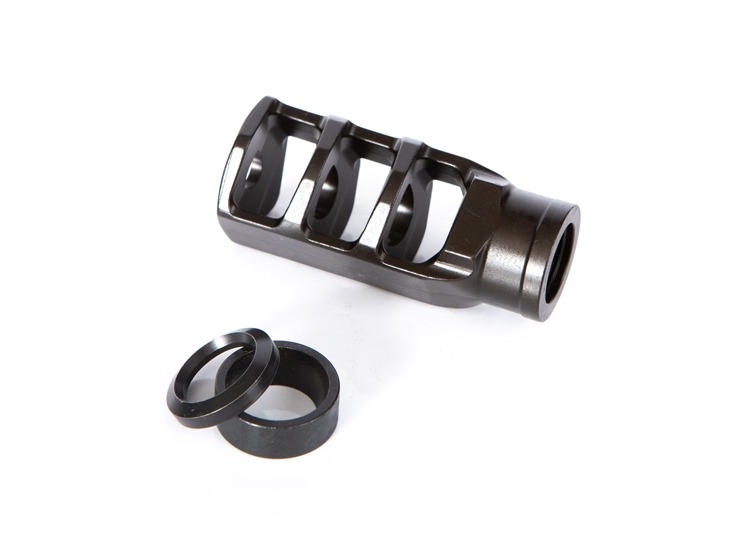
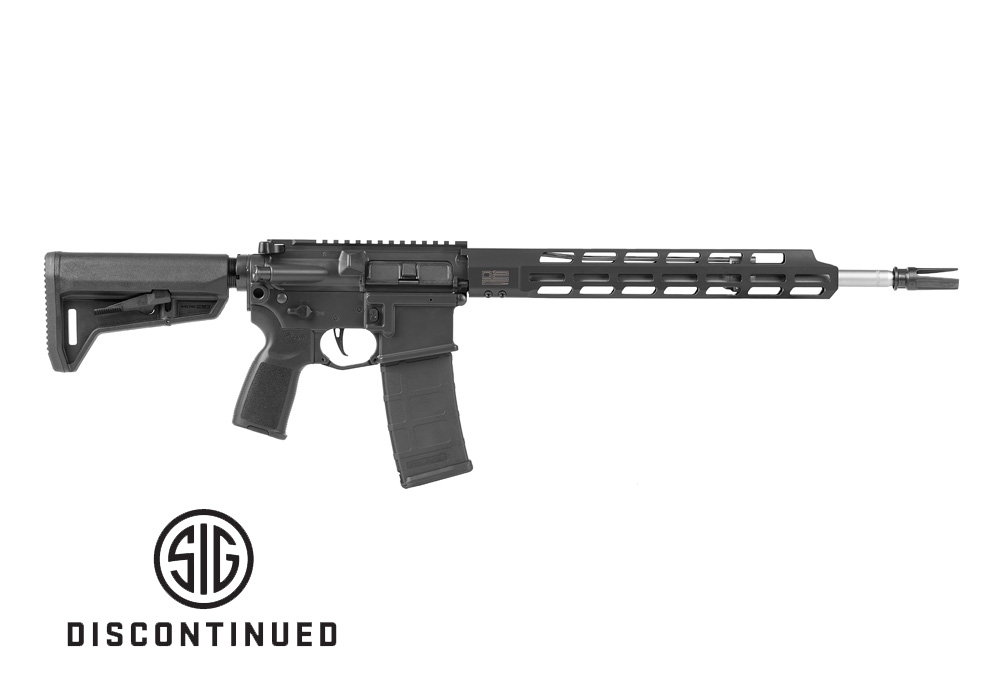
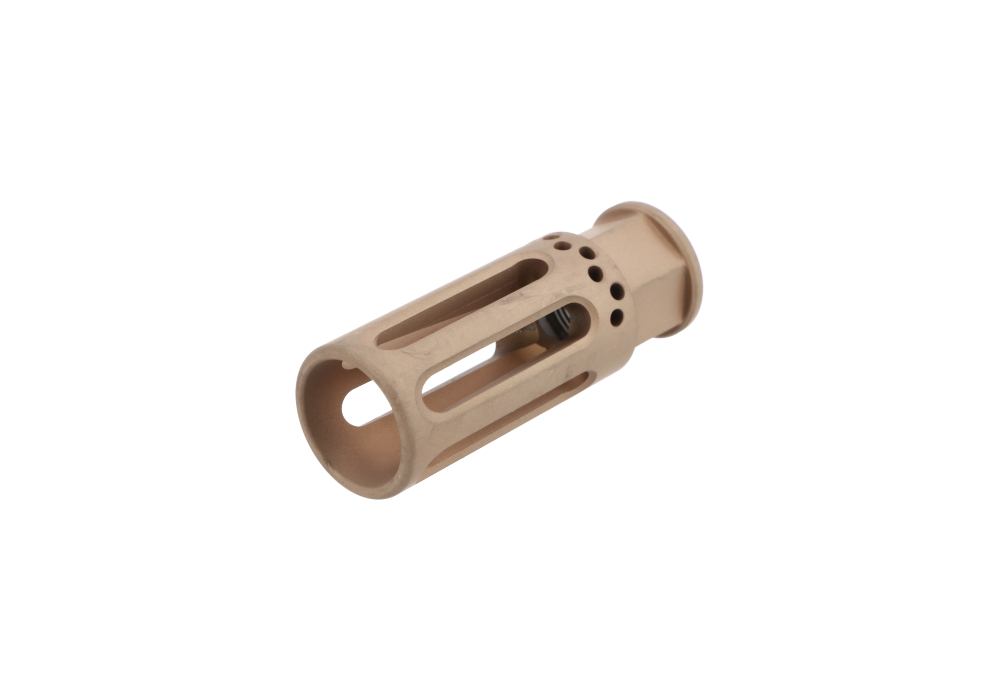
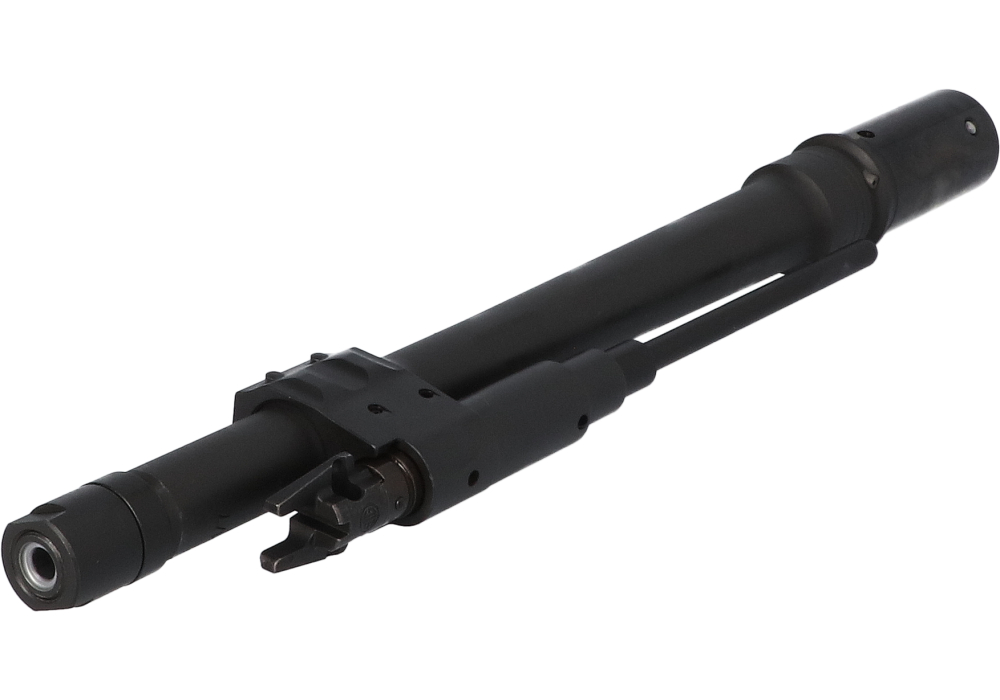
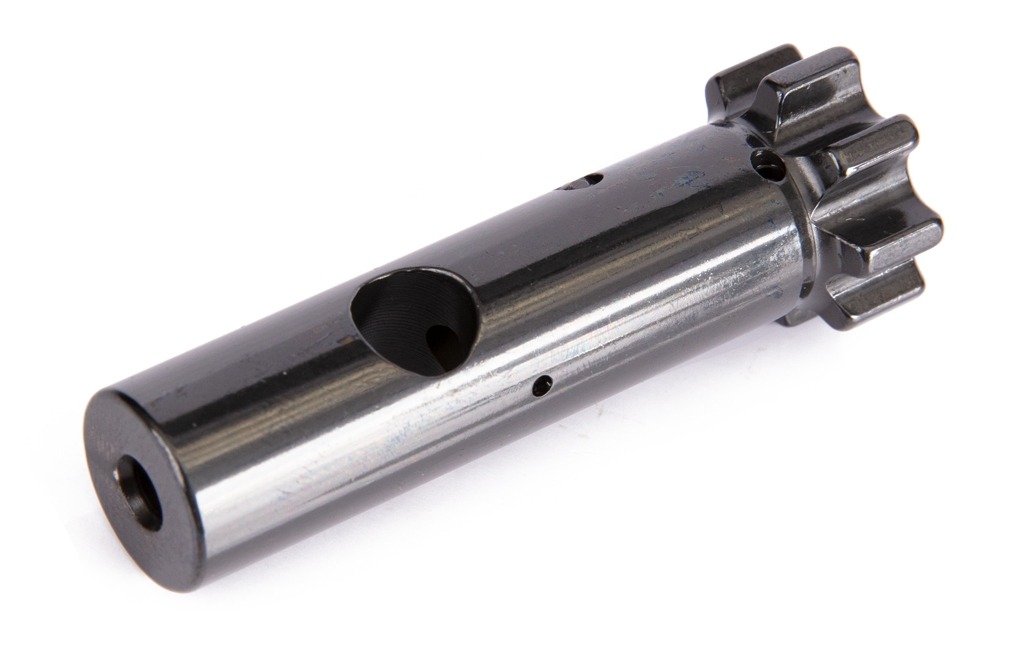
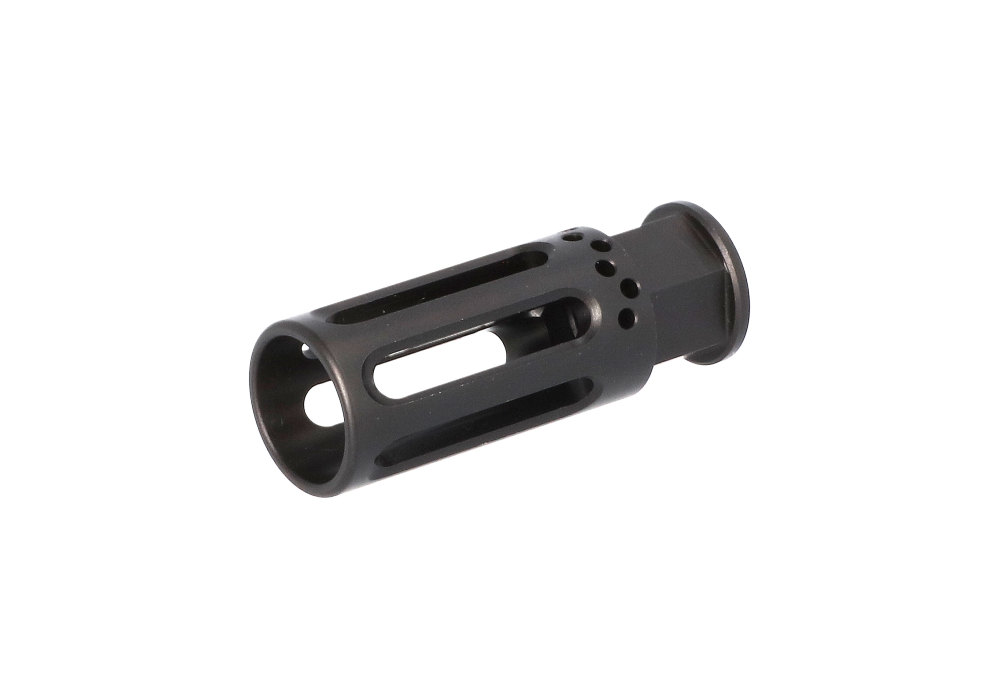
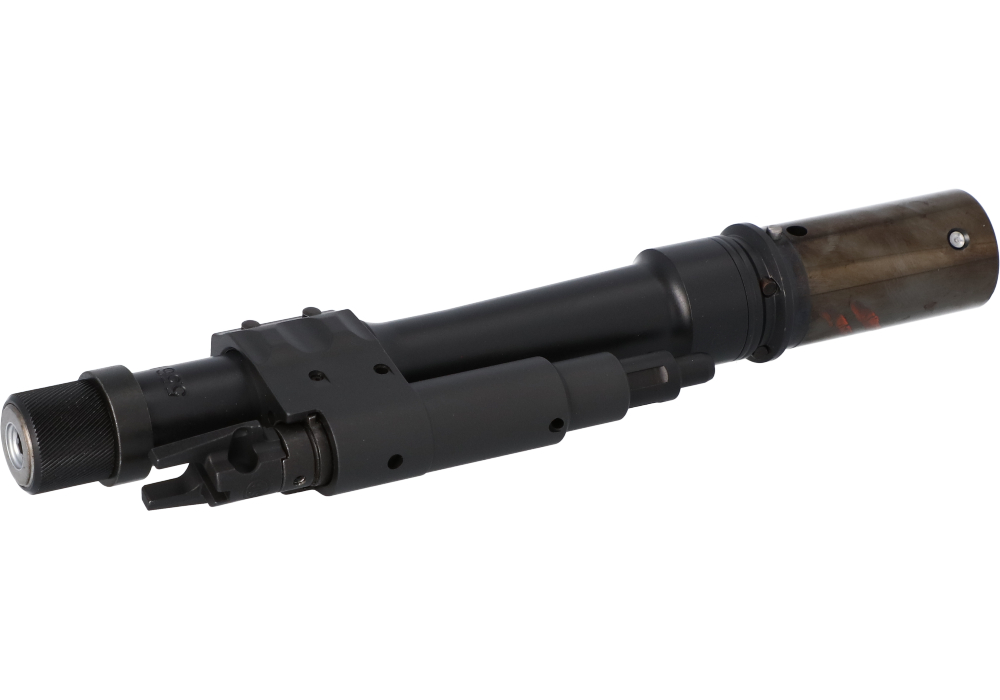
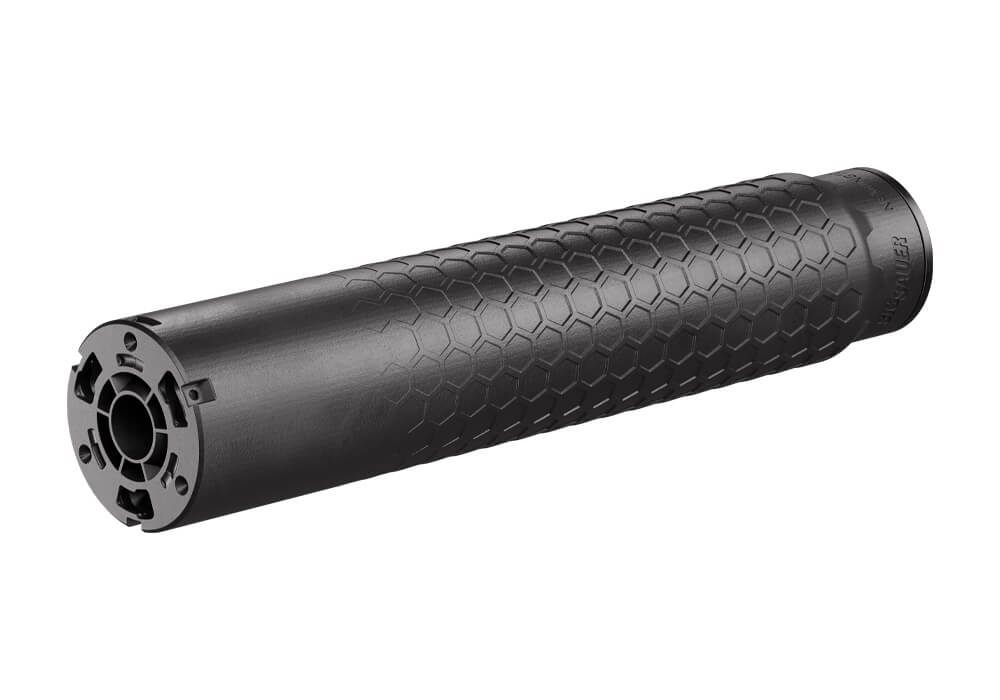
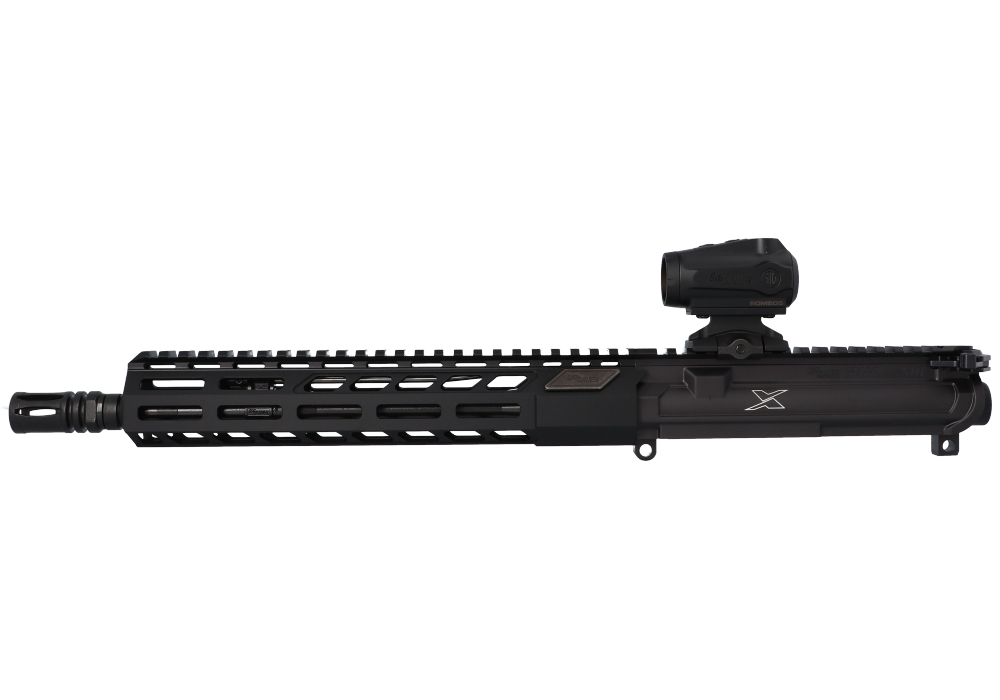
For firearm components associated with 5.56 NATO platforms, fit depends on more than the caliber name. The firearm’s manufacturer, model, configuration, and documented compatibility requirements all matter. Similar-looking parts can have different dimensions or interfaces, and a familiar silhouette is not proof that a component belongs on a particular firearm. Chamber markings also deserve close attention: 5.56 NATO and .223 Remington designations should not be treated as blanket permission to use either cartridge in every firearm bearing the other designation. The firearm manufacturer’s ammunition guidance remains the appropriate reference. Materials and finishes add another layer to the comparison. Steel is common where strength and wear resistance are central concerns, while aluminum and engineered polymers can serve other structural or protective roles. The value of a material depends on its application, treatment, and design rather than its name alone. A dark surface finish, for example, does not reveal the underlying alloy or establish a particular level of corrosion resistance. Documented material specifications and care requirements offer a firmer basis for comparison. Durability also involves the relationship between a component and the rest of the firearm. Correct fit, appropriate maintenance, and use within the manufacturer’s stated limits matter more than an isolated claim of toughness. After a range session, residue around accessible surfaces or wear on frequently handled areas can prompt a closer look at the maintenance instructions, but visible wear should not invite improvised repairs. Suspected damage, uncertain compatibility, or questions about serviceability belong with the manufacturer or a qualified gunsmith. Professional evaluation is particularly important for components that affect safe operation. Related categories such as 7.62 NATO Assemblies concern a different cartridge family; the shared NATO designation does not establish compatibility with a 5.56 NATO firearm. Keeping cartridge identity, platform fit, and material specifications separate helps prevent a visually appealing selection from becoming an unsuitable one.
Intended use gives these details practical meaning. A recreational shooter preparing for a supervised range visit may place the greatest value on straightforward maintenance, clear identification, and compatibility with an existing firearm. A participant in organized shooting sports may also need to account for equipment rules, ammunition restrictions, and the requirements of a particular event. Neither situation benefits from choosing a component on appearance alone. A familiar package in a range bag is useful only when its label accurately identifies the contents and those contents suit the firearm and activity. Keeping original packaging, manufacturer documentation, and identifying information together helps preserve that clarity over time. Care requirements vary between ammunition components and firearm parts, so cleaning advice for one should not automatically be applied to the other. Ammunition and its components need protection from contamination, inappropriate handling, and unauthorized access; firearm parts require the cleaning products, protective treatments, and inspection practices specified for their materials and finishes. Household chemicals and improvised treatments can damage surfaces or affect materials in ways that are not immediately visible. Secure storage, clear labeling, and separation from unrelated materials support responsible ownership without relying on memory or visual recognition. For someone considering a firearm-related gift, exact compatibility and the recipient’s preferences are especially important. An experienced shooter may have specific requirements tied to a particular platform or discipline, while a newer owner may benefit more from confirming those requirements with a qualified professional before a selection is finalized. Applicable laws, recipient eligibility, and safe storage arrangements also deserve consideration. Across these situations, useful product information connects construction to a defined purpose without promising that one material or design is best for everyone. The most relevant characteristics of 5.56 NATO components remain clear identification, documented fit, appropriate materials, and care requirements that match their role. Those details support informed comparisons for owners who want equipment suited to their firearm, their range routine, and their responsibilities beyond the firing line.