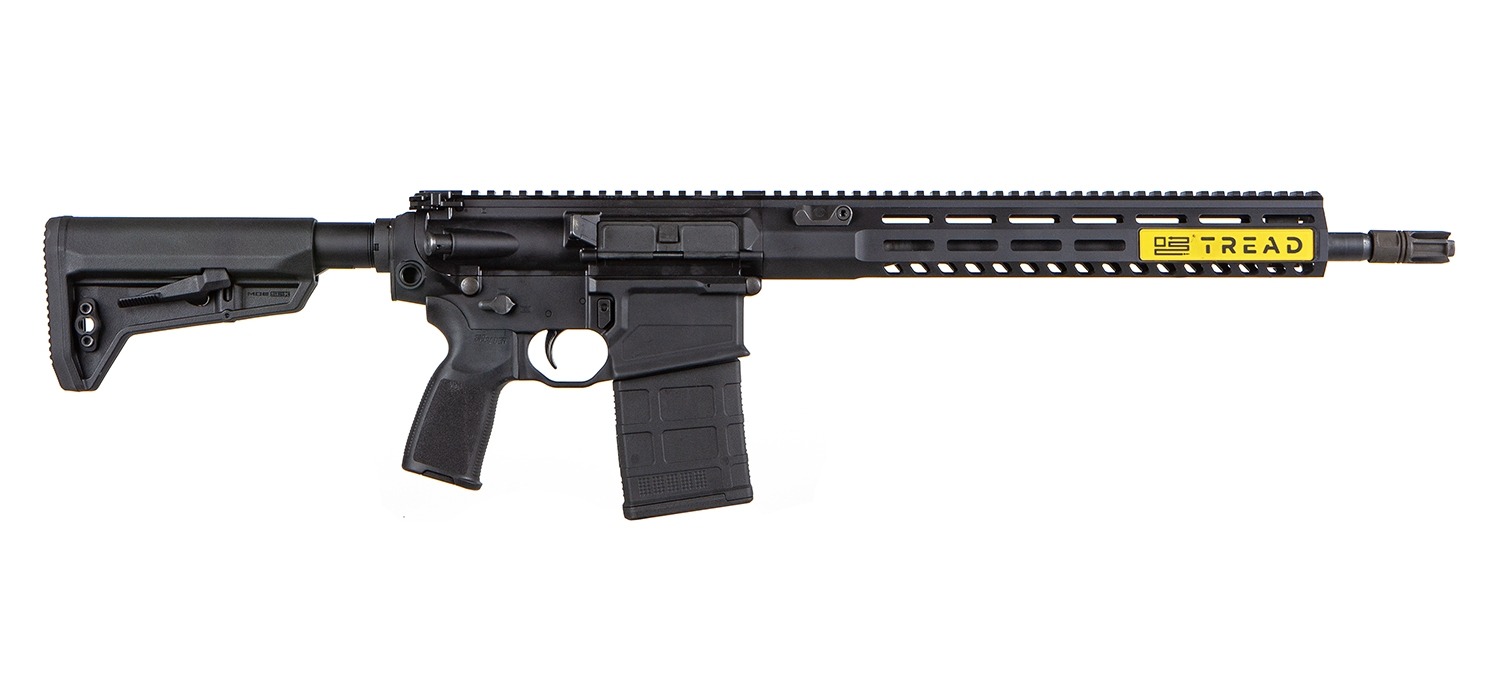
7.62 NATO assemblies are groups of firearm components intended for compatible rifles chambered in 7.62×51mm NATO. Depending on the rifle design and the assembly description, the term may refer to a barrel assembly, an upper assembly, or another component group supplied as a unit. The cartridge itself is a rimless, bottlenecked centerfire rifle cartridge with a long history in military and civilian use, but that shared chambering does not establish universal compatibility between rifles. An assembly belongs to a particular mechanical system, with dimensions and interfaces that must match the intended platform. This distinction matters when comparing components for routine replacement, maintaining a familiar rifle, or selecting equipment for an established sporting purpose. Two assemblies can share a caliber designation while differing in receiver fit, barrel profile, mounting interfaces, or the supporting parts included. A barrel assembly is also not necessarily a complete upper assembly, and neither term guarantees that every component needed for professional installation is included. The description and manufacturer documentation should establish the scope of the assembly rather than leaving it to a photograph or a broad category name. Related components, such as muzzle devices, mounting hardware, and magazines, serve different functions and should not be assumed to accompany an assembly unless expressly listed. For shoppers focused specifically on the barrel category, NATO Rifle Barrels provides a related place to continue comparing options. A useful starting point is the rifle’s exact model and configuration, followed by the stated chambering and intended application. Although 7.62×51mm NATO and .308 Winchester are closely related designations, ammunition suitability should follow the firearm manufacturer’s guidance rather than an assumption that the markings are interchangeable. Clear identification helps keep the selection centered on documented fit, appropriate use, and the actual contents of the assembly. It also makes comparisons more meaningful: the relevant question is not simply whether an assembly carries the right cartridge name, but whether its specifications correspond to the rifle it will serve.
Materials and construction influence how a 7.62 NATO assembly handles regular use, cleaning, and long-term ownership. Depending on the component, specifications may identify alloy steel, stainless steel, aluminum, protective surface treatments, or combinations of these materials. Each belongs in the context of the component’s function; a material name alone does not establish the quality or suitability of the whole assembly. Steel selection and treatment are relevant to barrel wear and surface protection, while receiver materials and finishes contribute to weight, resistance to everyday handling marks, and maintenance requirements. Stainless steel is not immune to corrosion, and a protective finish does not eliminate the need for proper care. Machining quality, documented specifications, and the condition of contact surfaces are useful considerations alongside appearance. Fit deserves equal attention. The chamber designation is only one part of compatibility, and similarities in outline or finish are not reliable evidence that two assemblies will work with the same rifle. Receiver pattern, model generation, handguard clearance, and applicable mounting interfaces may all affect suitability. Manufacturer confirmation or assessment by a qualified gunsmith is especially valuable when the rifle has an uncertain service history or differs from its original configuration. Professional installation and inspection can address matters that cannot be established from an online image, including proper mechanical fit and safe operating condition. Weight and dimensions also shape the ownership experience. A rifle carried between a vehicle and a shooting bench presents different handling priorities from one carried for an extended period during a lawful hunt. Barrel length and profile can affect overall balance, storage needs, and how comfortably the rifle rests on a supported shooting position. Longer or heavier does not automatically mean better, and a compact configuration is not automatically suitable for every purpose. The strongest comparison keeps the complete rifle in view, including its intended role and applicable legal requirements, rather than treating an assembly as an isolated component. That approach favors a coherent, documented configuration over a collection of parts selected only for their individual specifications.
Care and intended use help bring those specifications into practical focus. Owners who spend time at a supervised range, participate in organized rifle competition, or hunt where the cartridge and firearm are permitted may all have reasons to seek a compatible 7.62 NATO assembly. Some are replacing a worn component while retaining a rifle they know well; others are working with a qualified professional to maintain a platform used regularly for sporting activities. In either case, realistic expectations matter. An assembly alone does not guarantee a particular level of accuracy, reliability, or service life. Those outcomes depend on the complete firearm, suitable ammunition, correct installation, maintenance, and the conditions of use. Documentation is therefore part of the purchase decision, not an afterthought. Useful information includes the intended platform, included components, material and finish specifications, care requirements, and any restrictions on compatibility. Retaining that information with the rifle’s service records can simplify later inspections and replacement decisions. For routine care, follow the manufacturer’s cleaning and lubrication instructions, use products suitable for the specified materials, and avoid abrasive methods that could damage protective surfaces. Cleaning should begin only after the firearm has been verified unloaded, with ammunition kept separate from the work area. Persistent residue, unusual wear, visible damage, or changes in operation warrant professional evaluation rather than continued use or improvised repair. Secure storage, protection from moisture, and periodic inspection remain important even when the rifle is used infrequently. After a range visit, a deliberate inspection and the prescribed care routine are more useful than judging condition solely by whether the exterior looks clean. These assemblies are highly compatibility-dependent purchases, which also makes them less straightforward as surprise gifts. If selecting one for an experienced rifle owner, confirming the exact platform and the recipient’s requirements is more considerate than relying on a caliber marking alone. Whether the goal is ongoing upkeep or replacement within an approved configuration, the most useful choice is an assembly with clearly established fit, appropriate construction, and support for the rifle’s intended lawful use.