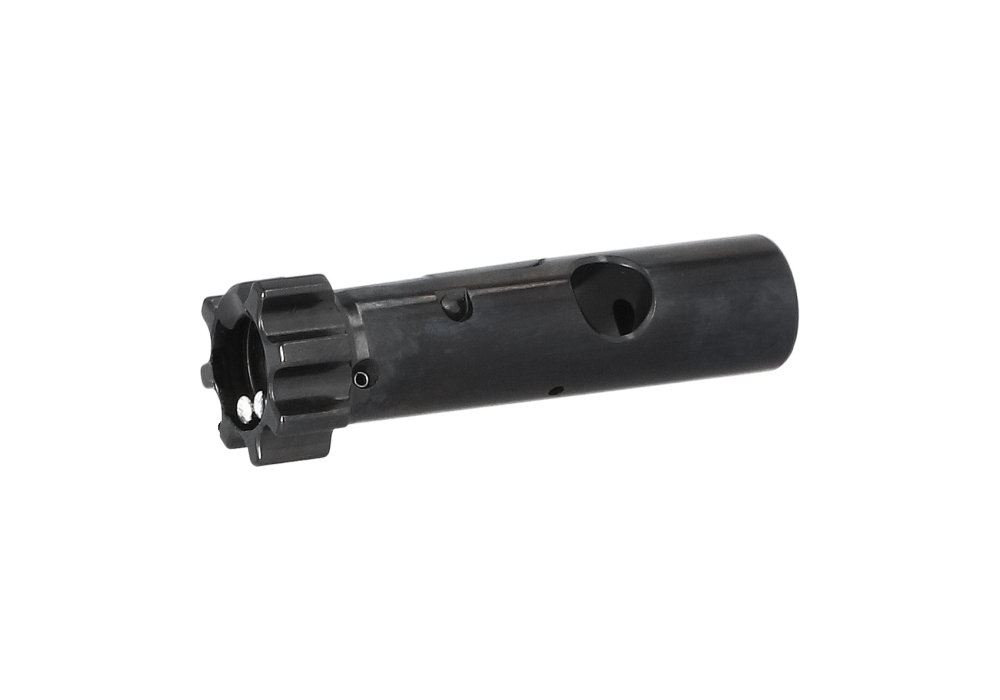
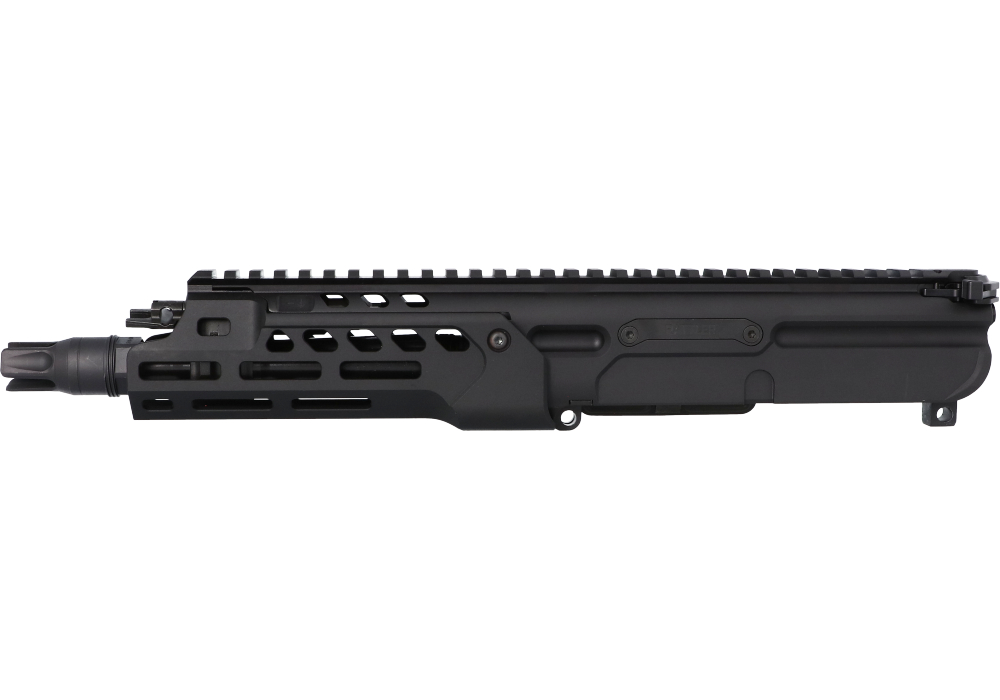
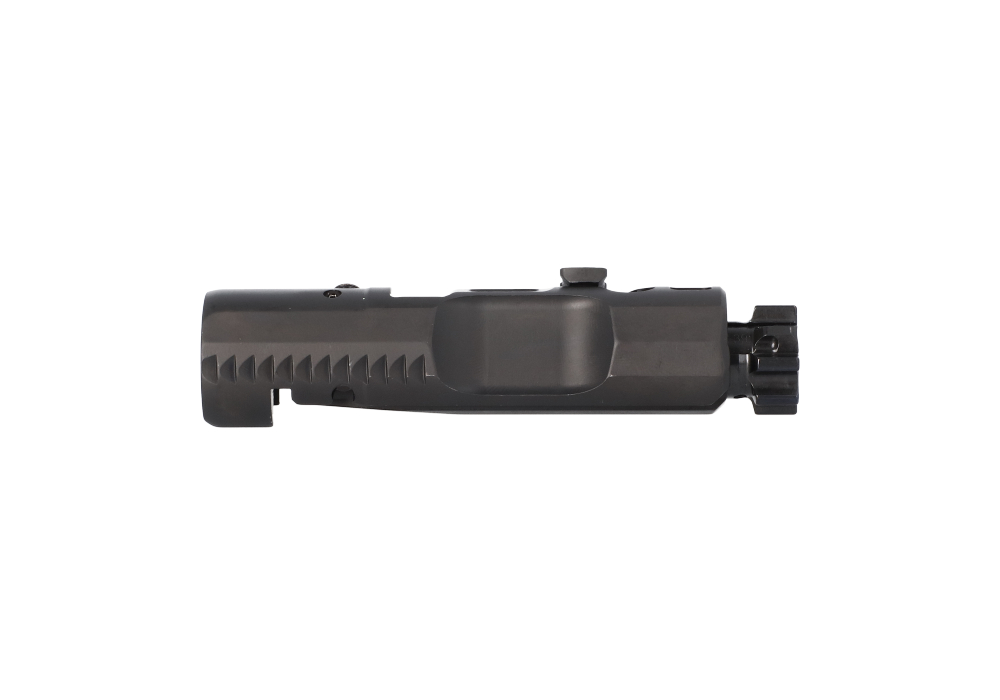
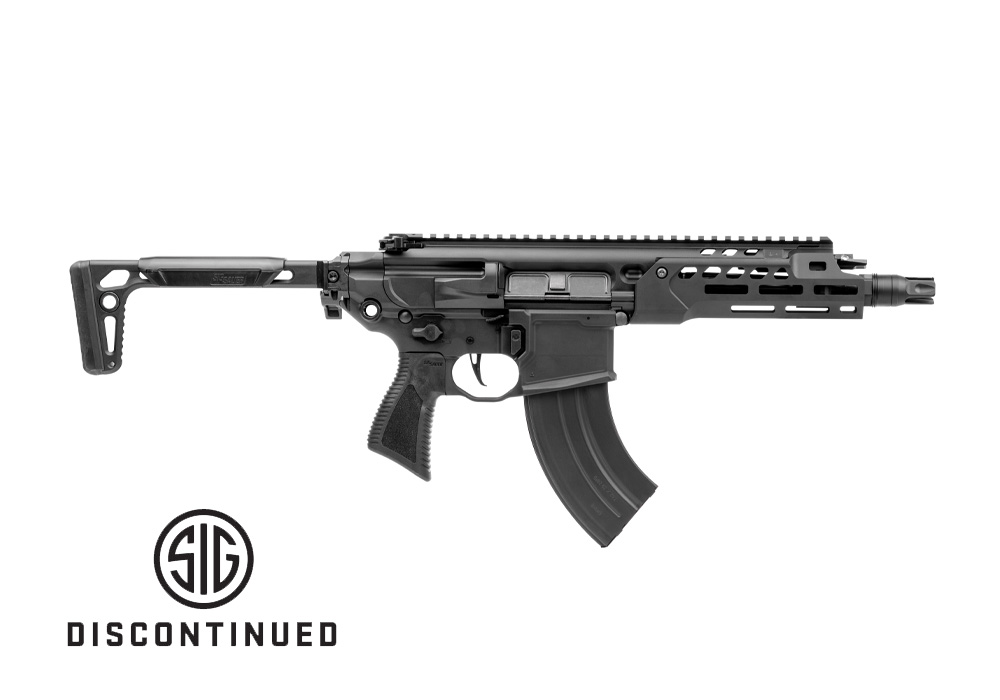
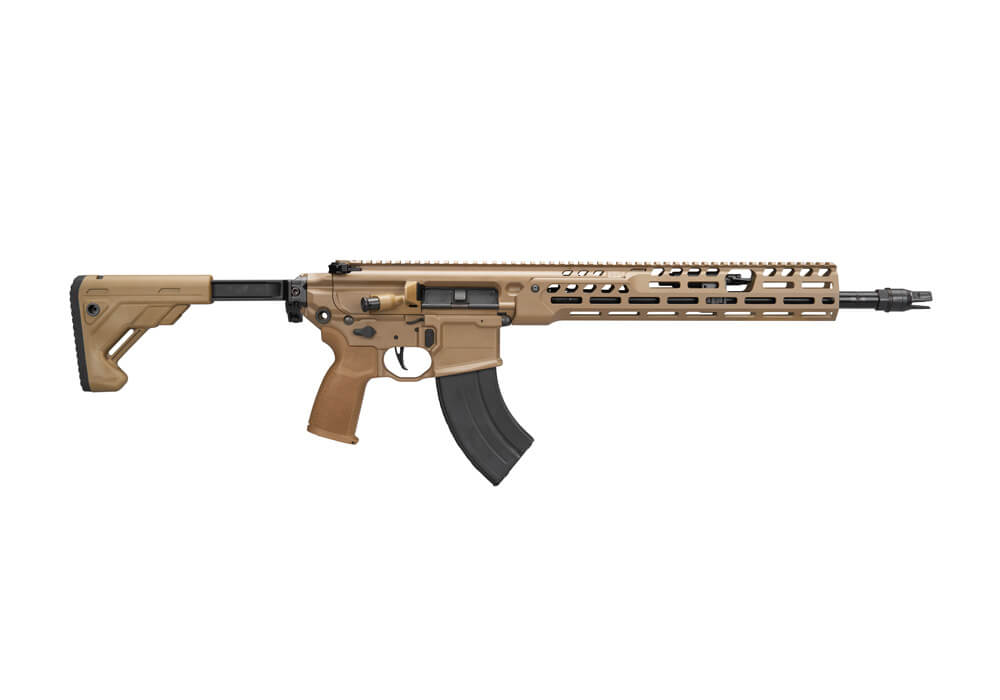
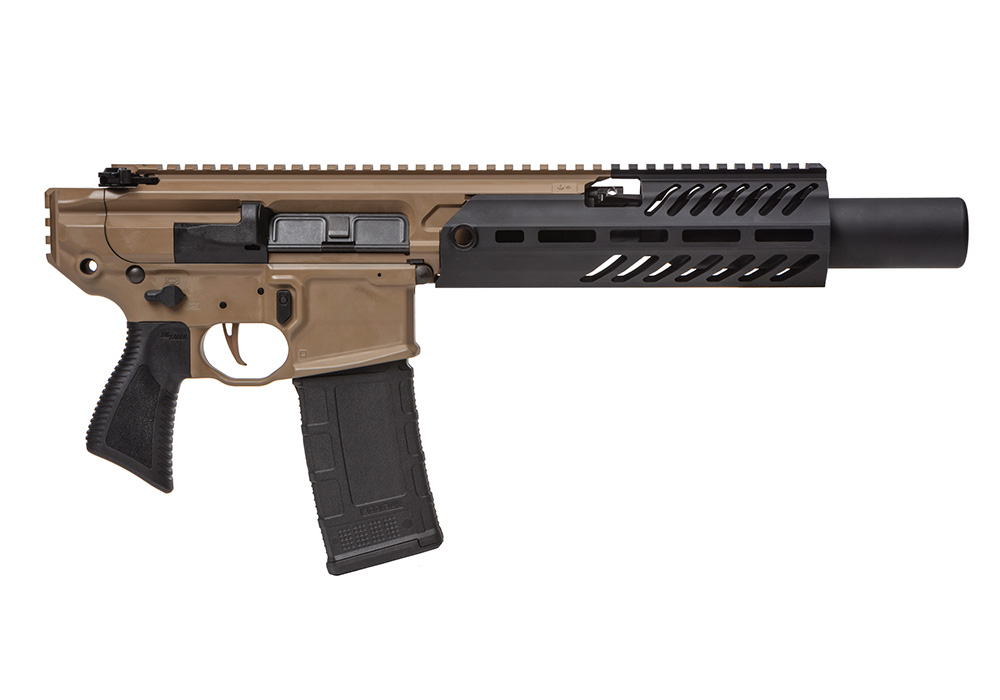
7.62x39 caliber bolt assemblies are purpose-built components for rifles chambered in the compact, intermediate 7.62x39mm cartridge. Because this cartridge has a wider case head than .223 Remington/5.56 NATO, a compatible bolt must use the correct bolt face dimensions, locking-lug arrangement, extractor geometry, and firing-pin relationship for dependable function. These details matter whether a replacement part is being selected for routine maintenance, a repair, a new build, or a carefully planned upgrade. A bolt assembly may be offered as an individual bolt or as part of a larger carrier assembly, so shoppers should confirm exactly what is included before ordering. For those comparing complete configurations, Complete Bolt Carrier Assemblies can provide a convenient way to review related component options. The most important starting point is platform compatibility. A bolt designed for an AR-pattern rifle is not automatically suitable for a traditional bolt-action rifle, and even rifles that share a general pattern may use different dimensions or proprietary interfaces. Check the firearm’s manufacturer specifications, model designation, and existing component details before making a selection. A precise fit helps preserve proper lockup and supports the reliable cycling expected from a well-maintained rifle. When in doubt, consult a qualified gunsmith rather than attempting to force a component into place or relying solely on visual similarity.
The bolt face is one of the defining features of a 7.62x39 caliber bolt assembly. This cartridge generally calls for a deeper, broader bolt face than a standard 5.56/.223 bolt, commonly associated with a Type 1 configuration and approximately .125-inch bolt-face depth, although specifications can vary by platform. The extractor deserves equal attention. A robust extractor with the correct claw profile and spring tension must engage the cartridge rim securely, especially when a rifle is used with ammunition that has harder cases, lacquered or polymer coatings, or military-style primers. Some assemblies use enhanced extractor springs, inserts, or O-rings to maintain consistent tension, but these features should match the intended design rather than being treated as universal upgrades. Firing-pin dimensions are another consideration. Certain 7.62x39 AR-pattern systems use a slightly extended firing pin to provide reliable ignition with harder primers, while other systems require a standard-length pin. Installing the wrong firing pin can create reliability or safety concerns, making manufacturer specifications essential. Materials and surface treatments also contribute to service life. Bolts are commonly machined from hardened steels such as 9310 or Carpenter 158, with finishes including nitride or nickel boron selected for corrosion resistance, wear protection, and easier cleaning. These specifications are useful points of comparison, but material alone does not establish compatibility or quality; heat treatment, machining tolerances, inspection, and the complete bolt design are equally important. A careful shopper will review the listed caliber, bolt type, firing-pin style, extractor configuration, finish, and included hardware together instead of evaluating one feature in isolation.
These components are often selected by experienced rifle owners, builders, armorers, and shooters who want to keep a 7.62x39 platform running with confidence through range sessions, training, hunting, or general recreational use. They can also make a practical gift for a knowledgeable firearm enthusiast who maintains a dedicated parts kit or is restoring a compatible rifle, provided the recipient’s exact platform and specifications are known. A bolt assembly is not a universal accessory, so an attractive package is less useful than a correctly matched part. Before purchase, compare the product listing with the firearm manual and verify whether the assembly is intended for a direct-impingement or piston-operated system, whether it is supplied with a carrier, and whether the firing pin, cam pin, retaining pin, extractor components, and springs are included. It is also worth checking whether the rifle uses a proprietary bolt design or a conventional pattern, as small differences can affect installation and function. For owners who spend time outdoors during the cooler months, corrosion-resistant finishes and sound storage practices can be especially valuable when rifles move between cold air, heated vehicles, and damp cases. After installation, have the firearm inspected by a qualified professional and follow the manufacturer’s function-check and maintenance guidance; live-fire testing should take place only at an appropriate range with proper eye and ear protection. Keeping the original bolt assembly, documenting the rifle’s configuration, and storing small replacement parts in labeled containers can make future maintenance much less frustrating. The right 7.62x39 caliber bolt assembly is ultimately a matter of correct geometry, durable construction, dependable extraction, and verified compatibility, giving shoppers a clear basis for comparing recommended options without treating every bolt as interchangeable.