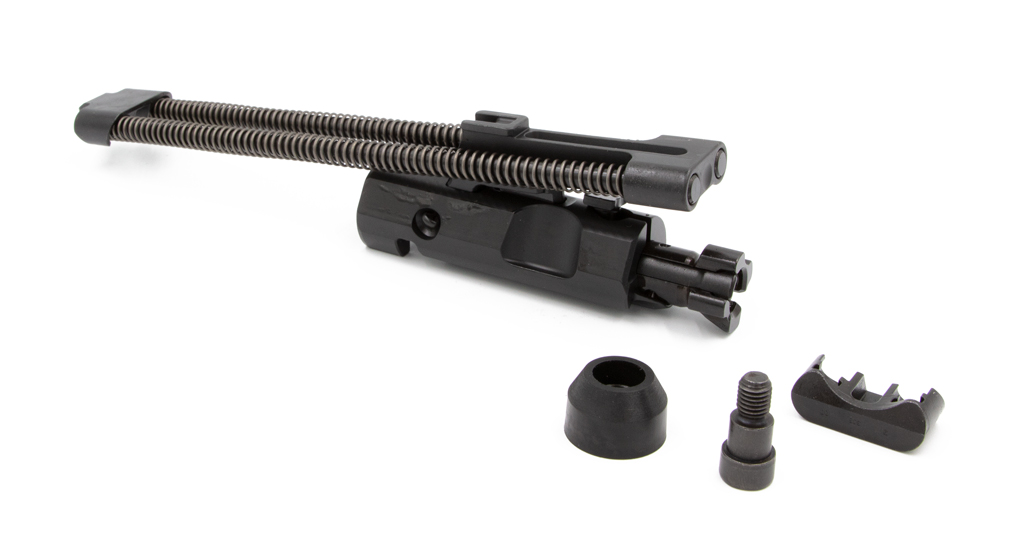
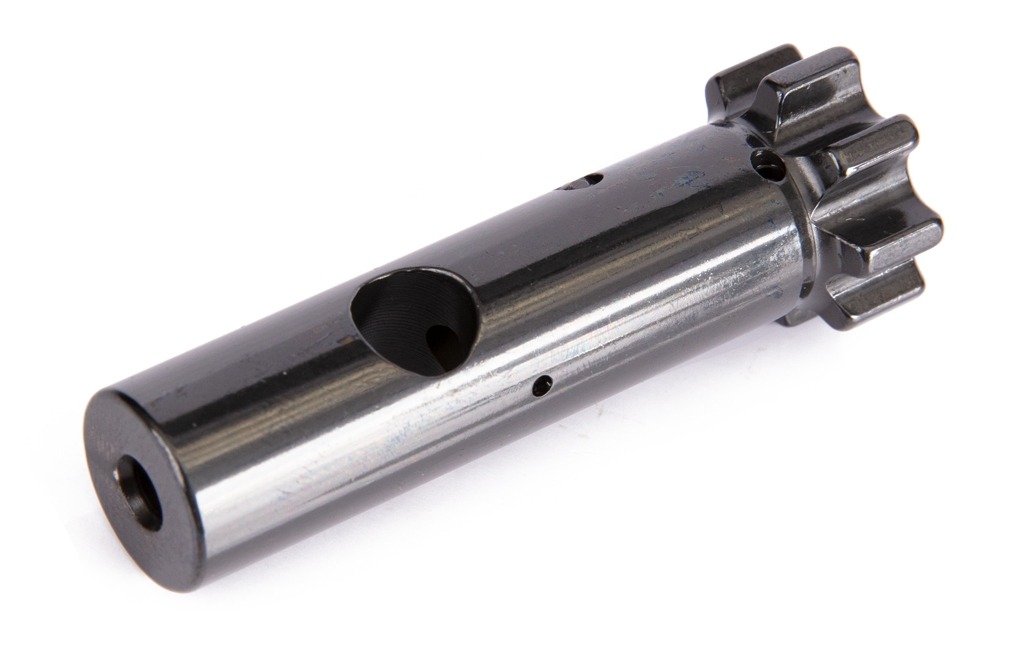
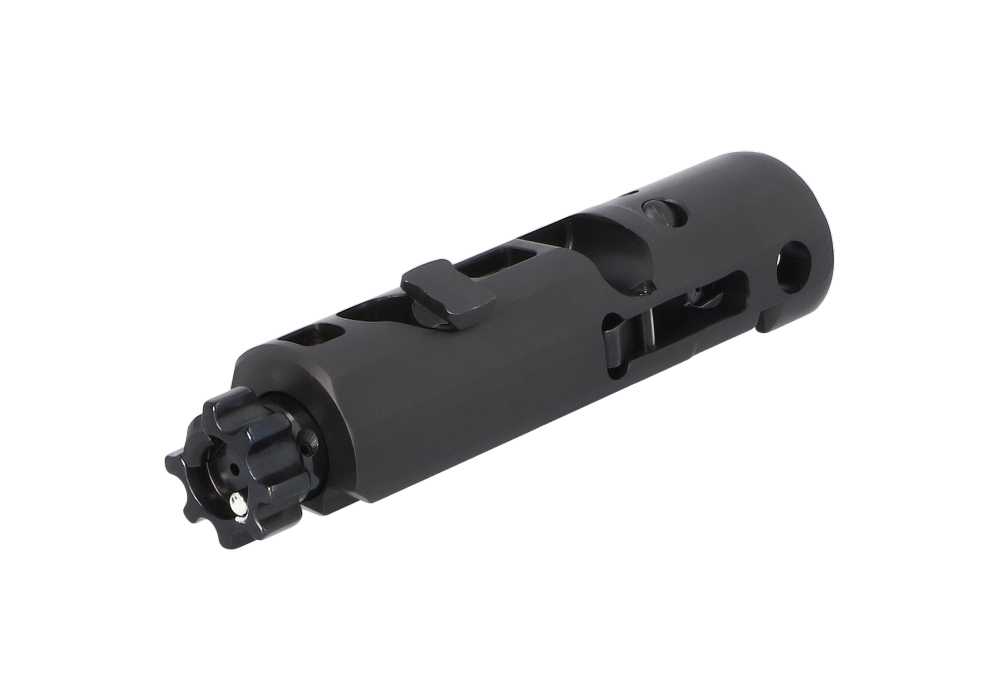
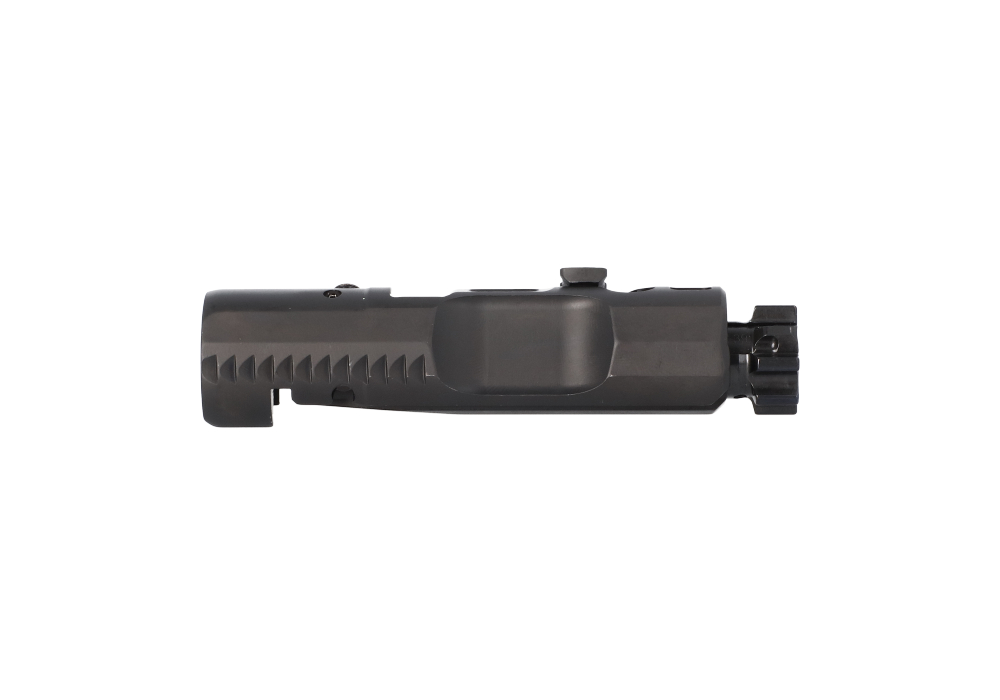
Complete bolt carrier assemblies bring together the bolt, carrier, and associated operating components as an assembled unit for a compatible firearm. In many gas-operated rifle designs, this assembly supports the cycle of feeding, chambering, locking, extracting, and ejecting. A typical complete assembly includes the carrier, bolt, firing pin, cam pin, and firing pin retaining pin, with the extractor and ejector incorporated into the bolt. Designs that use a carrier-mounted gas key generally include that component as well. The exact contents depend on the firearm’s operating system and the manufacturer’s definition of complete, so the component list remains an important part of the description. Complete bolt carrier assemblies serve shooters seeking a replacement for a worn assembly, a compatible spare, or a component specified for a professionally assembled rifle. Their appeal is straightforward: related parts are supplied together rather than selected individually. That convenience does not remove the need to confirm compatibility. Rifle pattern, chambering, receiver configuration, barrel extension, and operating system can all affect whether an assembly is appropriate. Two carriers that look nearly identical on a workbench may have meaningful differences in dimensions or internal geometry. Even within a familiar rifle family, compatibility should rest on documented specifications rather than appearance alone. The word complete describes the supplied assembly; it does not establish universal fit or confirm that a particular firearm requires no further inspection. Manufacturer guidance and evaluation by a qualified gunsmith are especially valuable when the history of an existing rifle or its components is uncertain. For a collection centered on complete bolt carrier assemblies, the most useful distinctions are therefore the intended platform, included components, material specifications, finish, and applicable inspection information. Those details give shoppers a clear basis for comparing assemblies without treating every similar-looking part as interchangeable.
Materials and manufacturing quality matter because the bolt and carrier perform different jobs under repeated mechanical stress. Steel is common throughout these assemblies, but the alloy and treatment appropriate for a bolt may differ from those specified for a carrier. A material name is useful information, not a complete measure of quality. Heat treatment, dimensional control, surface preparation, and inspection practices all contribute to how a component handles repeated use. Where testing is documented, the description should identify what was tested and whether that information applies to an individual component or a production sample. Magnetic particle inspection, for example, is used to identify certain surface and near-surface discontinuities; it is not a blanket guarantee of service life. Protective finishes also deserve a practical reading. Phosphate treatments, nitrided surfaces, and plated or coated finishes differ in texture, corrosion resistance, and maintenance characteristics. A smooth, easy-to-wipe surface can be convenient after a range session, while other finishes have an established role in applications that specify them. No finish eliminates fouling, wear, or the need for care consistent with the firearm manufacturer’s recommendations. Color and shine are less informative than a clear explanation of the underlying material and surface treatment. Shoppers comparing Mil Spec Bolt Carrier Assemblies should likewise look beyond the label to the stated platform, dimensions, materials, and inspection criteria. A specification reference is meaningful only in the context of the requirements it actually addresses. It should not be read as a promise that every assembly carrying a similar description will suit every rifle. Careful attention to these details is particularly relevant for an owner replacing an assembly after substantial use: matching the original requirements matters more than choosing a finish that simply looks newer or more polished. Durability is the result of suitable materials, sound processing, correct fit, and appropriate care working together, rather than any single feature in isolation.
Intended use helps put those specifications into perspective. A recreational target shooter may value a clearly documented replacement that matches an existing rifle, while a frequent range visitor may place particular importance on inspection records and maintenance requirements. A hunter needs the same fundamental assurance of correct compatibility, along with a finish and care routine appropriate to the firearm’s use. Owners maintaining several rifles benefit from clear identification, since an assembly reserved for one platform should not be assumed suitable for another. A labeled storage case and retained specification information can help keep similar-looking components from becoming confused. For any of these users, dependable ownership begins with understanding what the assembly is intended to fit, not with expecting a replacement component to resolve every operating problem. Wear elsewhere in the firearm, ammunition differences, or an unrelated mechanical issue may require separate evaluation. A qualified gunsmith can assess fit, headspace, and the condition of related components without relying on appearance or assumptions. Care remains important after selection, too. Carbon residue, lubricant condition, and signs of unusual wear are relevant considerations for assemblies exposed to regular use. Maintenance requirements vary by design and finish, and the firearm manufacturer’s instructions remain the appropriate reference for cleaning methods, lubrication, and inspection intervals. An easy-clean surface may simplify routine attention, but it does not make the assembly maintenance-free. Protected storage also helps preserve finished surfaces and keeps a spare assembly free of grit and other contamination before it is needed. For someone considering a complete bolt carrier assembly as a gift for an experienced firearm owner, confirmed compatibility is more valuable than a guess based on the rifle’s appearance. With the correct specifications established, a complete assembly can be a practical replacement or spare that supports responsible upkeep. Clear product descriptions, documented construction details, and realistic maintenance expectations make this category easier to evaluate on the qualities that matter throughout ownership.