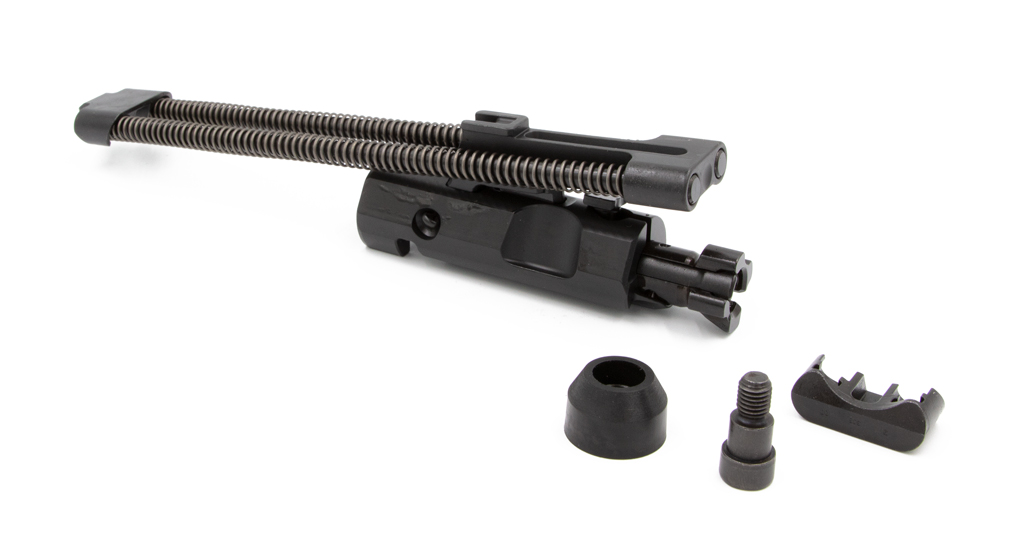
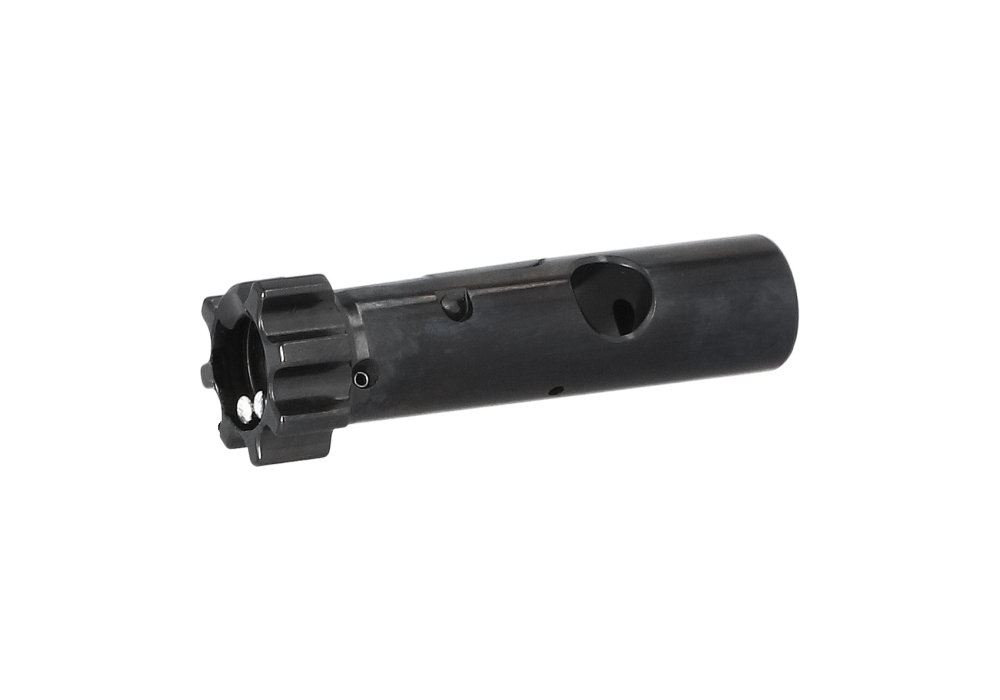
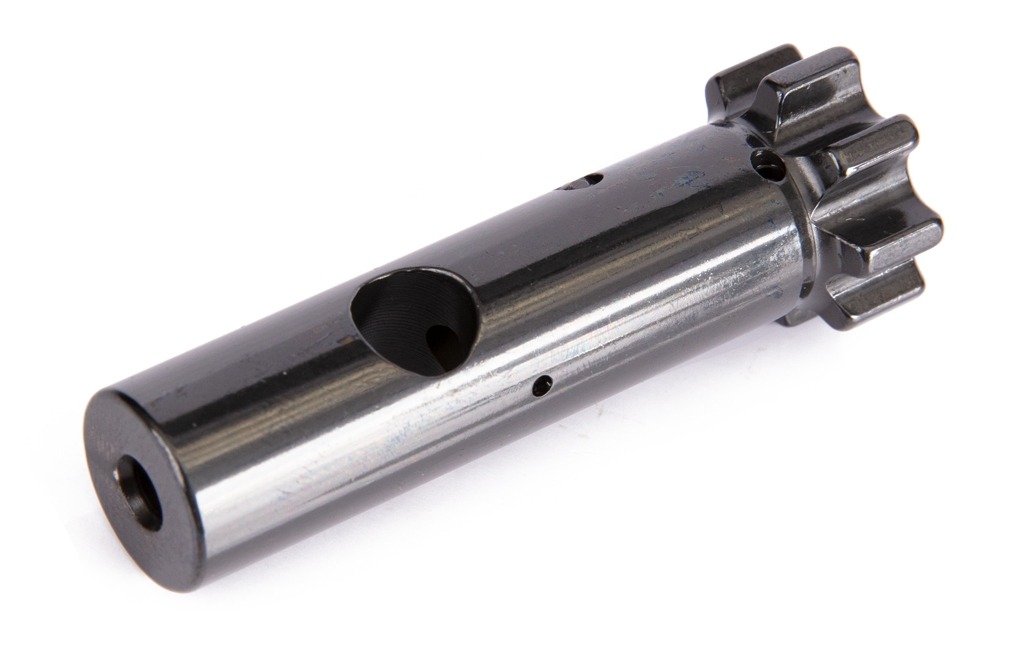
A mil-spec bolt carrier assembly is a group of internal rifle components designed around military specifications for materials, dimensions, and performance. In a compatible gas-operated rifle, the assembly supports chambering, locking, extraction, and ejection as part of the operating cycle. Complete assemblies typically combine the carrier and bolt with supporting components such as the firing pin, cam pin, and retaining pin, although the exact contents depend on the listing. The distinction between a complete assembly and a carrier alone is important when comparing replacement parts. The term “mil-spec” also deserves context: it refers to defined requirements, not a universal promise that every assembly fits every rifle or that every advertised feature has undergone the same verification. Compatibility depends on the firearm’s platform, chambering, and operating-system requirements, along with the manufacturer’s specifications. Similar external dimensions do not establish interchangeability, and a familiar appearance cannot confirm the correct fit. For owners maintaining an established rifle, the relevant details are how the assembly corresponds to that firearm and which components are included. For those comparing replacement options with a qualified gunsmith, documented specifications provide a stronger basis for selection than appearance alone. These assemblies are working mechanical components rather than cosmetic accessories; their fit and condition influence how consistently the rifle performs its normal operating cycle. A carrier that looks cleanly finished still needs appropriate materials, correctly controlled dimensions, and compatibility with the surrounding system. Likewise, a military-pattern description does not establish that an assembly has been individually inspected or tested unless the supporting documentation says so. Understanding these distinctions keeps attention on the characteristics that matter in a range rifle, a training firearm, or another lawful application where dependable operation is essential. The most useful comparison is therefore not simply between finishes or labels, but between clearly described assemblies whose specifications align with the firearm and its intended use.
Material selection and manufacturing consistency help determine how a bolt carrier assembly withstands repeated mechanical stress. Alloy steels are common because the bolt and carrier must tolerate different combinations of load, friction, and wear. The bolt’s locking surfaces experience substantial stress during normal operation, while the carrier travels repeatedly against adjoining surfaces inside the receiver. Appropriate material selection, heat treatment, and dimensional control all contribute to durability, but the presence of a particular steel designation alone does not establish the quality of the finished assembly. Surface treatment is another part of the picture. Phosphate finishes, nitrided surfaces, and other protective treatments can differ in texture, corrosion resistance, appearance, and cleaning characteristics. A smoother-feeling surface may be appealing during routine care, while a more textured finish has its own established role in firearm components. Neither visual gloss nor color provides a complete measure of service life. Protective treatments also do not eliminate the need for lubrication, inspection, or proper storage. For shoppers comparing mil-spec bolt carrier assemblies, documented inspection practices can provide useful context beyond the finish description. Magnetic particle inspection and proof testing, when explicitly specified, address particular aspects of component evaluation; they should not be assumed from a general military-pattern label. Whether testing applies to each component or to a production sample is a meaningful distinction when that information is provided. Consistent machining, appropriate surface treatment, and clearly identified inspection practices offer a more complete picture than a single feature presented in isolation. The details matter most over repeated use: time spent practicing at the range, participating in structured instruction, or maintaining a familiar firearm over years of ownership. Durability is not simply resistance to visible scratches. It also involves the continued condition of working surfaces and the ability of properly matched components to function within the firearm’s specifications. A well-documented assembly gives the owner and servicing professional a clearer understanding of what is inside the rifle, how it is intended to be used, and what maintenance requirements apply.
Fit, care, and intended use remain closely connected throughout ownership. A replacement assembly should correspond to the firearm manufacturer’s requirements, and professional evaluation may be necessary to confirm compatibility and appropriate headspace. A complete assembly is not automatically a universal replacement, even within a broadly similar family of rifles. Differences in operating systems and component designs can affect suitability, making the firearm’s documentation more useful than assumptions based on appearance or terminology. For additional context when comparing construction and component quality, High Quality Bolt Carrier Assemblies offers a related category to explore alongside clearly stated compatibility requirements. Once an appropriate assembly is in service, routine care helps preserve its working condition and makes developing issues easier to recognize. Combustion residue, lubricant, and normal contact marks are part of the environment in which these components operate, but unusual wear or damage warrants evaluation rather than guesswork. Cleaning products, lubrication, inspection intervals, and service procedures should follow the firearm and component manufacturers’ recommendations. A protective finish does not make an assembly maintenance-free, and replacing a component does not resolve every possible source of unreliable operation. The condition of the surrounding firearm remains relevant. For a recreational shooter, practical value may mean consistent function during regular practice and manageable upkeep afterward. For someone attending formal instruction, it may mean confidence that a qualified professional has confirmed the rifle’s condition before an extended range session. Experienced owners maintaining multiple firearms may place particular importance on clear identification and accurate service records, so components remain associated with the correct platform. Across these uses, the strongest selection criteria are straightforward: documented compatibility, suitable materials, credible quality-control information, and care requirements that are clearly understood. Mil-spec bolt carrier assemblies serve a demanding mechanical role, and their value rests in appropriate fit and dependable construction rather than decorative details or broad claims. Careful selection and responsible maintenance help keep attention where it belongs: on a properly maintained firearm suited to its owner’s lawful use.