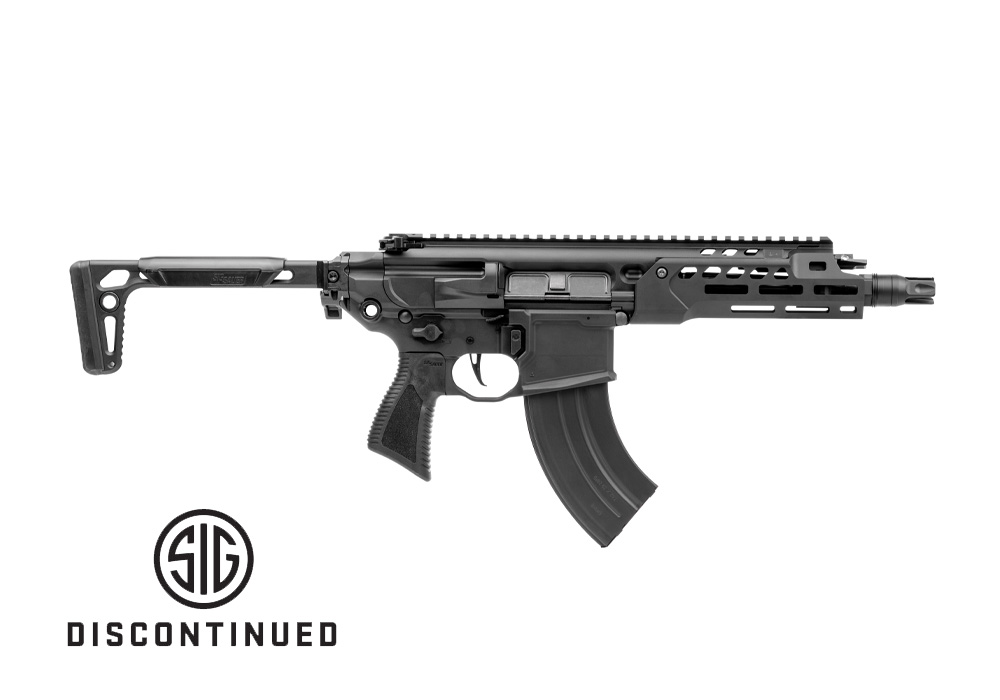
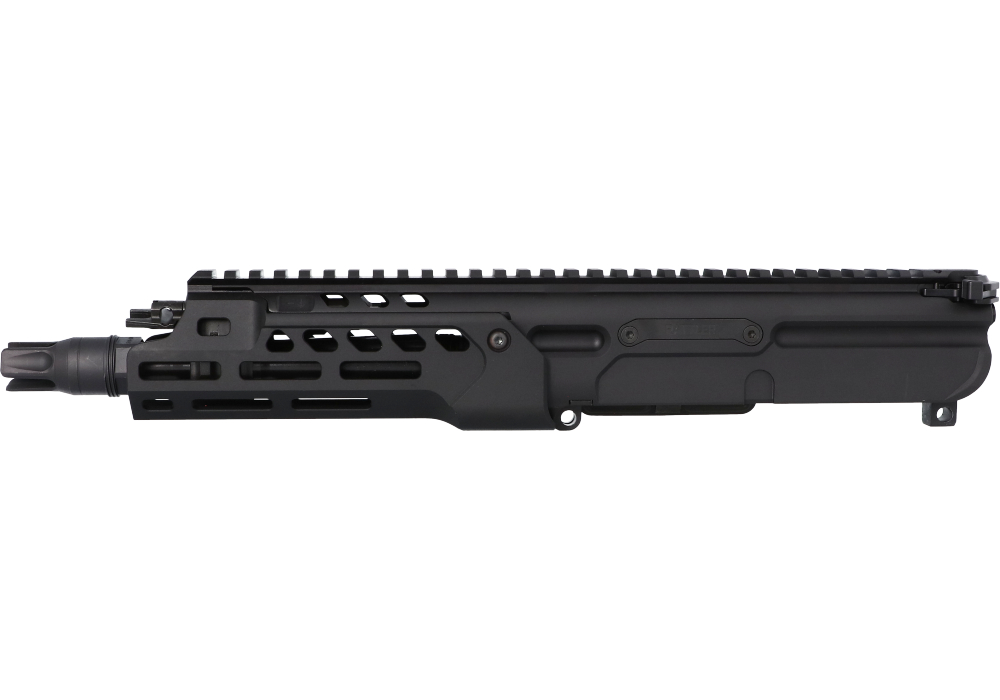
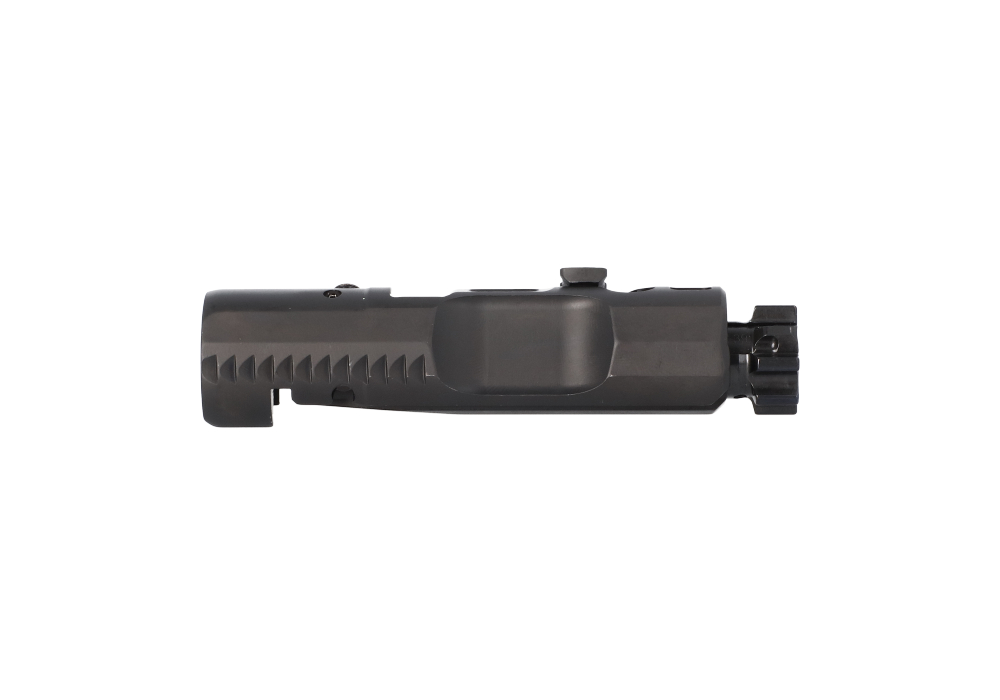
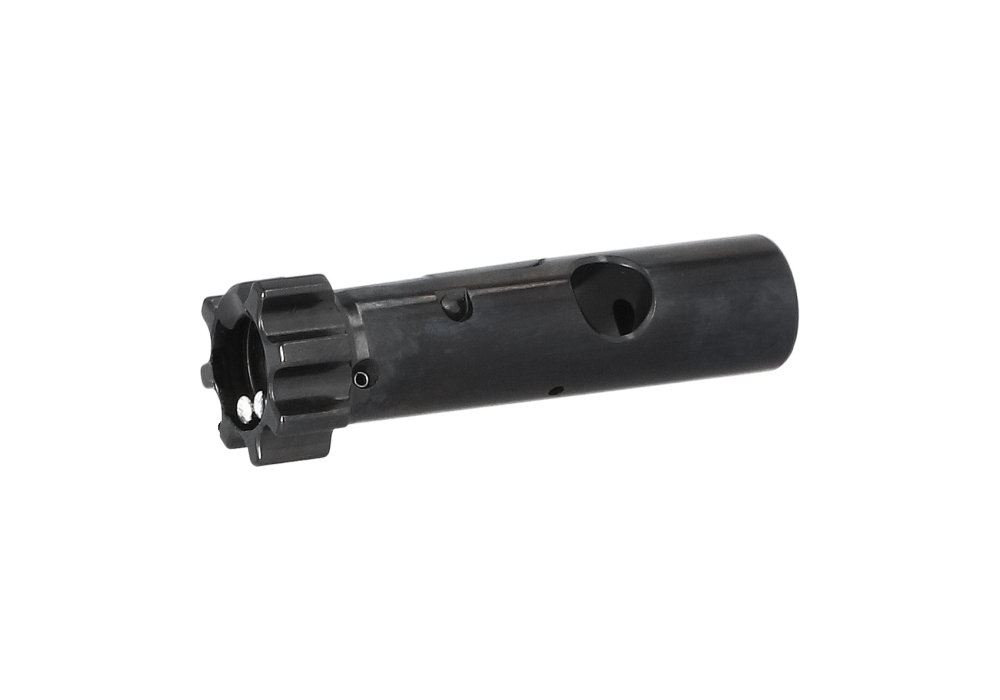
7.62x39 tactical bolt assemblies are cartridge-specific firearm components that support the case head during firing and work with a compatible rifle’s operating system to secure the breech and extract the spent case. Depending on the design, an assembly may include the bolt body, extractor, ejector, springs, pins, or other associated parts; the exact contents should always be checked against the manufacturer’s description. A bolt assembly is not necessarily a complete bolt carrier group, and those terms should not be treated as interchangeable when comparing components. The 7.62x39mm cartridge has a tapered case and case-head dimensions that differ from other common rifle cartridges, so a shared platform style or similar outward appearance does not establish compatibility. Bolt-face geometry, locking surfaces, extractor arrangement, and the relationship between the bolt and barrel all matter. Some rifles use rotating bolts within a carrier, while others use a different arrangement, making the firearm’s specific design more important than a broad tactical label. For shoppers, that label describes the intended application more than it defines a universal mechanical standard. These assemblies can be relevant to recreational target shooters, owners maintaining a compatible sporting rifle, and armorers managing established firearm configurations. A range regular replacing a worn component and an armorer documenting service parts may be looking at the same category for different reasons, but both need an exact match rather than a part that merely looks close. Manufacturer documentation should identify the supported chambering, platform, and configuration, along with any limitations that affect fit. Where bolt-face measurements are provided, they are specifications to match, not proof that the assembly suits every rifle chambered in 7.62x39mm. Dimensional details found in a general description should never substitute for the firearm manufacturer’s requirements. A well-chosen assembly starts with that distinction: cartridge compatibility is necessary, but complete mechanical compatibility depends on the rifle around it.
Material quality and manufacturing control are central considerations for 7.62x39 bolt assemblies because the bolt experiences repeated loading, contact at its locking surfaces, and movement against neighboring components. High-strength alloy steels are common in firearm bolt construction, although the alloy designation alone does not tell the whole story. Appropriate heat treatment, machining consistency, surface condition, and inspection practices help determine how a component performs over its service life. When documented, testing and quality-control information offer useful context, but claims should be evaluated for the particular assembly rather than assumed across an entire category. Protective finishes may include nitrided surfaces or plated coatings, each with characteristics related to wear, corrosion resistance, and cleaning. A smooth-looking finish is not a substitute for correct dimensions, and no coating eliminates the need for routine care. The extractor deserves attention because it must engage the cartridge case as part of the rifle’s extraction cycle. Ejector design also varies: some assemblies incorporate an ejector, while other firearm systems locate that function elsewhere. Spring arrangements and component geometry are therefore meaningful compatibility details, not interchangeable accessories. Brass-cased and steel-cased ammunition can behave differently within a firearm system, but an assembly should not be presumed suitable for every ammunition type simply because the chambering matches. Follow the firearm and ammunition manufacturers’ recommendations, including any stated restrictions. Reliable operation depends on the complete system, including chamber condition, ammunition consistency, feeding components, and maintenance, rather than the bolt alone. If a rifle begins leaving spent cases in the chamber or showing inconsistent operation, replacing a component without identifying the cause may leave the underlying issue unresolved. A qualified gunsmith or armorer can assess whether wear, damage, compatibility, or another condition requires attention. For purchasing decisions, documented fit and construction are more useful than sweeping promises about stronger operation or universal reliability. The goal is a component appropriate to the existing firearm, with a clear understanding of its specifications and intended role.
Long-term care for a tactical bolt assembly centers on preserving its surfaces, keeping its moving elements in serviceable condition, and recognizing when professional inspection is warranted. Follow the firearm manufacturer’s cleaning and lubrication recommendations, using compatible products and avoiding abrasives or chemicals that could affect finishes or neighboring materials. Fouling and residue can collect around the bolt face and extraction components, while excess lubricant can retain debris; the correct maintenance approach depends on the firearm rather than a universal routine. Even with a corrosion-resistant finish, clean, dry storage and periodic inspection remain worthwhile. Visible cracks, unusual wear, damaged locking surfaces, or changes in function warrant evaluation before further use. Replacement parts should not be forced into fit, altered to overcome a mismatch, or treated as a substitute for checking the firearm’s condition. Installation, headspace verification, and any questions about the relationship between the bolt and barrel belong with a qualified professional following the manufacturer’s specifications. For a shooter who logs regular range sessions, keeping maintenance records can make service history easier to track. For an owner maintaining several rifles, clear identification of each assembly’s intended firearm helps prevent similar-looking components from being confused. Packaging, documentation, and service information are worth retaining for the same reason. These are practical ownership considerations, particularly for components whose important differences may not be obvious at a glance. A bolt assembly can also be a thoughtful gift for an experienced firearm owner, but only when the exact compatible configuration is known; it is not a sensible category for guessing from appearance alone. Shoppers considering furniture for a separate, manually operated rifle can explore Bolt Action Rifle Stock Assemblies, which address stock fit and the shooter’s interface rather than the cartridge-specific operating components discussed here. Across these distinct component categories, intended use and verified fit remain the foundation of a sound choice. For 7.62x39 tactical bolt assemblies, that means prioritizing accurate specifications, suitable construction, responsible maintenance, and compatibility with the complete firearm.