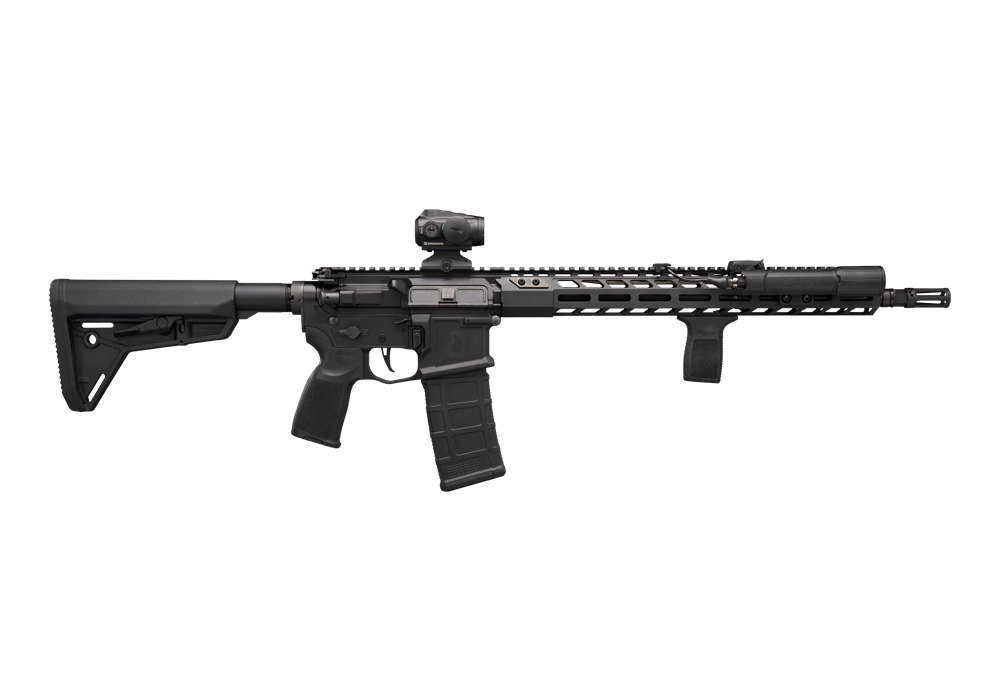
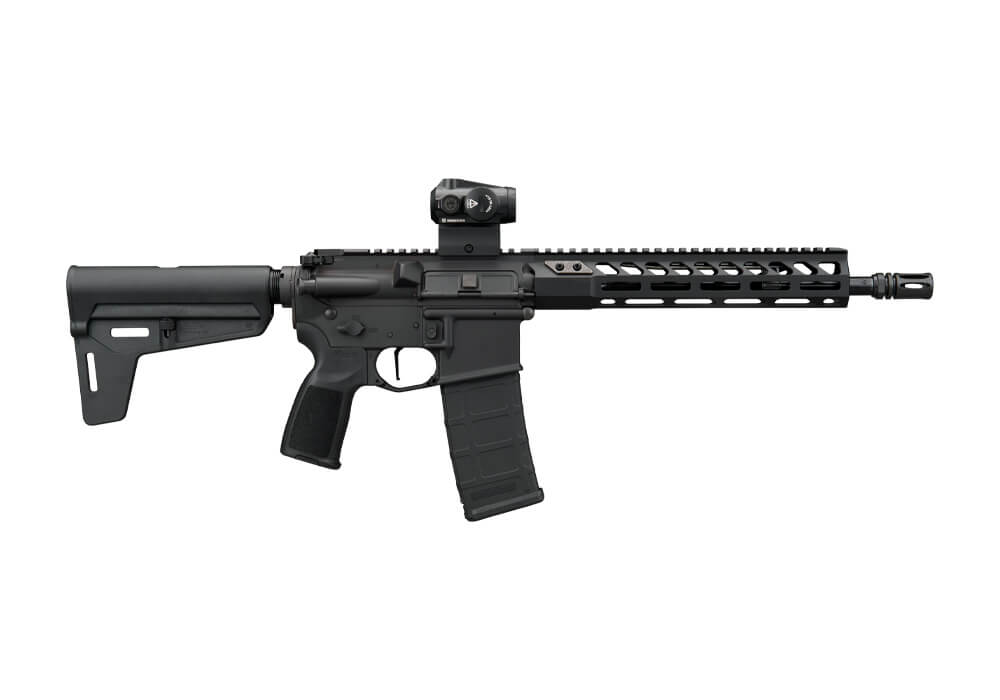
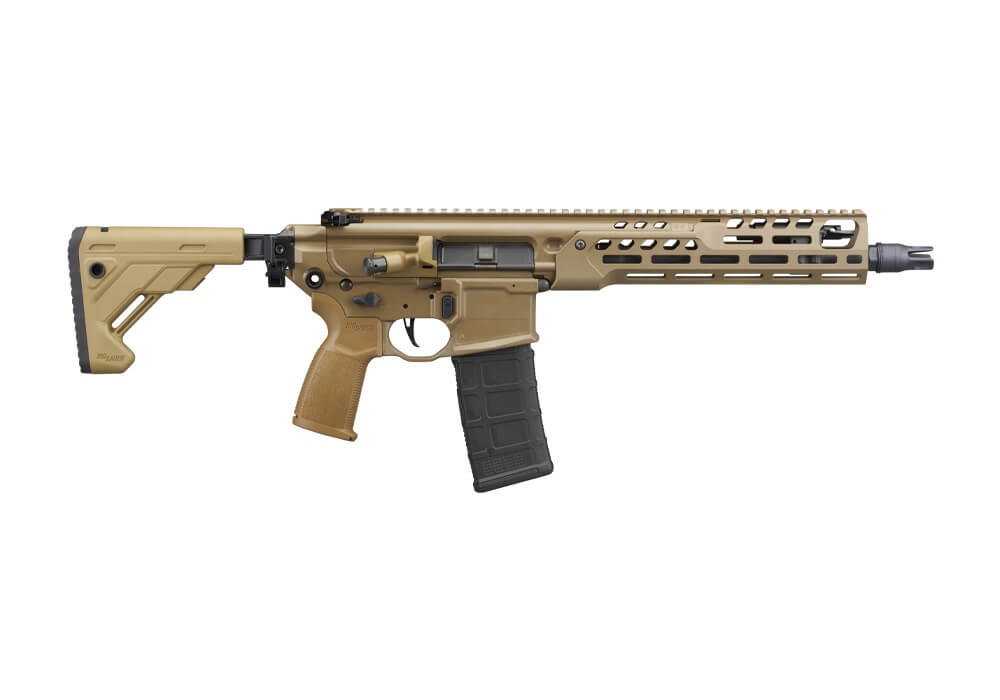
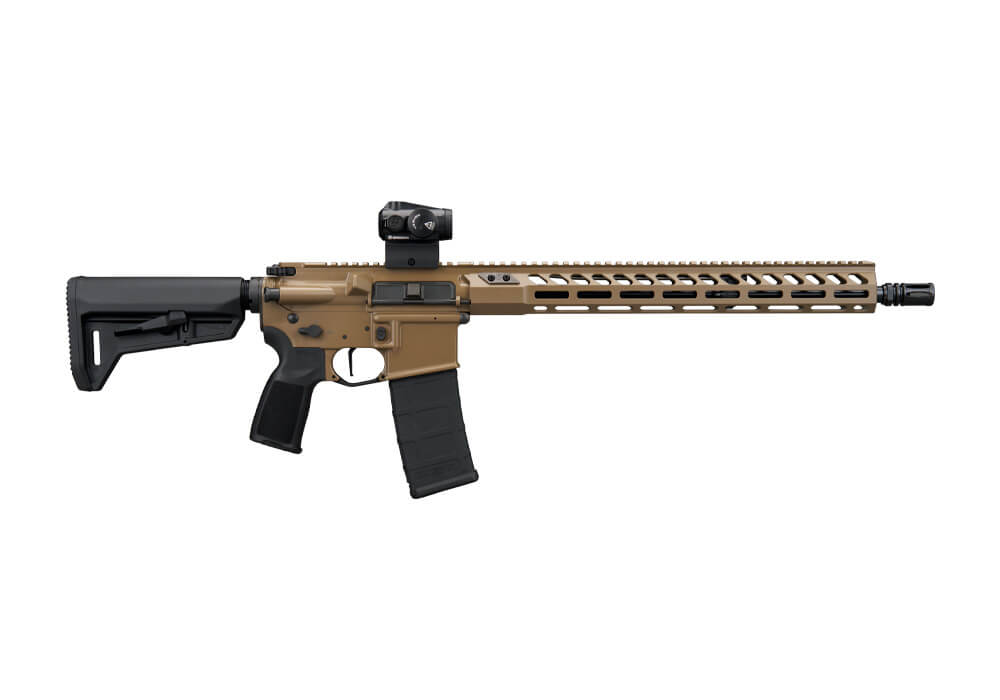
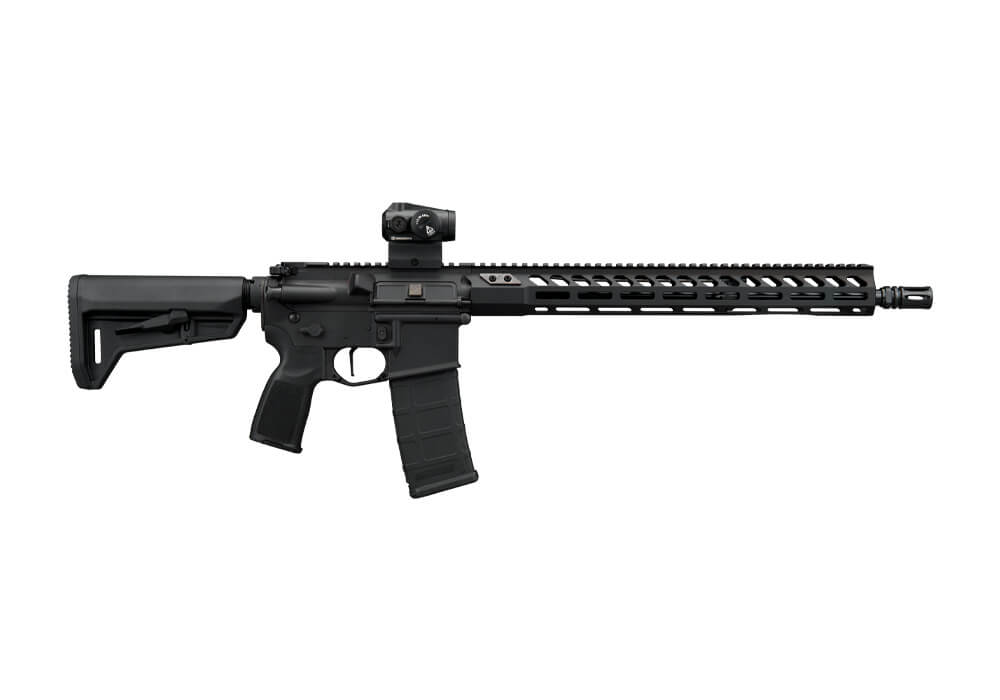
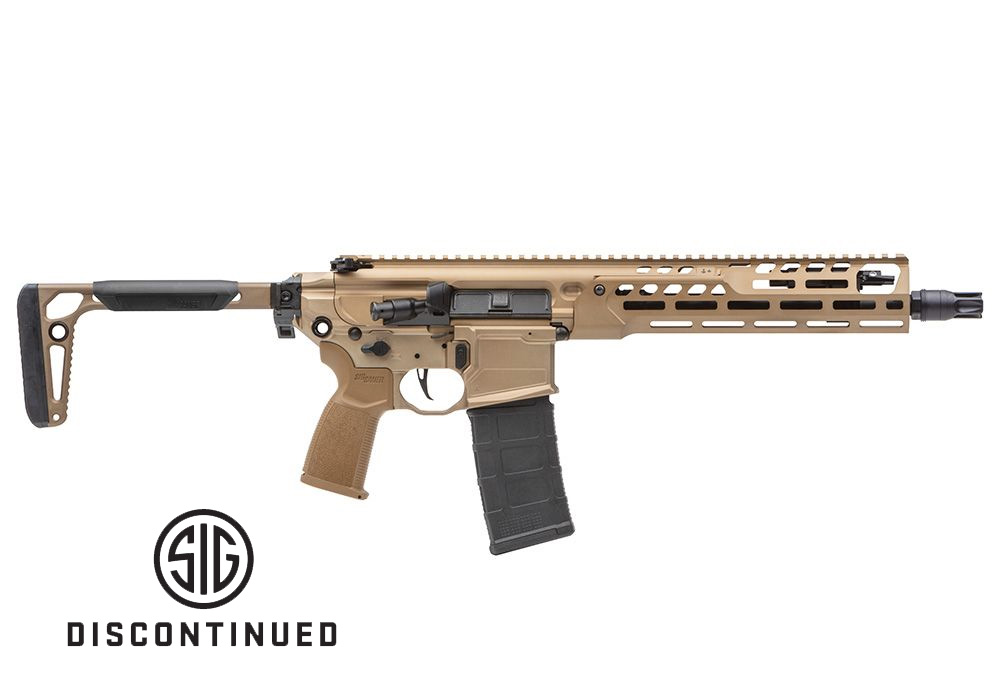
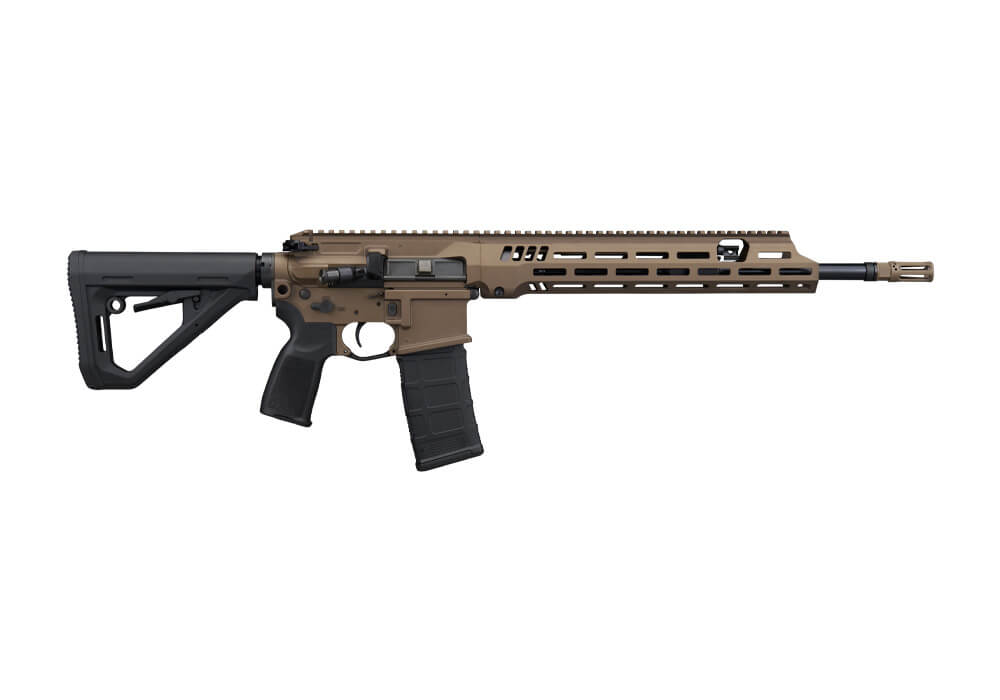
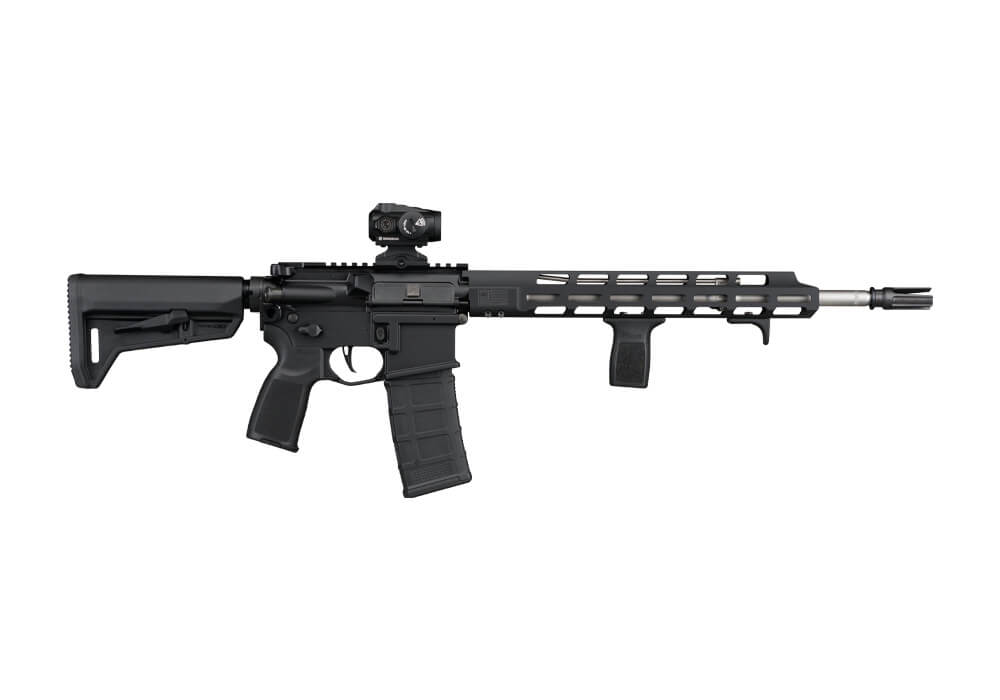
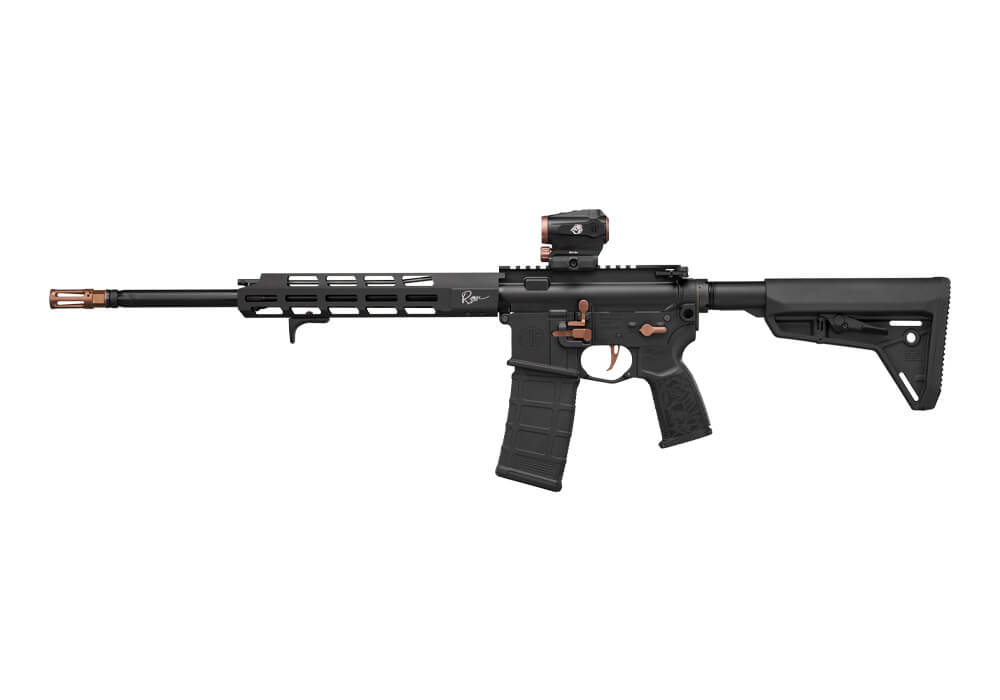
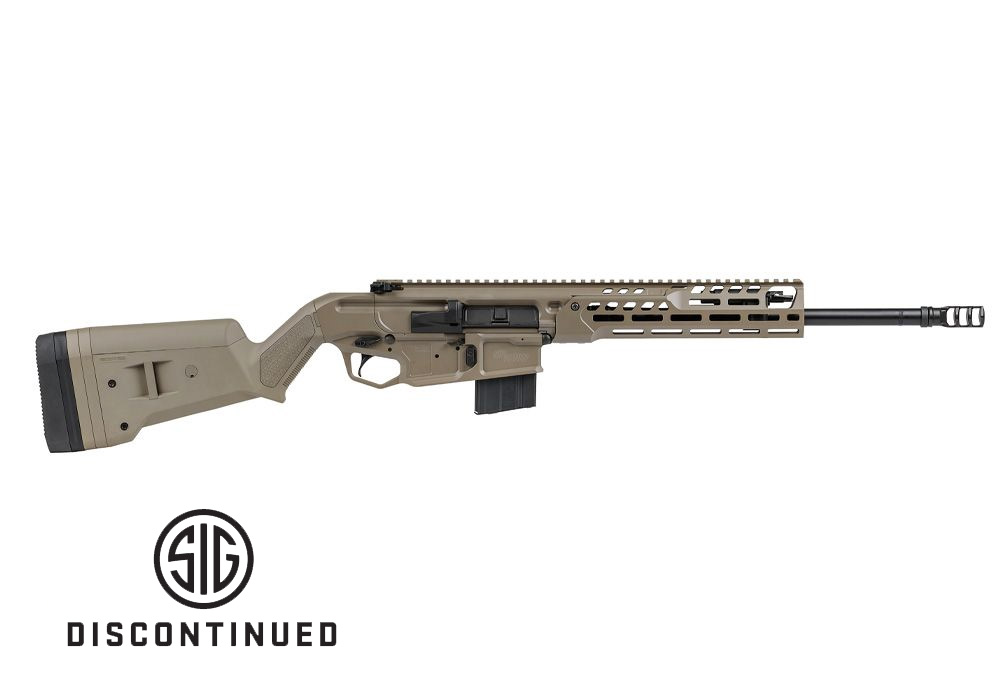
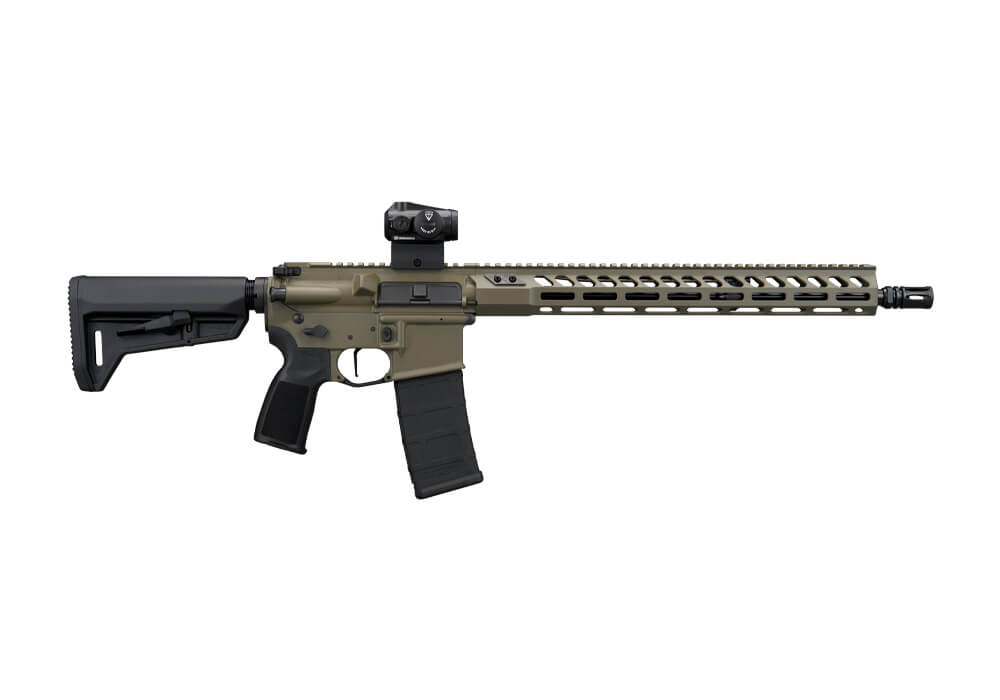
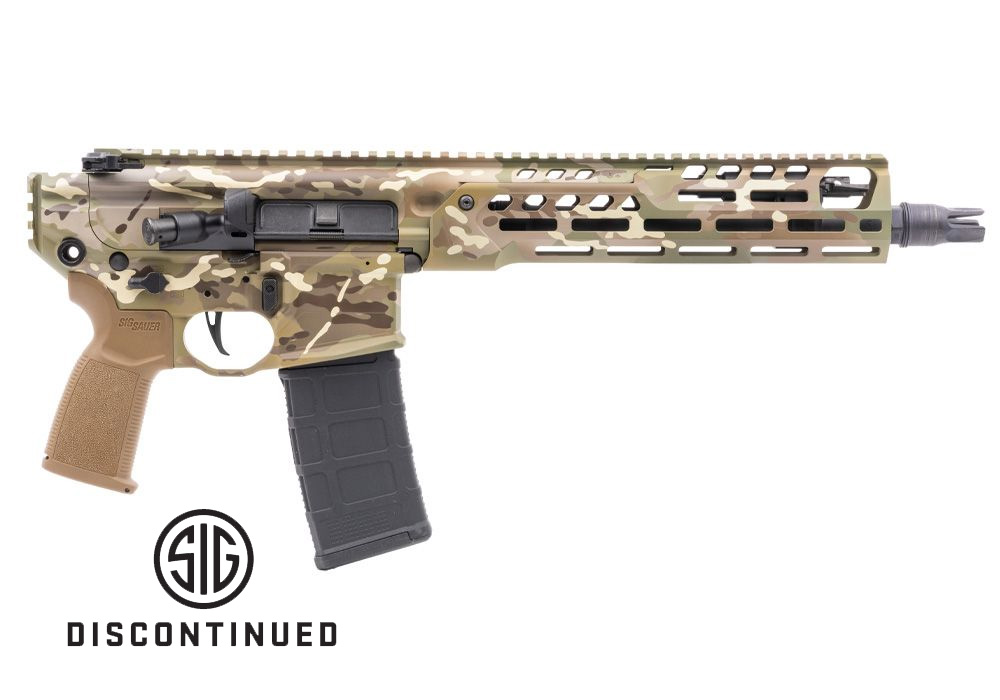
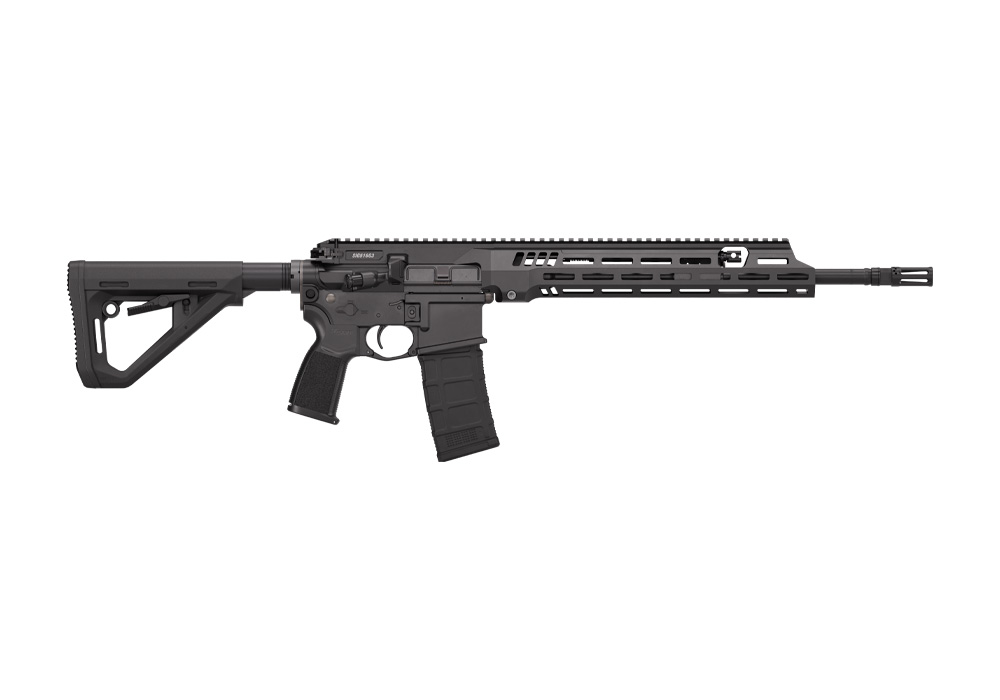
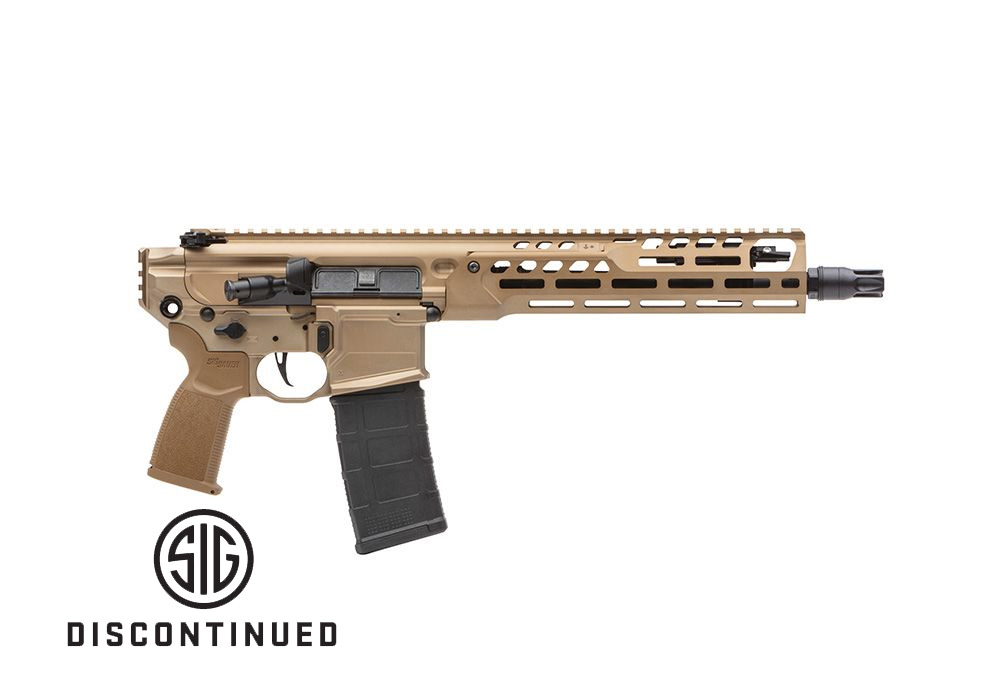
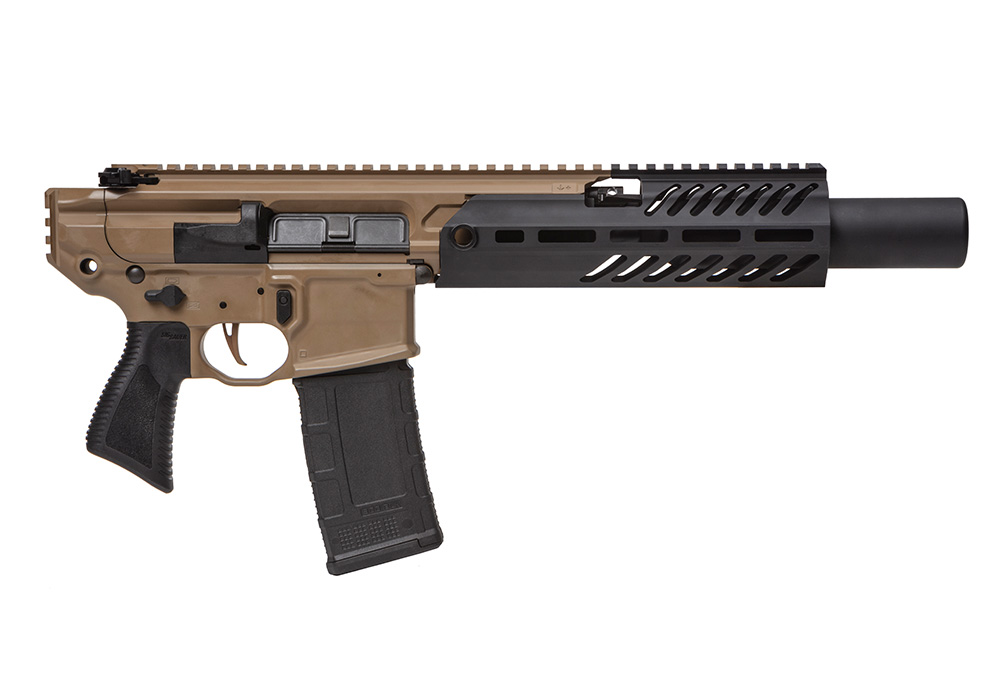
5.56 rifles for law enforcement are commonly selected as patrol rifles or carbines when an agency needs a duty platform with greater practical range, accuracy, and performance than a handgun can provide. These rifles are generally intended for trained, authorized personnel operating under departmental policy, state and federal law, and established qualification standards. A well-chosen 5.56 NATO rifle can support patrol officers, special response personnel, training units, and other approved roles where a shoulder-fired platform is appropriate. For most general patrol applications, a rifle with a standard-length barrel offers a useful balance of velocity, handling, and maneuverability around vehicles, buildings, and outdoor areas. Shorter configurations may be considered for specialized teams working in confined spaces, but they can involve different ballistic characteristics, legal requirements, registration considerations, and agency approval. Procurement teams should evaluate the complete system rather than focusing on the receiver or barrel alone. Reliability, controls, serviceability, parts support, warranty coverage, and compatibility with existing departmental equipment all influence the long-term value of a rifle program. It is also important to confirm that the selected configuration meets agency armorers’ standards and can be maintained consistently across the department. Officers should receive hands-on instruction from qualified personnel before carrying or deploying any rifle, with training that reflects local policy, safe handling procedures, storage requirements, and realistic duty responsibilities.
A modern 5.56 patrol rifle is typically chosen with its intended role and surrounding equipment in mind. A dependable optic can help an officer establish a clear sight picture quickly, especially when lighting, distance, or visual background changes. Red dot-style optics are often valued for straightforward target acquisition and use with both eyes open, while magnified or variable-power optics may be considered when an agency requires more identification capability at extended distances. A duty-rated weapon-mounted light can assist with positive target identification in low-light environments, but it should be selected and trained with carefully because illumination affects visibility, communication, and safe decision-making. A secure two-point sling helps retain the rifle while allowing the officer to move, access other equipment, or transition between tasks. Controls that are easy to operate while wearing gloves or protective equipment can make a meaningful difference during a stressful call. Departments may also compare direct-impingement and piston-operated designs, folding or fixed stocks, ambidextrous controls, handguard attachment options, and standard or extended capacity magazines according to policy and mission requirements. Ammunition selection deserves the same attention as the rifle itself. Duty loads should be selected by the agency in accordance with applicable regulations, testing protocols, and a clear understanding of performance expectations. Training ammunition and duty ammunition should be distinguished, and officers should confirm that their rifle cycles reliably with the approved load. Agencies may also need to document lot tracking, inspection intervals, storage conditions, and replacement schedules so equipment remains consistent from one qualification cycle to the next. The 5.56 NATO Rifles for Tactical Patrol collection provides a useful place to compare configurations intended for professional patrol applications.
When purchasing 5.56 rifles for law enforcement, the most successful approach is usually a complete equipment plan rather than an isolated product decision. Begin by defining the rifle’s approved users, expected operating environments, transportation method, storage practices, and training schedule. A vehicle patrol rifle may need to be compact enough for secure access without interfering with other equipment, while a rifle assigned to a specialized unit may be configured around protective gear, night operations, or a broader range of distances. Weight matters as well: a rifle that feels manageable during a short qualification course may become tiring during a long shift, particularly when combined with an optic, light, sling, and other accessories. Balance, stock adjustment, grip comfort, and control placement are personal factors that should be assessed by the intended user whenever department policy allows. Armorers should look for straightforward field maintenance, robust finishes, accessible replacement parts, and clear inspection procedures. Agencies should also establish rules for loading, unloading, transport, locked storage, cleaning, lubrication, optics confirmation, and documentation after use. Seasonal changes can influence practical preparation; cooler months may bring rain, condensation, mud, and heavier clothing, while changing daylight conditions can make illumination and optic selection more noticeable in daily use. Regular practice in approved environments helps officers build safe, consistent habits without treating the rifle as a substitute for sound judgment. These firearms are not general-purpose gifts and should not be purchased for informal use by untrained recipients. They are specialized tools for authorized professionals, with every component—from the barrel and sighting system to the sling and ammunition—best selected around documented policy, qualified instruction, and responsible departmental oversight.