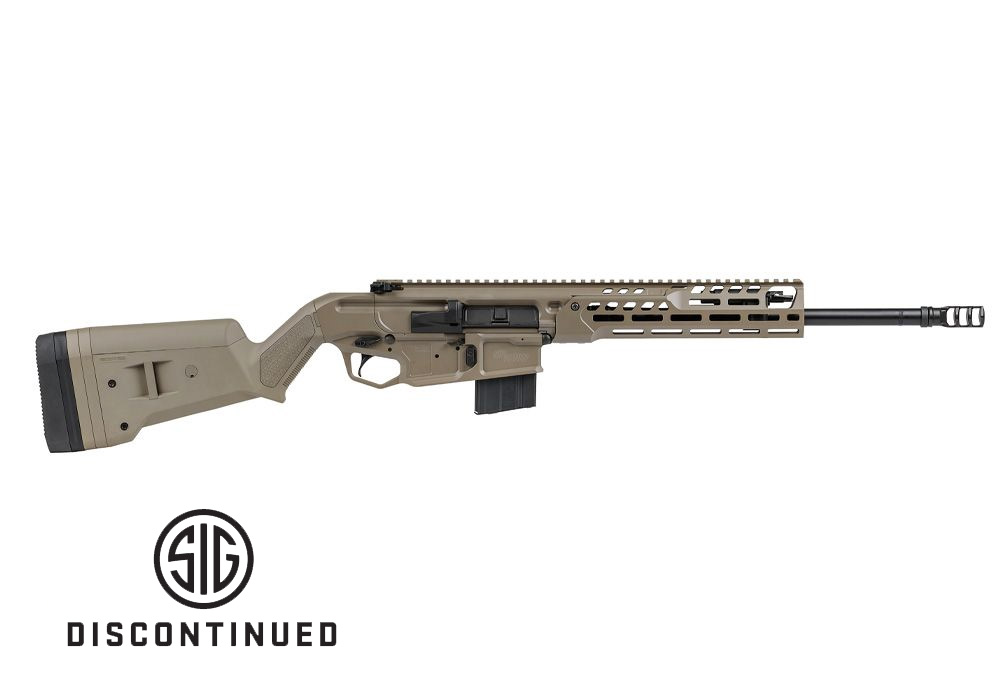
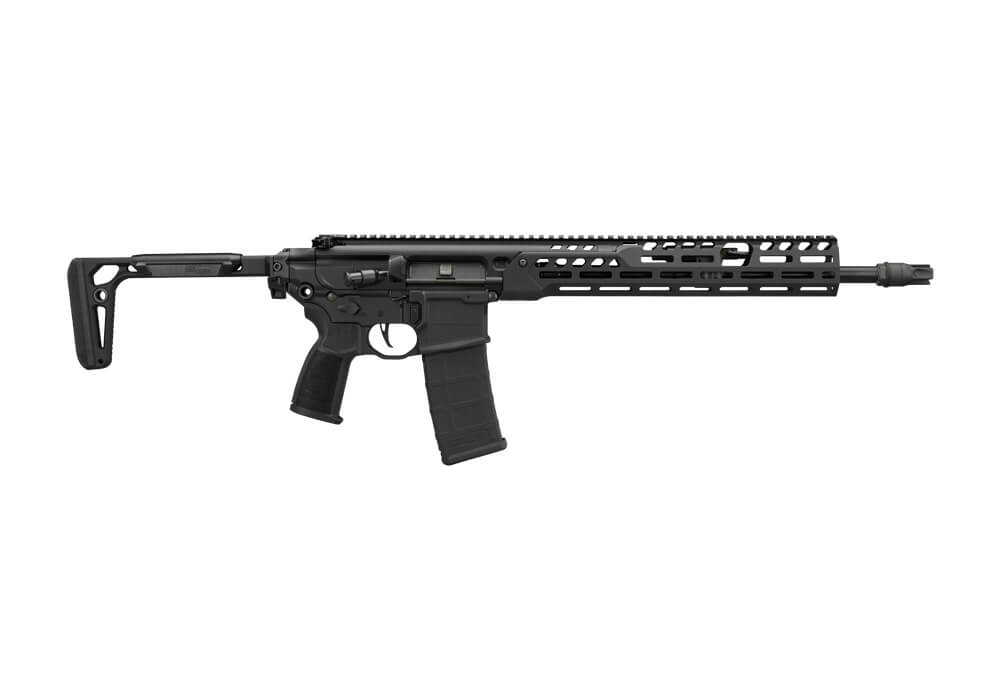
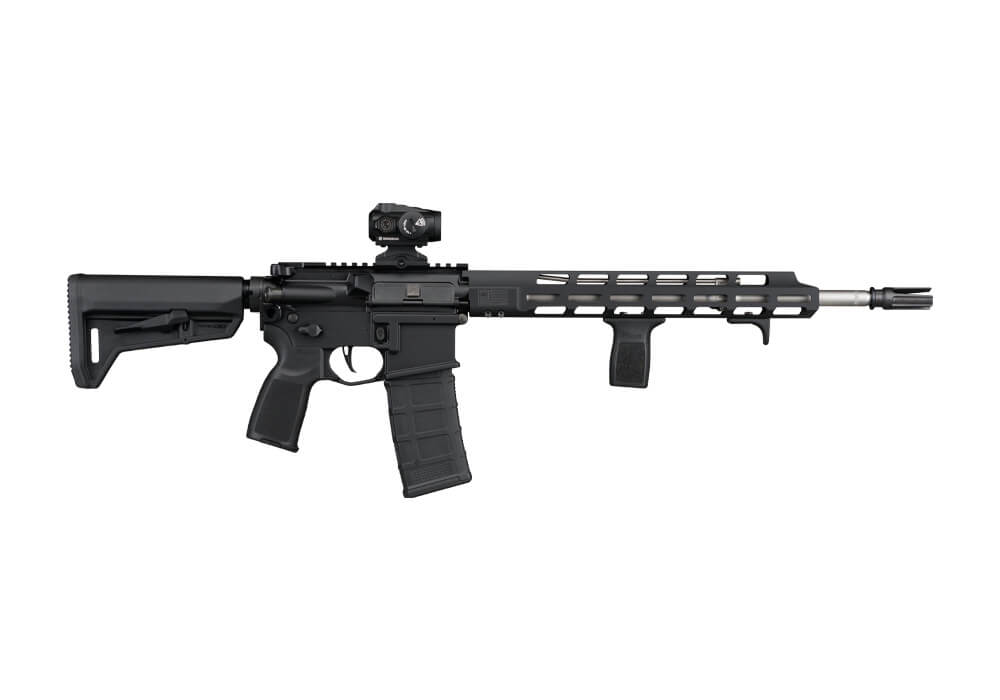
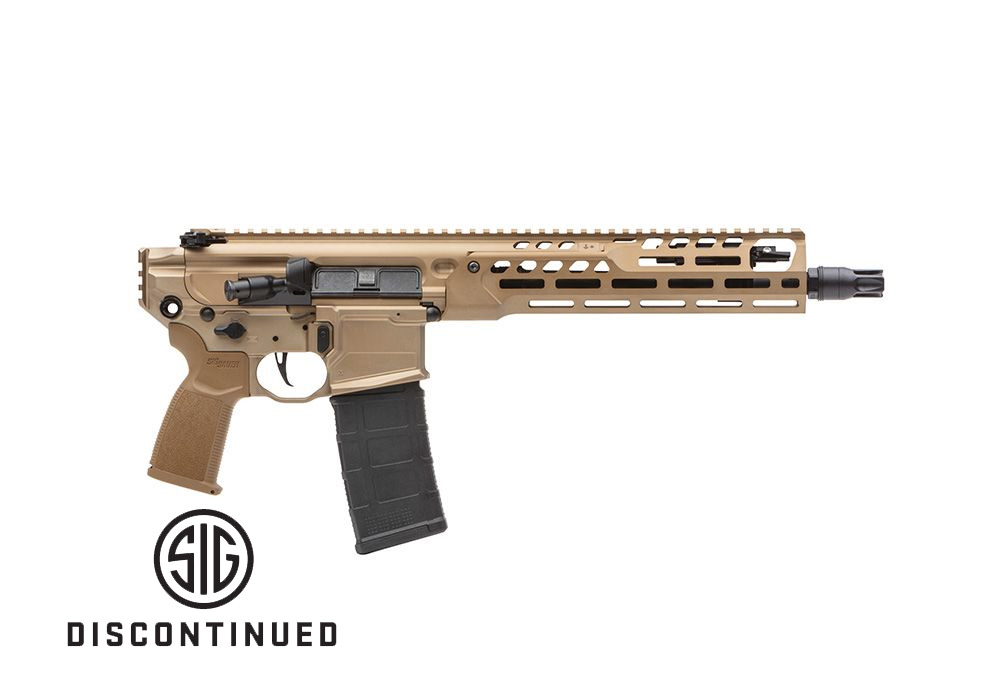
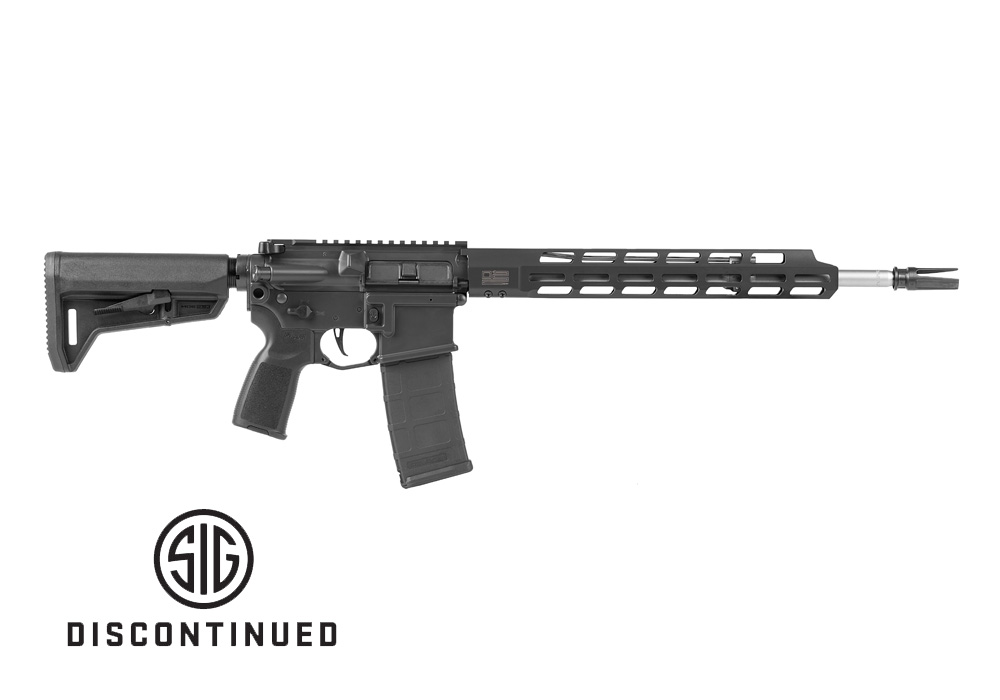
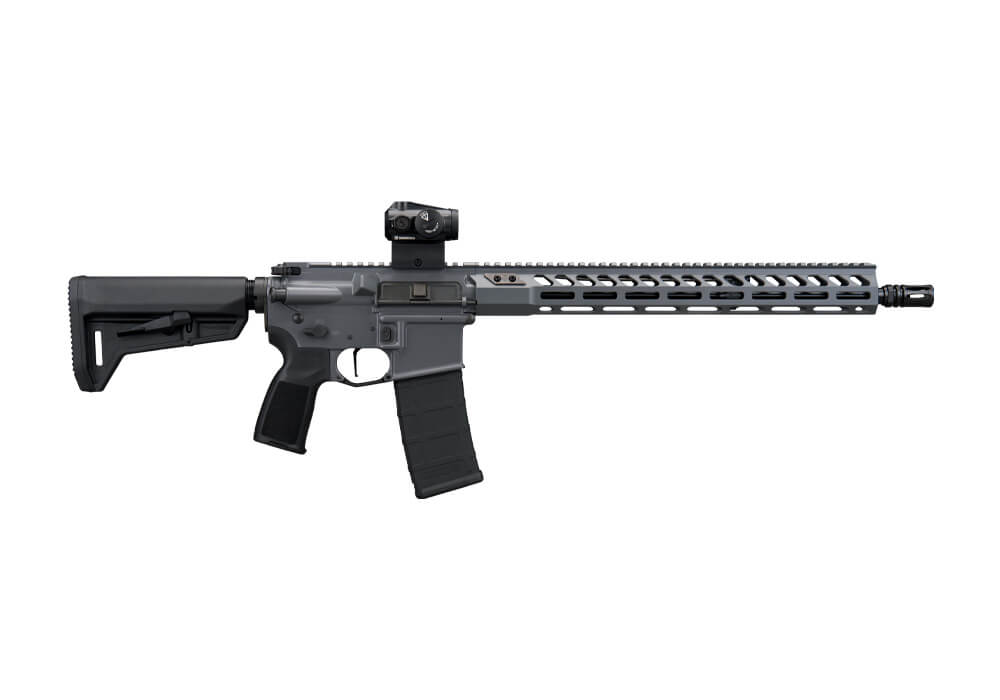
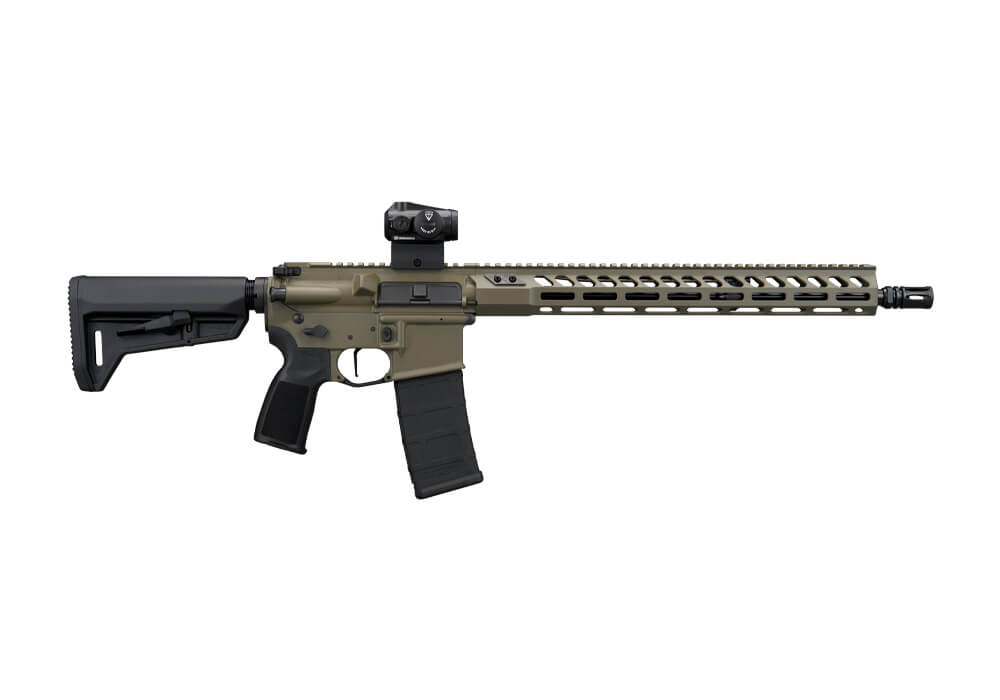
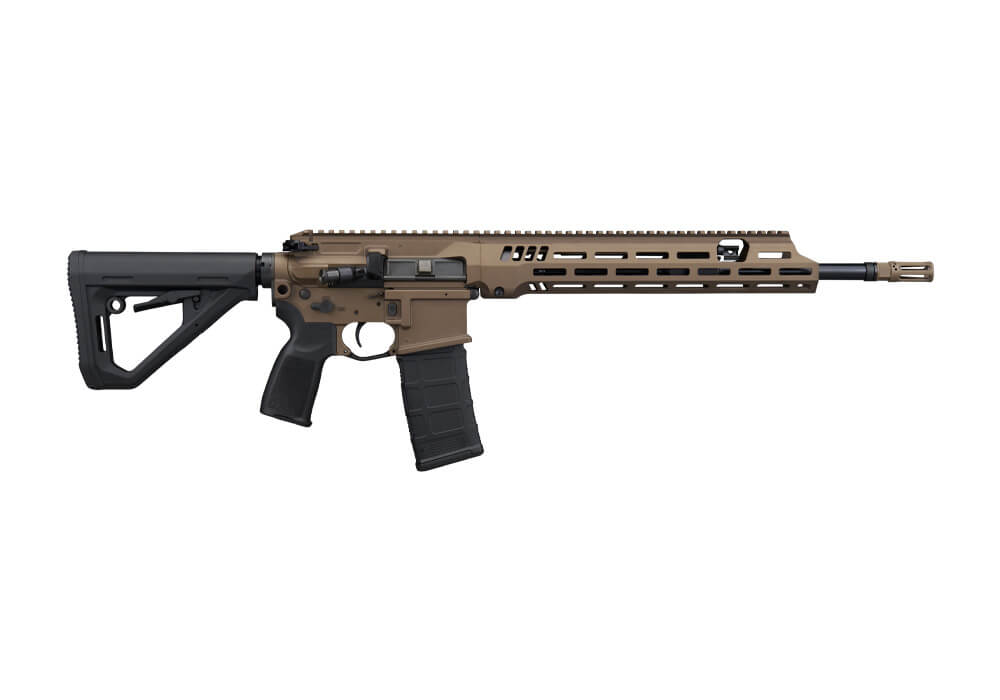
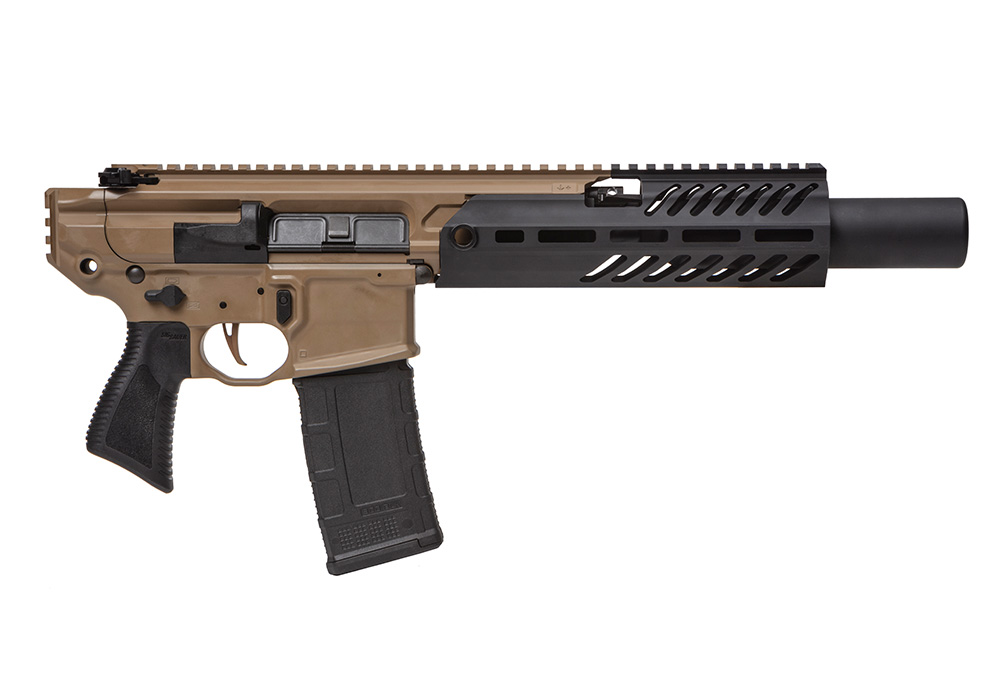
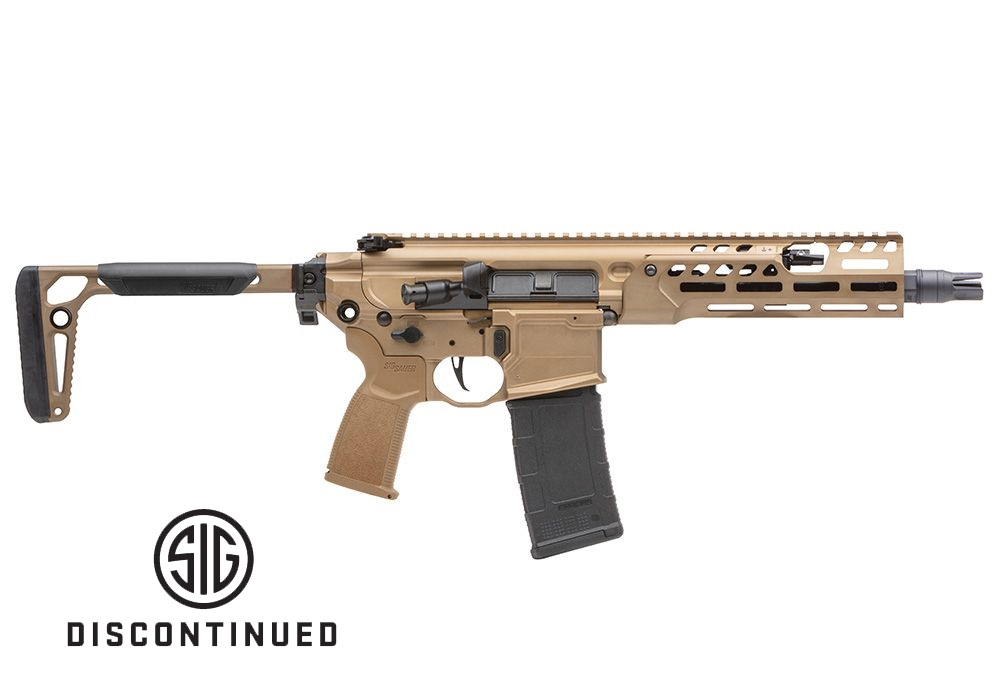
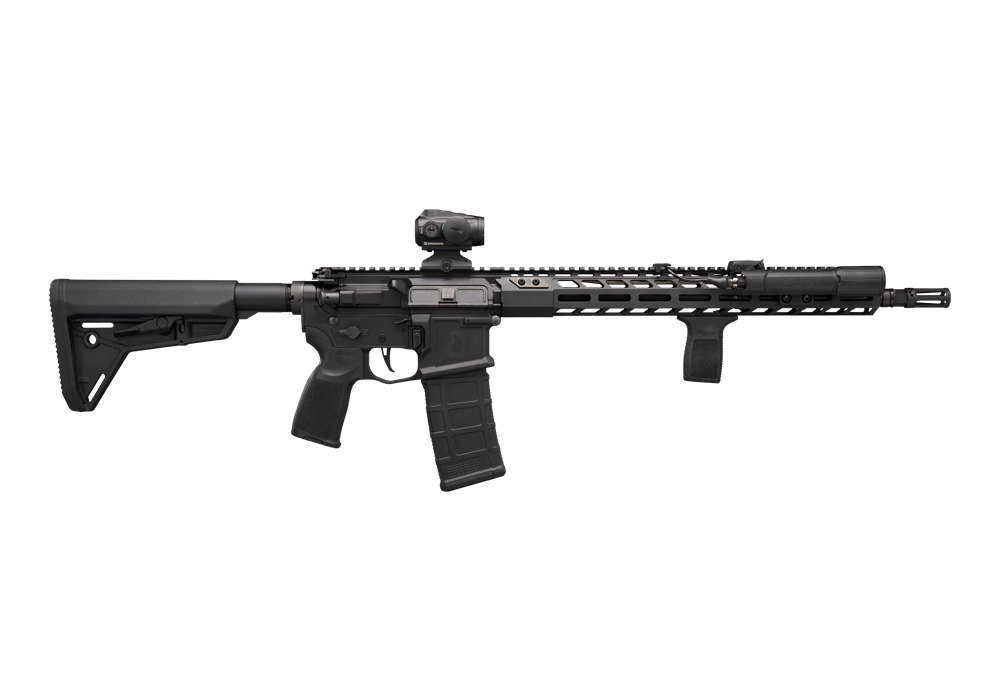
Law enforcement SBR rifles chambered in 5.56x45mm NATO are designed for authorized personnel who need a compact rifle platform that remains familiar, controllable, and capable across demanding duty environments. A Short-Barreled Rifle is generally defined by a rifled barrel shorter than 16 inches or an overall length below the applicable federal threshold, placing these firearms under National Firearms Act requirements. In many duty configurations, 10.5- to 11.5-inch barrels are selected to reduce the rifle’s overall footprint while preserving much of the handling and ballistic performance associated with the 5.56 cartridge. That compact profile can be valuable when a rifle must be carried in a vehicle, moved through narrow corridors, or kept ready while navigating doorways, stairwells, and other confined architectural spaces. The shorter barrel can make transitions around obstacles feel more natural, particularly when an officer is working around a partner, medical equipment, shields, or other gear. At the same time, a compact 5.56 rifle is still a serious regulated firearm, not a casual purchase or general-purpose gift. These products are intended for qualified law enforcement agencies, approved professionals, and other users who can satisfy all applicable federal, state, and local requirements. Department authorization, agency policy, storage procedures, records management, and documented training should all be addressed before selecting a duty SBR. Buyers should also confirm whether the intended configuration, stock arrangement, barrel length, muzzle device, and accessories comply with the agency’s standard operating procedures and the laws governing the jurisdiction where the rifle will be possessed and used.
When comparing Law Enforcement SBR Rifles 5.56, barrel length is an important starting point, but it should be considered alongside ammunition selection, duty role, training environment, and accessory requirements. An 11.5-inch barrel is often viewed as a practical balance for agencies seeking a compact rifle that retains useful 5.56 velocity at common engagement distances, while shorter barrels may offer additional maneuverability with greater tradeoffs in muzzle blast, flash, and velocity. As the barrel becomes shorter, the report can feel sharper and the blast more noticeable, especially around hard surfaces such as concrete hallways, vehicle interiors, and enclosed structures. Hearing protection remains essential during training, and agencies should account for the way a selected configuration performs with the ammunition approved for duty use. A rifle’s controls should be intuitive to personnel already trained on the AR-15 or M4 manual of arms, including the location and feel of the safety selector, magazine release, bolt catch, charging handle, and stock controls. Fit and balance matter as well. A compact rifle that feels lively without being difficult to control may be easier to carry during a long shift, while a heavier setup with lights, optics, lasers, backup sights, and other equipment can change how the firearm handles. Buyers should evaluate sling attachment points, stock adjustment, handguard space, optic height, muzzle-device compatibility, and the availability of agency-approved magazines in standard or extended capacity. For agencies reviewing options during the cooler months, a live-fire evaluation in the uniforms, gloves, body armor, and vehicles used on duty can reveal practical details that are easy to miss during a bench inspection. A rifle should support consistent operation by the full group of authorized users rather than feeling tailored only to one individual.
The right selection process also includes a careful look at maintenance, support, and long-term accountability. Duty rifles may be exposed to dust, rain, temperature swings, vehicle vibration, and frequent handling, so agencies should establish inspection intervals and confirm that replacement parts, magazines, slings, optics, and other approved components can be sourced through dependable channels. Familiarity with the 5.56 platform can reduce the learning curve for qualified personnel, but it does not replace role-specific instruction, supervised practice, or periodic qualification. Training should cover safe handling, loading and unloading, malfunction clearance, low-light equipment, vehicle deployment, and the effects of a short barrel’s increased blast and flash. Suppressor use, where lawful and authorized, requires its own compatibility review, policy approval, maintenance plan, and training considerations; adding a suppressor also changes the rifle’s length, balance, and handling characteristics. Agencies should retain complete documentation for the firearm and any regulated configuration, and individual purchasers should consult the Bureau of Alcohol, Tobacco, Firearms and Explosives, their state authorities, and qualified legal professionals for current NFA guidance. The compact format can be especially useful for patrol teams, tactical units, corrections personnel, and other authorized professionals whose duties may involve vehicles or restricted interior spaces, but the intended mission should always guide the final configuration. For agencies comparing a familiar, compact setup with enough barrel length for balanced 5.56 performance, the selection of 11.5 In Barrel SBR Rifles can provide a focused place to review available configurations. Thoughtful selection, proper registration, disciplined storage, and recurring training help ensure that a law enforcement SBR remains a dependable part of an agency’s broader equipment program.
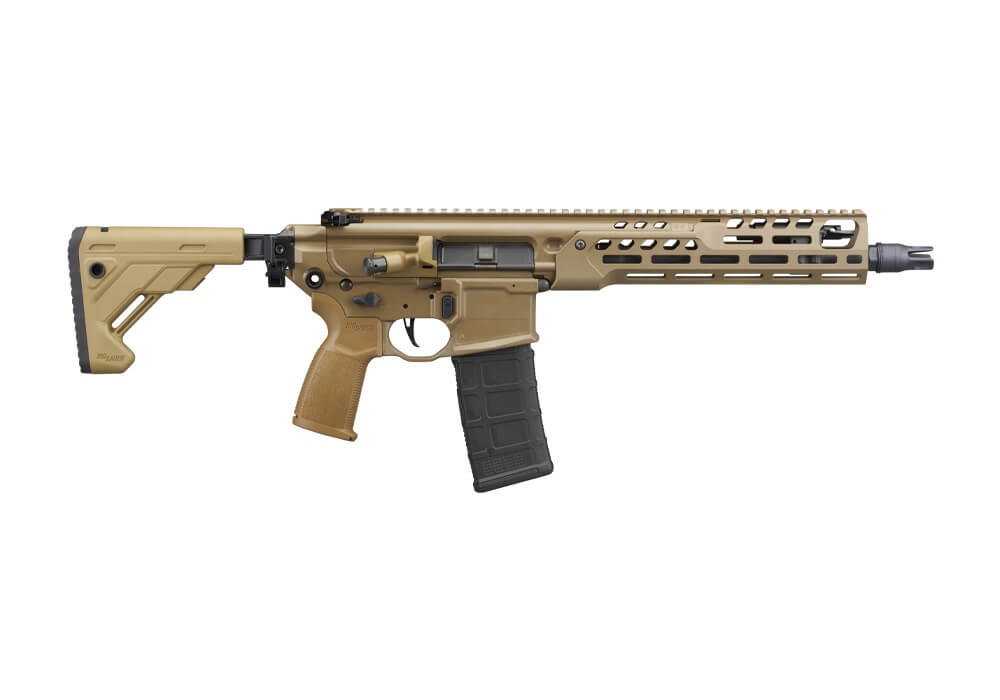

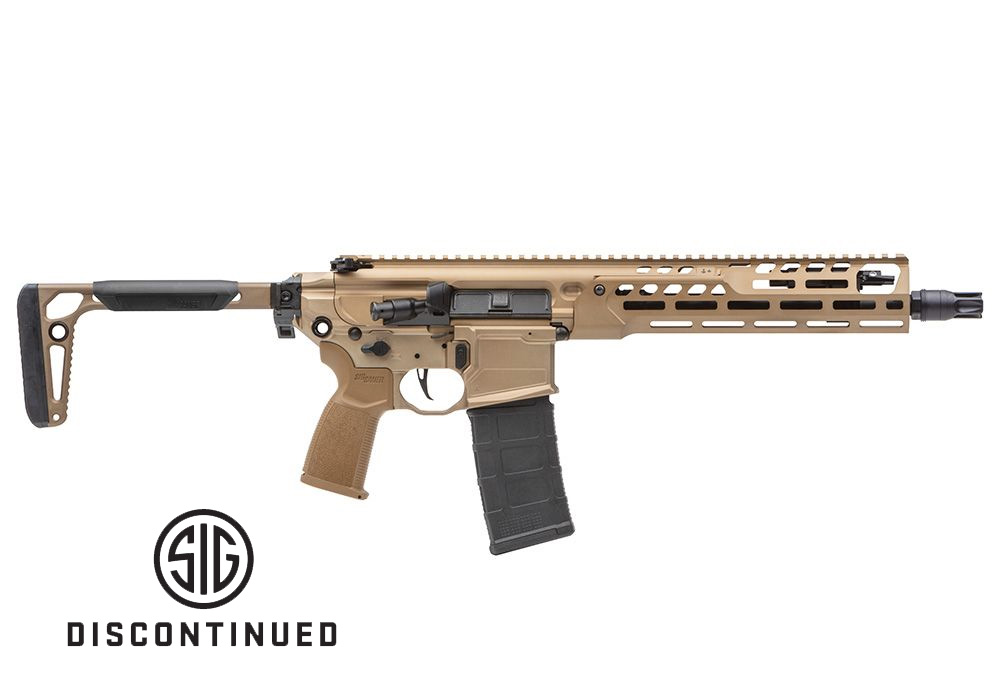

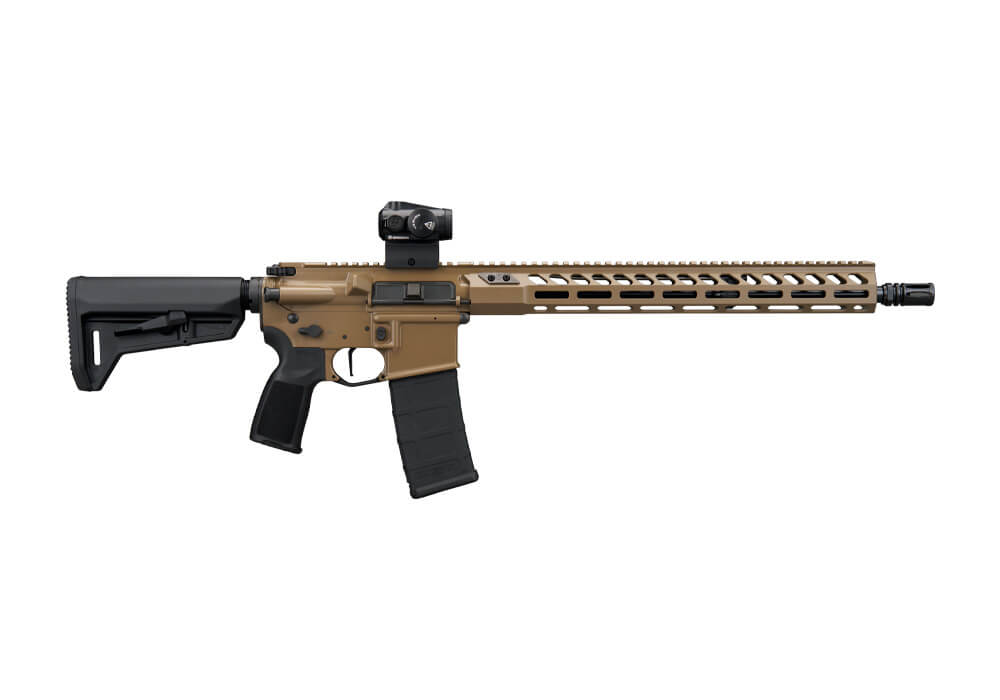
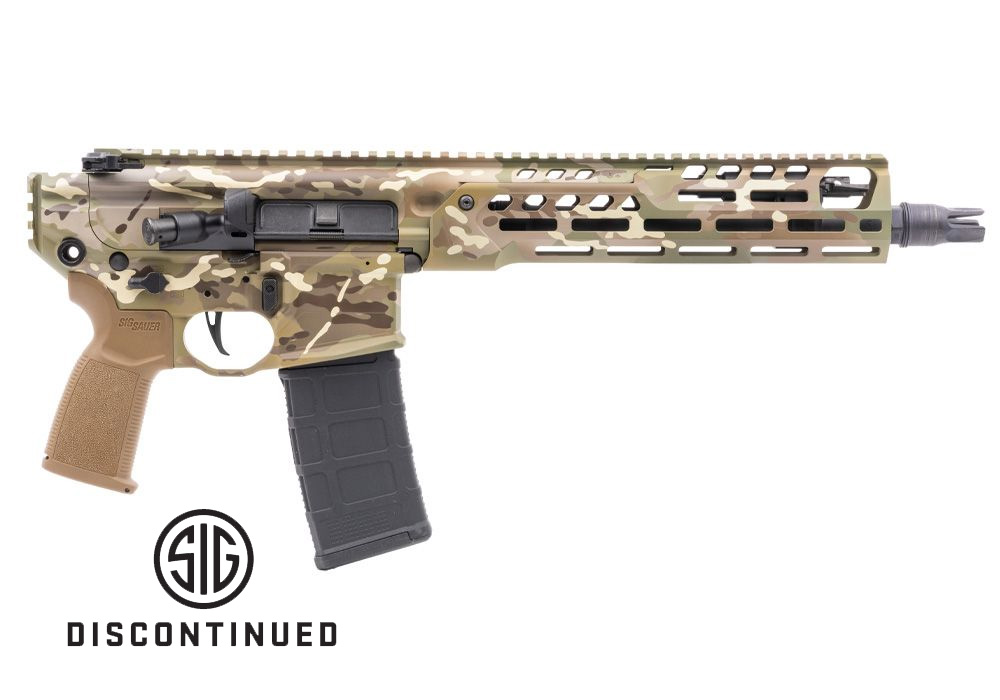
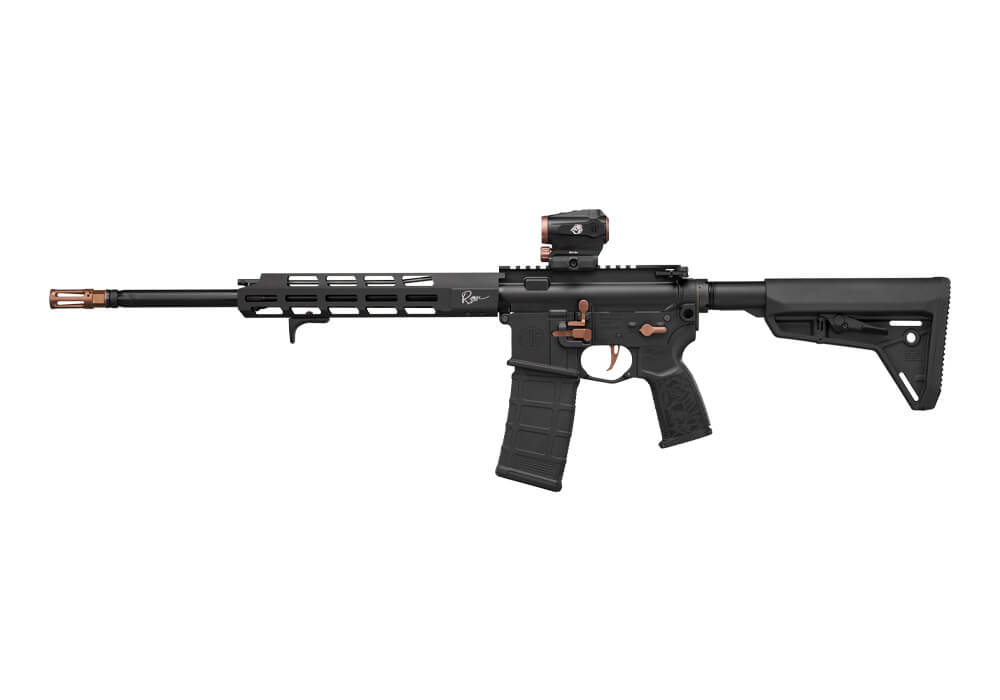

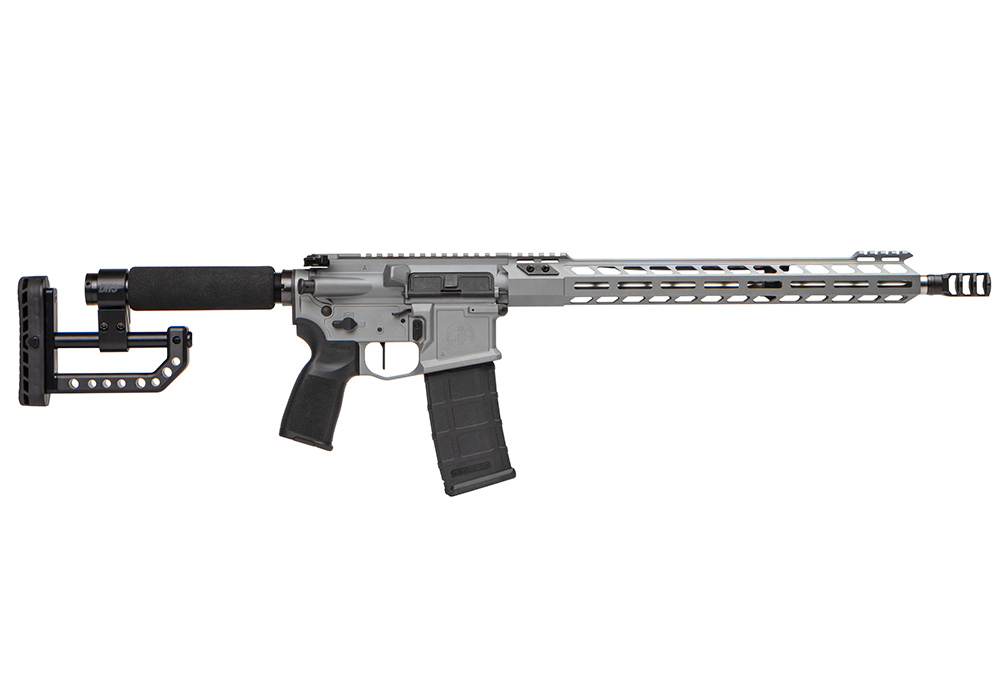
![[["SIGM400, 5.56 NATO, RIFLE, 16IN, PRO, FDE, SEMI, FOLD SIGHTS, TELE STOCK, AL"," MLOK HG, (1) 30RD MAG"]]](http://www.sigsauer.com/media/catalog/product/1/_/1_1.jpg)