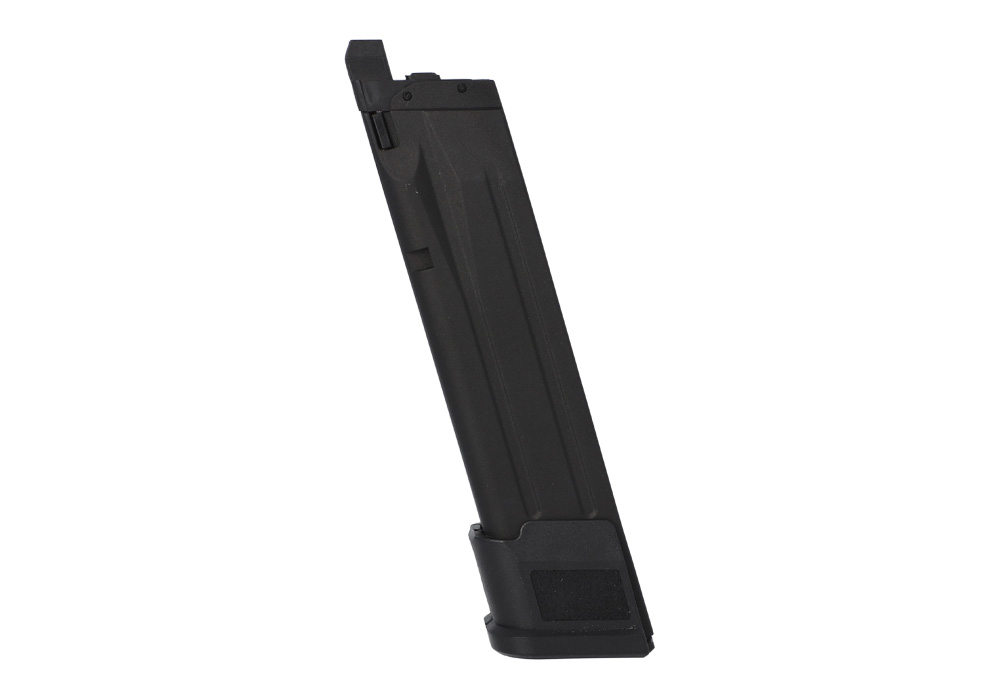
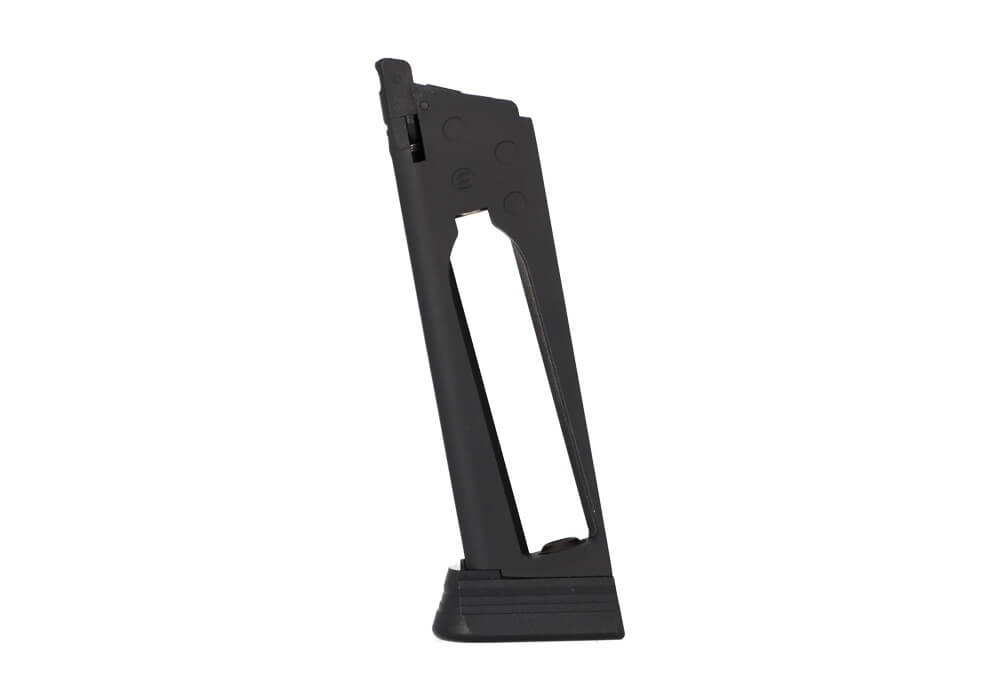
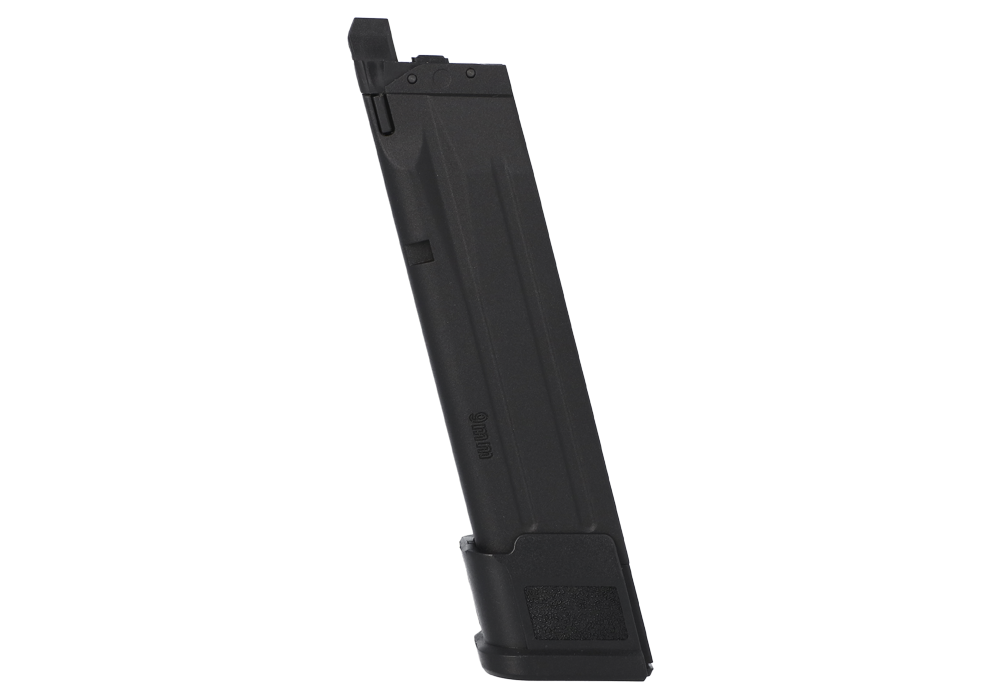
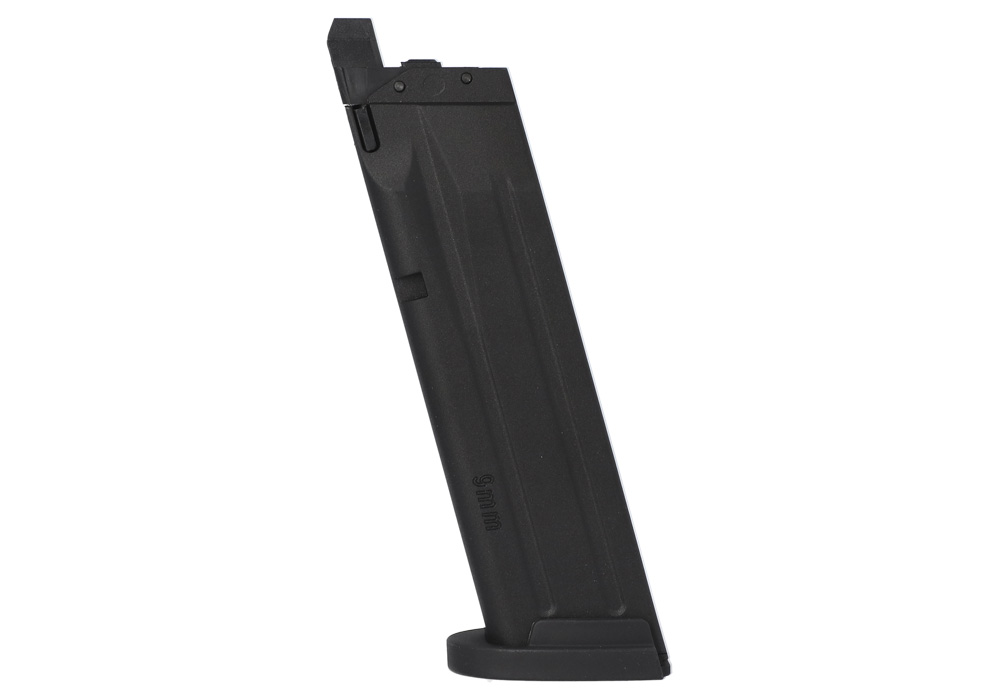
6mm magazines are designed for particular 6mm cartridges and firearm platforms, not for every rifle with a 6mm bore. The “6mm” designation describes bullet diameter; it does not establish a shared magazine shape, cartridge length, or rifle interface. A magazine for 6mm ARC, short for Advanced Rifle Cartridge, is not interchangeable with one intended for 6mm Creedmoor simply because both cartridges use the same nominal bullet diameter. For a 6mm ARC rifle with an AR-15 magazine well, the appropriate starting point is a magazine explicitly specified for that cartridge and platform. Standard 5.56 magazines should not be assumed to feed 6mm ARC reliably, because differences in cartridge geometry affect how rounds sit and move inside the magazine. Bolt-action rifles present a separate compatibility question: some use an AICS-pattern detachable magazine system, while others require a manufacturer-specific design. Even within a familiar magazine pattern, cartridge compatibility and the rifle’s magazine-well requirements still matter. Matching the cartridge marking, firearm model, and manufacturer’s compatibility information is more dependable than judging by exterior appearance. That distinction is especially useful for owners who keep several rifles in similar-looking cases or organize magazines together on a range bench. Two magazines can look nearly identical while having different internal geometry, followers, or feed-lip profiles. Those features help position cartridges for presentation to the rifle’s action, so a close visual resemblance is not proof of a suitable match. For households or range kits that also include rifles chambered in 5.56, 5.56 Magazines belong to a separate selection process based on that firearm’s requirements. Clear labeling and separate storage compartments can help keep the categories distinct. The most useful way to compare 6mm magazines is therefore cartridge first, rifle interface second, and physical configuration third. That approach keeps attention on documented fit rather than broad labels such as “rifle magazine,” “AR-compatible,” or “short-action,” none of which establishes full compatibility on its own.
Materials and construction influence how a magazine feels, wears, and stands up to repeated handling, but no single material guarantees better performance in every application. Depending on the design, magazine bodies may use steel, aluminum, polymer, or a combination of materials. Steel can provide a rigid body and sturdy feed-lip structure, while aluminum can reduce weight; polymer designs can offer low weight, textured gripping surfaces, and resistance to corrosion in the body itself. Overall construction matters as much as the material name. Body geometry, seams, surface finish, follower design, and spring quality all contribute to the magazine’s function and service life. A smooth exterior may slide easily into a pouch, while pronounced texture may feel more secure in the hand. Neither characteristic substitutes for correct fit. Exterior dimensions deserve attention, particularly when a rifle is used from a bench, a supported field position, or a tightly organized range bag. A shorter magazine may offer more clearance beneath the rifle, while a longer body occupies more space and may contact a shooting rest or nearby equipment. The number of cartridges a magazine holds should be considered alongside those practical dimensions and any applicable legal restrictions. Product specifications are a better reference than photographs, which can make different body lengths look deceptively similar. Finish quality also has a practical role: protective coatings can help limit surface wear and corrosion on metal components, although they do not eliminate the need for care. Routine inspection should focus on visible damage, distorted feed lips, cracks, unusual corrosion, and excessive wear. Cleaning and lubrication should follow the magazine manufacturer’s directions rather than a general assumption that every design benefits from the same treatment. Grit, loose fibers, and residue can collect inside range bags and pouches, making clean storage part of sensible magazine care. A magazine that shows damage or persistent functional problems warrants evaluation by the manufacturer or a qualified professional rather than improvised reshaping or alteration.
Intended use helps narrow the choice among compatible 6mm magazines without turning the decision into a contest over size or appearance. A recreational target shooter may value straightforward identification, manageable weight, and a body length that works comfortably with a bench setup. A precision competitor may pay closer attention to magazine clearance around support equipment and consistency across several compatible magazines. A hunter may prioritize a compact profile, secure fit, and compatibility with the rifle’s carrying arrangement, subject to the rules that apply to the location and activity. In each case, the magazine is one part of a complete firearm system, and its specifications need to agree with the rifle and ammunition requirements. A familiar magazine pattern or a preferred body material cannot resolve a mismatch elsewhere. The same practical thinking applies when choosing a magazine as a gift for an experienced shooter: exact cartridge and firearm information are essential, and guessing from a photograph or a general description such as “a 6mm rifle” leaves too much unresolved. For owners maintaining several compatible magazines, simple exterior identification can help track which magazine belongs with which rifle and make recurring wear easier to recognize. Storage should keep magazines protected from unnecessary impact, moisture, and loose debris, with firearms, ammunition, and related equipment secured against unauthorized access. Manufacturer guidance remains the reference for long-term storage and inspection, since springs, followers, finishes, and body materials differ among designs. Before a magazine becomes part of a regular range or field setup, confirming its suitability through the firearm and magazine manufacturers’ information helps establish a sound baseline. Over time, attentive care and periodic inspection matter more than cosmetic uniformity. A suitable 6mm magazine combines documented cartridge compatibility, the correct rifle interface, practical dimensions, and construction appropriate to its intended use. Those are the details that support an organized equipment setup and a more informed choice, whether the magazine is intended for occasional target practice, regular competition, or lawful hunting.