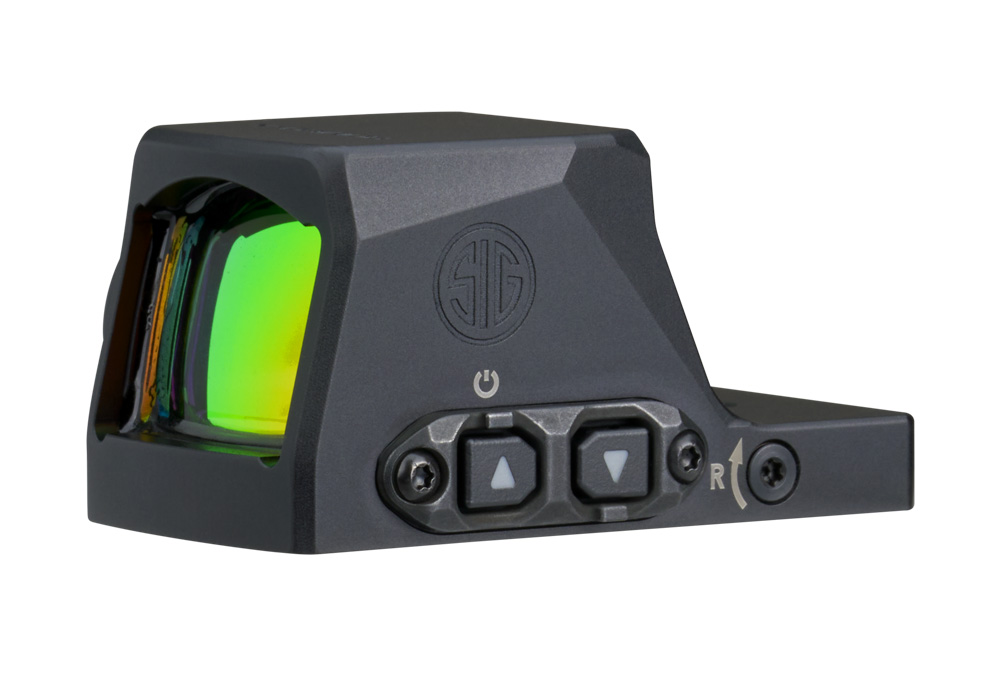
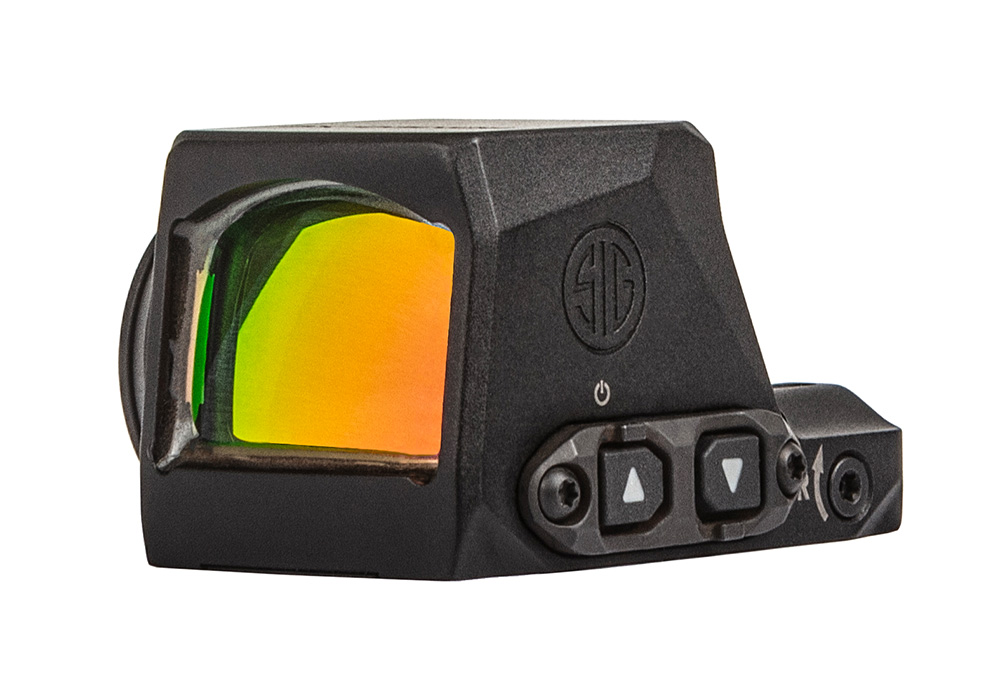
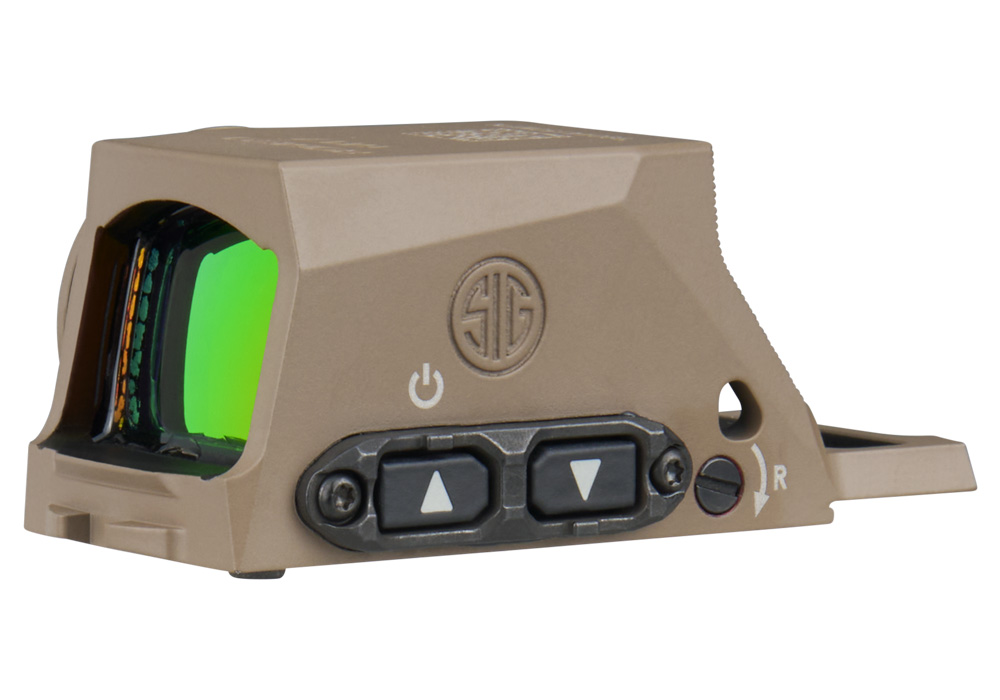
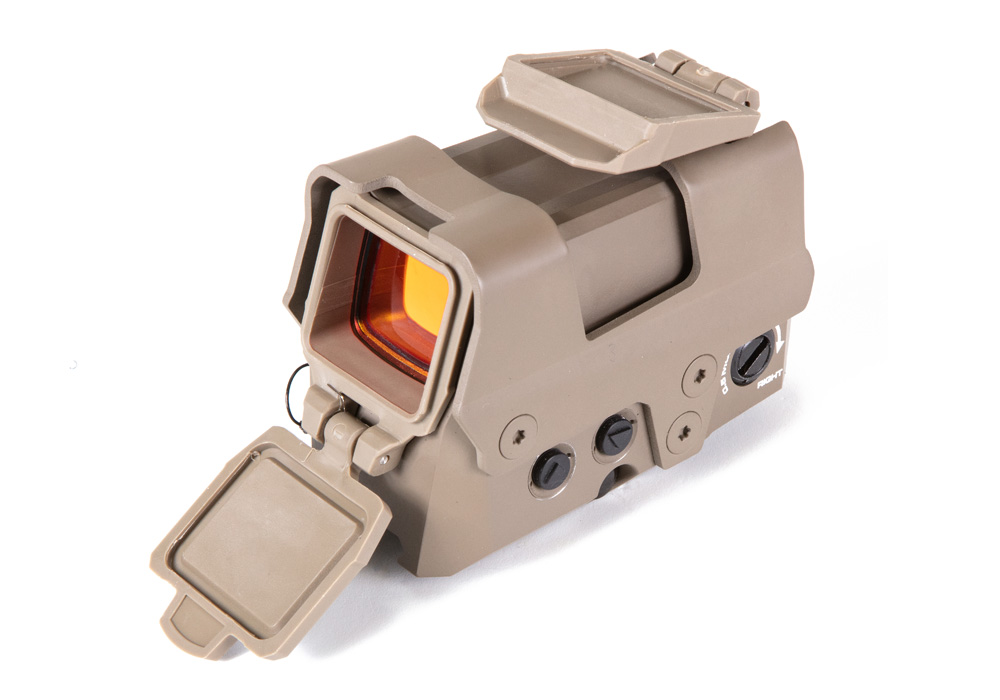
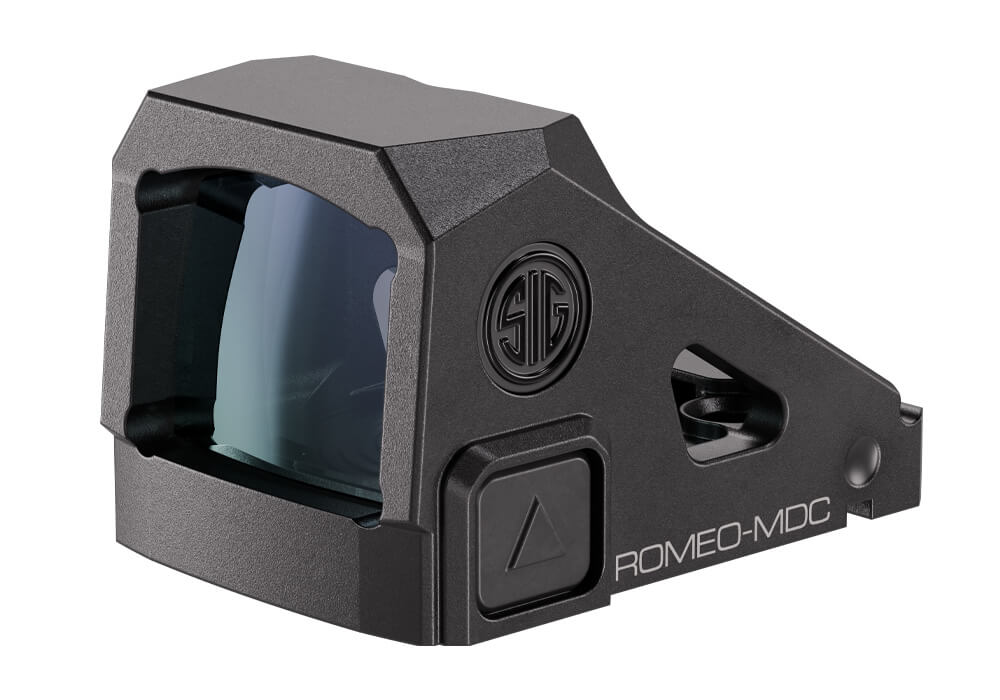
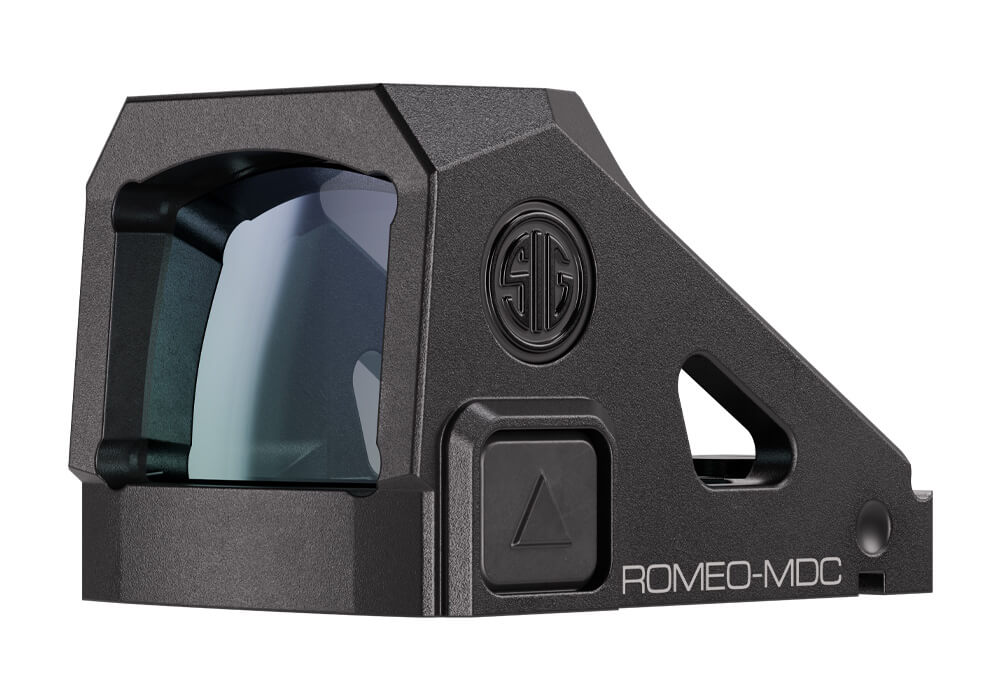
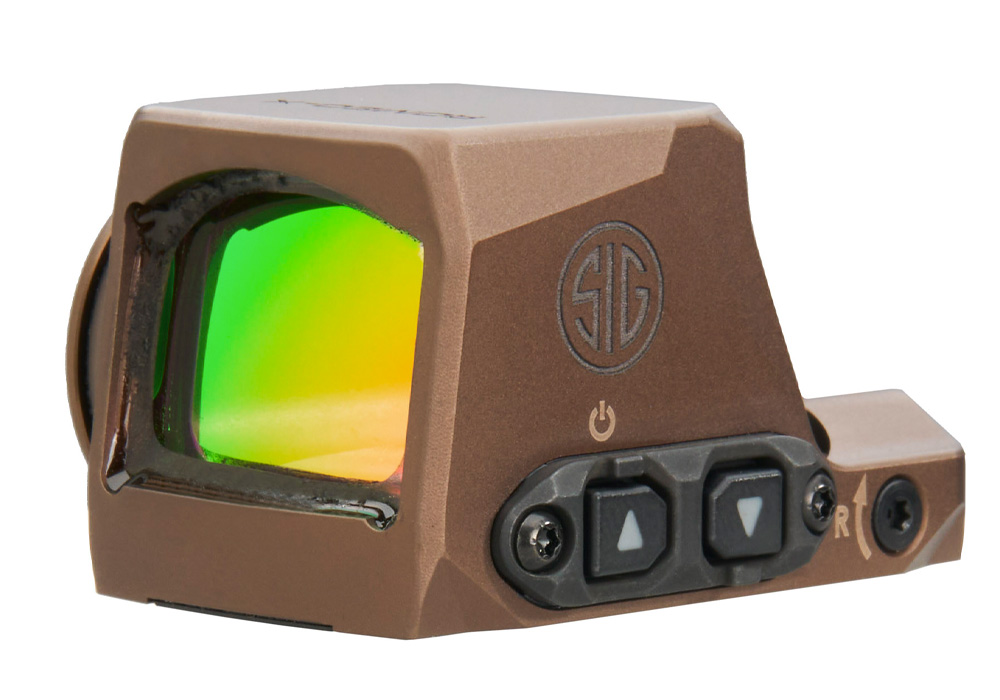
7075 aluminum housing red dot optics are built for shooters who want a compact aiming solution with a strong balance of durability, weight, and everyday practicality. The housing material, commonly specified as 7075-T6 aluminum, offers greater tensile strength and resistance to deformation than many standard aluminum alloys while keeping the optic light enough for use on a handgun slide, rifle rail, or shotgun receiver. That combination matters when an optic must endure repeated recoil, contact with equipment, and the occasional hard bump against a barricade, vehicle, or range bench. A rugged housing helps protect the sight’s internal components and maintain a reliable relationship between the emitter, lens, and mounting surface. For many shooters, the appeal is easy to understand: an optic should feel substantial in the hand without becoming unnecessary weight on the firearm. A well-designed 7075 aluminum body can provide that confident, solid feel while preserving the quick handling that makes a red dot useful. These optics may serve concealed-carry handguns, duty pistols, home-defense firearms, carbines, shotguns, and training platforms, depending on their footprint, dimensions, and mounting requirements. Open-emitter designs can offer a streamlined profile and broad viewing window, while enclosed-emitter designs help shield the optical system from rain, dust, lint, and other debris. Neither format is automatically right for every shooter; the best choice depends on the firearm, intended role, environment, and personal preference. During cooler months, when outdoor sessions may move between damp mornings, covered ranges, and bright afternoon light, a durable optic with straightforward controls can make setup and practice more convenient.
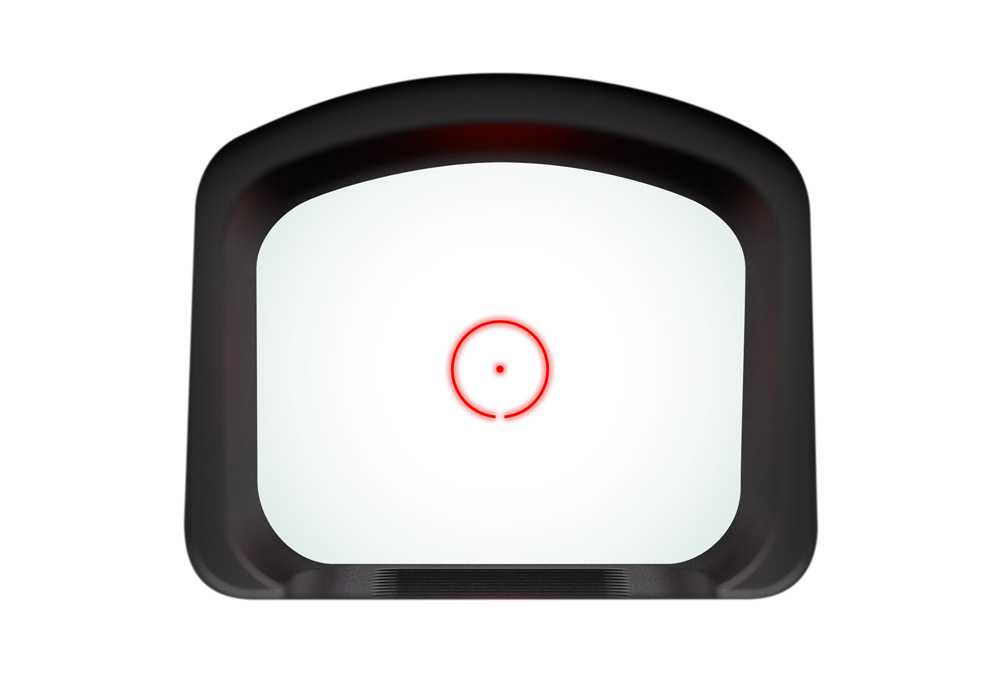
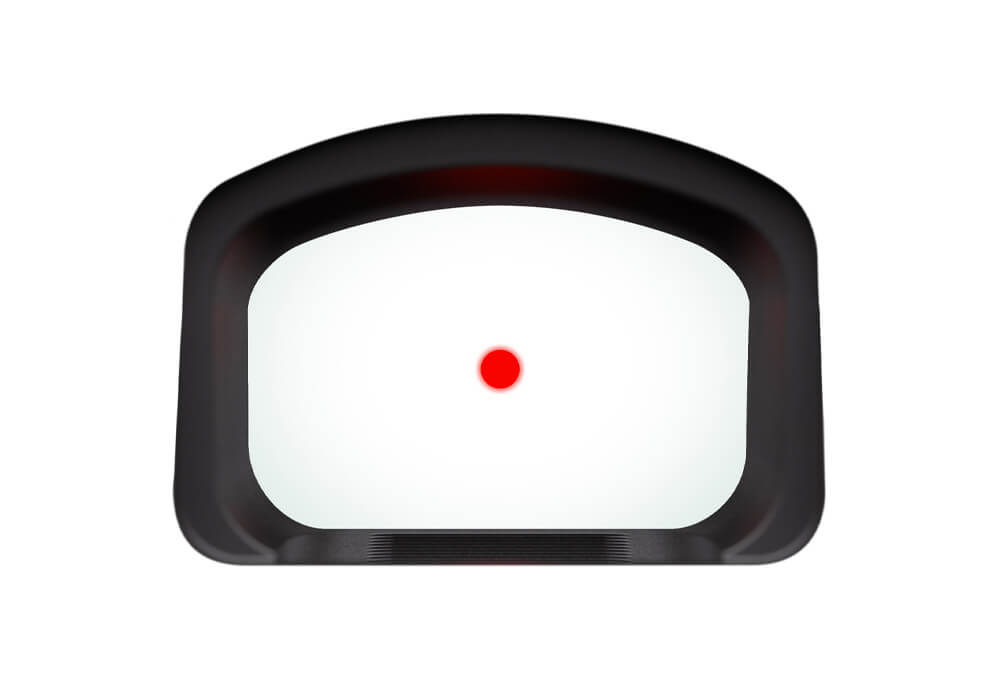
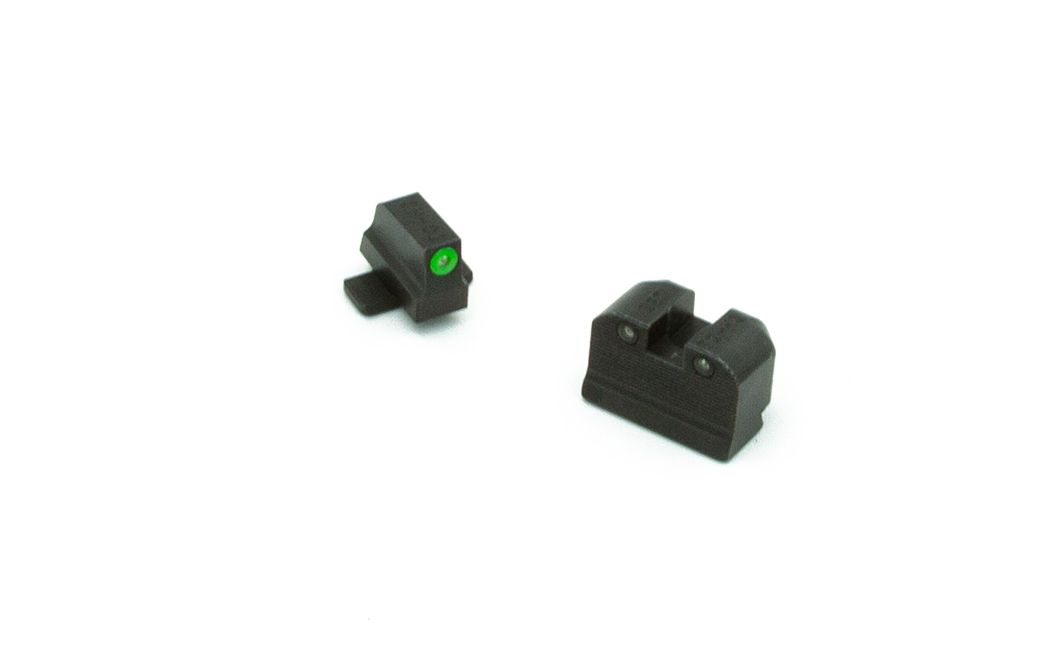
When comparing 7075 aluminum housing red dot optics, start with the mounting footprint and confirm that it matches the slide cut, adapter plate, or rail system on the firearm. A precise fit supports a secure installation and helps avoid unnecessary modifications or added height. Consider the optic’s overall length and width as well, particularly on a pistol where holster clearance, concealment, and access to the firearm’s controls can be affected by the sight profile. Reticle size and style also deserve attention. A smaller aiming point may support precise shot placement at distance, while a larger dot can be easier to acquire during fast presentations or close-range drills. Adjustable illumination allows the shooter to adapt the reticle to changing backgrounds, indoor lighting, and outdoor glare; some models also include night-vision-compatible settings for specialized applications. Battery access, automatic brightness modes, motion activation, and visible brightness controls can influence how easily the optic fits into a daily routine. Enclosed optics may be especially appealing to people who carry regularly or train in dusty, wet, or unpredictable conditions, since the sealed emitter area can reduce exposure to common contaminants. Open designs may appeal to competition shooters and others who value a wide sight picture and a low-profile presentation. Lens coatings, glass clarity, backup sight compatibility, and the ability to co-witness with existing iron sights are additional considerations. Shooters who already use a preferred mounting system should verify footprint compatibility before choosing an optic, and anyone installing a sight on a defensive firearm should follow the manufacturer’s torque specifications, use appropriate mounting hardware, and confirm zero after installation. For those comparing compact sighting solutions across different constructions, our selection of Lightweight Aluminum Red Dot Sights provides another useful point of reference.
These optics can be a practical choice for experienced shooters, first-time red dot users, competitors, outdoorsmen, armed professionals, and responsible firearm owners seeking a durable aiming system for training or defensive preparation. They can also make a thoughtful gift for someone who has recently purchased a compatible pistol or carbine, especially when the recipient values equipment that can support both practice and real-world readiness. A red dot optic is most useful when it becomes familiar equipment rather than something left in a case, so recipients should have access to a safe range, proper instruction, and time to learn presentation, reticle tracking, brightness adjustment, and confirmation of zero. One common range lesson is that the optic itself is only part of the system: a shooter may initially focus on finding the dot, then gradually develop a smoother presentation until the reticle appears naturally against the target. That progression is particularly rewarding with a clear, durable optic that stays readable across different lighting conditions. For rifles and carbines, a 7075 aluminum housing can add confidence during transport, field use, and repeated drills without making the setup feel cumbersome. On a handgun, the same strength-to-weight principle can help preserve a balanced slide and comfortable carry profile. On a shotgun, a compact red dot can provide a fast reference for applications where a traditional bead or open sight may be less intuitive. Regardless of platform, responsible use includes safe storage, muzzle awareness, adherence to applicable laws, routine inspection, and periodic confirmation that the optic remains secure and properly zeroed. Selecting the right model means matching the optic’s housing, footprint, reticle, controls, battery system, and environmental features to the firearm and the shooter’s habits, creating a setup that feels dependable from the first practice session through regular use in changing conditions.