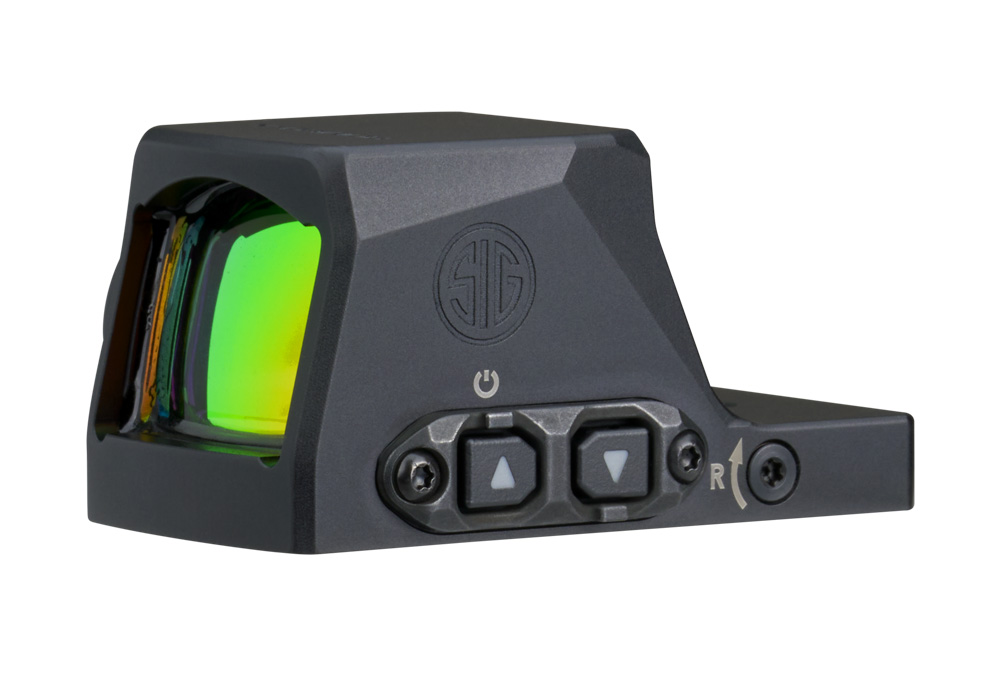
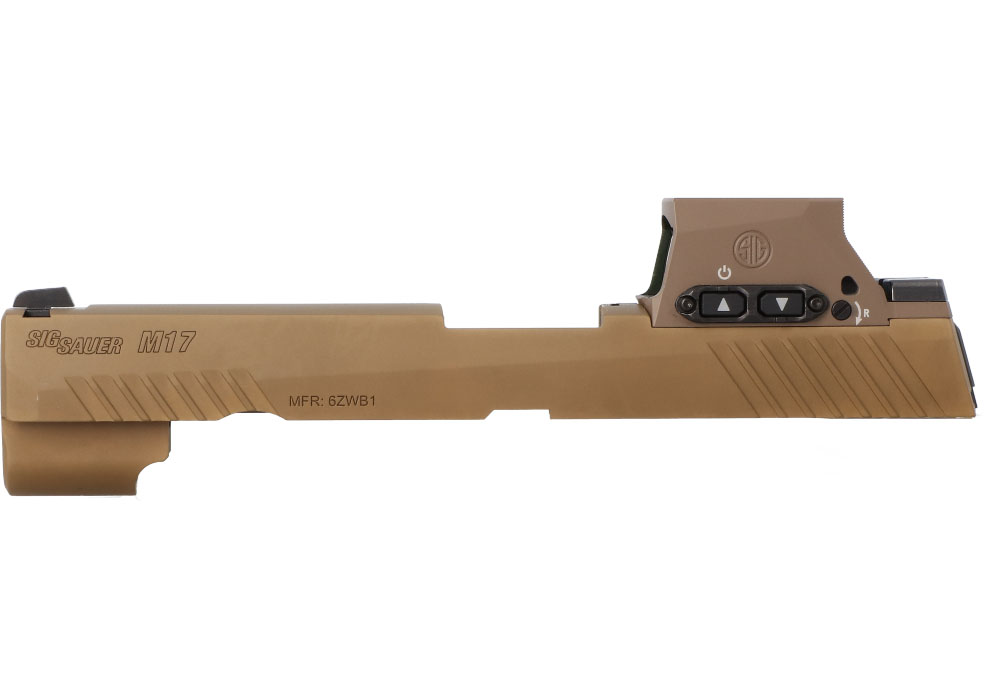
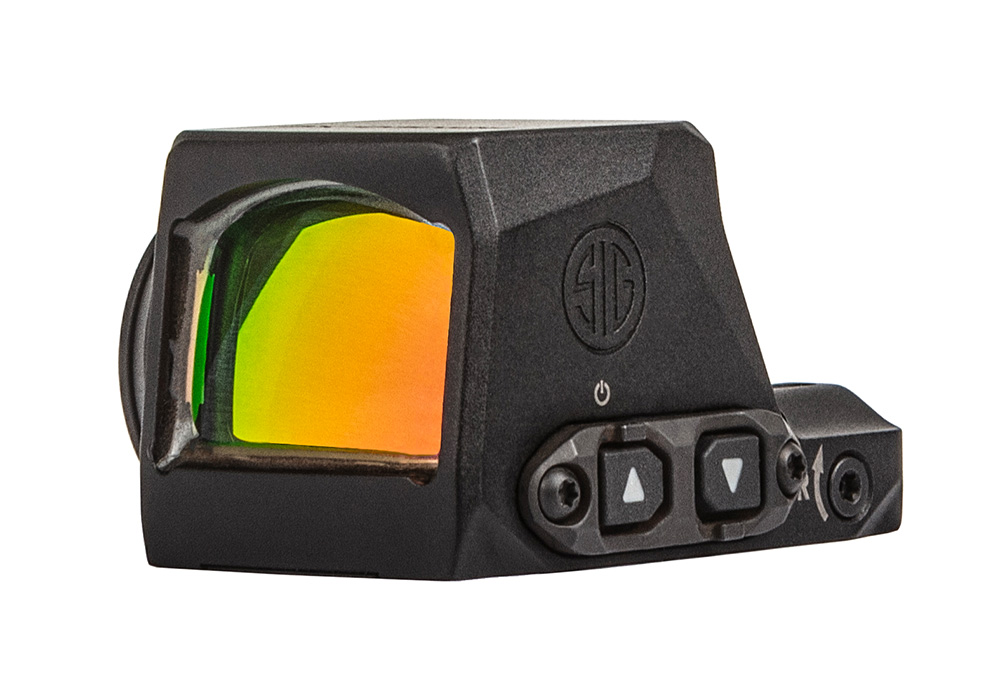
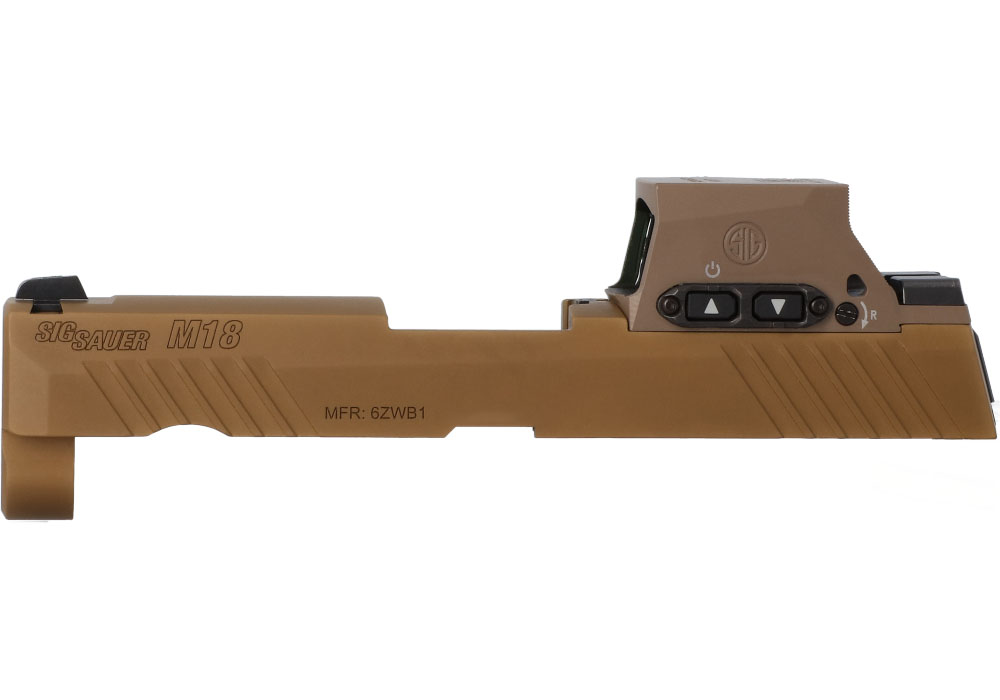
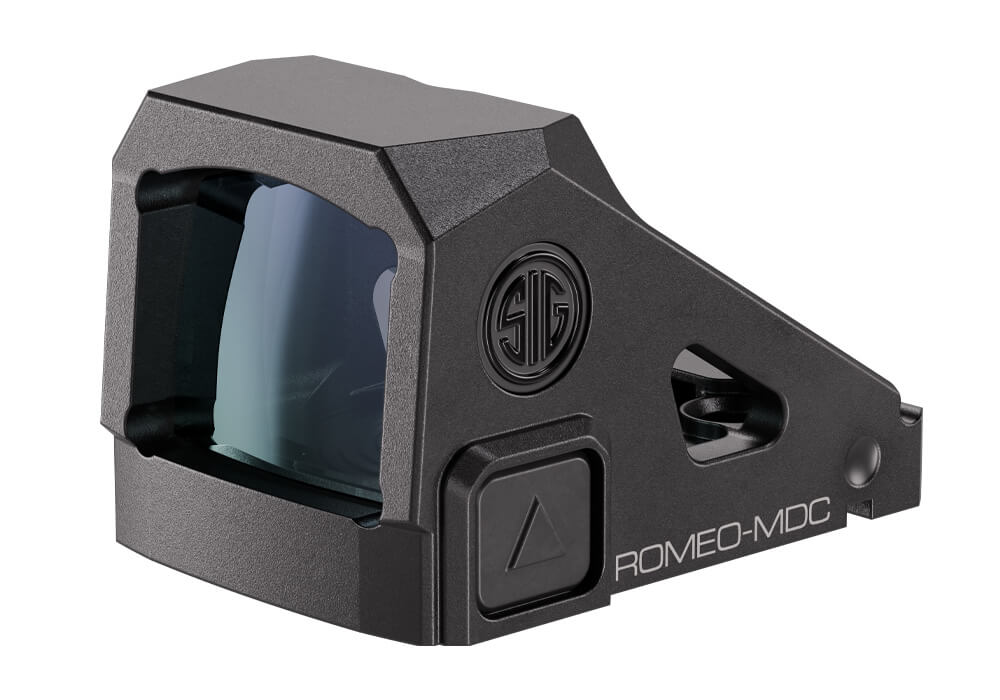
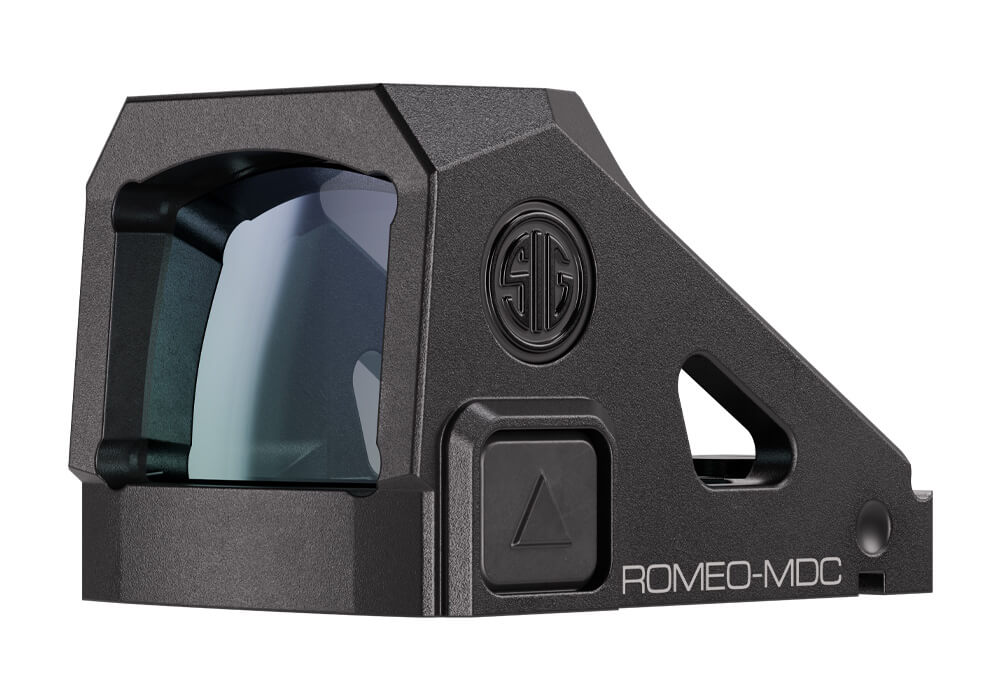
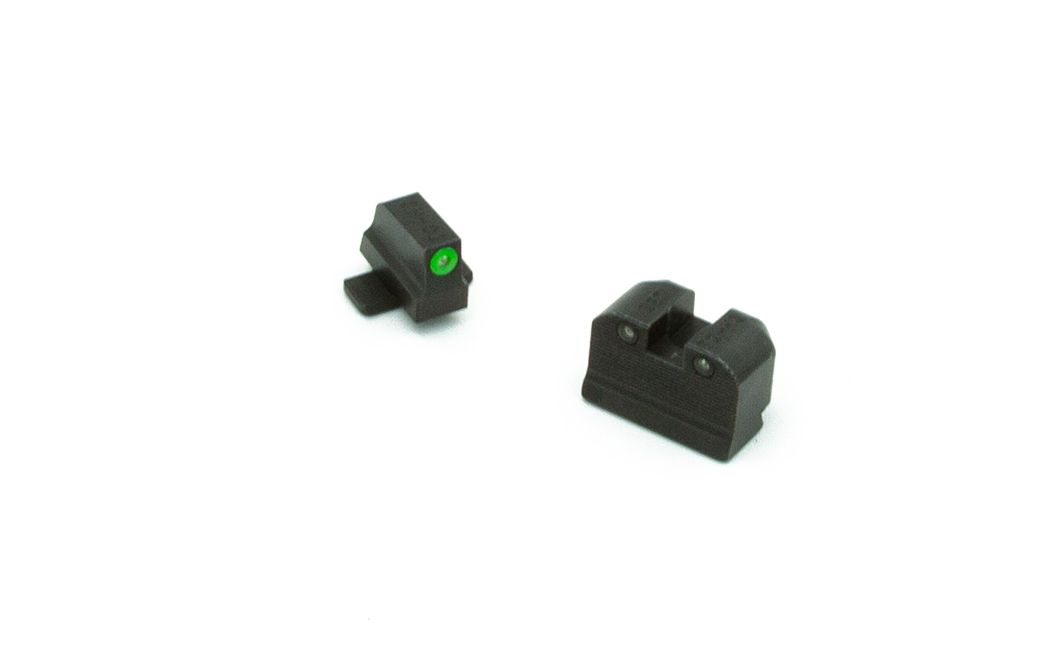
7075 aluminum red dot optics for pistols are designed for shooters who want a durable aiming solution without adding unnecessary weight to a reciprocating slide. The housing material is commonly specified as 7075-T6 aluminum, an alloy valued for its strength, impact resistance, and ability to maintain a lightweight profile. Compared with more common 6061 aluminum, 7075 aluminum is often described as roughly 30% stronger, making it well suited to the repeated shock and vibration produced by a pistol slide cycling under recoil. That matters whether an optic is carried daily, used for practice at the range, kept on a home-defense handgun, or mounted to a competition pistol that sees long strings of fire. A compact red dot can make it easier to track the sights through recoil and place a precise aiming point on the target, especially as lighting changes from a bright outdoor range to a shaded indoor bay. When evaluating these optics, start with the pistol itself. Confirm that the handgun is optic-ready or can be professionally milled for the required mounting pattern, then verify the footprint, screw size, screw length, and deck height before purchasing. A secure fit depends on more than the optic housing alone; the mounting interface, correct hardware, thread treatment, and proper torque all contribute to reliable performance. It is also worth checking whether the optic will work with the intended holster and whether the selected deck height allows the use of backup iron sights. Some pistol red dots use an open-emitter design with a compact window and easy access to the controls, while enclosed-emitter models place the electronic components between a front and rear lens to help shield the emitter from rain, dust, lint, and other debris. Both styles can serve well, but the better choice depends on the pistol, carry method, environment, and the shooter’s preference for size, visibility, and maintenance.
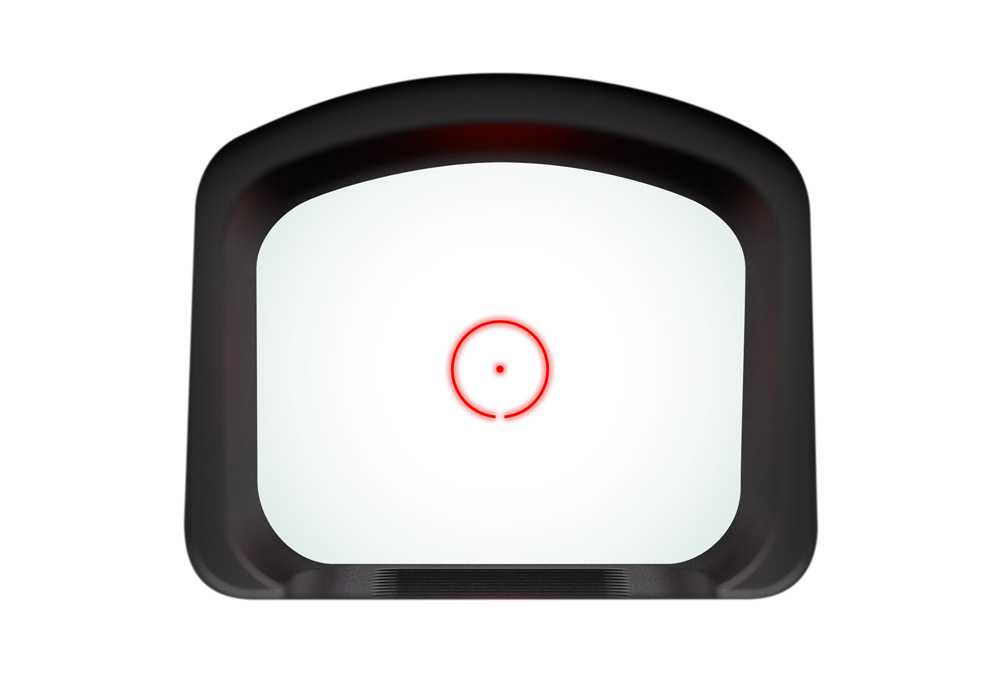
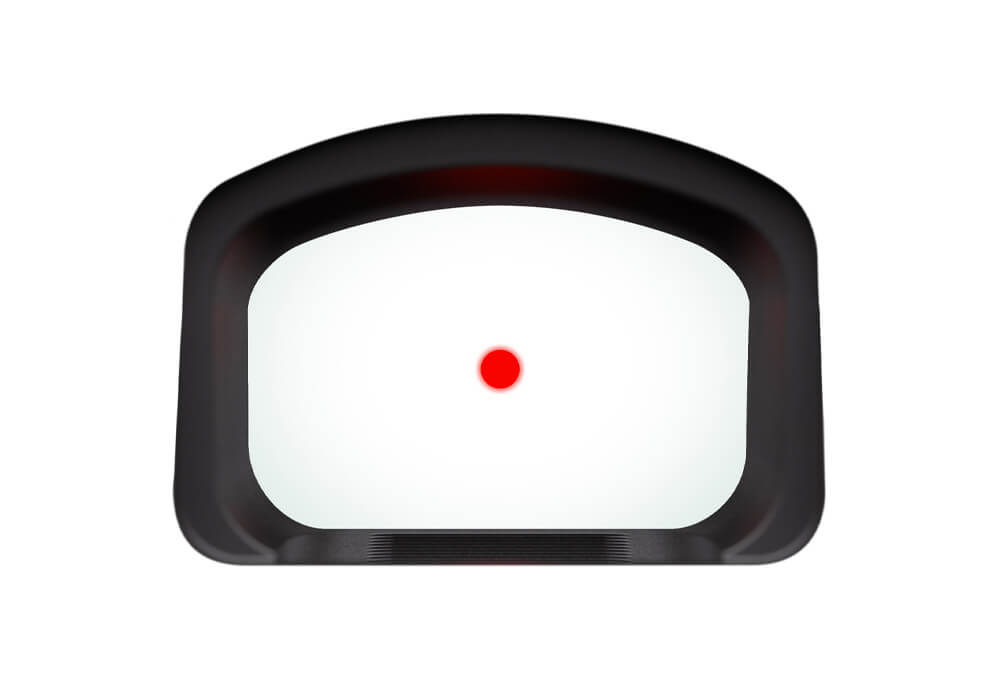
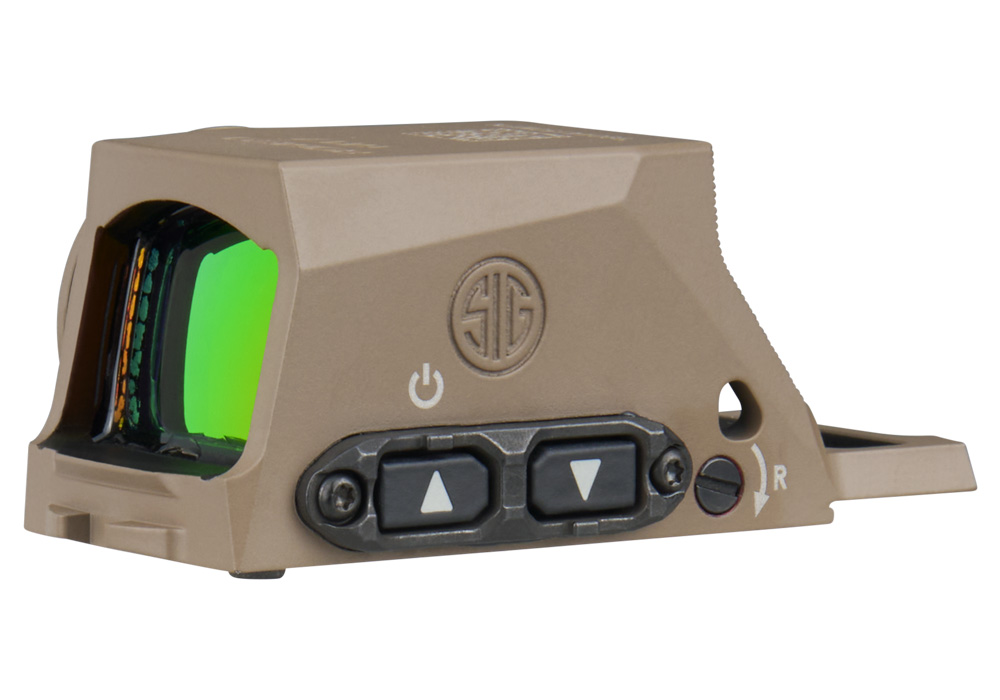
The reticle is another important consideration. A simple illuminated dot offers a clean sight picture and can be especially quick to use when the shooter is focused on bringing the pistol onto the target. Multi-reticle models may provide additional aiming options, such as a circle-dot arrangement, which some users find helpful for faster acquisition or for distinguishing the aiming point against a busy background. Adjustable brightness is useful when moving between bright sunlight and dim interiors, while automatic brightness systems can reduce the need to reach for buttons during a hurried presentation. A manual override remains valuable when the optic is used in changing conditions, since an automatic setting that looks ideal under a covered firing line may appear too bright in direct sun or too dim in a dark room. Battery access should be considered before installation. Top-loading designs allow a battery change without removing the optic and disturbing the zero, while bottom-loading designs may require the optic to be detached and reinstalled. Look for a clearly defined battery life rating, an accessible power system, and controls that are easy to operate without accidentally changing the brightness setting during recoil or handling. Some optics include motion-activated illumination, solar assistance, or an automatic shutoff feature; these functions can extend practical battery life, but they should complement rather than replace a regular inspection routine. Lens coatings, window size, glare control, sealing, and resistance to water and dust also deserve attention. A robust aluminum housing protects the optic from bumps against a barricade, the edge of a range table, or the everyday knocks that can occur when a holstered pistol is worn during movement. Even a strong housing does not make an optic immune to damage, so a protective cover, careful storage, and periodic checks for loose screws or lens contamination remain good habits. Shooters comparing this category with other lightweight options may also find useful context in Lightweight Aluminum Red Dot Sights, particularly when balancing durability, dimensions, and slide weight.
These optics can be a practical choice for a broad range of users. A concealed carrier may appreciate a compact sight that fits the pistol and holster while offering a clear aiming reference during practice in varied light. A new pistol owner may find that a red dot provides an easier visual focus than aligning three iron sights, although learning to present the pistol so the dot appears naturally still takes repetition. A recreational shooter can use the optic to refine trigger control and observe movement on the target, while a competitor may prioritize a generous window, rapid reticle acquisition, and controls that remain predictable through extended practice sessions. They can also make a thoughtful gift for an experienced shooter who has recently purchased an optic-ready pistol, provided the giver confirms the correct footprint and mounting requirements first. A red dot is not a universal accessory, and the smallest model is not always the best fit; the pistol’s slide dimensions, intended carry role, holster, hand size, and preferred sight picture should guide the selection. After installation, confirm that the optic is properly secured, establish a zero at a suitable distance, and verify the point of impact at additional distances. Begin with deliberate shots from a stable position, then practice drawing, presenting, and tracking the dot at a safe range under qualified supervision. During the cooler months, when outdoor sessions may begin in crisp air and finish as daylight fades, brightness settings and lens clarity become especially noticeable. A quick wipe with a clean lens cloth, a check of the battery compartment, and confirmation that the mounting screws remain tight can help keep the sight ready for its next use. With the right footprint, a dependable mounting setup, a reticle that is easy to see, and a 7075 aluminum housing built to handle the demands of a pistol slide, these optics offer a durable and lightweight way to modernize an optic-ready handgun.