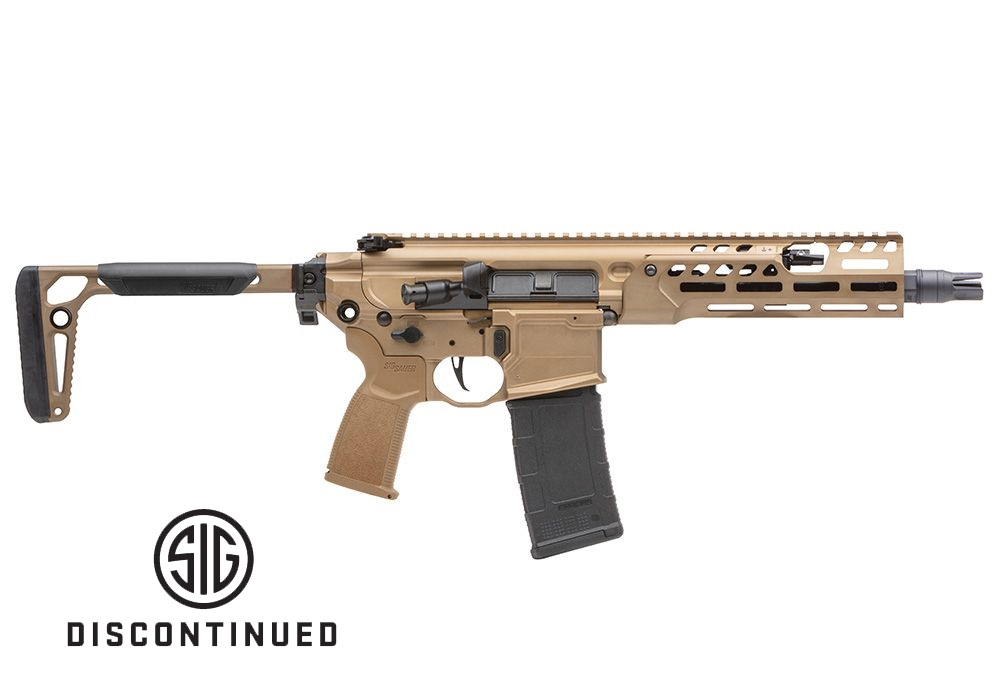
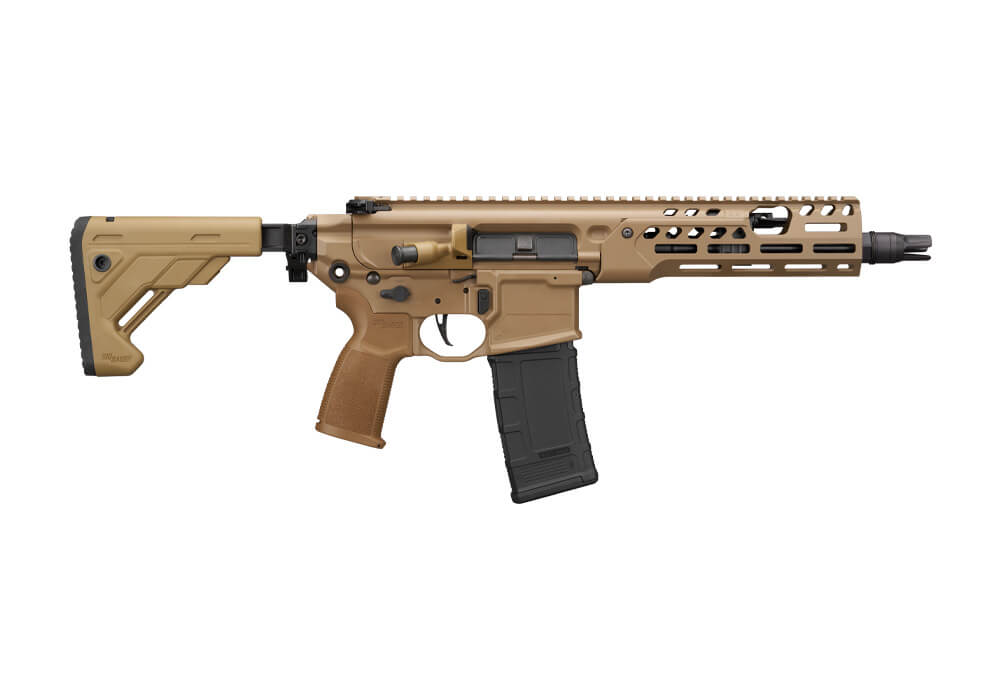
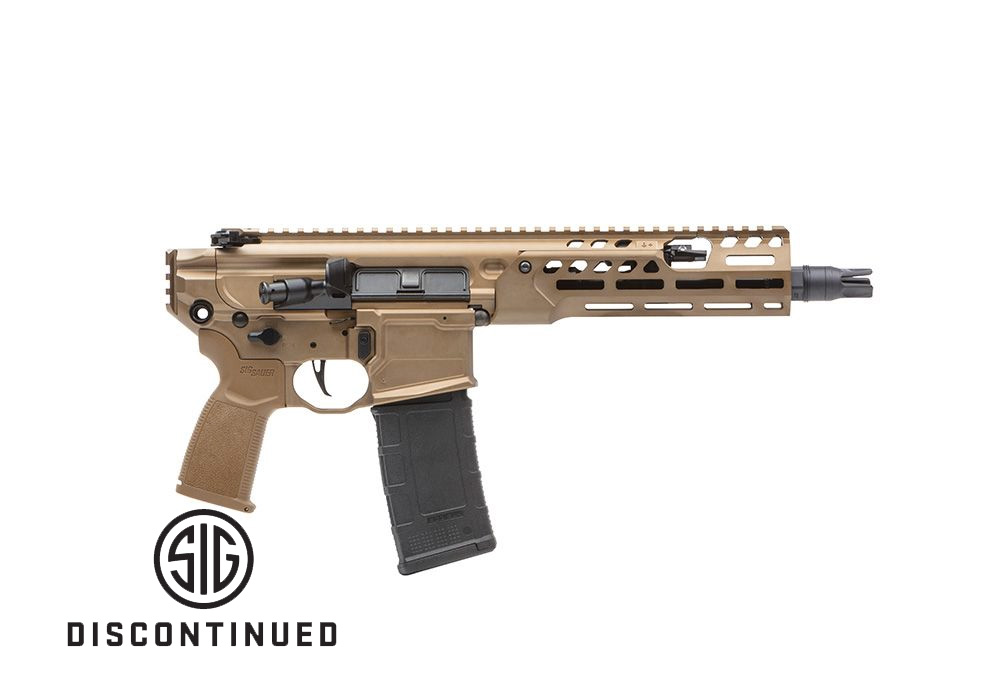
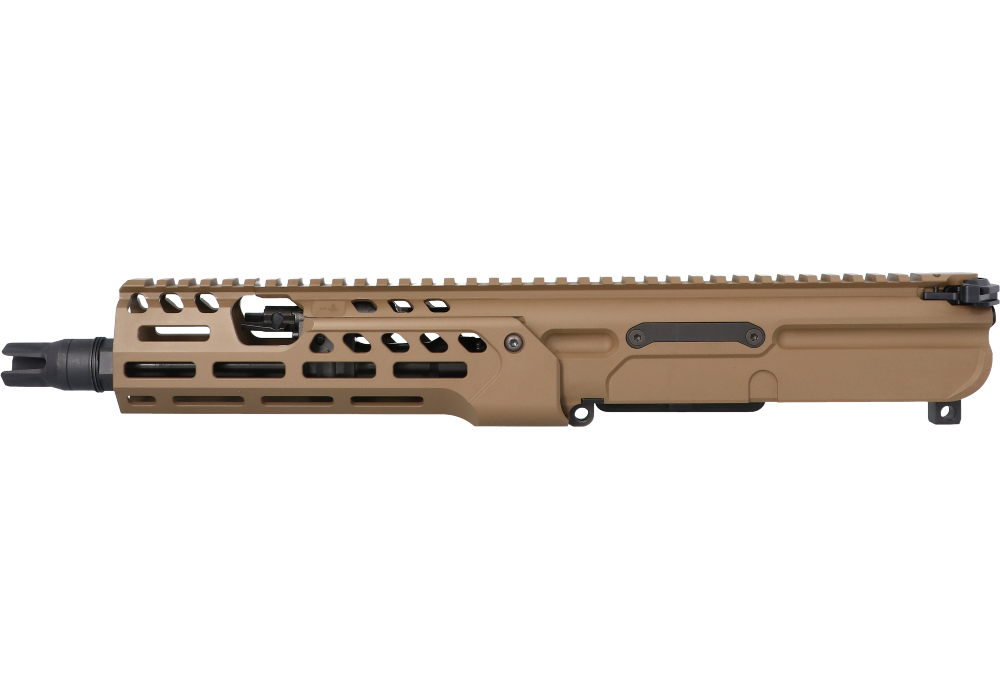
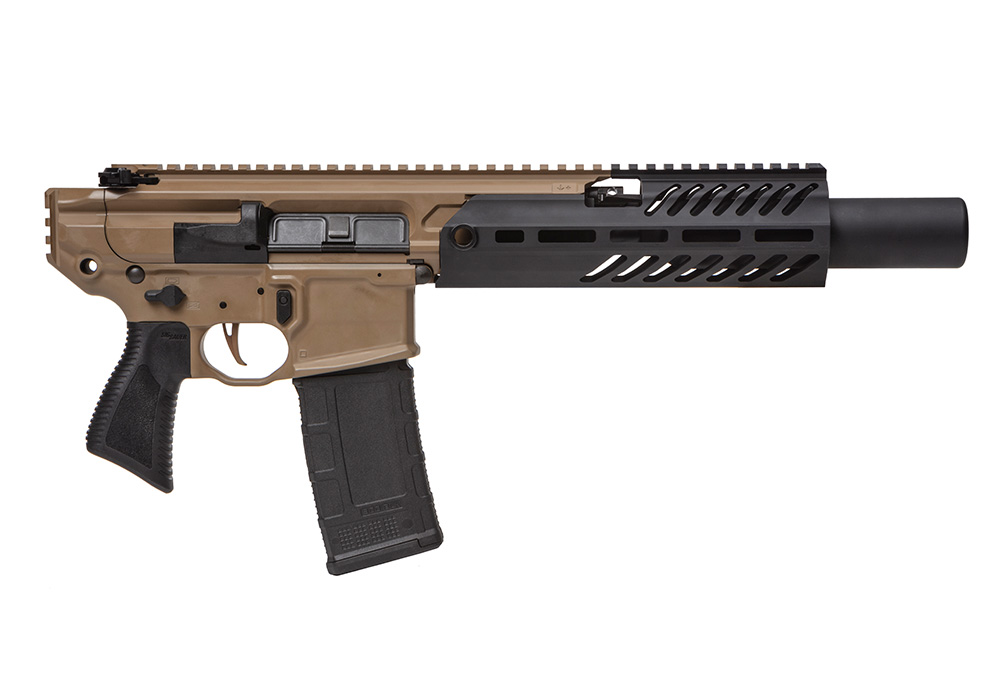
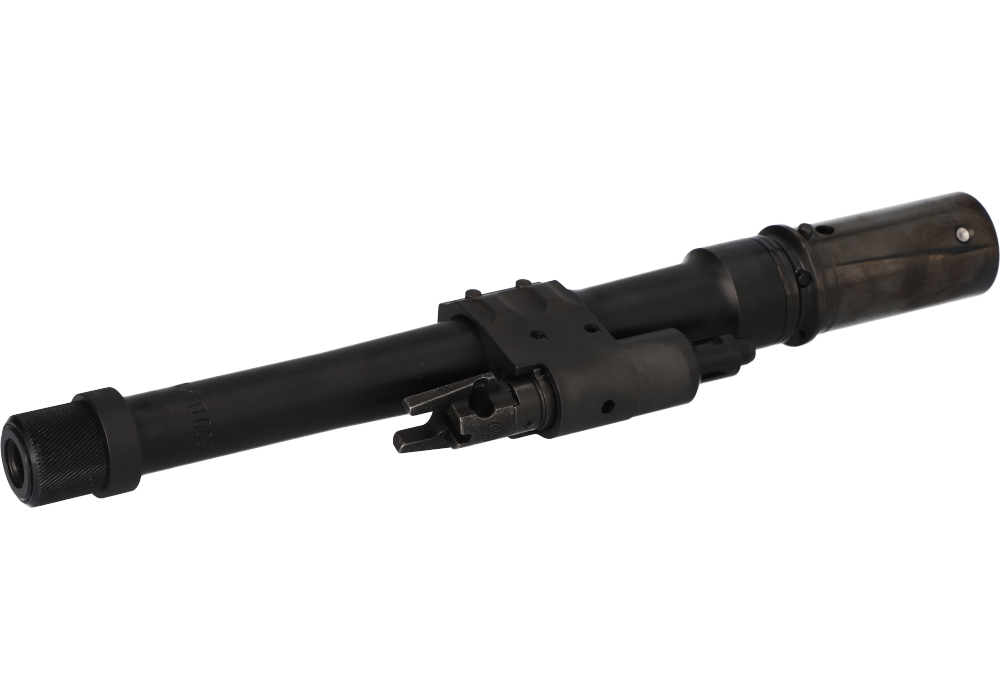
Nine-inch .300 Blackout rifles are valued for bringing substantial cartridge performance into a compact, easy-to-manage platform. The .300 Blackout cartridge was designed to perform well from shorter barrels, and a 9-inch barrel is widely regarded as a practical balance between ballistic efficiency, handling, and overall length. Compared with a longer rifle, a 9-inch configuration can feel quicker to shoulder and easier to maneuver around vehicles, interior spaces, storage areas, or dense cover, while still providing useful performance with both supersonic and subsonic ammunition. Supersonic loads are generally selected when a flatter trajectory and greater downrange energy are priorities, while subsonic loads can provide a softer-shooting experience and are often paired with a compatible suppressor. Ammunition selection should always match the firearm’s specifications, and shooters should confirm the projectile type, bullet weight, velocity, and intended use before purchasing. The versatility of .300 Blackout is one of its defining qualities: the same platform can be configured for range practice, recreational shooting, property use where lawful, or a compact personal-defense setup, provided the owner receives appropriate training and follows all applicable laws. A 9-inch barrel also leaves room for a handguard, muzzle device, or suppressor without making the overall package unwieldy, although the added length and weight of accessories should be considered when comparing configurations. Product listings in this category may include different operating systems, furniture, sighting arrangements, and receiver configurations, so shoppers should review each specification carefully rather than assuming every 9-inch .300 Blackout firearm is set up the same way.
When comparing 9 Inch 300 Blackout Rifles, begin with the role the firearm is expected to fill and the conditions in which it will be used. A compact setup may appeal to an experienced shooter who spends time on a range with limited bench space, keeps a firearm secured for lawful home-defense purposes, or wants a handy platform for outdoor use during the cooler months. It can also be a thoughtful gift for a responsible adult who already has formal firearms training and understands safe storage, though a firearm should never be purchased as a surprise without confirming the recipient’s preferences, eligibility, and local requirements. Pay attention to the overall length, unloaded weight, stock or brace configuration, handguard dimensions, controls, and compatibility with the accessories you already own. A shorter barrel does not automatically mean less recoil, and perceived comfort can vary significantly based on ammunition, muzzle device, grip, stock or brace fit, and the shooter’s experience. If suppressed shooting is part of the plan, verify suppressor compatibility, thread specifications, caliber rating, mounting system, and the legal process required in your jurisdiction before making a purchase. Suppressors can change balance, sound, gas behavior, and point of impact, so the complete setup should be evaluated as a system rather than assembled from isolated parts. Shooters who prefer unsuppressed use should compare muzzle devices and consider how blast, flash, and noise may affect an indoor or outdoor environment. An optic or iron-sight arrangement should suit the distances and lighting conditions where the firearm will be used, while a dependable sling and properly fitted case can make transport and storage more practical. Those building or customizing a platform should confirm receiver, barrel, handguard, gas-system, and magazine compatibility, and should use a qualified gunsmith when a modification falls outside their experience.
Legal classification deserves particular attention with compact firearms. Depending on the exact configuration, a 9-inch .300 Blackout firearm may be classified as a rifle, pistol, or short-barreled rifle under federal, state, or local law. The presence of a shoulder stock, the firearm’s original configuration, overall dimensions, and the way it is transferred or modified can affect its legal status. Buyers should review current rules before ordering, transporting, assembling, or changing any compact firearm, and should consult the Bureau of Alcohol, Tobacco, Firearms and Explosives, state authorities, or a qualified firearms attorney when the classification is unclear. For shoppers specifically comparing compact registered rifle configurations, the Compact 300 Blackout SBRs collection provides a useful place to continue browsing, while every buyer remains responsible for confirming eligibility and compliance. Safe ownership also includes more than selecting the right barrel length. Store the firearm unloaded and secured from unauthorized access, keep ammunition stored safely according to local guidance, use a chamber flag or other appropriate safety indicator when practical, and separate the firearm from its ammunition when the situation calls for it. At the range, wear suitable eye and hearing protection, follow posted commands, inspect the firearm before use, and confirm the target and what lies beyond it. New owners benefit from hands-on instruction with a qualified professional, followed by regular practice using the same controls, sighting system, and ammunition they expect to rely on. With careful selection, responsible storage, and consistent training, a 9-inch .300 Blackout platform can offer a compact, adaptable shooting experience across a wide range of lawful applications.