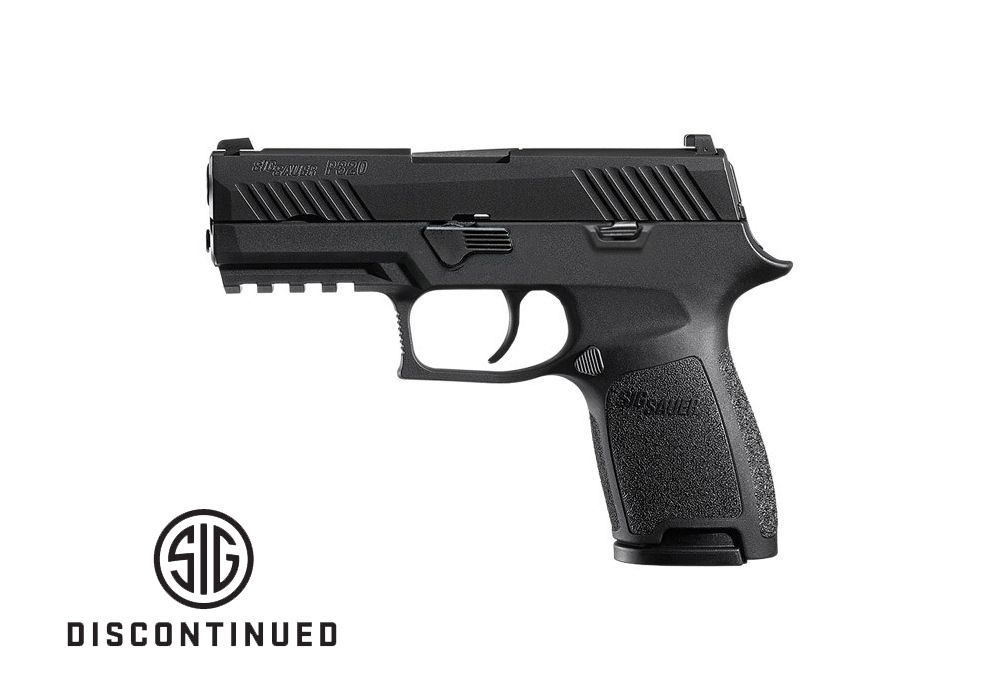
9mm FMJ ammunition is a practical choice for target shooting, range practice, training drills, and familiarization with a 9mm pistol or carbine. Also called “ball” ammunition, 9mm full metal jacket rounds generally use a soft lead core enclosed by a harder copper or copper-alloy jacket. This construction helps the cartridge feed smoothly through many commonly chambered firearms while keeping costs manageable for regular practice. Unlike expanding defensive ammunition, FMJ bullets are designed to maintain their shape rather than open up on impact, making them well suited to paper targets, steel targets approved for pistol-caliber use, and other controlled range applications. Common bullet weights include 115 grain, 124 grain, and 147 grain, with each offering a slightly different balance of velocity, recoil impulse, and point of impact. A lighter 115-grain load may produce a brisk, familiar report and a flatter trajectory at typical range distances, while 124-grain ammunition is a popular middle ground for training and general target work. Heavier 147-grain loads can have a softer, slower feel in some firearms. The most useful choice depends on the firearm, barrel length, sights, and the type of practice planned, so it is wise to follow the owner’s manual and test ammunition at a safe range before purchasing a larger quantity. Shooters who spend an afternoon working through sight alignment, trigger control, and controlled pairs will often appreciate the consistency of keeping one reliable FMJ load on hand. The steady rhythm of brass landing on the concrete, fresh paper targets moving downrange, and familiar recoil settling into the hands can make a practice session more productive and enjoyable without using defensive ammunition for a purpose it was not designed to serve.
When comparing 9mm FMJ ammunition, consider more than the price printed on the box. Confirm that the cartridge is the correct 9x19mm specification for the firearm, inspect packaging for clear labeling and undamaged seals, and choose quantities that match your storage space and practice schedule. Purchasing in larger quantities can be a convenient way to maintain a consistent training supply, especially for shooters who visit an indoor or outdoor range regularly, take a structured class, or share supervised practice with members of their household. Our selection of 9mm Bulk Range Ammunition can help shoppers compare range-focused options in one place. Before ordering, check local laws, age requirements, shipping rules, and any restrictions that apply to ammunition purchases in your area. Range policies also deserve attention: some indoor facilities limit standard FMJ because exposed lead at the base of the bullet can contribute to airborne lead residue, while others require Total Metal Jacket or Total Synthetic Jacket ammunition. A range that requires TMJ or TSJ should be treated as the final authority, even when conventional FMJ is otherwise appropriate for the firearm. It is also helpful to check whether a facility permits steel targets, specific bullet materials, or particular projectile weights. For storage, keep ammunition in its original packaging or another clearly labeled container, protected from moisture, excessive heat, and rough handling. A dry cabinet or secure ammunition container in a controlled environment helps preserve dependable ignition and keeps different loads easy to identify. During the cooler months, allowing ammunition and equipment to acclimate before use can help reduce condensation when moving between warm and cold environments. A small amount of preparation before leaving home—confirming the range rules, checking the caliber marking, packing eye and ear protection, and bringing a sturdy range bag—can prevent avoidable interruptions once the lane is open.
9mm FMJ is typically intended for practice and recreational shooting, not personal protection or home defense. Because a full metal jacket bullet generally does not expand in the same way as a jacketed hollow point, it may continue through a target with greater penetration potential and can create additional hazards beyond the intended impact area. Defensive ammunition should be selected separately, with careful attention to reliable function, local regulations, and professional instruction. FMJ remains valuable because skill is built through repetition: drawing only where lawful and appropriate, establishing a safe grip, managing recoil, confirming sight alignment, and practicing deliberate trigger control under the supervision of a qualified instructor. New shooters may use it during an introductory class or a first range visit, while experienced owners may keep it available for routine function checks and regular skill maintenance. It can also be a thoughtful gift for an adult shooter, range partner, or new firearm owner when the recipient’s caliber, range requirements, and local purchase regulations are known in advance. Ammunition should never be given to anyone who cannot legally possess it, and a gift should be paired with a reminder about secure storage, safe handling, and formal training. Whether the goal is preparing for a weekend range session, building a dependable practice reserve, or helping a family member become more comfortable with a properly handled 9mm firearm, selecting compatible FMJ ammunition keeps the focus on controlled, repeatable performance. Read the firearm manual, follow the four fundamental rules of firearm safety, use suitable targets and backstops, and stop shooting immediately if a cartridge or firearm behaves unexpectedly. With the right load, an approved range, and a thoughtful practice plan, 9mm FMJ offers an accessible way to spend meaningful time developing safe and consistent shooting habits.