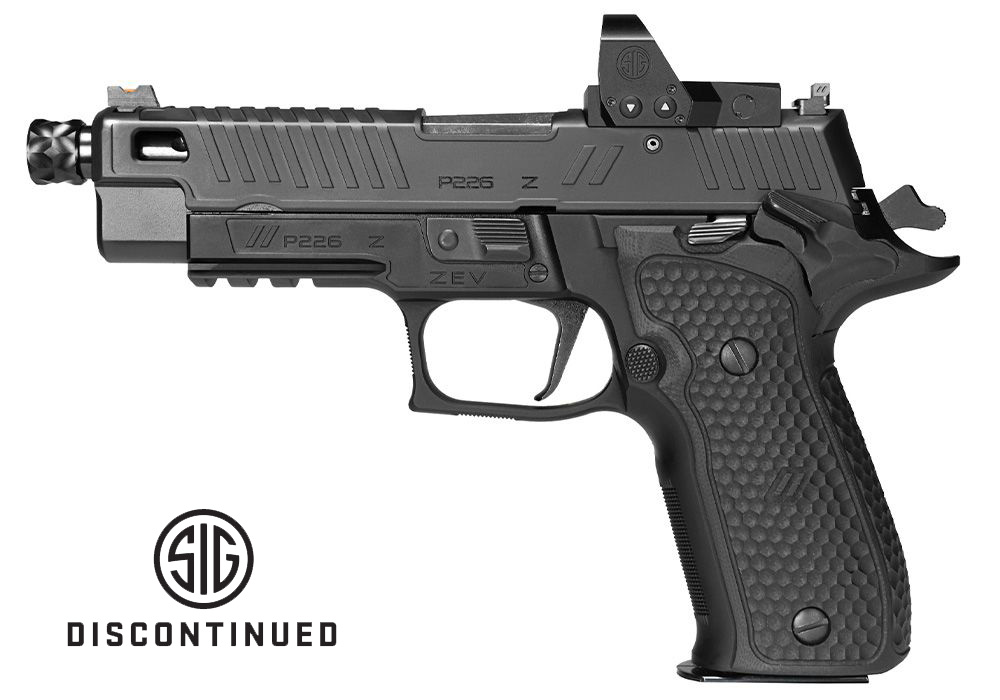
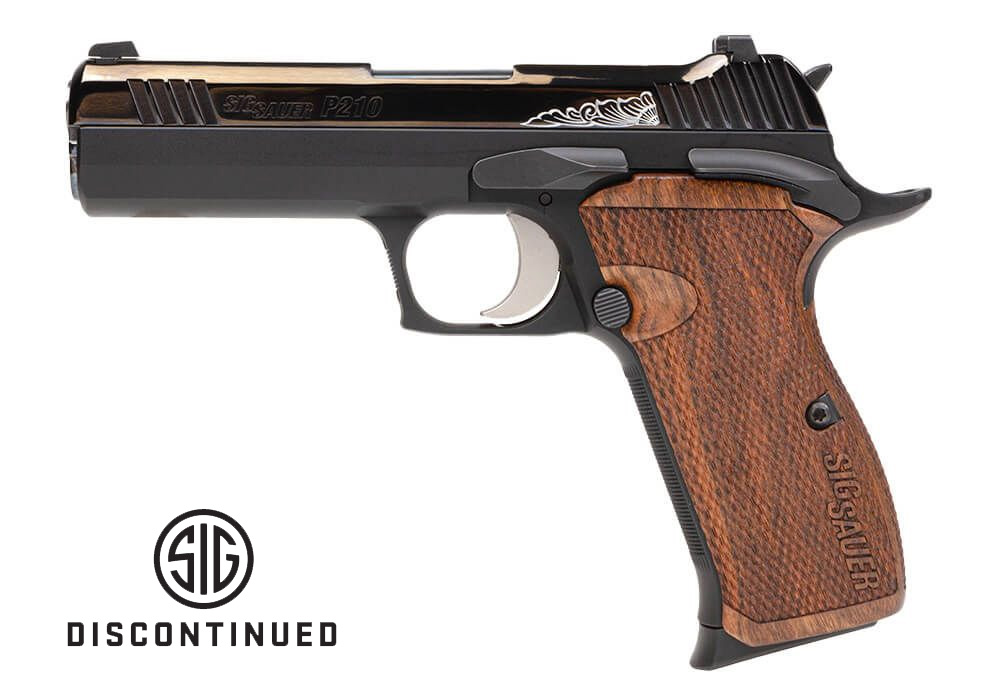
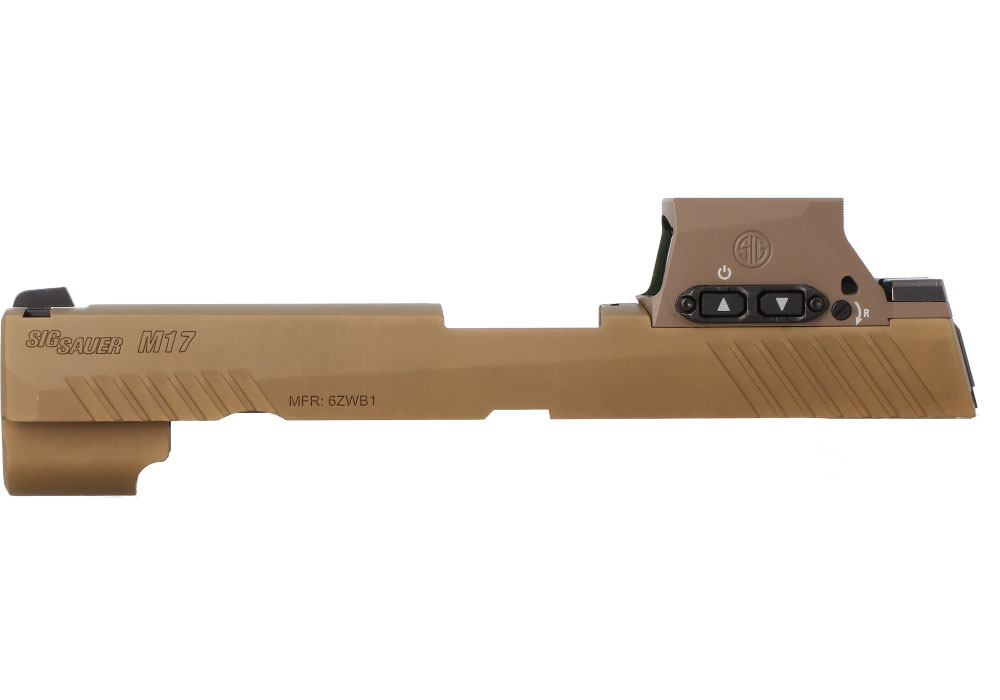
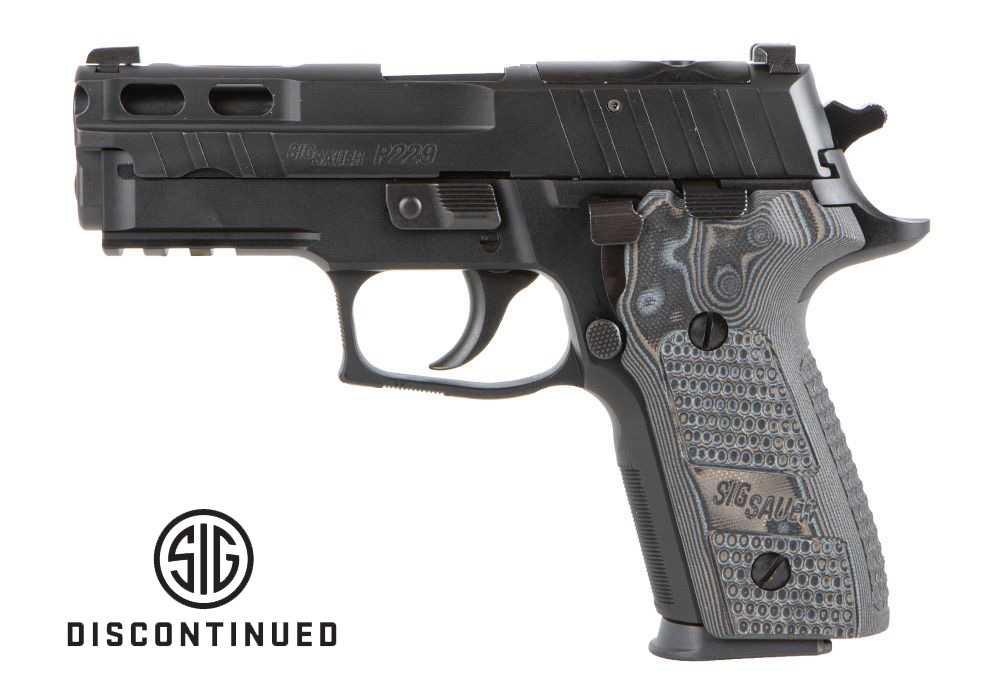
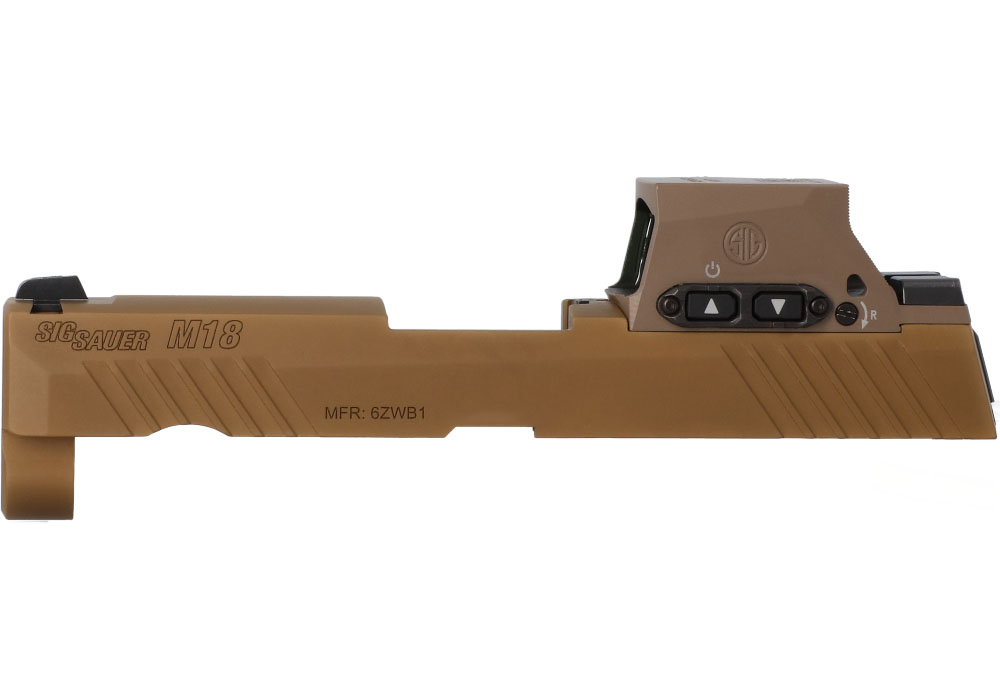
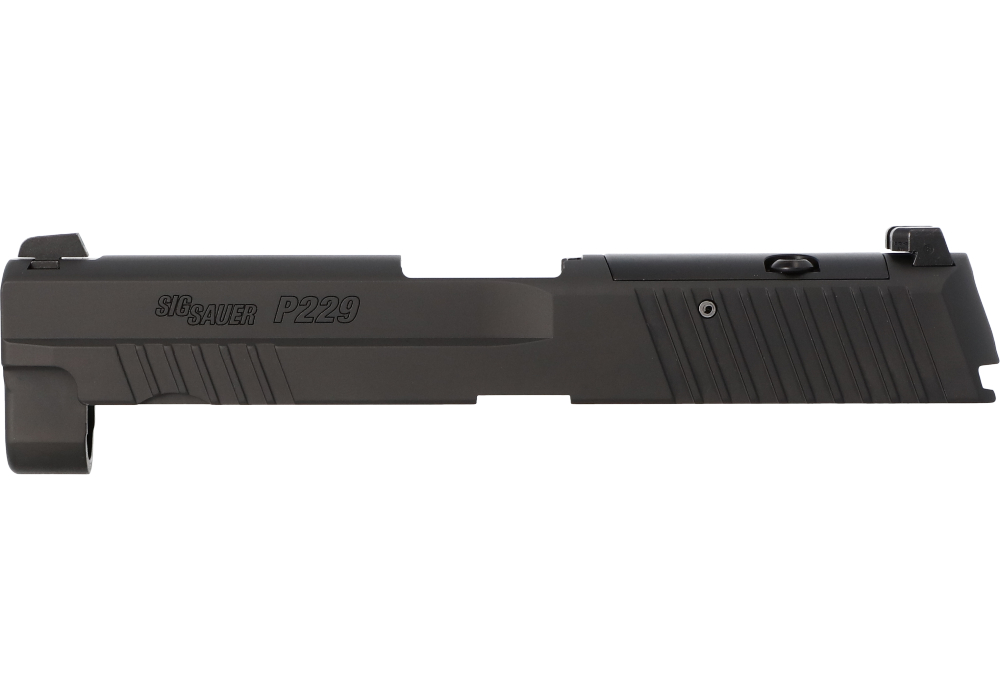
9mm Luger handgun slides are the moving upper components of compatible semiautomatic pistols, housing or supporting essential parts such as the extractor, firing components, and sights. During normal operation, the slide works with the barrel and recoil system as the pistol cycles. Although the cartridge designation defines the ammunition associated with the platform, it does not establish whether a particular slide fits a particular handgun. Two pistols chambered in 9mm Luger can have entirely different slide dimensions, internal arrangements, and frame interfaces. That distinction matters whether the goal is replacing a worn component, maintaining a familiar sight configuration, or selecting an optic-ready version for a compatible pistol. Original equipment and aftermarket slides can serve these purposes, but the relevant manufacturer’s compatibility information should always take precedence over visual similarity. Model family, size designation, generation, and exact configuration are more useful reference points than caliber alone. A compact slide and a full-length slide may look closely related while requiring different supporting components, and similar exterior profiles do not establish interchangeability. Product descriptions also distinguish between stripped slides and complete slide assemblies. A stripped slide generally refers to the slide body without the full complement of internal components; sights, cover plates, and other parts may also be separate. A complete assembly includes more components, but the meaning of “complete” varies, so neither a barrel nor a recoil assembly should be assumed to be included. Clear contents lists help establish what is actually supplied without relying on the product name alone. For an owner replacing a service-worn slide, matching the existing pistol’s documented configuration can be more important than choosing a different exterior treatment. For someone comparing sight options, the relevant questions concern the sight interface and compatibility rather than appearance. These are precision firearm components, not universal accessories, and any uncertainty about fit or condition belongs with the manufacturer or a qualified gunsmith before use.
Materials, machining, and surface treatment all contribute to the long-term suitability of a handgun slide. Steel is common because the component must tolerate repeated cycling and contact with other parts, while the specific alloy and treatment vary by design. Stainless steel offers corrosion resistance, but it still requires appropriate care; no finish eliminates the need to inspect and maintain a firearm. Depending on the slide, specifications may identify nitriding, a diamond-like carbon coating, or another protective surface treatment. These terms describe different approaches to surface protection and wear resistance rather than interchangeable cosmetic choices. A dark exterior alone does not reveal the underlying material or treatment, so published specifications provide a better basis for comparison than a photograph. Exterior details also affect everyday handling. Serrations provide textured contact areas, and their position, spacing, and depth can feel different depending on hand size and dexterity. Edges, contours, and sight profiles deserve attention when the pistol will be carried in a compatible holster, since changes to the upper assembly can affect holster fit. An optic-ready slide has a mounting interface intended for a compatible sight, but “optic-ready” does not mean that every red dot sight fits. Mounting footprints, direct-mount arrangements, adapter requirements, and supplied hardware differ among designs. Some configurations include a cover plate for use without an optic, while others have different provisions; the contents and compatibility notes should identify the arrangement. Iron sight compatibility is another separate consideration, including the sight mounting pattern and whether the intended sight configuration is supported. These details are especially relevant to someone who wants to retain a familiar sight picture across regular practice sessions. Shoppers comparing a replacement component with an entire handgun configuration can also explore 9mm Luger Pistols With Optic Ready Slide for the distinction between a separate slide and a pistol configured with an optic interface. In either case, the useful comparison is between documented configurations, not the assumption that similar-looking parts share the same specifications.
Intended use gives those specifications practical context. A handgun used for regular range practice may see frequent handling and cleaning, making durable surfaces, readable sights, and consistent maintenance particularly relevant. A lawfully carried pistol adds considerations such as secure holster compatibility, exposure to perspiration, and routine inspection for lint or debris. For organized target shooting, equipment rules may also influence which slide and sight configurations are appropriate. None of these uses changes the need for verified compatibility or manufacturer-approved components. A slide’s appearance cannot confirm its suitability for a demanding schedule, and a protective finish cannot compensate for incorrect fit. Care should follow the firearm and component manufacturers’ instructions, using cleaning products and lubricants suitable for the specified materials and finishes. Abrasive treatment or incompatible chemicals can damage protective surfaces, while excess residue can conceal areas that deserve closer inspection. After routine cleaning, visible cracks, unusual wear, corrosion, or changes in operation warrant professional attention rather than an assumption that the marks are purely cosmetic. Inspection and maintenance should take place only with the firearm unloaded and handled according to its safety instructions, with ammunition kept away from the work area. Installation, component transfer, and any required fitting are matters for the manufacturer’s prescribed process or a qualified gunsmith, not trial-and-error matching. Owners who keep records of their pistol’s exact model, configuration, and service history have a useful reference when evaluating a replacement slide. The same precision matters when considering one as a gift for an experienced handgun owner: knowing that the recipient uses a 9mm pistol is not enough to establish fit. Confirming the exact platform and the recipient’s preferences helps avoid an incompatible or unwanted component. For any purchase, the most meaningful details remain the compatible handgun configuration, included components, material and finish, sight provisions, and care requirements. Together, those facts distinguish a suitable replacement from a part that merely looks right in a product image.