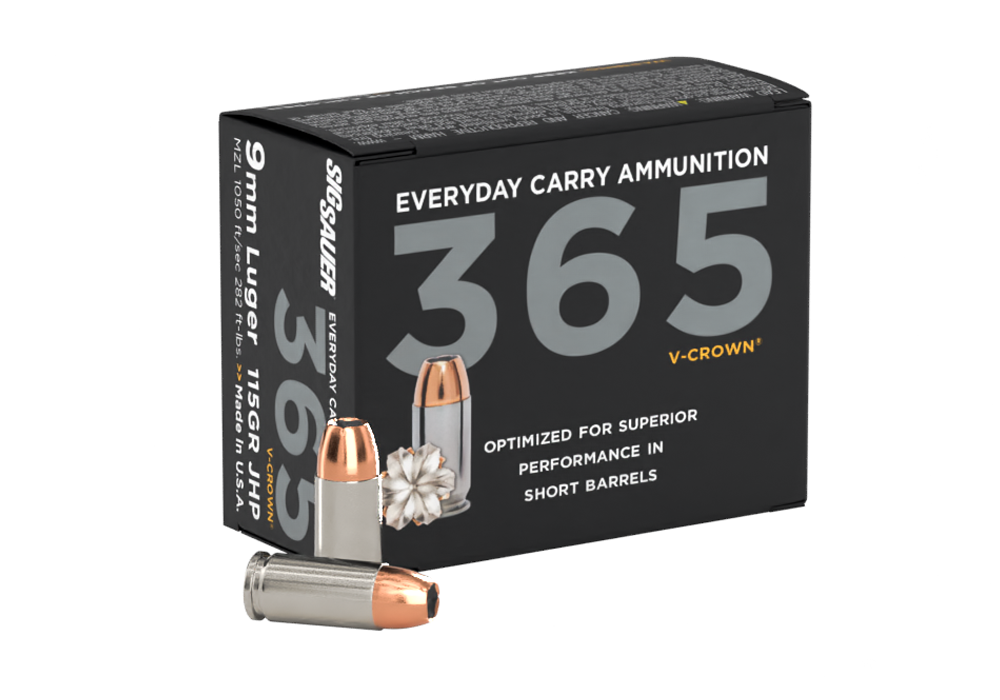
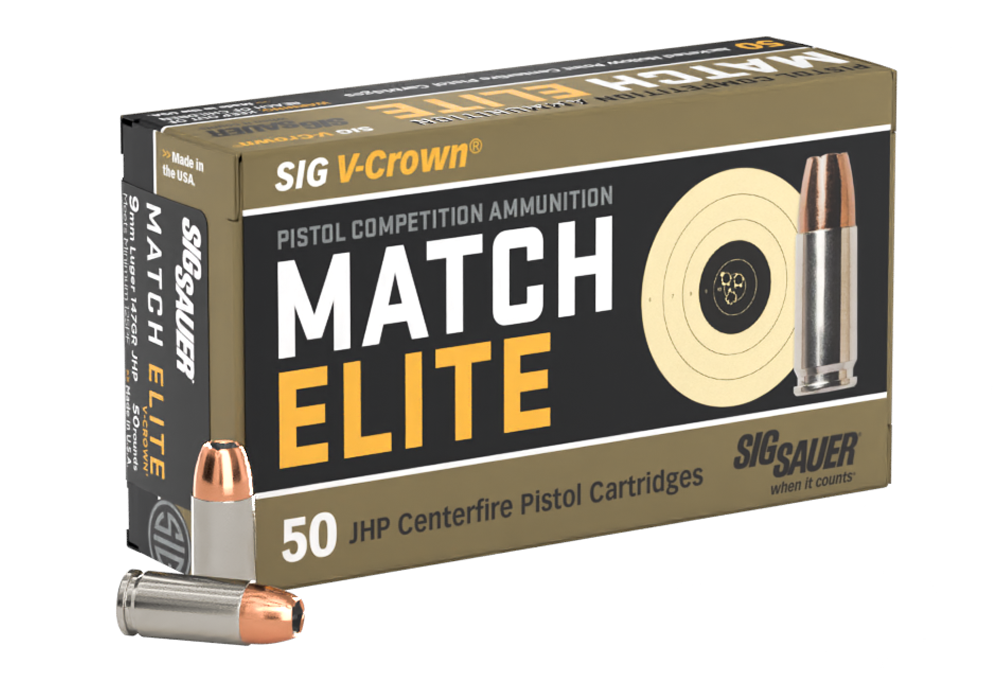
9mm Luger practice ammo packs give pistol owners a practical way to stock up for training, sight-in work, skill-building, and regular range sessions. The most common format is a 50-round box, which is useful when testing a new load, checking how a particular pistol feeds, or planning a shorter visit to the range. Larger range and value packs typically contain 100 to 250 rounds, offering enough ammunition for a more complete practice session that may include slow-fire accuracy work, controlled pairs, holster drills where permitted, and basic malfunction-handling exercises. For frequent shooters, bulk cases generally range from 500 to 1,000 rounds and can reduce the per-round cost while limiting the need to make repeated ammunition purchases. A pack of 9mm Luger FMJ ammunition may be a sensible addition to a range bag, training locker, or preparedness supply, provided it is stored securely and handled in accordance with applicable laws. It can also be a thoughtful gift for an experienced shooter, competitive participant, or new handgun owner who already has a compatible firearm and appreciates practical range supplies. Because ammunition is regulated differently from other sporting goods, confirm age, shipping, transfer, and local purchase requirements before ordering or giving it as a gift. Always follow the firearm manufacturer’s instructions, use only the caliber marked on the firearm, and wear appropriate eye and hearing protection whenever shooting.
When comparing 9mm Luger practice ammunition, start with the bullet construction and the specifications recommended for the firearm. Full Metal Jacket, often shortened to FMJ, is the standard choice for general target practice because the enclosed lead core is designed for reliable cycling and clean, consistent feeding in many semi-automatic pistols. Practice loads are commonly offered in 115-grain, 124-grain, and 147-grain weights. A 115-grain load is a familiar option for economical training and often provides a relatively flat-feeling range experience. A 124-grain load can be useful for shooters who want practice ammunition with a slightly different balance of velocity and recoil. A 147-grain load is heavier and may have a distinct impulse, particularly when paired with a slower or subsonic-oriented specification. These differences do not make one weight universally best; they simply give shooters options for matching practice ammunition to their preferences, firearm setup, and intended drills. Casing material also deserves attention. Brass-cased ammunition is widely used for range training and is often valued for dependable function and potential reloadability, where permitted and appropriate. Steel-cased options may offer an economical alternative, but shooters should review firearm guidance, range rules, and their own maintenance preferences before selecting them. Check the package for caliber designation, bullet weight, primer and casing details, and any restrictions from the range. It is also wise to compare the total cost by calculating the price per round rather than judging only by the carton price. A smaller box may suit occasional use, while a 100- to 250-round pack can balance convenience and value for an afternoon session. Shooters who train consistently may find that a 500- or 1,000-round case supports a more regular practice schedule, though larger quantities require more secure, organized storage.
A good practice ammunition setup is built around consistency. Before purchasing a large quantity, many shooters begin with a standard 50-round box to confirm reliable feeding, extraction, point of impact, and comfort in their particular pistol. Once a load performs well, moving to a larger pack can make practice easier to plan and help maintain a steady supply through the cooler months and into the next training cycle. Keep ammunition in its original packaging or another clearly labeled container, protected from excess moisture, heat, and contamination. Store it separately from firearms and other equipment in a locked location that is inaccessible to unauthorized users, and rotate older stock sensibly instead of allowing loose cartridges to collect unmarked in a range bag. At the range, bring only the amount needed for the session, inspect cartridges for damaged cases or bullets, and stop using any round that appears compromised. Practice ammunition is intended for training and should not be confused with defensive ammunition; defensive firearm setups should be evaluated with the specific load selected for that purpose, following the firearm and ammunition manufacturers’ guidance. For shooters building a dependable supply, a dedicated selection of 9mm Bulk Training Rounds can complement smaller boxes reserved for testing or shorter outings. Whether the goal is improving trigger control beneath the covered roof of an indoor range, maintaining familiarity with a home-defense pistol, or spending a crisp afternoon on an outdoor firing line, choosing the right pack size and specifications helps keep each session organized, repeatable, and focused on safe, responsible practice.