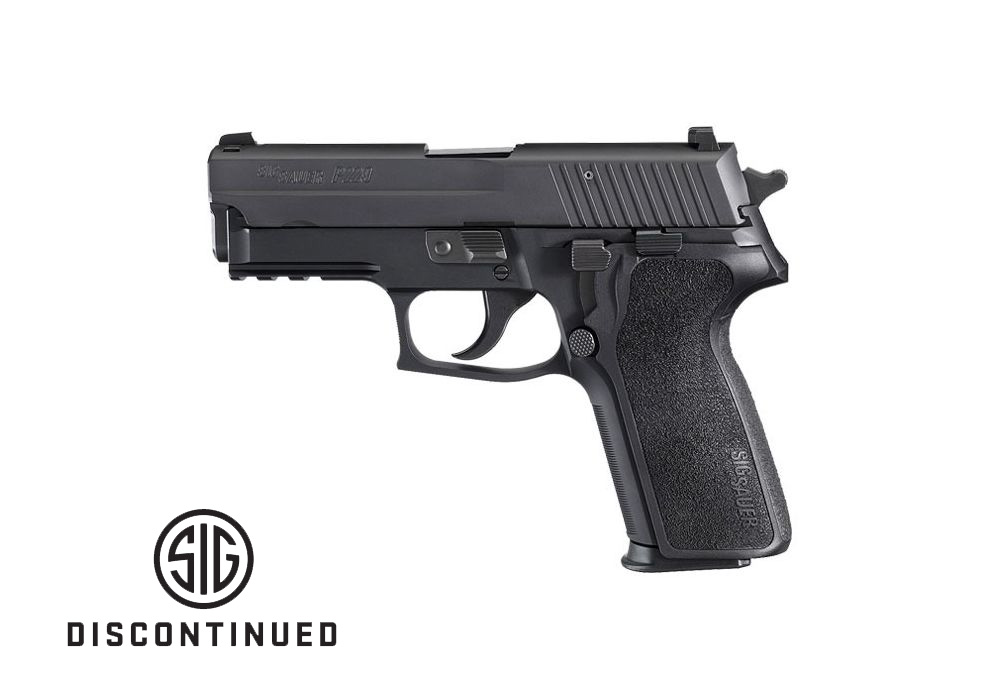
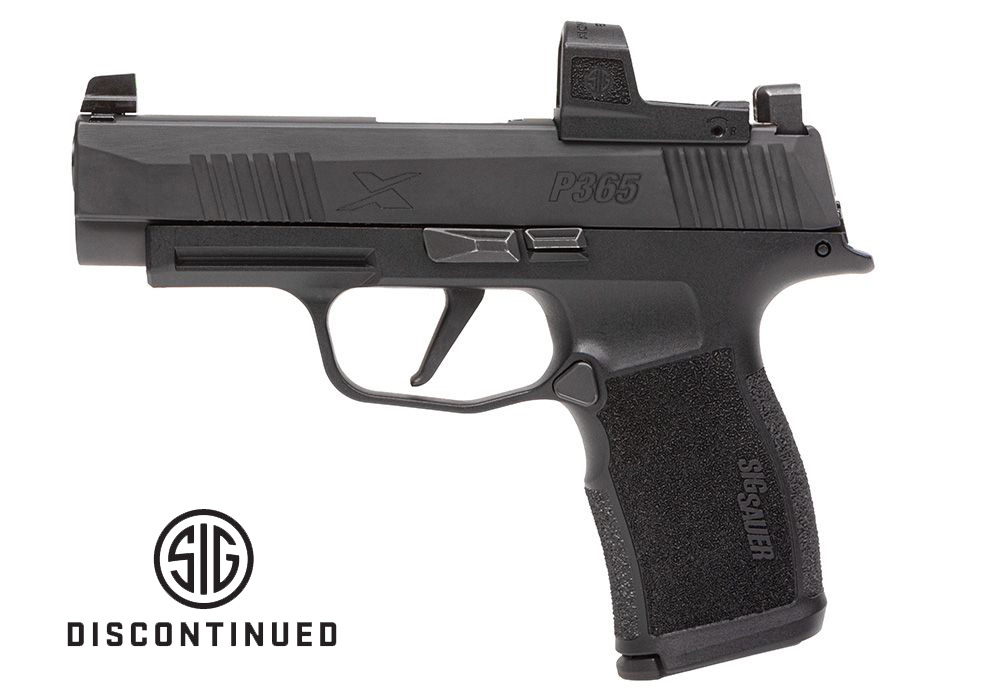
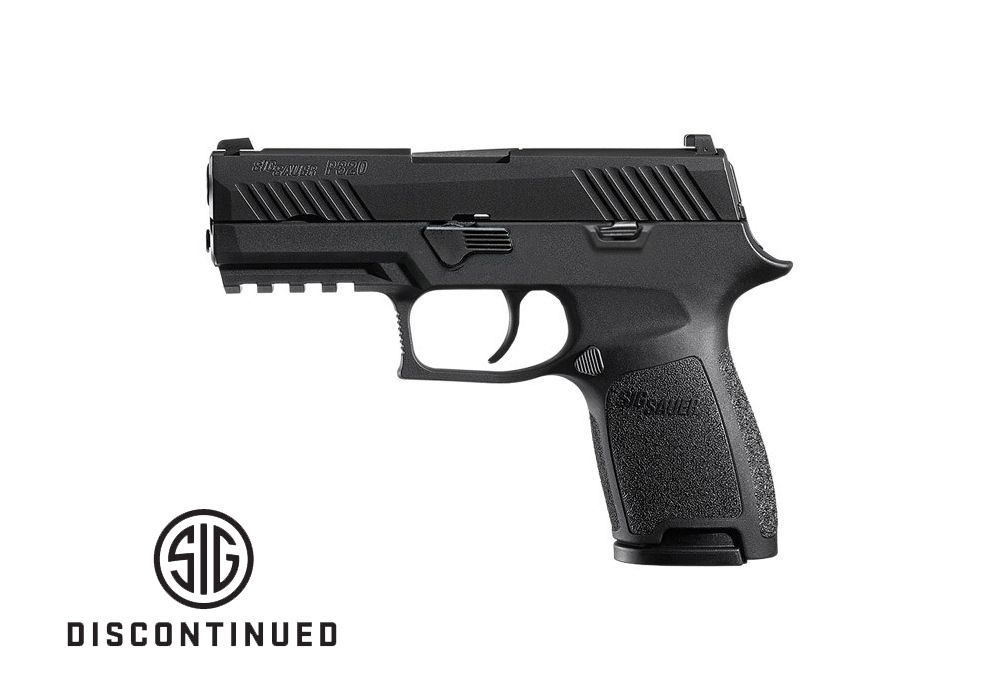
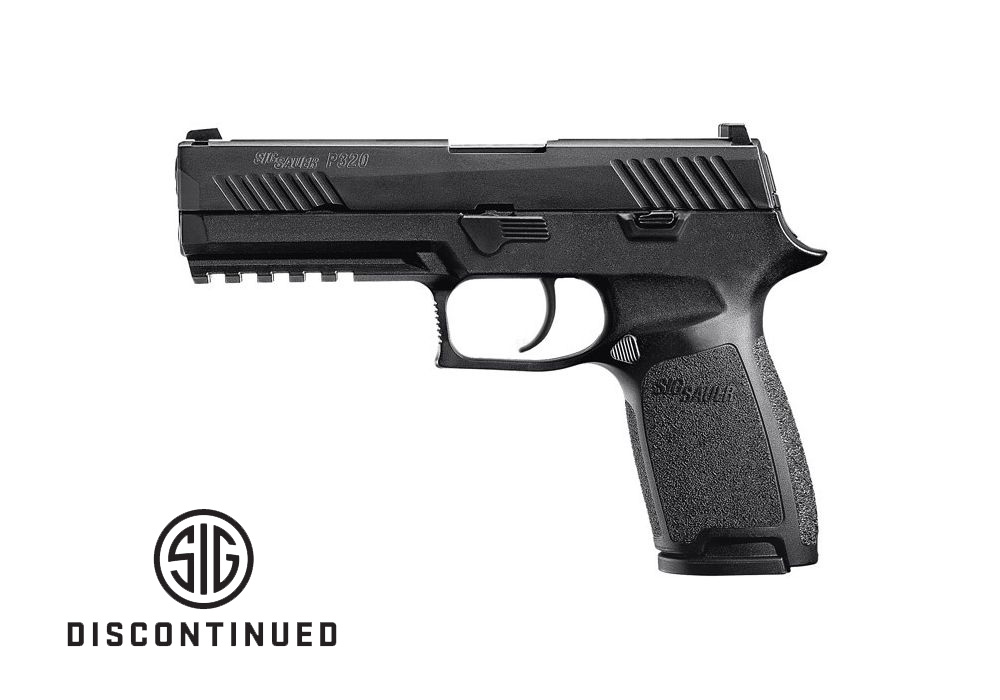
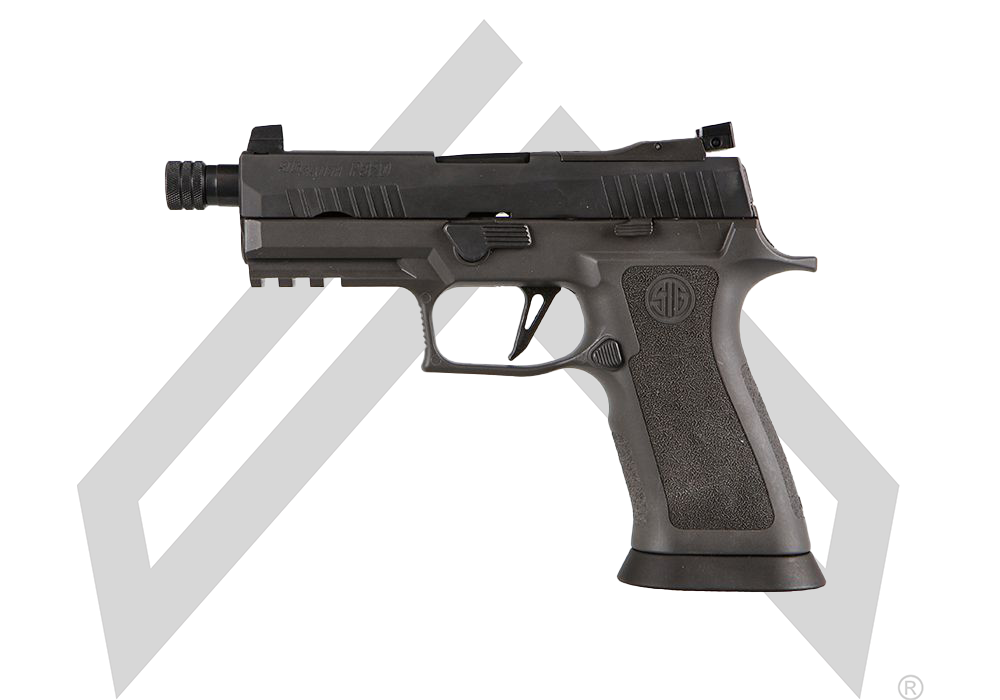
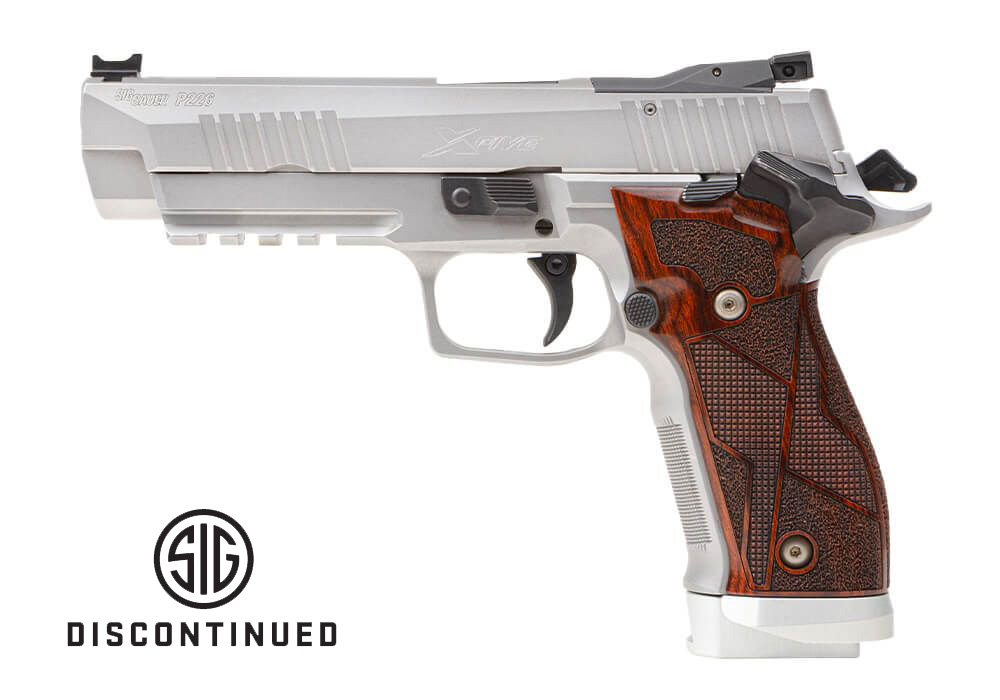
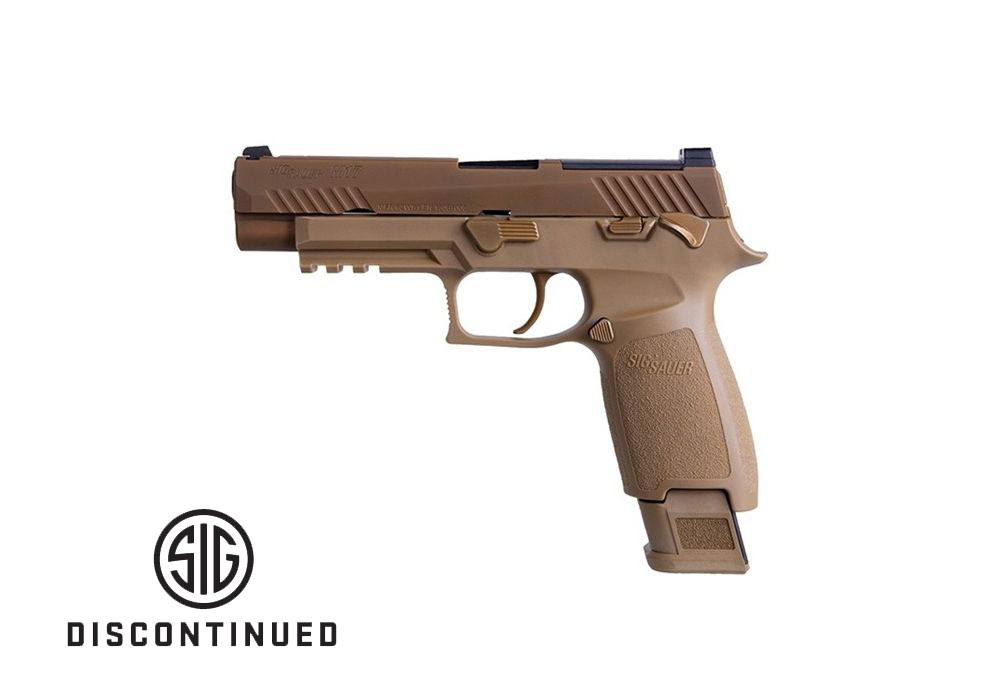
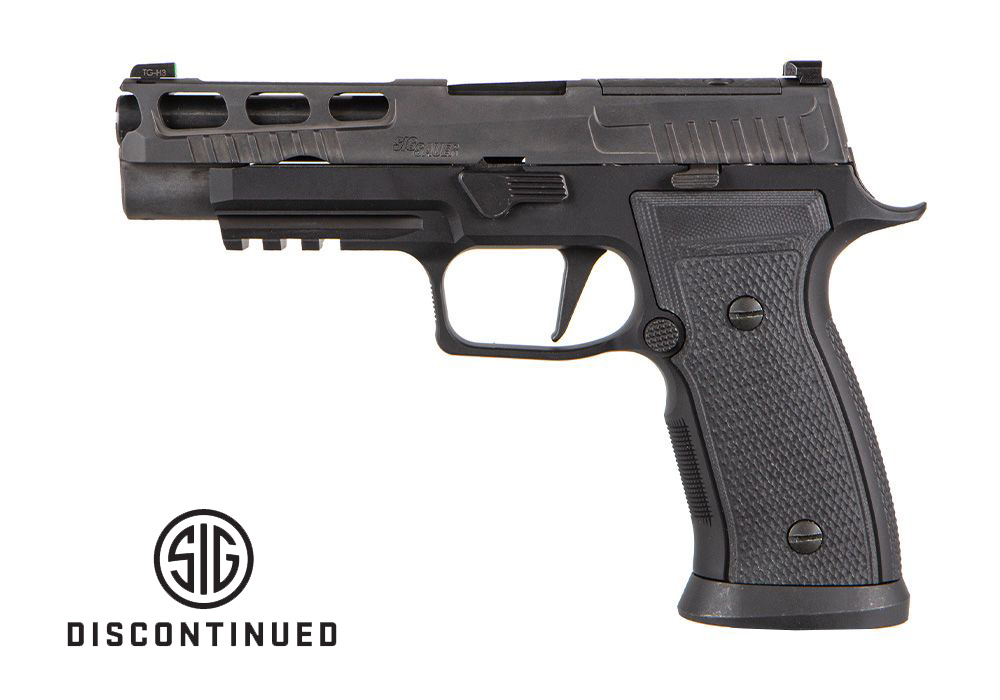
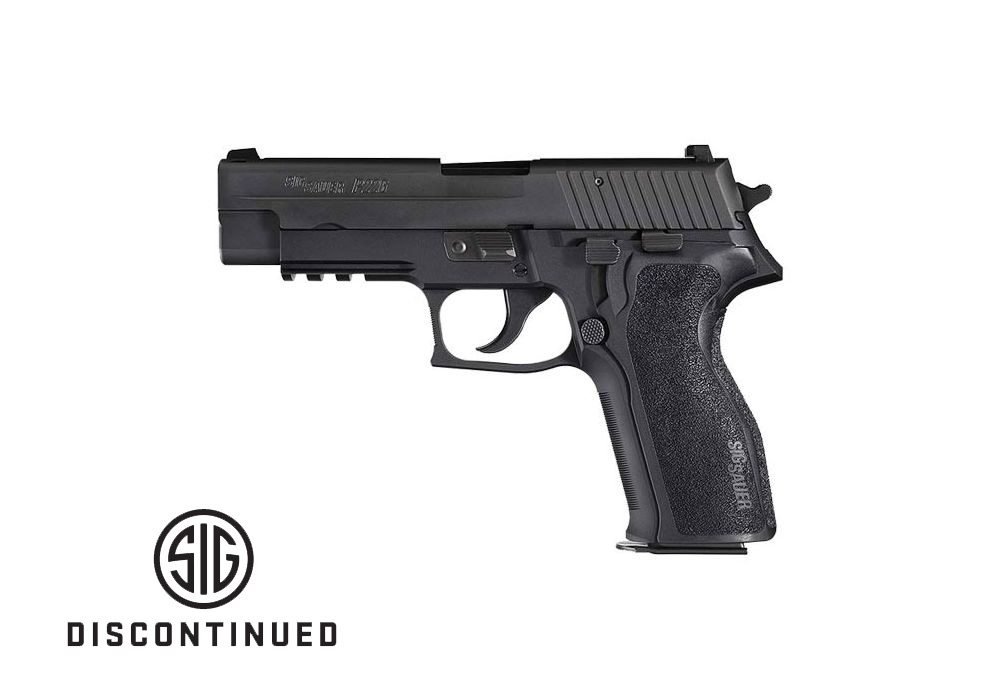
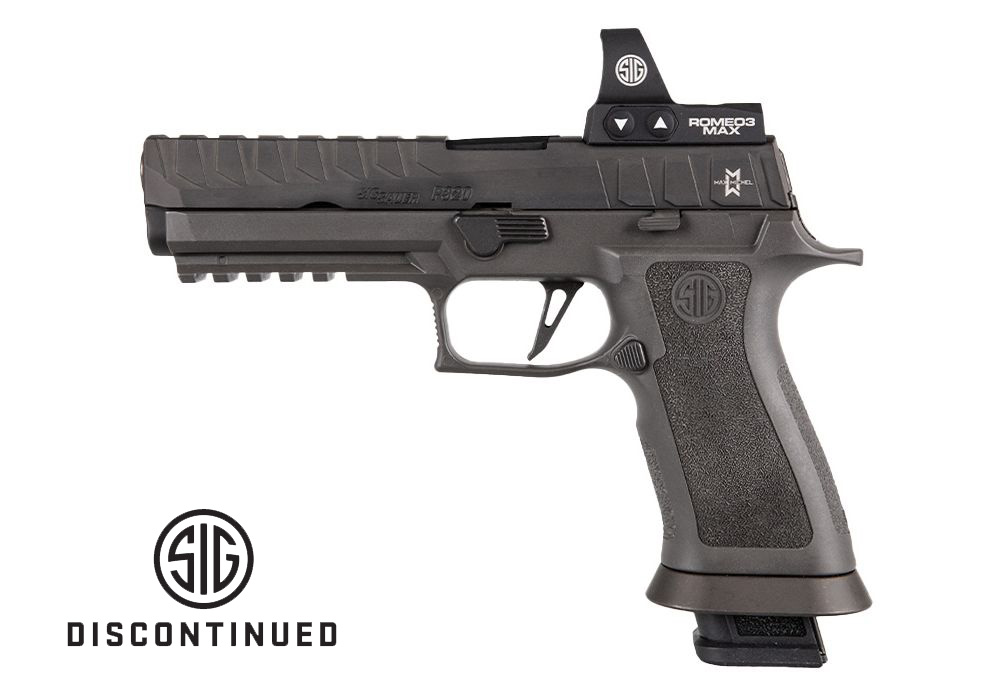
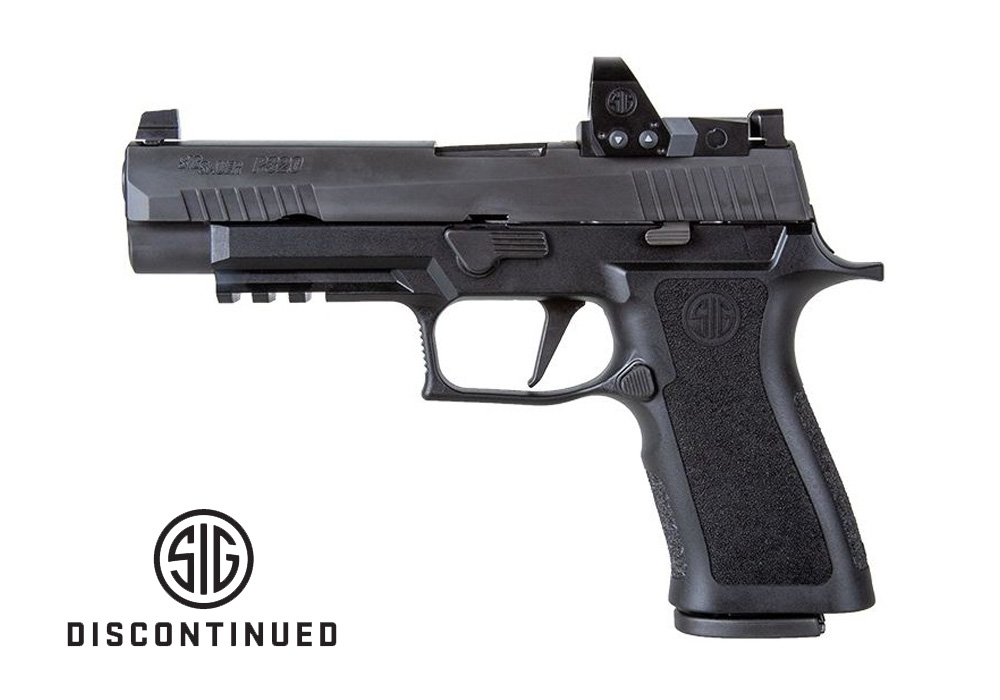
9mm target practice pistols are a practical choice for range sessions focused on accuracy, repeatable technique, and comfortable practice over time. The 9mm Luger cartridge is widely available in a broad selection of bullet weights and load types, giving shooters flexibility when comparing training ammunition and refining their preferred setup. A full-size frame can offer a longer grip, a steadier sight picture, and additional weight to help soften felt recoil, while a compact frame may be easier to transport and handle for shooters who value a smaller profile. For many range users, a barrel measuring roughly 4.5 to 5 inches provides a useful balance of sight radius, muzzle control, and portability. A longer sight radius can make small alignment errors easier to identify, especially when working on slow-fire groups at moderate distances. Frame material also influences the shooting experience: polymer frames are generally light and convenient, while metal-framed designs often feel especially settled in the hand. Grip shape, texture, and circumference deserve close attention because a pistol that fits naturally can help reduce fatigue during an extended practice session. A secure grip should allow the trigger finger to move independently while the remaining fingers maintain consistent pressure. Shooters comparing 9mm target practice pistols may also consider whether they prefer a striker-fired action or a hammer-fired design, along with the controls, sight system, and maintenance routine associated with each configuration. An adjustable or optics-ready sighting setup can support more personalized training, while traditional iron sights offer a straightforward way to build alignment and trigger fundamentals. For buyers browsing a wider selection, 9mm Luger Pistols can provide additional context when comparing frame sizes, barrel lengths, operating systems, and intended range use.
The right 9mm target practice pistol should suit the shooter’s experience, hand size, training goals, and local requirements. A new shooter may appreciate a full-size layout with uncomplicated controls, a predictable trigger, and sights that are easy to acquire during a supervised range session. An intermediate shooter might prioritize a smoother trigger press, a more pronounced grip texture, or a slide and frame configuration that supports quick follow-up shots without sacrificing control. Shooters preparing for organized competition often look for features that help them track the sights, return the pistol to target, and maintain a consistent cadence from one shot to the next. A crisp trigger break can help reveal whether movement is coming from the trigger press or from an inconsistent grip, though the overall feel should remain comfortable and controllable rather than simply light. The balance of the pistol matters as well. A front-heavy design may settle smoothly between shots, while a more evenly balanced frame can feel agile during transitions between targets. Controls should be easy to reach without forcing the hand to shift, and the magazine release, slide stop, and manual safety—when present—should be familiar before live fire begins. Buyers should also review the included sight arrangement, accessory rail, grip panels or backstraps, and the availability of compatible training gear. These details can shape the experience just as much as the headline specifications. A 9mm target practice pistol may be a thoughtful gift for an experienced adult shooter, especially when paired with range time, secure storage, eye and ear protection, and instruction rather than treated as a surprise item. Firearm gifts should always account for the recipient’s eligibility, preferences, and applicable laws, with ownership transferred through the proper process. For a first-time owner, a gift certificate, training course, or range membership may offer a safer and more useful way to support an interest in recreational shooting.
Practice with any pistol begins before the first round is loaded. Keep the firearm pointed in a safe direction, treat it as loaded until personally verified otherwise, keep the trigger finger indexed along the frame until the sights are on target and you have chosen to fire, and identify the target and what lies beyond it. Eye and ear protection should be worn for every live-fire session, and a qualified instructor can help establish a safe grip, stable stance, sight alignment, trigger control, and reload technique. During cooler months, layered clothing can affect the fit of a grip and the feel of the trigger, so shooters should confirm that sleeves and gloves do not interfere with controls or finger placement. At an indoor range, ventilation, lane rules, and approved ammunition policies deserve attention; at an outdoor range, changing light, wind, and a clear backstop can influence the session. A useful practice plan may begin with slow groups at a short distance, followed by deliberate work on sight tracking and controlled pairs as confidence develops. Keep notes on ammunition, group size, comfort, and any adjustment that improves consistency. After the session, follow the owner’s manual for unloading, inspection, cleaning, lubrication, and secure storage. A locked container that limits access is essential, particularly in homes with children or visitors. With the right fit, dependable components, and a thoughtful training routine, 9mm target practice pistols can support steady progress from the first careful sight picture through years of relaxed, skill-focused range time.