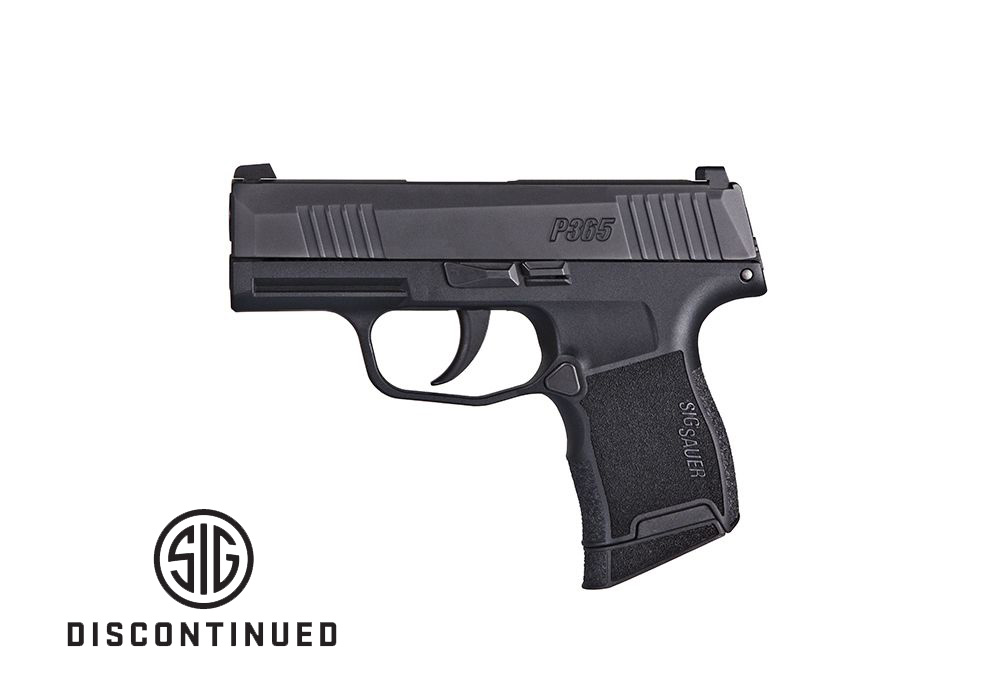
9mm magazines are a practical addition to a seasonal firearm accessory setup, especially as cooler weather changes how a handgun is carried, stored, and handled. A dependable magazine should match the exact firearm model and generation, seat securely, feed smoothly, and release cleanly without excessive play. Compatibility is the first consideration: 9mm cartridges are common across many compact, full-size, and modular handgun platforms, but magazines are not universally interchangeable. Even firearms chambered for the same cartridge can use different magazine bodies, locking notches, feed-lip dimensions, baseplates, and follower designs. Confirm the manufacturer’s compatibility information before ordering, and check whether the magazine is intended for a particular frame size or slide configuration. Standard-capacity magazines are often selected for concealed carry because they balance ammunition supply with a slimmer profile, while extended-capacity options may be useful for range practice, training sessions, competition, or other applications where a longer grip and additional rounds are acceptable. Local and state regulations may limit magazine capacity, so buyers should verify the rules that apply to their location before purchasing, possessing, or transporting any magazine. Fit also matters when clothing becomes heavier during the cooler months. A magazine that works comfortably with light summer clothing may feel different inside a belt pouch, coat pocket, chest rig, or range bag once additional layers are involved. Flush-fit designs can reduce snagging and preserve a compact outline, while extended baseplates can make a magazine easier to grasp with gloved hands. For anyone assembling a thoughtful gift for a new handgun owner, a spare 9mm magazine can be useful alongside a secure magazine pouch, eye and ear protection, a quality storage case, and a supply of compatible training ammunition. The most considerate gift is one selected for the recipient’s exact firearm rather than chosen by appearance alone.
Cold-weather use makes basic magazine care especially important. During wet walks to a range, outdoor practice, hunting trips, or daily carry through changing weather, moisture and debris can find their way into a magazine tube through the feed lips, witness holes, or baseplate area. Before use, inspect the magazine body for dents, cracks, bulges, damaged witness holes, or a loose baseplate. Check the feed lips for chips, spreading, or deformation, since these surfaces help position each cartridge for reliable feeding. The spring should provide consistent upward pressure, and the follower should move freely without binding when the magazine is unloaded and handled according to the firearm manufacturer’s instructions. Small amounts of grit, lint, snow, or dried mud can interfere with follower movement, particularly when temperatures drop and moisture begins to freeze. A clean, dry magazine is generally preferable to one coated with excess lubricant. Heavy oils may become sluggish in cold conditions and can collect dust or residue, so use a lubricant specifically suited to the temperatures and conditions where the firearm will be used, applying only the amount recommended for the component. Avoid storing a damp magazine in a closed case for extended periods. After outdoor use, allow equipment to dry gradually in a controlled environment, then inspect it again before storage. Rapid temperature changes can create condensation, and condensation can contribute to corrosion on metal components or freezing around moving parts. Polymer bodies are resistant to many forms of everyday wear, but they still deserve inspection for stress marks, cracks, and damage from impact or extreme temperature changes. Metal components should be checked for rust, especially around the spring, feed lips, locking areas, and baseplate. Marking magazines with a simple identifier can help separate training equipment from carry equipment and makes it easier to track any magazine that develops a feeding issue.
The right 9mm magazine depends on the firearm, the intended use, hand size, clothing, storage method, and applicable regulations. A concealed-carry user may prioritize a secure fit, a compact profile, and a spare magazine that can be carried without printing or snagging. A range shooter may prefer several matching magazines to reduce interruptions during practice, with consistent baseplates and followers that make loading and unloading more efficient. A homeowner may value clearly organized storage and a magazine that can be inspected quickly, while an outdoor user may place greater emphasis on protective pouches, weather resistance, and ease of handling with gloves. Magazine loaders can reduce thumb fatigue during extended sessions, and a dedicated pouch helps prevent loose magazines from collecting dirt at the bottom of a range bag. When comparing options, look at the construction, finish, spring material, follower design, baseplate shape, witness markings, and the availability of replacement components. Capacity should be selected deliberately rather than treated as the only measure of usefulness. Standard and extended capacity choices each have a place, provided they are legal, compatible, and appropriate for the firearm. Before relying on a magazine for defensive use or carrying it in colder weather, test it with the specific handgun and ammunition combination, confirming that it seats fully, locks in place, drops free when intended, and feeds consistently. Keep magazines stored unloaded or loaded according to the firearm maker’s recommendations and the owner’s established safety practices, and always handle firearms in a safe direction with the action clear when inspecting equipment. For shoppers preparing equipment as the weather turns cooler, related seasonal options may also be found among 9mm Magazines For Fall Hunting Season. A carefully selected spare magazine is a small accessory, but it can make practice more organized, carry equipment more adaptable, and seasonal firearm preparation more dependable.