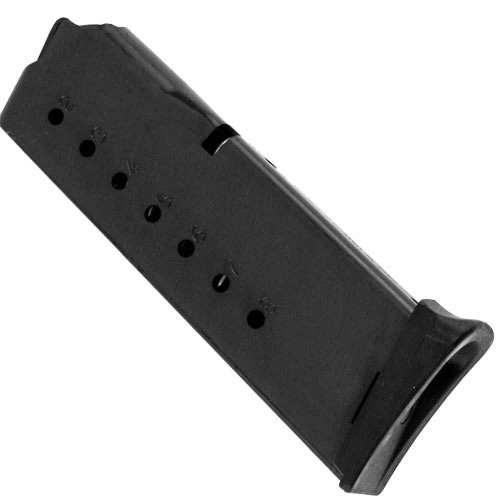
9mm magazines for tactical gear setups connect a firearm’s requirements with the practical demands of carrying, storing, and maintaining range equipment. Their suitability begins with exact platform compatibility, not simply the cartridge designation. Two magazines marked for 9mm can differ in body width, feed-lip geometry, catch location, follower design, and overall length, so a shared caliber does not establish an interchangeable fit. Even firearms within the same model family may require different magazines depending on frame size or generation. Manufacturer compatibility information is the clearest starting point for evaluating those differences. For handgun owners, the choice often centers on how the magazine matches the grip frame and whether its base sits flush or extends beneath it. A flush-fitting design keeps the overall profile compact, while a longer magazine can add weight and length that affect pouch fit, storage space, and handling comfort. Shoppers comparing shorter formats can explore 9mm Compact Magazines with those dimensional differences in mind. Pistol-caliber carbines introduce another compatibility consideration: some accept designated handgun-pattern magazines, while others use a platform-specific design. Compatibility should be confirmed for the exact firearm rather than inferred from appearance. Single-stack and double-stack construction also influence width and shape, which matters when matching magazines to existing carriers or compartments in a range bag. For recreational shooters, qualified professionals, and people attending supervised training, these details help distinguish a useful equipment addition from one that merely looks similar. A magazine that fits the firearm correctly but presses awkwardly against a pouch closure may not suit the rest of the setup. Conversely, a magazine that slides neatly into a carrier still needs the correct mechanical fit for its intended platform. The most useful comparison considers the firearm, the magazine, and the carrying equipment as related components, with published specifications providing firmer answers than broad claims of universal compatibility.
Materials and construction influence how 9mm magazines stand up to repeated handling, transport, and exposure to ordinary range conditions. Steel bodies offer rigidity and can keep wall dimensions relatively slim, while polymer bodies bring different weight, surface, and construction characteristics. Some designs combine materials, using metal reinforcement in selected areas alongside a polymer body or baseplate. Neither material alone establishes overall quality; dimensional consistency, component fit, and suitability for the intended firearm matter just as much. Surface finishes can help resist corrosion and everyday wear, but no finish eliminates the need for inspection and appropriate care. A magazine riding in a fabric pouch may collect lint around its base, while one used at an outdoor range can pick up fine dust or grit. During cooler months, moving equipment between cold outdoor air and a warmer room can introduce condensation, making moisture checks a sensible part of putting gear away. Feed lips, followers, springs, and baseplates each contribute to normal function, and visible damage or unusual movement deserves attention under the manufacturer’s maintenance recommendations. Distorted feed lips, cracks, significant corrosion, or a baseplate that no longer secures properly are reasons to stop using a magazine and seek appropriate service or replacement. Cleaning methods should suit the materials and finish, with disassembly performed only as directed by the manufacturer. More lubricant is not necessarily better, since excess residue can retain debris; product-specific care instructions should determine whether lubrication is appropriate at all. Durability also includes details that become noticeable over time, such as readable markings, secure baseplate attachment, and surfaces that tolerate routine contact with pouch hardware. Witness holes or translucent sections, where present, can provide a visual reference for remaining rounds, though their design varies. For equipment that travels regularly between secure storage, a range bag, and a training environment, straightforward inspection and maintenance can be as valuable as a particular body material or exterior finish.
A well-matched magazine collection also reflects how its owner actually uses and organizes equipment. Occasional range visitors may value uncomplicated fit, clear identification, and easy cleaning, while frequent training participants may place greater emphasis on consistent dimensions and durable construction across several compatible magazines. Professionals working under equipment policies need to follow those requirements rather than rely on generic descriptions of tactical suitability. The word “tactical” does not establish a separate compatibility standard or guarantee a particular level of performance; the useful details remain the magazine’s specifications, construction, and intended application. Pouch compatibility deserves its own consideration because a carrier described as suitable for pistol magazines may not accommodate every body width, length, or baseplate shape equally well. Closure clearance, retention design, and the manufacturer’s stated fit range all affect whether the pairing is appropriate. Taller baseplates can occupy more room in zippered cases, and textured surfaces may interact differently with fabric or molded carriers. Those differences become tangible when packing a bag beside eye protection, hearing protection, and other range essentials: equipment should have enough space to remain protected without forcing closures or putting pressure on exposed components. Keeping magazines identifiable by compatible platform can also simplify organization in households or collections containing several different 9mm firearms. Original packaging, labeled storage compartments, or a separate record of manufacturer information can preserve useful fit and care details long after purchase. For gift buyers, exact firearm compatibility is more important than choosing a familiar shape or a visually appealing finish. A recipient’s confirmed model information and preferred magazine format provide a better basis for selection than caliber alone, and applicable laws or workplace requirements may further limit suitable choices. Responsible ownership includes secure storage that prevents unauthorized access, along with adherence to local requirements governing possession and transport. Across recreational use, supervised instruction, and authorized professional applications, the strongest foundation for a practical setup is straightforward: verified fit, suitable materials, sound condition, and carrying equipment that accommodates the magazine without strain. Those qualities give 9mm magazines lasting relevance as functional components of an organized gear collection rather than accessories chosen for appearance alone.