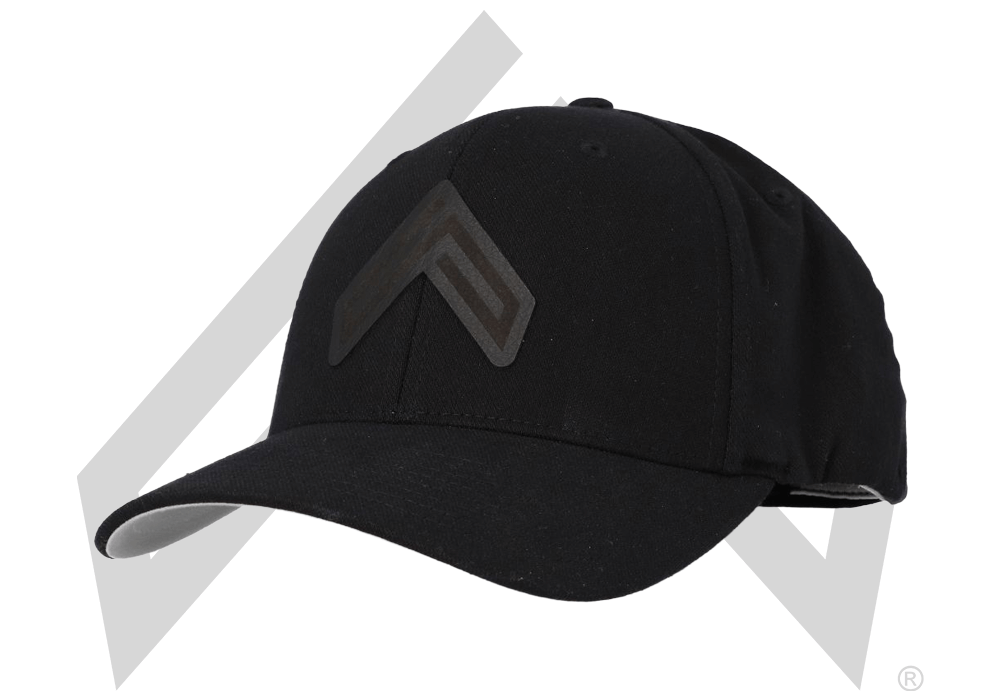
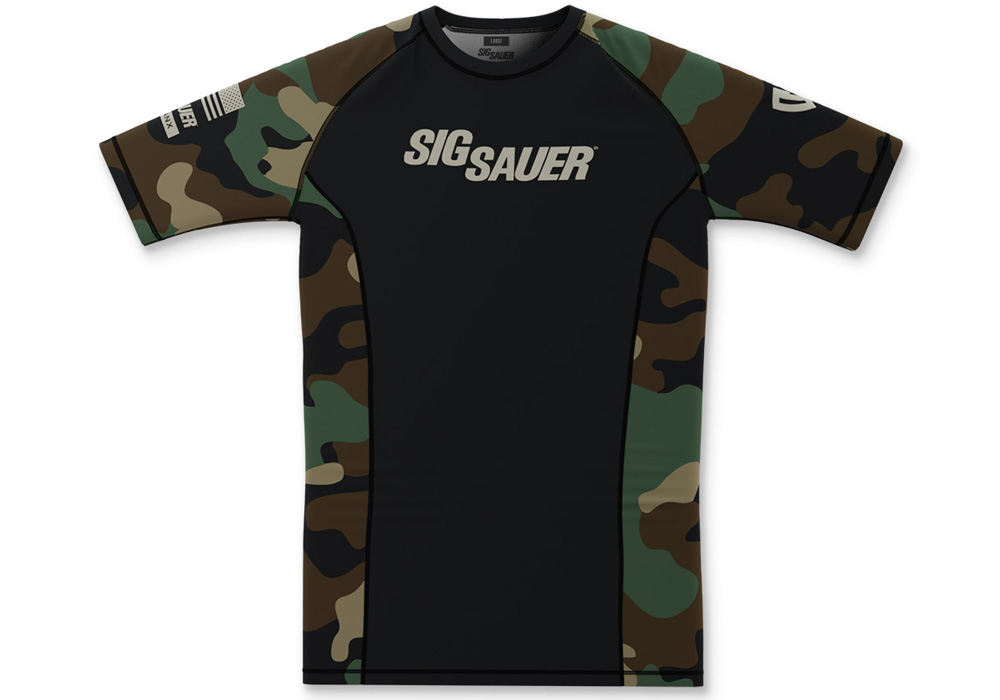
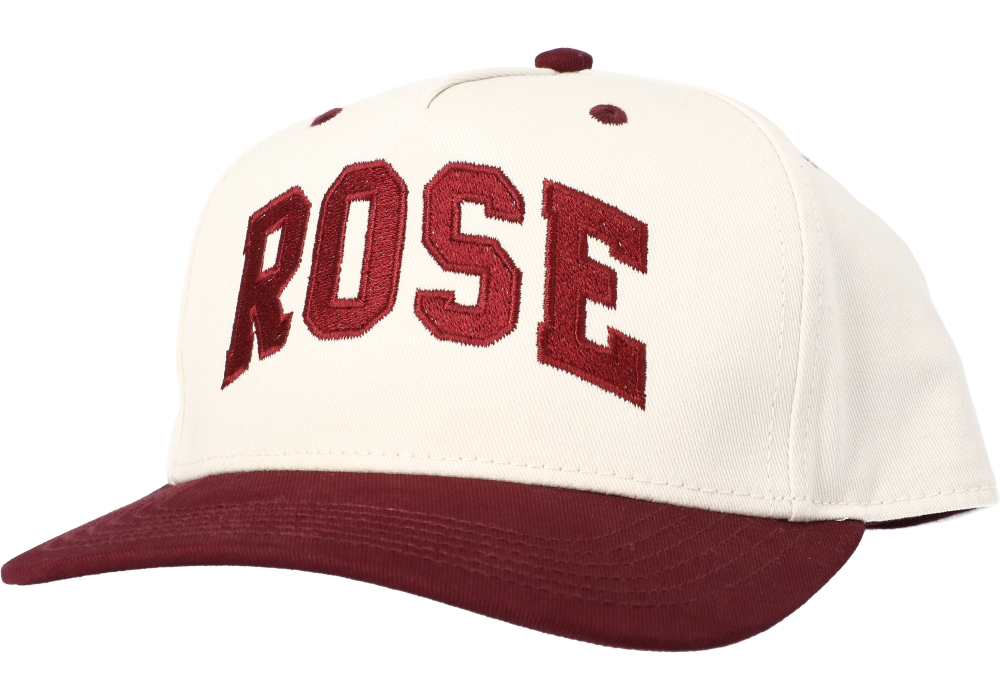
Accessories for gym wear are the supporting pieces that help manage sweat, improve comfort, organize essentials, and suit the demands of different workouts. They complement training clothing without needing to dominate an outfit, whether the routine involves lifting, indoor cycling, stretching, or moving between several activities in one session. Common accessory categories include headbands, training gloves, lifting straps, supportive sleeves, workout socks, water bottles, and gym bags. Each serves a different purpose, so usefulness matters more than matching every detail. A headband that stays in place through floor exercises, for example, solves a different problem from a pair of gloves worn during repeated pulling movements. Materials influence how these accessories feel against the skin and how well they handle frequent use. Polyester and nylon fabrics are common choices for moisture management and durability, while elastane adds stretch that helps a fabric follow movement without feeling rigid. Mesh panels allow airflow, and smooth, low-profile seams help limit rubbing where an accessory touches the forehead, ankle, or wrist. Cotton offers a familiar soft feel, although it tends to hold moisture longer than many performance fabrics. Fit is just as important as fabric: an accessory should stay secure without leaving uncomfortable pressure points or requiring constant adjustment between sets. Headwear needs to accommodate hair comfortably, and socks should sit smoothly inside training shoes rather than bunch beneath the heel or toes. Cushioning can soften contact underfoot, but excessive bulk may change the fit of footwear that already feels snug. For someone moving from a treadmill to a stretching mat, details such as a stable cuff, a flat toe seam, and a headband that does not slide forward become more noticeable than decorative features. Colors and silhouettes still have a place, especially when accessories coordinate with familiar training clothes, but dependable comfort is what keeps them in regular rotation.
Strength-training accessories have more specialized roles, and their value depends on the exercise, the training goal, and personal preference. Training gloves add a layer between the hand and equipment, with palm padding that can soften contact during repeated gripping. Flexible backs and articulated fingers help preserve movement, while a secure wrist closure keeps the glove from shifting. Too much padding can reduce the direct feel of a handle or bar, so comfort involves balancing cushioning with control. Lifting straps serve a separate purpose: they connect the hands more securely to a bar or handle during appropriate pulling exercises, reducing the extent to which grip fatigue limits a set. They are not interchangeable with gloves, and they are not necessary for every movement. Wrist wraps provide another kind of support by limiting wrist movement under certain loads; correct positioning and tension matter more than a bulky appearance. Supportive knee sleeves offer compression and a close-fitting layer around the joint, while lifting belts give the torso a surface to brace against during suitable strength exercises. None of these accessories replaces sound technique, sensible progression, or instruction when learning an unfamiliar movement. Their fit should allow the intended exercise without pinching, numbness, or restricted movement beyond the accessory’s purpose. Stretch recovery, secure closures, and reinforced stitching are useful durability considerations, particularly when gear is repeatedly tightened, loosened, and packed away. Neoprene is often used where a flexible, compressive feel is desirable, while woven webbing provides a firm structure for straps. Hook-and-loop fasteners should engage securely without exposing rough edges against the skin. A lifter performing rows may appreciate reliable grip assistance, while someone attending a mobility class may have little reason to carry the same equipment. That distinction keeps accessories tied to actual routines rather than turning a gym bag into a collection of gear that rarely gets used.
Organization and care complete the picture, because gym accessories need to work before and after the workout as well as during it. A training bag with separate compartments helps keep small essentials easy to find and worn clothing apart from clean layers. Smooth-operating zippers, reinforced handles, and straps that distribute weight comfortably matter when the bag travels between home, work, and a fitness center. Interior pockets are especially useful for keeping keys and other personal belongings from settling beneath clothing. A dedicated space for footwear can also help contain dirt, although ventilation and regular cleaning remain important. Hydration accessories deserve similar attention to everyday usability: bottle shape affects how comfortably it fits in a hand or bag pocket, and a secure lid helps prevent leaks during travel. Stainless steel offers a sturdy construction, while lightweight plastic can reduce the weight carried alongside training essentials. Wide openings simplify cleaning, and removable seals need attention because moisture can collect around them. Fabric accessories benefit from care suited to their materials and construction. Washing directions take priority, especially for padded pieces, elastic fabrics, and items with coated surfaces or closures. Allowing gloves, straps, sleeves, and bags to dry thoroughly before storage helps prevent lingering odors, while keeping rough fasteners away from delicate fabrics reduces snagging. Fraying webbing, loose stitching, flattened padding, and stretched-out elastic are signs that comfort or function may no longer be consistent. These practical details also make gym wear accessories thoughtful gifts for people with an established training routine, from a regular fitness-class attendee to someone who spends several sessions each week in the weight room. Accessories with personal fit requirements benefit from knowing the recipient’s measurements and preferences; storage and hydration categories are less dependent on precise sizing. For a coordinated approach to training clothing and complementary essentials, Athletic Gear And Apparel provides a related place to explore. The most useful accessories fit naturally into familiar habits, feel comfortable through repeated movement, and remain straightforward to clean, carry, and use again.