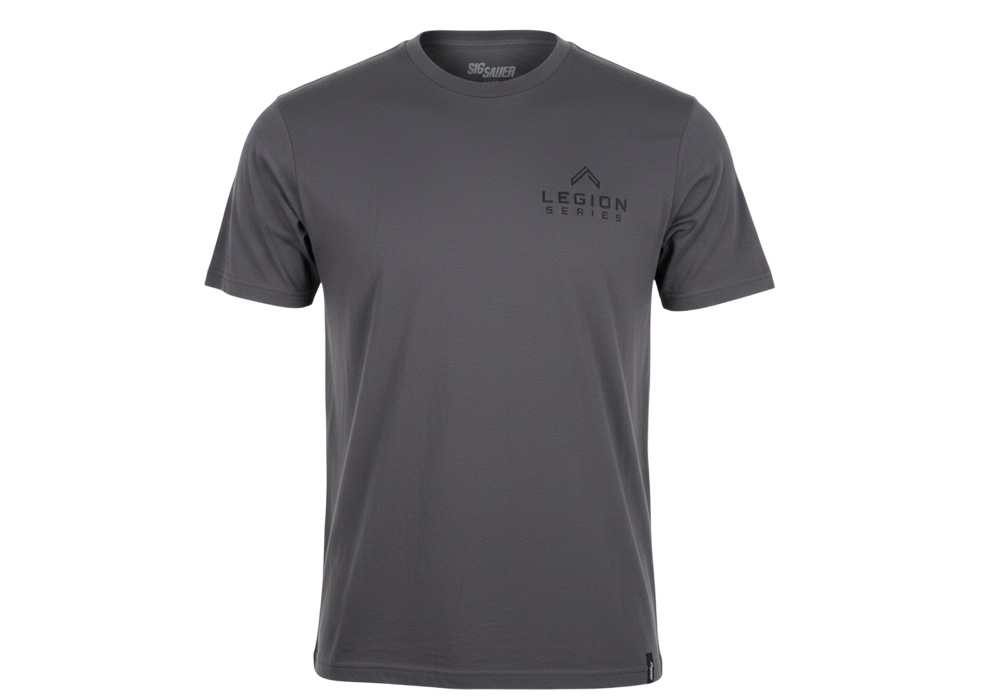
Gym apparel is clothing designed for exercise, with fabrics, fits, and construction details that support movement and help manage perspiration. Unlike everyday casual clothing, workout apparel often combines moisture-wicking fibers, stretch, and strategically placed seams to stay comfortable through repeated motion. Those qualities matter whether a session involves strength training, treadmill intervals, studio classes, or a steady walk on an indoor track. Polyester and nylon blends are common because they are lightweight, resist wear, and generally dry faster than cotton. Elastane adds flexibility so fabric can move with a deep squat, an overhead reach, or a long stride without pulling against the body. Cotton and cotton-rich blends offer a familiar, soft feel that can suit lower-intensity exercise and everyday wear, though they tend to hold moisture longer during strenuous activity. Fabric composition tells only part of the story: knit structure, fabric weight, and garment construction also influence breathability, coverage, and how clothing feels against the skin. A smooth, close-knit surface may feel different from an airy mesh panel, even when both contain similar fibers. Moisture-wicking fabric helps move perspiration away from the skin toward the fabric’s outer surface, where it can evaporate; it does not prevent sweating or guarantee that a garment will stay dry throughout a workout. For longer sessions, that distinction makes comfort and fabric feel just as important as a performance label. Lightweight construction can reduce bulk during cardio, while a more substantial fabric may offer the coverage and reassuring feel preferred for lifting or floor exercises. The most useful gym clothing fits the activity without demanding constant attention. It lets someone settle onto a bench, move through a circuit, or stretch on a mat without repeatedly adjusting a hem or waistband. For people who move between several types of training, versatile fabrics and straightforward silhouettes can serve a broader purpose than clothing tailored to one highly specific movement.
Fit shapes how gym apparel performs as much as the material itself. An athletic fit generally follows the body without excessive loose fabric, while a relaxed fit allows more room through the chest, hips, or legs. Close-fitting clothing can feel secure during repeated movement, but snugness should not restrict breathing, limit range of motion, or create pressure behind the knees and around the waist. Compression-style apparel has a firmer feel than ordinary fitted clothing; that feel is a preference rather than a requirement for an effective workout. Stretch should work alongside the cut of a garment, not compensate for a size that is too small. During strength training, a waistband that stays comfortably in place and seams positioned away from frequent contact points can make repeated sets less distracting. For running and cardio, smooth interior finishes and minimal excess fabric may help reduce rubbing as movement repeats. In mobility work and studio exercise, coverage during bending, reaching, and seated positions becomes especially noticeable. Fabric that looks opaque while standing may look different under tension, so coverage is best considered in motion as well as at rest. Garment length also affects comfort: hems should allow a full stride, and upper-body coverage should remain comfortable with arms raised. Supportive underlayers deserve the same attention to fit. For anyone who wears a sports bra, the appropriate level of support depends on activity, body shape, and personal comfort, with running and jumping typically calling for more control than slower, lower-impact movement. Bands should feel secure without digging in, and straps should sit comfortably rather than carrying all the support. Practical details can matter just as much as silhouette. A secure pocket may be useful for a locker key, but bulky contents can interfere with a bench exercise or bounce during intervals. Adjustable waist details, flat seams, and thoughtfully placed panels are worth evaluating according to how the clothing will actually be worn, rather than appearance alone.
Durability becomes apparent in the ordinary repetition of training: fabric stretching over the knees, seams flexing through lunges, and garments moving through regular wash cycles. Well-finished seams, even stitching, and fabric that returns to shape after stretching are useful signs of construction suited to frequent wear. Abrasion resistance matters where clothing meets benches, mats, or equipment, although no textile is immune to rough surfaces or persistent friction. Pilling can develop in high-contact areas, and stretch fibers can lose resilience when care does not match the garment’s needs. Care labels provide the most reliable starting point because similar-looking fabrics may require different treatment. Prompt washing after sweaty sessions helps prevent lingering odors, while turning garments inside out can reduce friction against the visible surface during laundering. Fastening closures and separating rough fabrics from smoother athletic knits can also help protect finishes. Excess detergent may leave residue, and fabric softeners can interfere with moisture management in some performance textiles. Following the recommended wash settings and drying method helps preserve fit, stretch, and surface texture; allowing clothing to dry fully before putting it in a gym bag is another simple habit that supports freshness. A practical workout wardrobe also reflects the person wearing it. Beginners may value uncomplicated fits that feel familiar, regular gym members may prioritize consistency across repeated sessions, and people balancing exercise with errands may prefer understated designs that work beyond the training floor. Related Athletic Gear And Apparel can complement that broader approach to an active routine. Gym apparel can also be a thoughtful gift for someone who enjoys fitness, especially when their preferred size, fit, and activities are already known. Familiar silhouettes and comfortable fabrics are generally more personal and useful choices than assumptions about someone’s training goals. Across different experience levels and exercise styles, the lasting value of workout clothing comes from dependable comfort, appropriate coverage, and construction that stands up to regular use. When those details suit the wearer, getting dressed for a session becomes one less thing to think about.