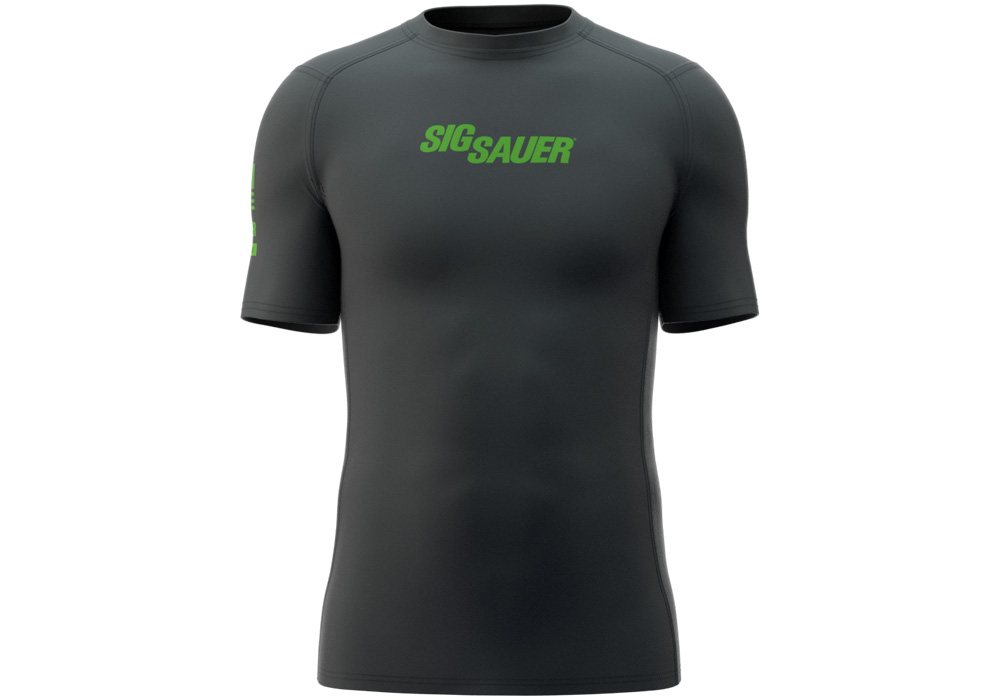
Athletic gear and apparel cover the everyday essentials that make movement more comfortable, practical, and enjoyable, whether the routine involves a morning run, a strength session, a recreational league, or a walk through the neighborhood. The right clothing starts with a comfortable fit and a fabric suited to the activity. Lightweight performance shirts are useful for training in warm conditions because breathable, moisture-managing materials help move perspiration away from the skin and allow air to circulate. Mesh shorts and other ventilated bottoms offer easy movement for gym workouts, court sports, casual errands, and relaxed days at home. Stretch fabrics are especially helpful for squats, lunges, cycling, yoga, and other activities that require a full range of motion, while a more structured waistband or drawcord can provide a secure fit during faster movement. Athletic apparel is often available across a wide range of prices, from budget-friendly basics for building a practical rotation to more specialized performance wear with refined construction, reinforced seams, compression panels, or carefully placed ventilation. A useful approach is to consider how often an item will be worn, how frequently it will be washed, and whether it needs to perform under demanding conditions. Someone who trains several times a week may appreciate owning several standard tops and shorts so a clean outfit is always ready, while a casual user may prefer versatile pieces that transition easily from exercise to everyday wear. During warmer weather, pale colors, airy knits, and shorter silhouettes can feel especially comfortable; as conditions become cooler, layering with a long-sleeve top, light sweatshirt, or fitted base layer makes it easier to adapt without restricting movement.
Selecting athletic clothing is also about matching the garment to the person wearing it. Runners often value low-bulk designs, smooth seams, and secure pockets for small essentials, while people focused on weight training may prioritize durable fabric, flexible construction, and a waistband that stays in place through repeated movement. For team practices and outdoor recreation, quick-drying materials can be useful when activity continues through changing conditions. Compression apparel may appeal to athletes who prefer a close, supportive fit, although the most important consideration is personal comfort and freedom of movement. Footwear should be evaluated with equal care: look for a shape that accommodates the foot naturally, cushioning appropriate to the activity, and traction suited to the surface. Socks, caps, gloves, towels, and other Accessories For Gym Wear can complete a dependable kit and help keep frequently used essentials organized. Fit should never be judged by size alone, since cuts vary between garments; compare measurements when available and consider whether the item is intended to sit close to the body or allow a relaxed layer underneath. It can also help to inspect care instructions before purchasing. Machine-washable pieces, colorfast fabrics, and materials that dry quickly are convenient for busy schedules, especially when clothing needs to be ready again after an evening workout. For outdoor use, consider visibility, weather resistance, and the ability to add or remove layers as the day changes. A breathable top may be ideal during a warm afternoon, while a light outer layer can make early starts and cooler evenings more comfortable without requiring a complete change of clothes.
Athletic gear and apparel can make a thoughtful gift for nearly anyone who enjoys an active lifestyle, from a student joining a school team to a friend preparing for a charity run or a family member refreshing a home workout wardrobe. When selecting a gift, versatile basics are often the safest choice: a comfortable training shirt, easy-moving shorts, a warm layer, or a set of useful accessories can fit naturally into many routines. If the recipient has a favorite activity, choosing around that habit adds a personal touch. A cyclist may appreciate apparel that stays comfortable in the saddle, a tennis player may need unrestricted shoulder movement, and a weekend hiker may benefit from layers that handle changing temperatures. For someone new to exercise, simple, durable pieces can remove small barriers and make it easier to establish a routine; for a seasoned athlete, replacing worn staples or adding a color and silhouette outside the usual rotation can feel equally valuable. During the transition from warm days to cooler months, adaptable apparel becomes particularly useful. Lightweight pieces can be worn alone when the air is mild, then paired with a sweatshirt, jacket, or base layer when temperatures drop. Practical details such as flat seams, tag-free labels, elastic cuffs, secure pockets, and reflective elements may seem minor on a hanger but become noticeable once a workout lasts longer than expected. The best choices tend to be the ones that feel natural in motion, wash reliably, and suit the wearer’s actual habits rather than an idealized routine. Whether assembling a complete training outfit or choosing one dependable addition, athletic gear and apparel can support comfort, confidence, and consistency across gym sessions, outdoor activities, travel, and everyday life.

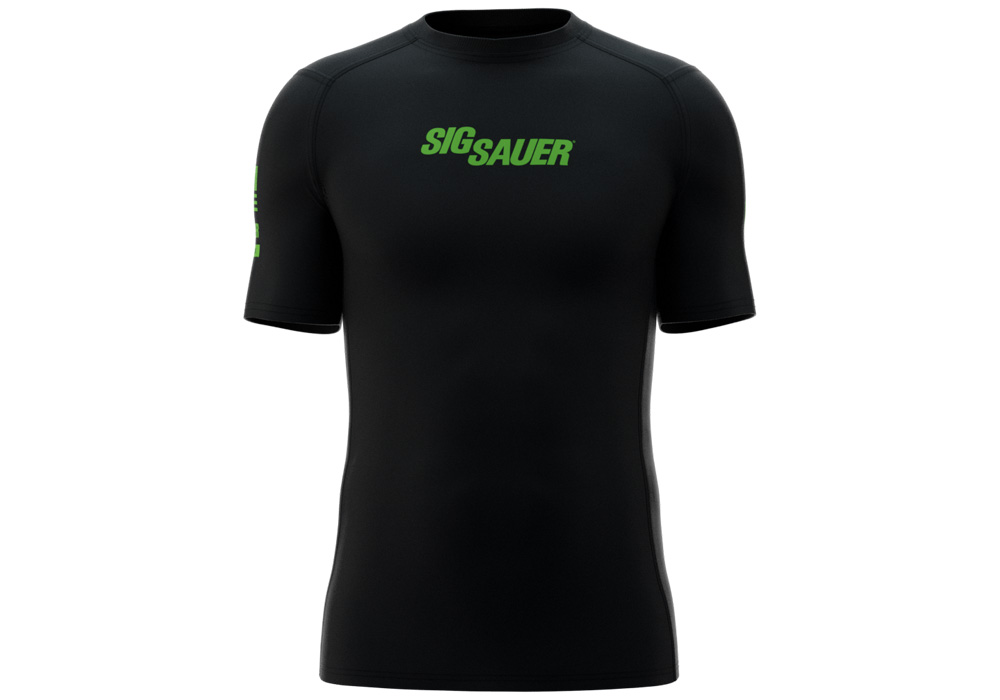
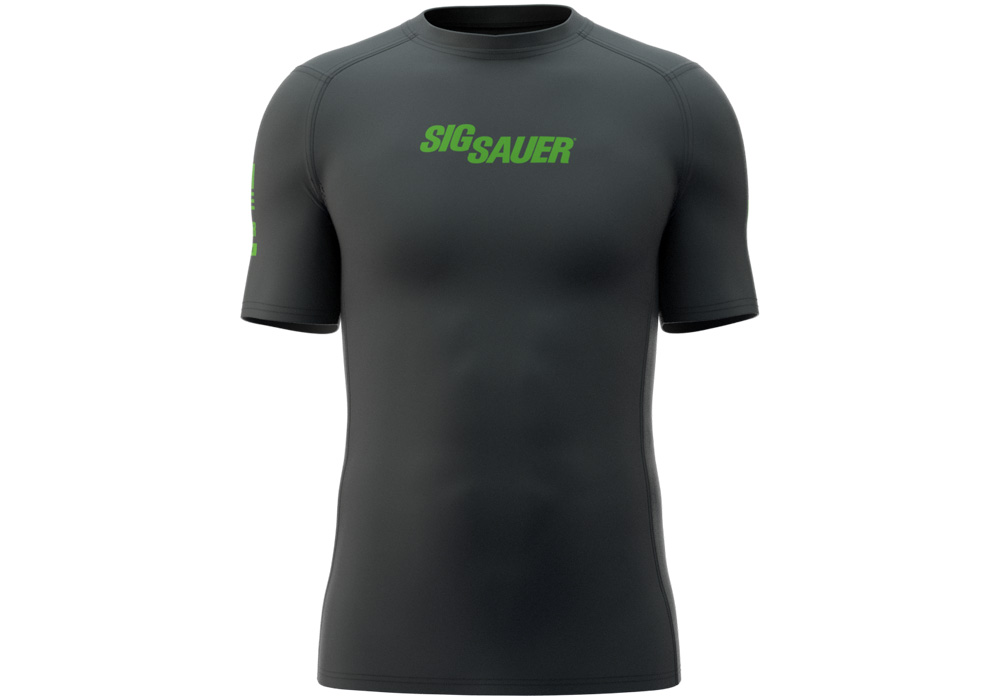
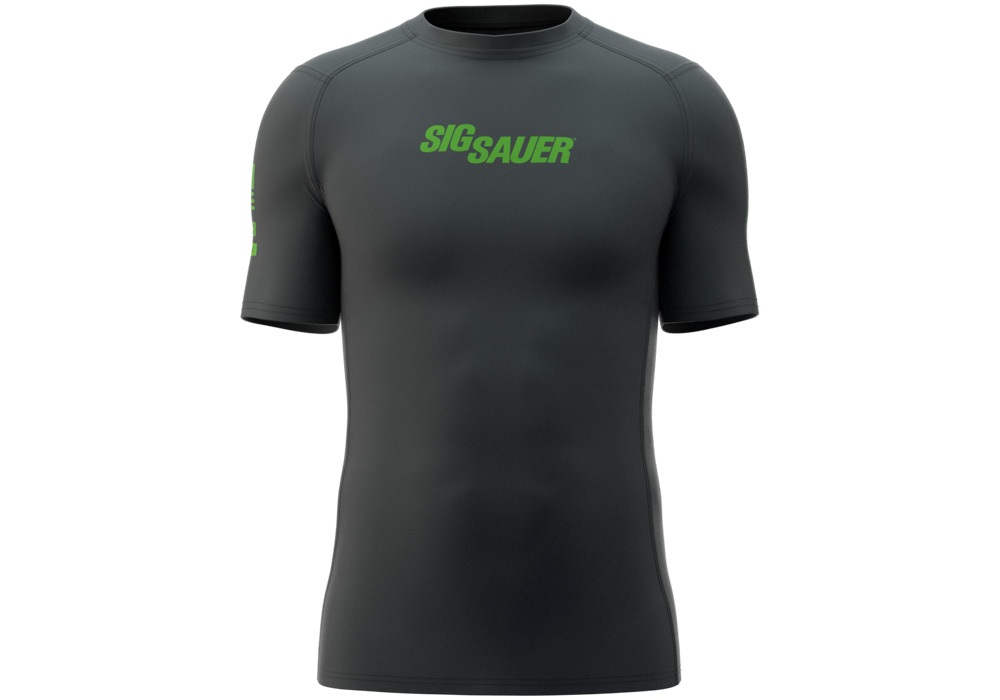
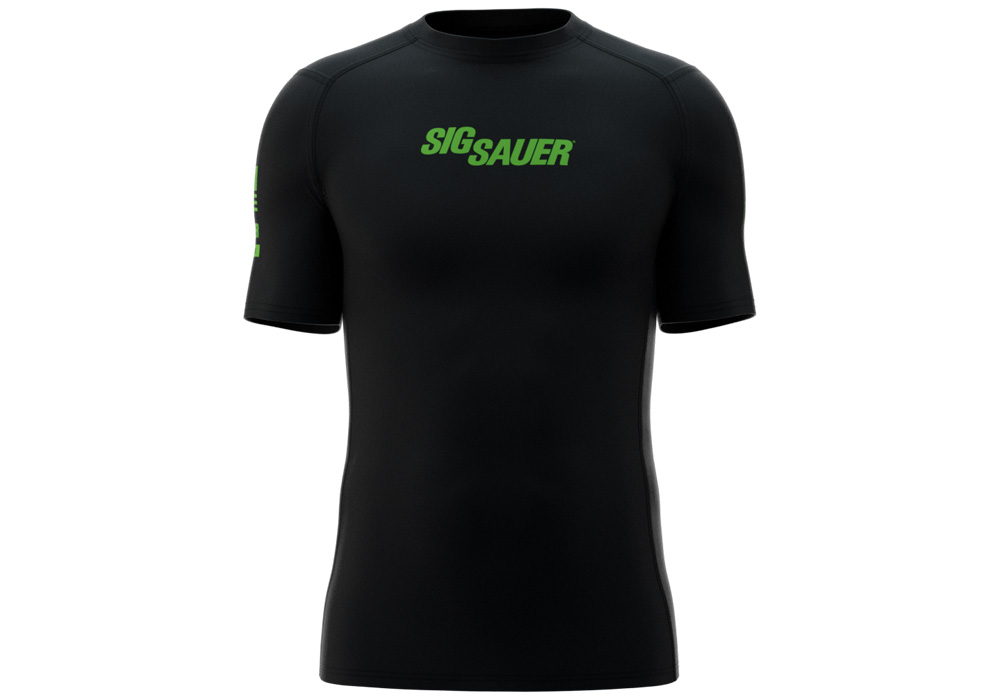
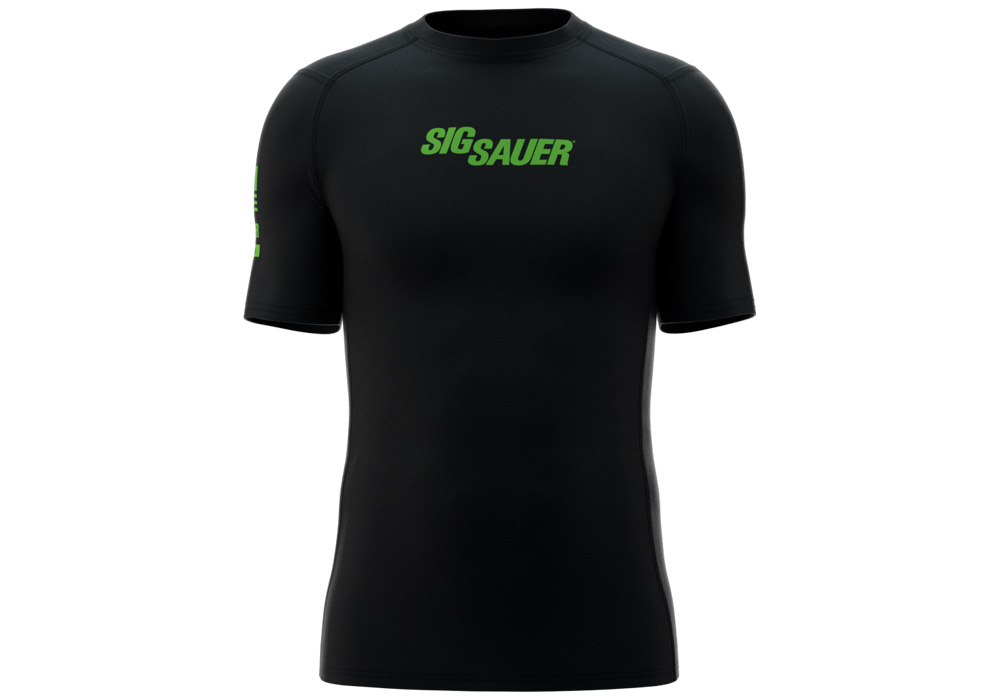
![SIG SAUER-PHALANX SHORT SLEEVE RASH GUARDS [SM LEFT]](http://www.sigsauer.com/media/catalog/product/8/3/8301110_front_web.jpg)


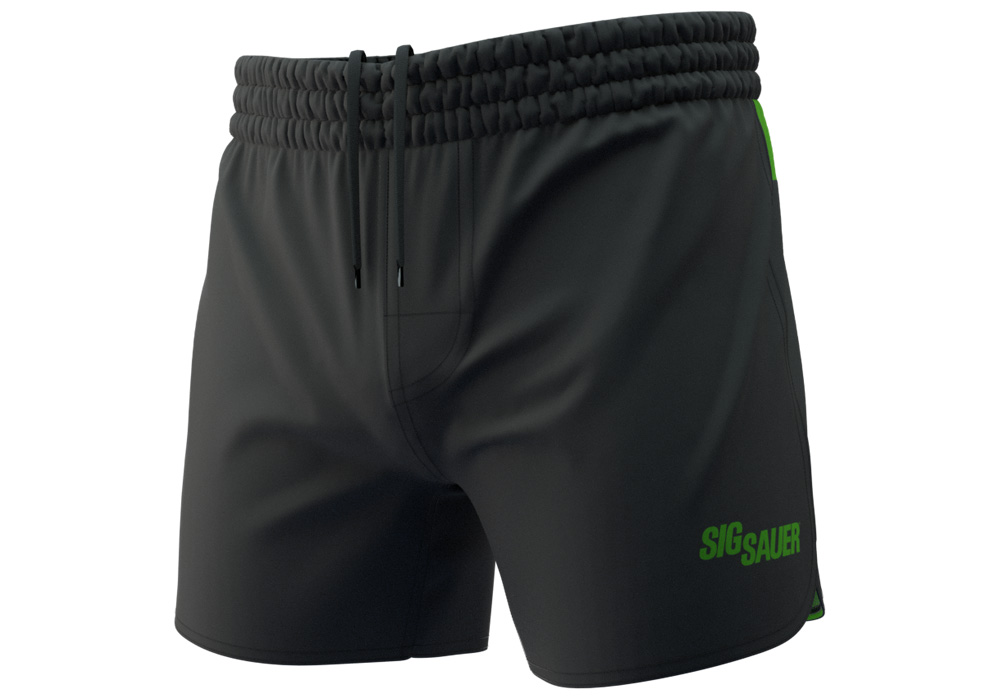
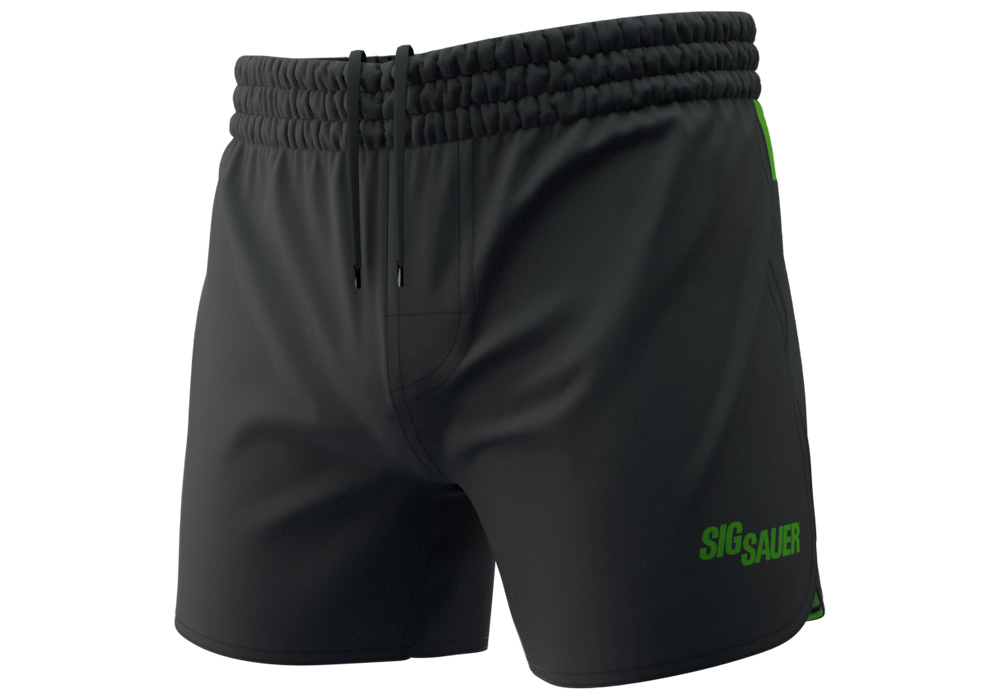
![SIG SAUER JIU JITSU SHORTS - MIAMI TIGER STRIPE [3XL LEFT]](http://www.sigsauer.com/media/catalog/product/8/3/8301248-front-new.jpg)