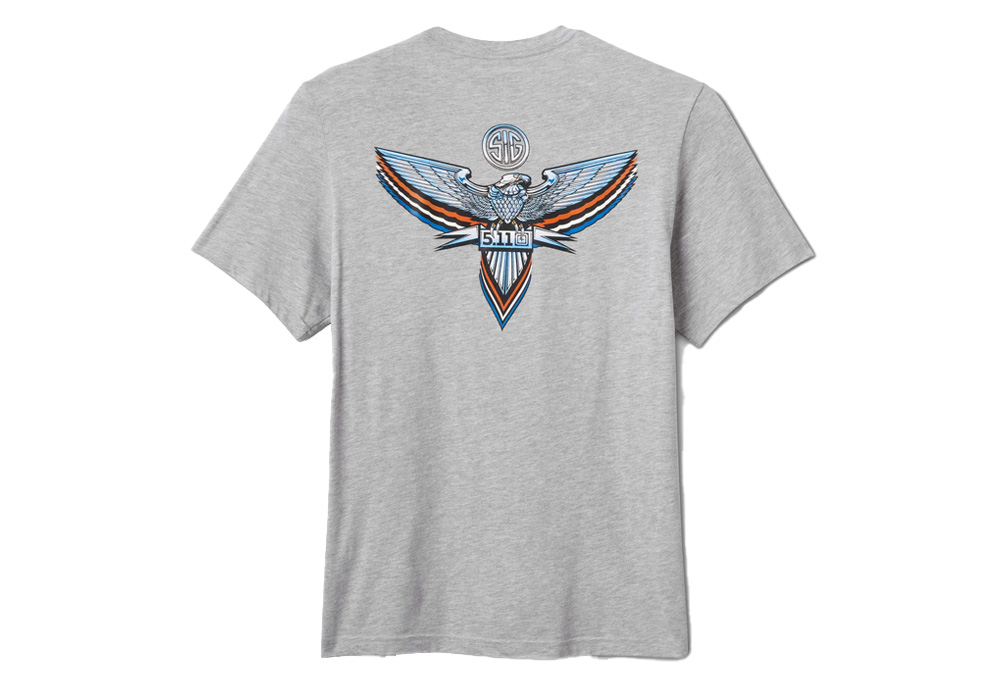
Apparel and gear support the ordinary parts of an active day: getting ready for a workout, spending time at the range, traveling between commitments, or heading out for a few errands. The most useful choices feel comfortable without demanding much attention. Fabric should sit comfortably against the skin, seams should stay out of the way, and the overall shape should allow natural movement rather than requiring constant adjustment. Materials play a large part in that experience. Cotton often provides a soft, familiar feel, while polyester can contribute resilience and quicker drying after washing. Blends containing elastane may offer additional stretch, especially through areas that bend or reach. Fiber content alone does not tell the whole story, though. Fabric weight, knit structure, seam placement, and finishing all influence how apparel feels through several hours of wear. A smooth interior can matter just as much as an appealing exterior, particularly when clothing stays in contact with the skin during repetitive movement. Fit is equally personal. Some people prefer a closer silhouette that stays clear of surrounding equipment; others want extra room through the shoulders, chest, or waist. A comfortable fit accommodates sitting, bending, reaching, and walking without pulling at the neckline or gathering awkwardly. Measurements and fit descriptions provide a better reference than a familiar size label by itself, since proportions can differ between styles. For everyday wear, versatility often comes from restrained graphics, balanced proportions, and colors that work with clothing already in regular rotation. Details become meaningful in familiar moments: reaching into an overhead compartment, leaning across a workbench, or sitting through a long drive. Apparel that remains comfortable through those movements earns its place through repeated use. Personal style still matters, whether the preference is for a quiet look or a more visible expression of enthusiasm for training and time outdoors. The goal is clothing that feels like a natural part of the day rather than something that needs to be managed around it.
Practical gear serves a similar purpose, helping personal belongings stay organized and easy to handle through changing activities. A useful design has an understandable layout, accessible compartments, and closures that operate without unnecessary effort. Dimensions matter more than appearance alone: something that looks compact in a photograph can feel different when carried, stored, or placed beside other belongings. Interior organization can reduce the small frustrations of a busy routine, such as searching through a crowded compartment before leaving home or sorting tangled contents after a trip. Smooth edges, secure stitching, and well-finished attachment points contribute to a better everyday experience, while excessive bulk can become inconvenient when space is limited. Durability depends on more than a rugged-looking surface. Repeated stress tends to concentrate around seams, corners, handles, and openings, making reinforcement in those areas especially relevant. Woven synthetic materials can offer useful abrasion resistance, although construction and care remain important to long-term performance. Closures should move cleanly, linings should sit neatly, and any adjustable components should hold their position during normal use. These are practical qualities rather than decorative extras. For someone moving between home, a training session, and a range visit, orderly storage can make transitions less distracting and help keep personal essentials separate from activity-specific equipment. Everyday accessories complement that routine without replacing protective equipment or secure storage appropriate to the activity. Clothing for active use benefits from the same attention to function. Comfortable seams, a suitable range of motion, and a fit that stays consistent during movement help keep attention on the task. For routines that include regular workouts, Gym Apparel provides a focused category to explore alongside everyday apparel and gear. Whether the day involves repeated exercise movements or simply a lot of walking, useful design is often most noticeable when nothing rubs, catches, shifts, or gets in the way. That unobtrusive comfort helps distinguish an accessory or garment that becomes part of a routine from one that rarely leaves its storage space.
Apparel and gear can also be thoughtful gifts when the choice reflects how the recipient actually spends time. Familiar colors, preferred fits, and established routines usually provide better clues than an unfamiliar activity or a bold style departure. Someone who exercises regularly may appreciate clothing that suits their usual movement, while a frequent traveler may place more value on straightforward organization and easy care. For a birthday, a personal milestone, or a simple thank-you, relevance gives a gift lasting usefulness. Sizing deserves particular attention with apparel: a known measurement or a fit preference is more helpful than guessing from appearance. When personal preferences are less familiar, uncomplicated styling and flexible everyday uses can make the selection feel considered without being overly specific. Care requirements also affect how comfortably apparel and gear fit into real life. A garment that needs special handling may be less convenient for someone who washes training clothing frequently, while an accessory that is easy to clean can be particularly practical after regular travel or range visits. Care labels should guide washing, drying, and cleaning because different fibers, finishes, and printed details respond differently to heat and cleaning products. Gentle treatment often helps preserve shape and surface appearance, but the appropriate method depends on the material rather than a universal rule. Letting damp fabrics dry fully before storage helps prevent lingering odors, and keeping abrasive surfaces away from softer fabrics can limit unnecessary wear. Occasional attention to seams, closures, and attachment points can reveal small problems before they interfere with normal use. These habits support the qualities that matter most over time: a consistent fit, comfortable handling, dependable construction, and an appearance that remains presentable through repeated use. For personal use or gifting, apparel and gear are most satisfying when their purpose is clear. Comfortable materials, sensible proportions, accessible organization, and manageable care requirements give everyday essentials a useful place in an established routine, whether that routine centers on fitness, recreation, travel, or simply a full day away from home.