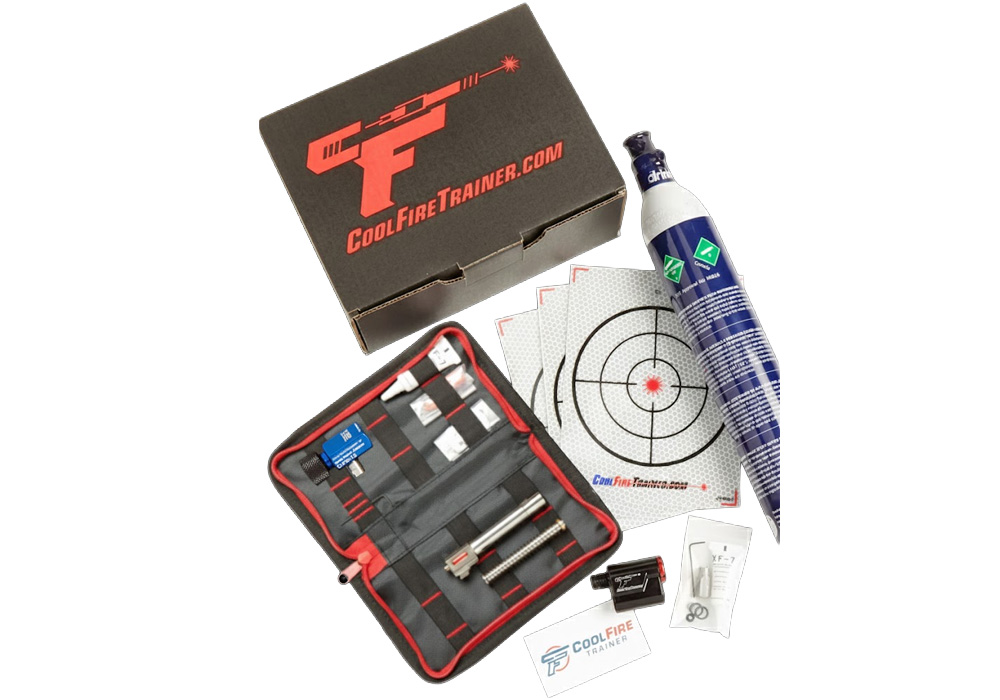
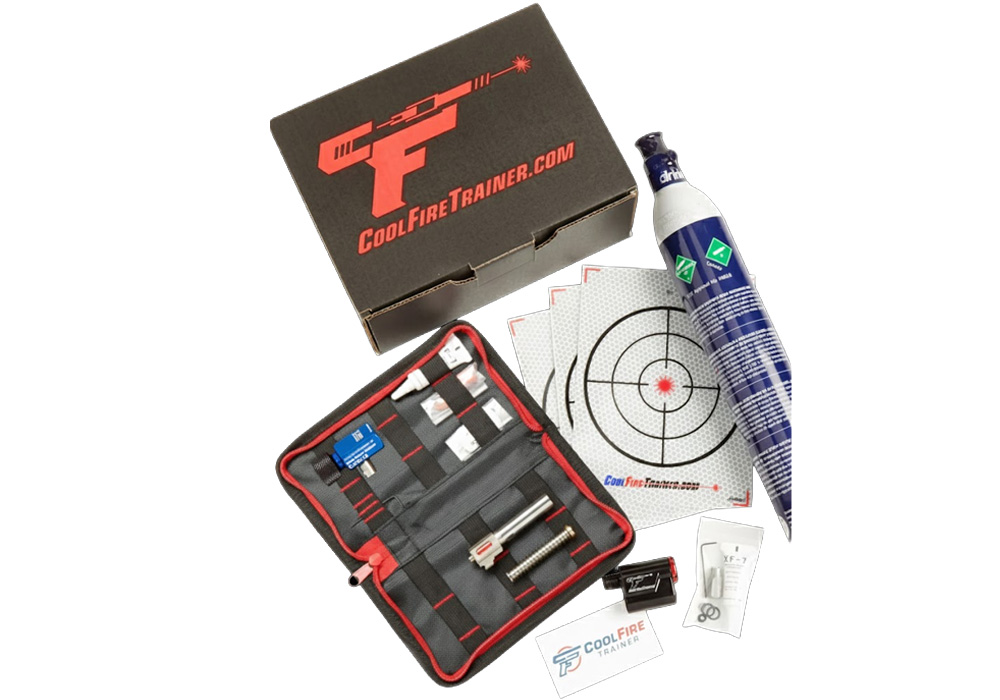
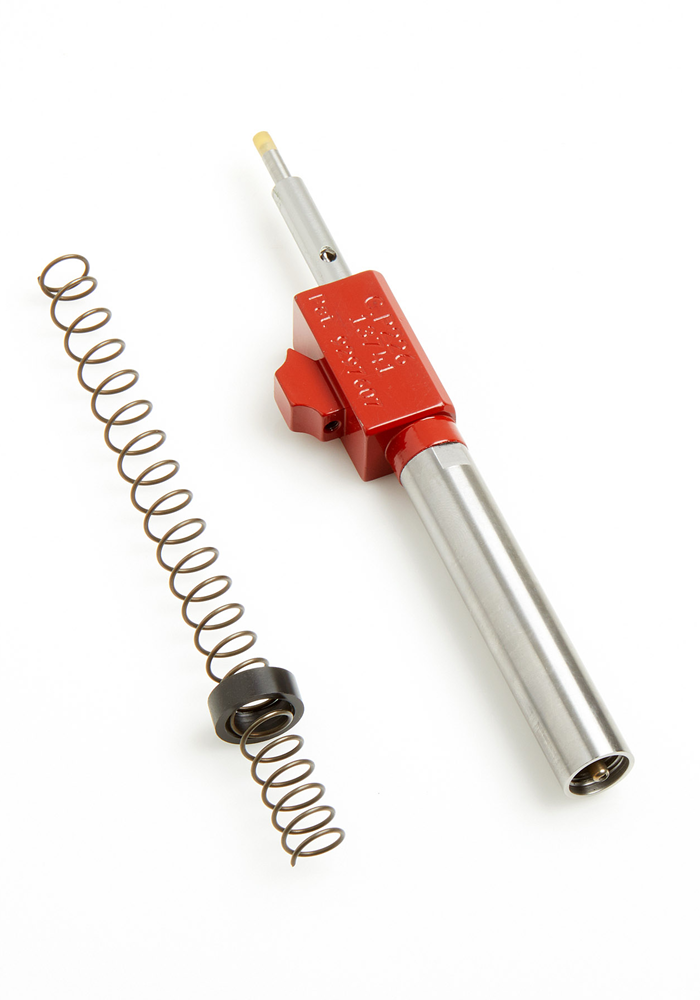
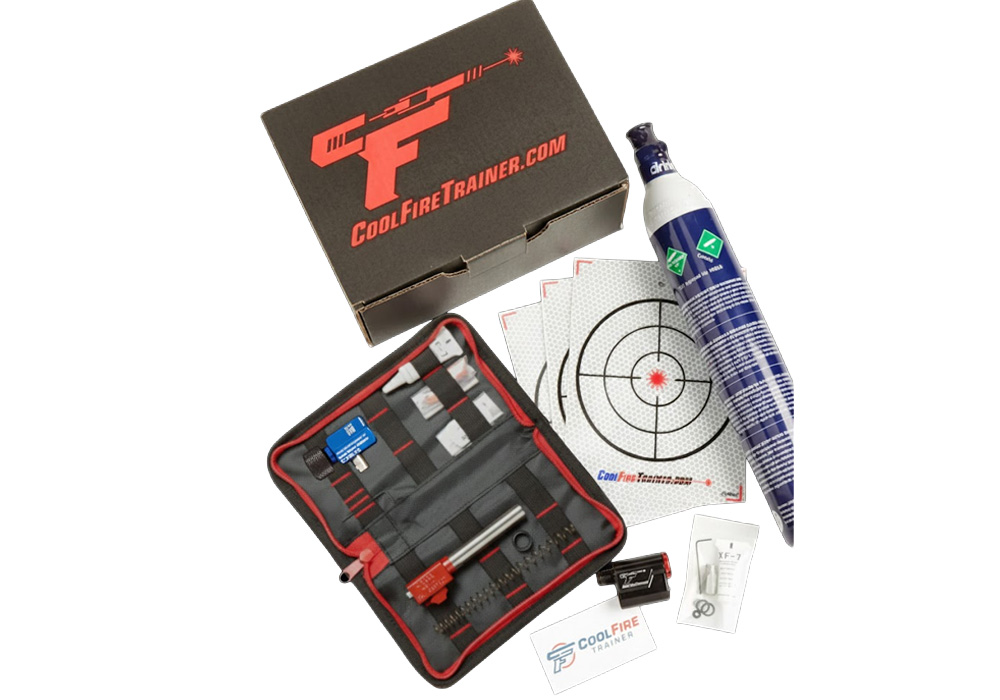
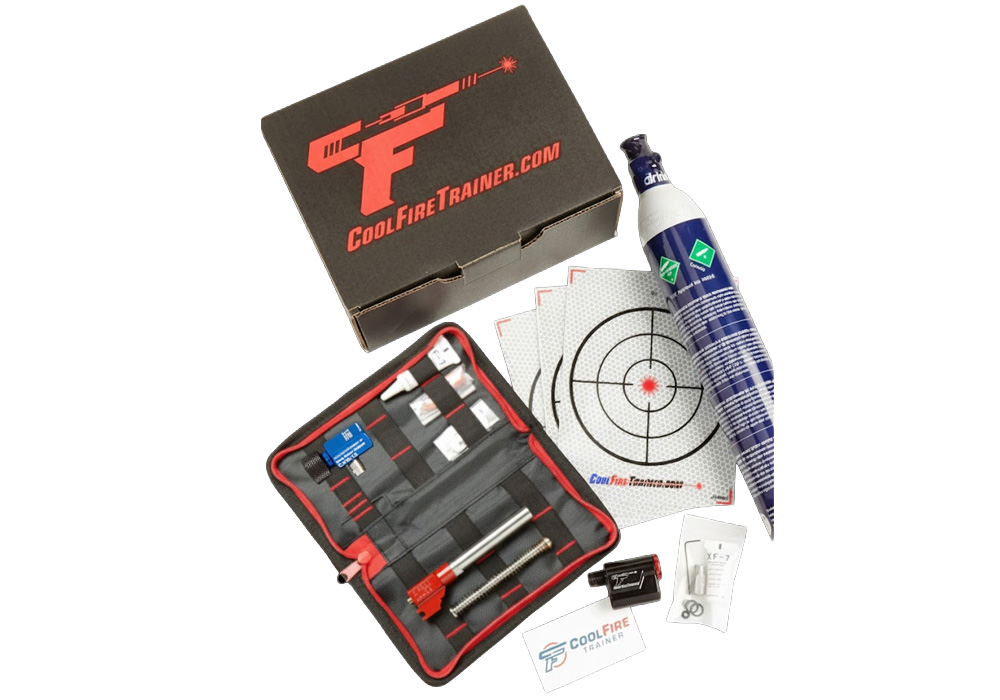
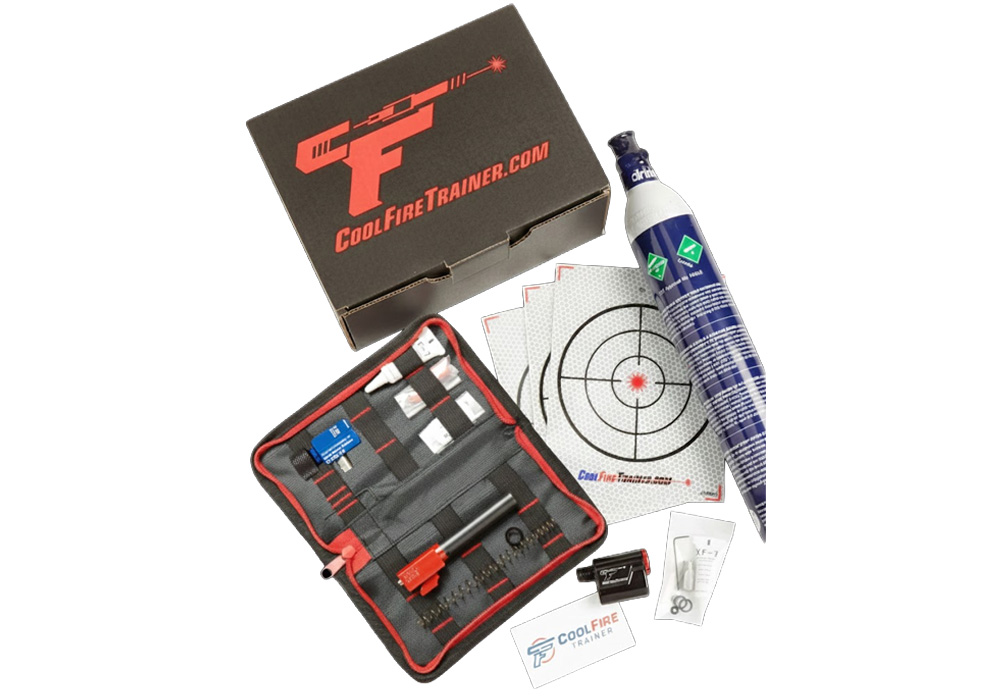
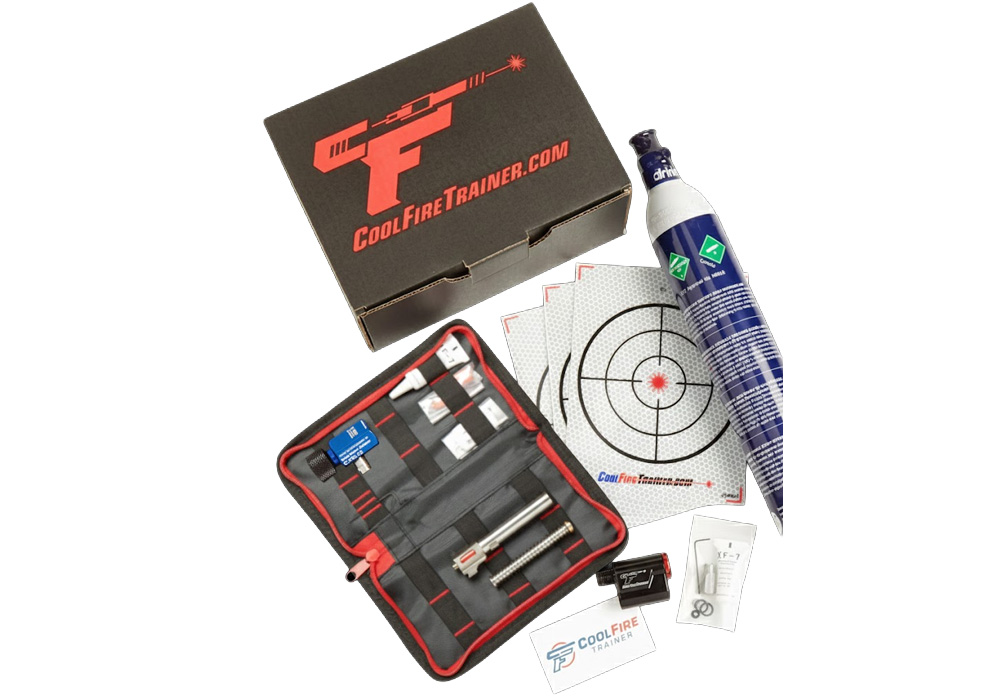
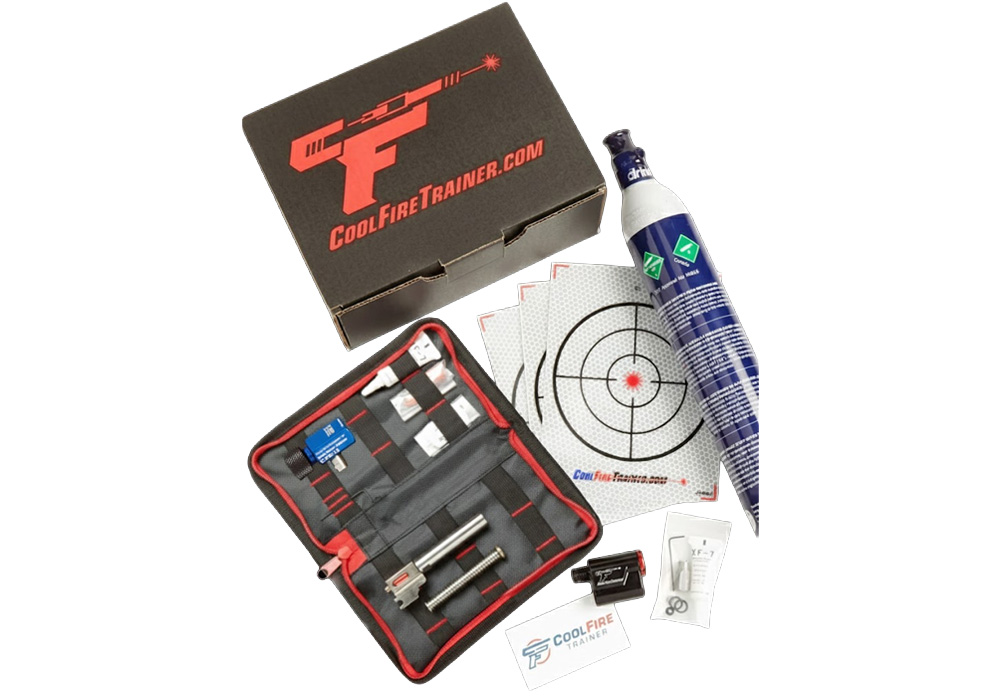
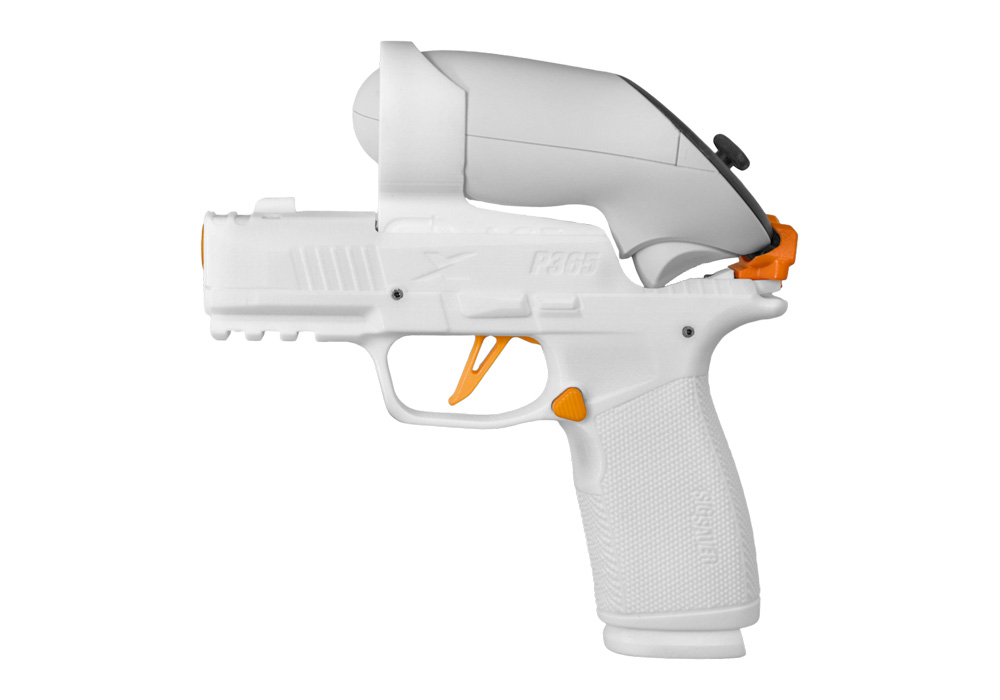
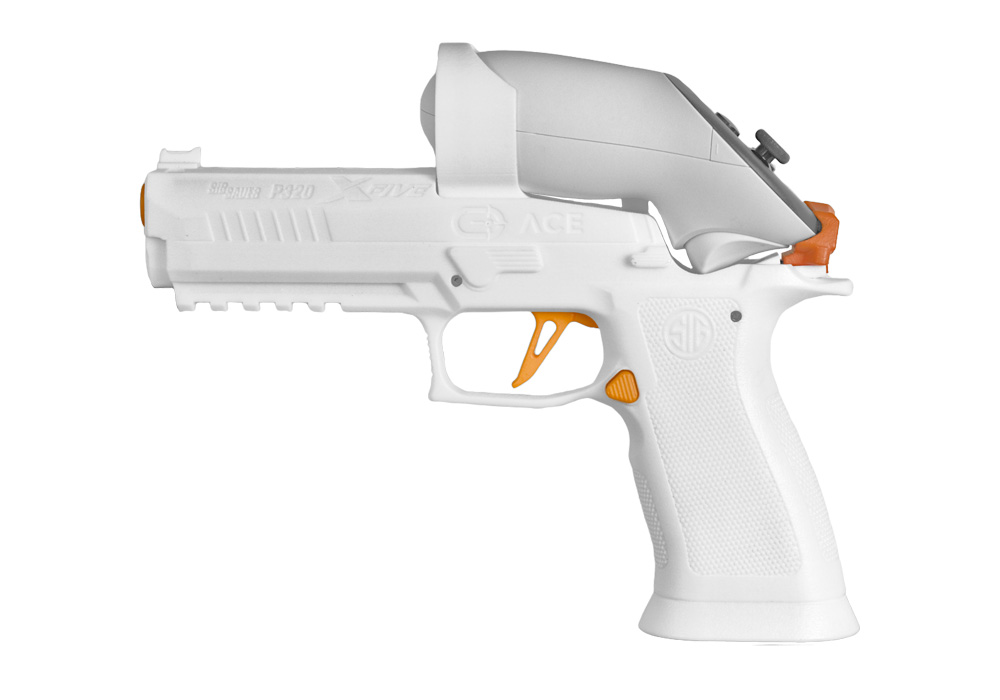
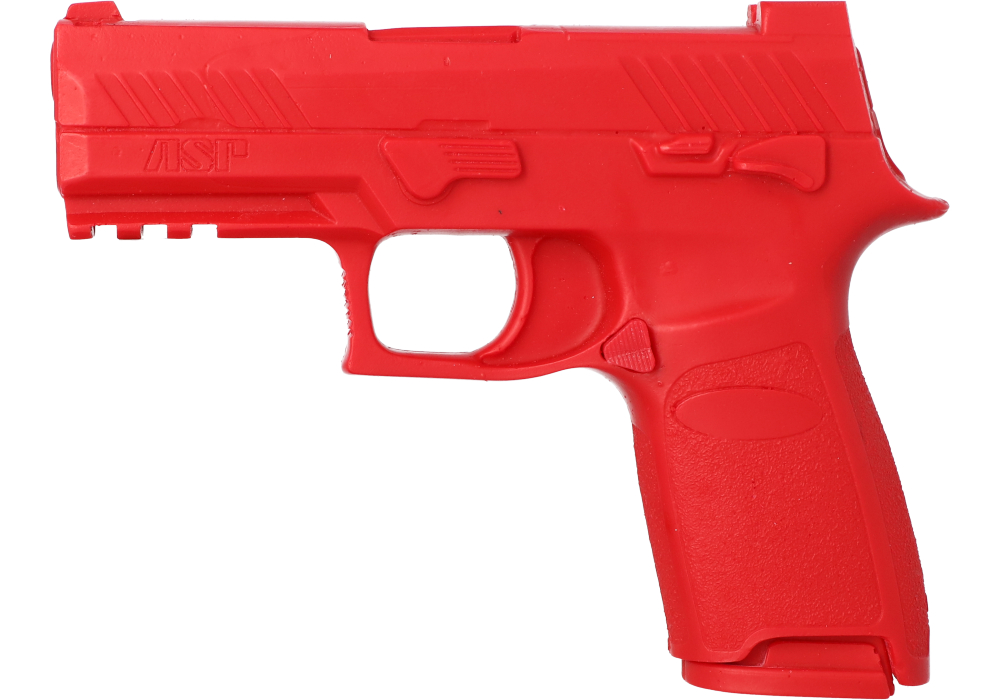
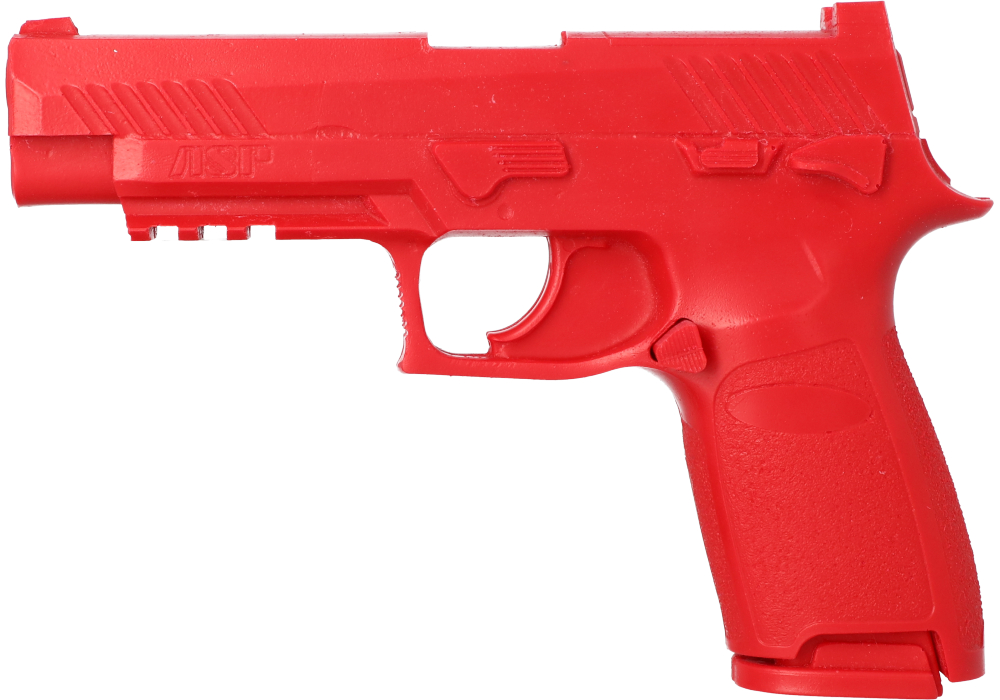
Accessories for pistol trainers support organized practice, clear feedback, and dependable equipment handling, whether the setting is an instructor-led class, a supervised range session, or a dedicated dry-fire practice space. Relevant accessory categories include compatible training magazines, inert practice aids, holsters, targets, timing equipment, protective gear, storage solutions, and maintenance supplies. Each serves a different purpose: targets provide a consistent reference, timing tools help document performance, and organized storage keeps small components from disappearing between sessions. For instructors, useful accessories also help create a repeatable learning environment, with equipment that is easy to identify, explain, and reset between students. For individual shooters, the emphasis may be on maintaining a familiar setup and getting meaningful feedback without an unnecessarily complicated routine. A target with crisp, readable markings can be more useful than a busy design that becomes difficult to interpret at the intended distance. A timer with a readable display and controls that are easy to distinguish can simplify recordkeeping during supervised practice. Training aids should match the intended activity, with a clear distinction between equipment designed for dry-fire practice and accessories suitable for live-fire range use. Dry-fire practice requires a designated area, live ammunition stored separately, and a firearm verified unloaded according to its manual, along with a safe muzzle direction and suitable backstop. Eye and hearing protection remain essential considerations for live-fire settings, including protection that fits comfortably alongside other worn equipment. Accessories for pistol trainers are most useful when their purpose is obvious and their operation does not distract from instruction. A new student may benefit from simple visual references and straightforward equipment, while an experienced shooter may place greater value on measurable feedback and consistent positioning. Across those settings, practical features matter more than novelty: clear markings, secure attachment, accessible controls, and compatibility with the training environment all contribute to equipment that earns a regular place in a practice routine. The result is a setup that supports attention, consistency, and productive use of scheduled practice time.
Fit begins with the exact equipment an accessory is intended to support. Similar-looking pistols, training devices, and magazines can differ in dimensions, attachment points, and operating requirements, so compatibility should rest on the manufacturer’s specifications rather than appearance alone. Holster fit deserves particular attention because differences in slide profile, sight height, or attached accessories can affect seating and retention. A suitable design should protect the trigger area and remain secure on the belt or other intended mounting platform. Belt width, attachment hardware, and the position of neighboring equipment also influence how comfortably a complete setup sits during a class. For training magazines and inert aids, clear identification helps keep their purpose distinct, especially when several students or instructors share a workspace. Materials affect both durability and everyday handling. Molded polymer can offer a lightweight, easily cleaned surface, while metal components may provide rigidity in areas subject to repeated contact. Neither material alone establishes quality; wall thickness, edge finishing, hardware security, and the suitability of the design matter just as much. Textile accessories benefit from reinforced stitching, finished seams, and closures that remain manageable through repeated use. A pouch that stays open when needed, a bag divider that keeps its shape, or a zipper pull that is easy to grasp can save small interruptions across a full day of instruction. Soft surfaces that touch lenses or finished equipment should remain free of grit, while rigid compartments should provide enough separation to prevent unnecessary rubbing. Comfort is another practical measure of fit. Eye protection that presses against hearing protection, a belt attachment that shifts while walking, or a bag that becomes awkward when fully packed can distract from the session. Balanced organization gives frequently used accessories a consistent location without placing every piece of equipment on the shooter’s belt. In a shared training space, visible labels and distinct compartments also make it easier to return equipment to the correct owner. These details are especially valuable for trainers who move between individual coaching, classroom demonstrations, and range instruction with the same core equipment.
Care and storage help preserve the fit and function that training accessories depend on. Repeated handling exposes equipment to dust, perspiration, skin oils, and residue, even when an accessory is not used directly in live-fire practice. Manufacturer-approved cleaning methods are important because solvents suitable for one surface may affect another, particularly coated lenses, clear plastics, adhesives, and textile finishes. Optics and protective eyewear benefit from clean lens cloths and protective cases, while fabric organizers should be dry before being closed for storage. Wear is often easiest to notice at contact points: a fraying seam, loosened fastener, cracked clip, or damaged closure can interfere with an otherwise dependable setup. Periodic inspection is particularly useful for accessories that are frequently adjusted, shared, or moved between bags. Electronic training tools bring their own considerations, including battery requirements, charging connections, display visibility, and any device or software compatibility specified by the manufacturer. Simple access to power and settings can matter more in regular use than an extensive feature list that rarely supports the intended practice. For instructors, storage that separates demonstration equipment from personal range gear can make preparation more orderly and help maintain clear equipment boundaries. Those supporting a broader teaching role can also explore Accessories For Shooting Instructors for related training needs. Accessories can be practical gifts for a coach, an instructor, or a responsible shooter who values organized practice, provided the recipient’s equipment and preferences are understood. Fit-specific accessories require exact compatibility information; more broadly useful categories, such as protective storage and maintenance supplies, still need to suit the materials and equipment involved. A thoughtful selection reflects how the recipient actually trains rather than how elaborate the equipment looks. For someone working with several students, that may mean easier identification and organization. For someone maintaining a compact personal setup, it may mean fewer loose components and dependable protection between sessions. Well-chosen pistol training accessories support that everyday work through appropriate fit, durable construction, straightforward care, and a clearly defined purpose.