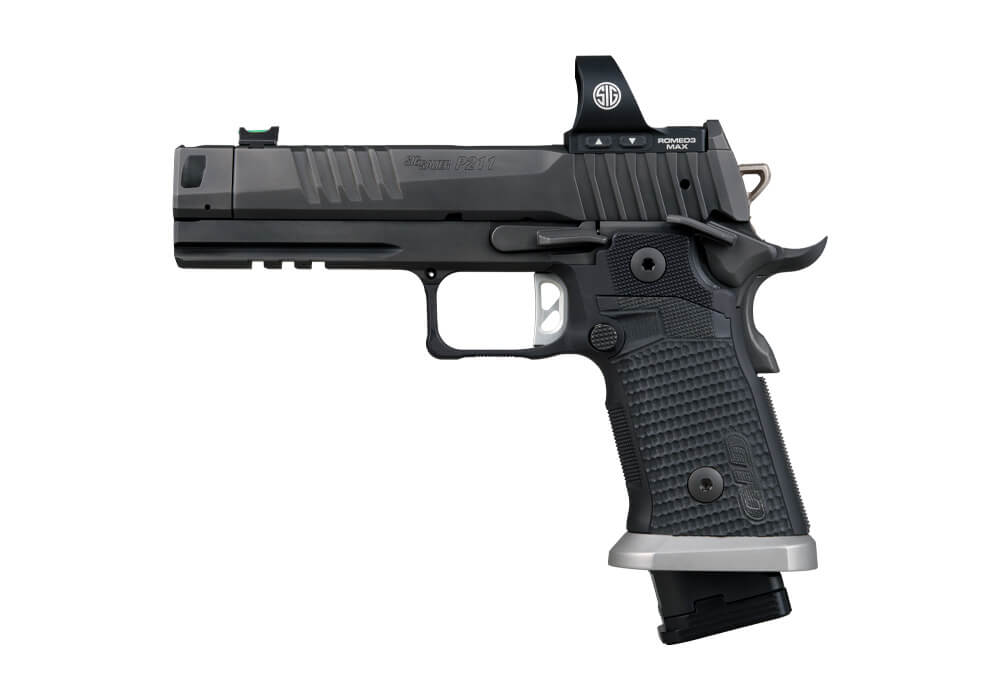
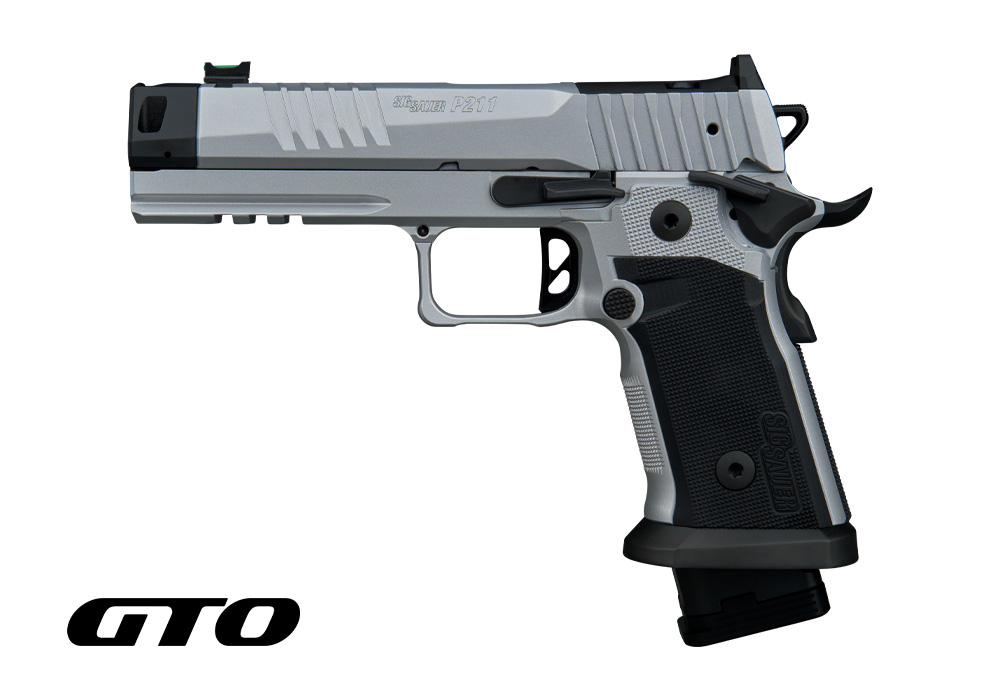
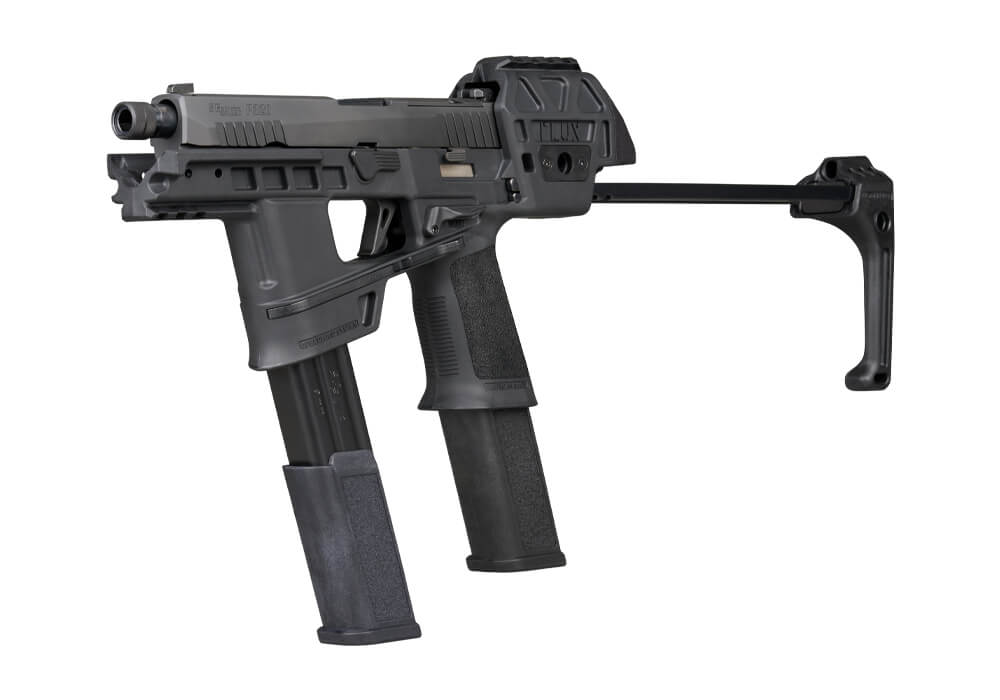
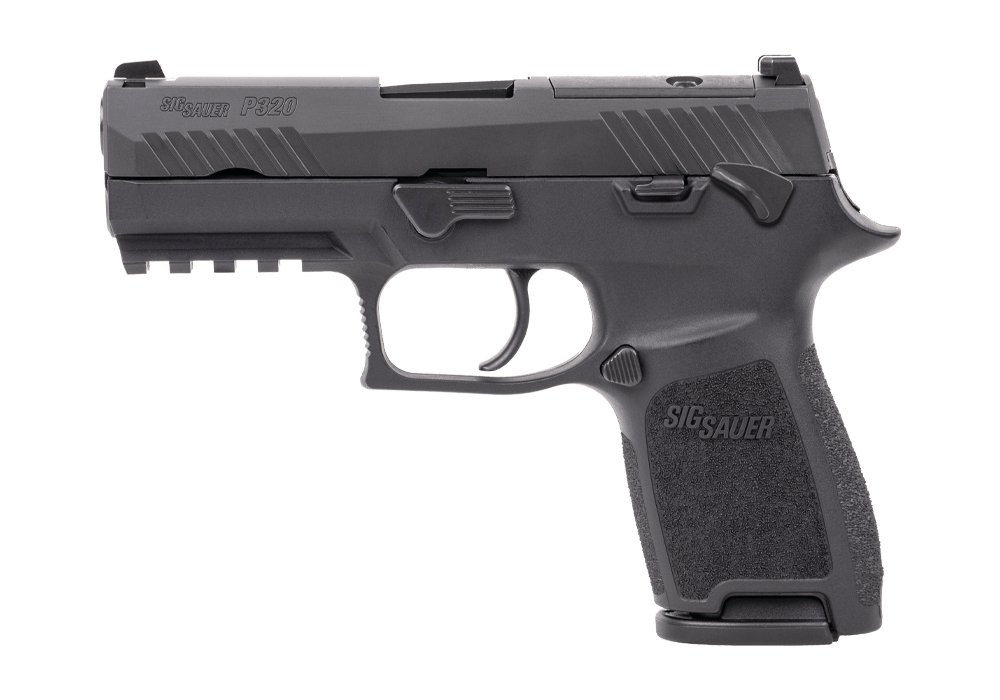
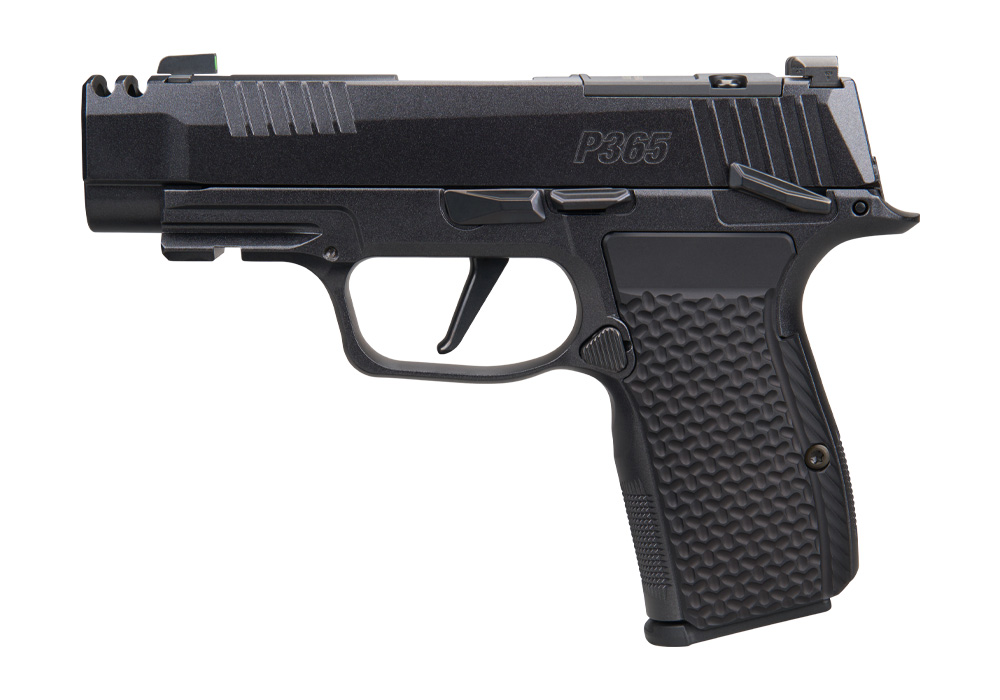
Accessory ready pistols are modern handguns designed to accept useful add-ons without requiring extensive modification after purchase. In most cases, that means a slide prepared for a compact red dot optic, an integrated accessory rail for a weapon light, or both. Some configurations may also feature a threaded barrel for compatible muzzle accessories, while others focus on a streamlined profile for concealed carry and everyday handling. This built-in compatibility gives shoppers more flexibility when choosing a pistol for personal protection, home storage, training, duty use, or recreational shooting. An optics-ready slide typically uses a removable cover plate and a defined mounting footprint, allowing a compatible miniature red dot sight to be installed with the correct plate, screws, and torque specifications. A rail-mounted light can provide illumination in low-light environments, but it also adds weight and may change the way a holster fits. Before purchasing, consider the intended role, overall dimensions, grip shape, controls, magazine availability, and the size and placement of the accessory interface. A compact pistol with a short slide may be convenient to carry, while a slightly larger frame can offer more room for a full-size grip, a longer sight radius, or an extended magazine. Shooters should also review local laws and regulations governing handgun ownership, concealed carry, magazine configuration, optics, lights, threaded barrels, and transfers. When a suppressor or other regulated accessory is part of the plan, confirm the applicable requirements before making a purchase. Accessory ready pistols are often selected by experienced owners who want a factory-prepared platform for future upgrades, but they can also suit newer shooters who prefer to choose accessories gradually rather than committing to every feature at once.
The most important consideration is whether the pistol, accessories, and user form a practical system. A red dot sight can provide a clear aiming reference, particularly for shooters who have difficulty aligning traditional sights, but it requires an adjustment period and regular practice. New users may find that the optic appears blank or difficult to locate when they first present the pistol, especially if their grip and draw stroke are inconsistent. Dry practice with an unloaded firearm, followed by supervised live-fire training, can help build a repeatable presentation and confirm that the optic remains zeroed. A mounted light can be valuable for identifying objects in dark surroundings, yet it should never be treated as a substitute for responsible target identification or safe handling. The accessory must be securely installed, tested according to the manufacturer’s instructions, and paired with a holster designed to accommodate the exact pistol and light combination. A holster that covers the trigger guard, retains the firearm properly, and supports the chosen carry position is essential. The same principle applies to magazines, magazine carriers, batteries, mounting plates, cleaning equipment, and storage solutions: compatibility matters more than appearance. It is wise to confirm the optic footprint, rail standard, barrel threading, holster fit, and ammunition recommendations before placing an order. Owners who keep a pistol at home should use a quality locking device or secured safe, keep ammunition stored responsibly, and ensure that unauthorized users cannot access either the firearm or its accessories. For shoppers building a complete setup, related equipment can be explored through Accessories For Backup Weapons, with the understanding that every accessory should be selected for the specific firearm and intended use.
Accessory ready pistols may be a thoughtful purchase for a responsible shooter who has been asking for a more adaptable handgun, although a firearm is rarely an appropriate surprise gift for someone whose preferences, experience, and legal eligibility are unknown. A better approach is to involve the recipient in the selection process, particularly when choosing between a slim concealed-carry profile, a compact general-purpose frame, or a larger pistol intended primarily for range training and home use. The right choice often becomes clear when handling several configurations safely and comparing reach to the trigger, ease of racking the slide, visibility of the sights, control placement, and comfort during a natural shooting grip. During warmer weather, lighter clothing may make a slim profile and carefully selected holster especially important; as cooler months arrive, additional layers can make a larger setup easier to conceal while also affecting access and comfort. Regardless of season, routine inspection and practice help keep the system dependable. Check that mounting screws remain properly secured, batteries are fresh, lenses are clean, magazines feed correctly, and the pistol functions reliably with the ammunition selected for it. Training should include safe loading and unloading, malfunction procedures, movement within the owner’s abilities, and judgment about when not to handle or deploy a firearm. With the right fit, compatible accessories, secure storage, and ongoing instruction, an accessory ready pistol can provide a flexible foundation that grows with the owner’s needs while preserving the handling characteristics and reliability expected from a factory-configured handgun.