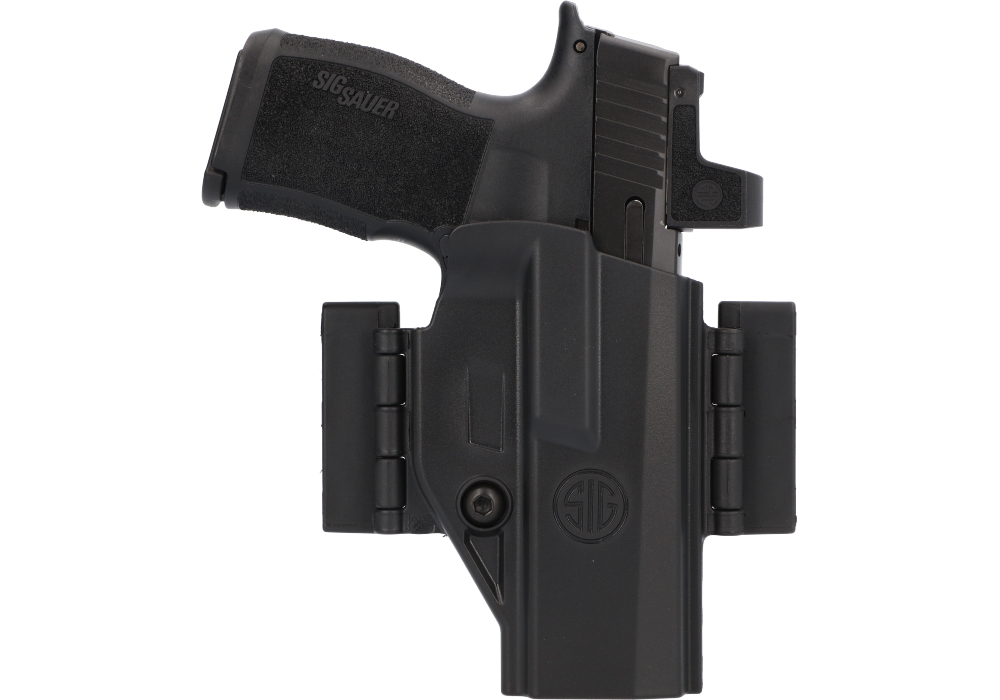
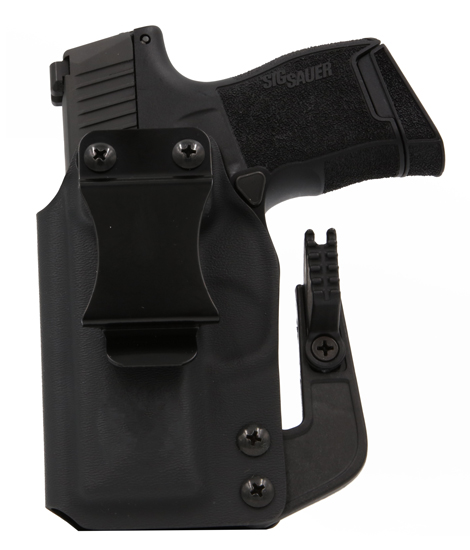
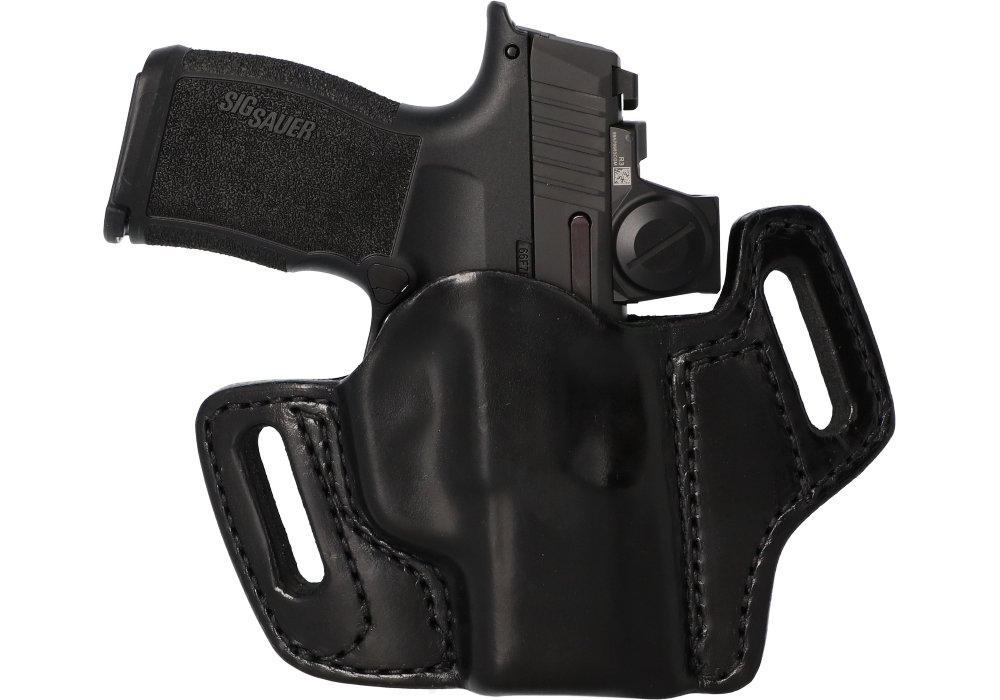
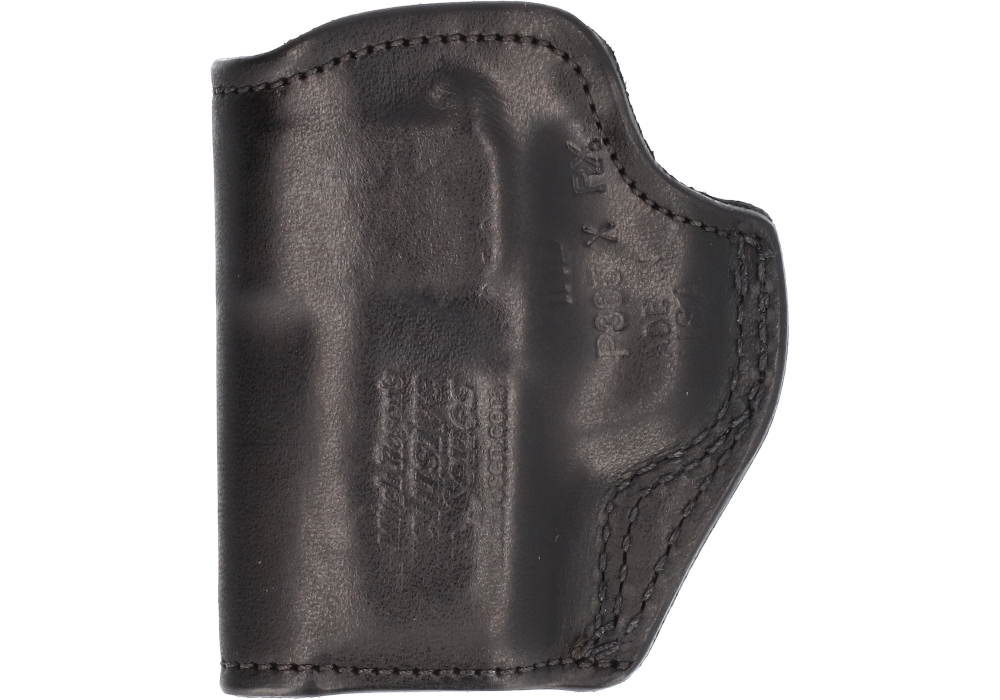
Adjustable angle holsters for P365X pistols give you more control over how the firearm sits against your body and how it presents during a practiced draw. The adjustable angle, often called cant, changes the forward or rearward tilt of the grip relative to the belt line. A neutral position may work well for a straightforward strong-side draw, while a forward cant can help align the grip with the hand when carrying behind the hip or on the strong-side waist. Some designs provide a broad adjustment range, such as 0 to 30 degrees, while others offer a smaller set of mounting positions. The best choice depends on your preferred carry position, body shape, clothing, belt setup, and the way you naturally bring your hand to the grip. Appendix, strong-side hip, behind-the-hip, and cross-draw positions each place different demands on a holster. An adjustable model allows you to fine-tune the angle instead of accepting a fixed orientation that may feel awkward after several hours of wear. When reviewing options, look for a model made specifically for the P365X and confirm that it accommodates the exact configuration of your pistol, including an optic, mounted light, or other approved accessory. A precise fit should hold the firearm securely, cover the trigger guard completely, and maintain consistent retention without requiring excessive force to draw. A rigid polymer or formed shell can help preserve the holster’s shape, while a smooth interior and rounded exterior edges may reduce snagging and discomfort under a shirt, jacket, or outer layer.
Ride height is another important consideration when comparing adjustable angle holsters for P365X. A higher position can make the grip easier to access and may be convenient when wearing a coat or untucked shirt, while a lower position can improve concealment by placing more of the grip below the belt line. The right balance should allow a full, repeatable firing grip before the pistol leaves the holster, without forcing the wrist into an uncomfortable bend. Adjustable belt clips, loops, or mounting points can further influence concealment and stability. For inside-the-waistband carry, examine the sweat guard, body-facing surface, and hardware placement, especially if the holster will be worn during long drives, desk work, walking, or routine errands. For outside-the-waistband carry, consider how the holster sits beneath a covering garment and whether the belt attachment keeps it close to the body during movement. A quality design should remain stable as you bend, reach, climb stairs, or move from a vehicle to standing, rather than shifting with every step. Carry comfort often reveals itself in small details: a sharp edge pressing against the hip, a belt clip that catches on fabric, or a grip angle that makes a natural draw feel forced. Adjust the holster only with the firearm unloaded and removed from the work area, then verify retention and draw clearance in a controlled setting. Practice slowly with an unloaded firearm until the motion is consistent, and follow all applicable laws, range rules, and safe handling procedures. A holster is intended to secure and protect the trigger area during carry; it is not a substitute for secure storage when the firearm is not under your direct control.
These holsters can suit experienced carriers refining their daily setup as well as responsible new owners who are learning how equipment, clothing, and body position work together. They may also be a practical gift for a P365X owner, particularly when the recipient has already identified a preferred carry location but needs more flexibility in angle or ride height. Because comfort is personal, gift buyers should consider an adjustable design, a compatible belt attachment, and a return policy that allows the recipient to evaluate fit safely. Someone who spends cooler months wearing layered clothing may prefer a configuration that keeps the grip accessible beneath a sweatshirt, overshirt, or light jacket, while another person may prioritize a slim profile that disappears beneath everyday clothing. An adjustable cant can be especially useful when seasonal wardrobes change, since the same holster may be positioned differently with jeans and a belt than with heavier outerwear. Keep the setup simple and consistent: use a sturdy belt designed to support the holster, inspect screws and clips periodically, and confirm that the pistol remains fully seated before moving around. Do not carry a firearm in a loose pocket, bag, or holster that does not fully protect the trigger guard. For additional sizing and compatibility options, browse Holsters for P365 Models. Whether your routine includes commuting, time outdoors, travel where lawful, or ordinary daily activities, an adjustable angle holster should support a secure fit, a repeatable draw, and comfortable wear without compromising responsible handling.