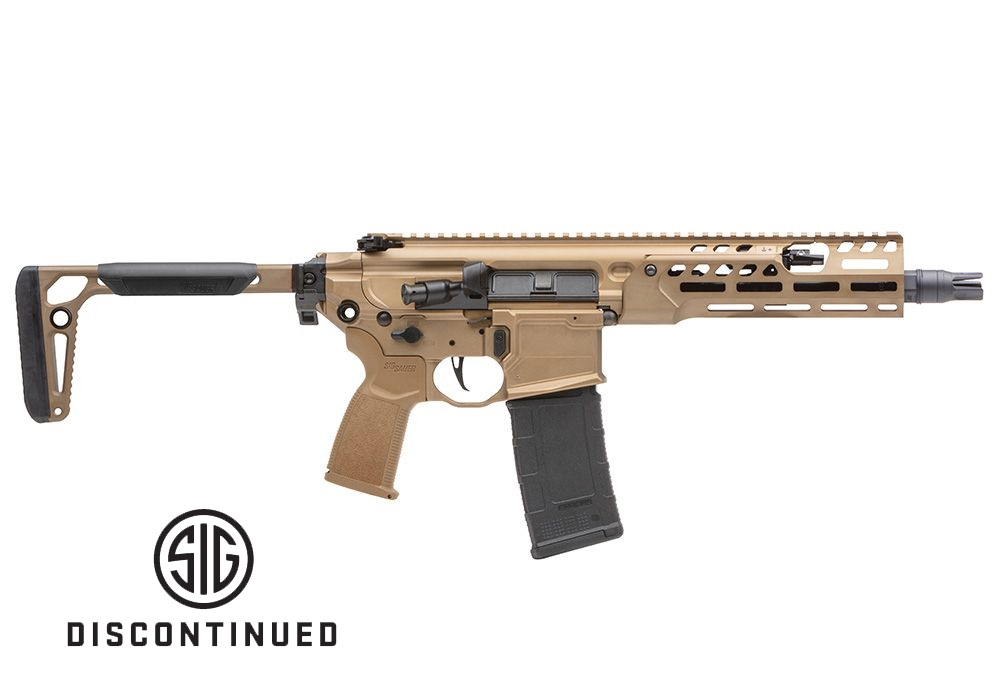
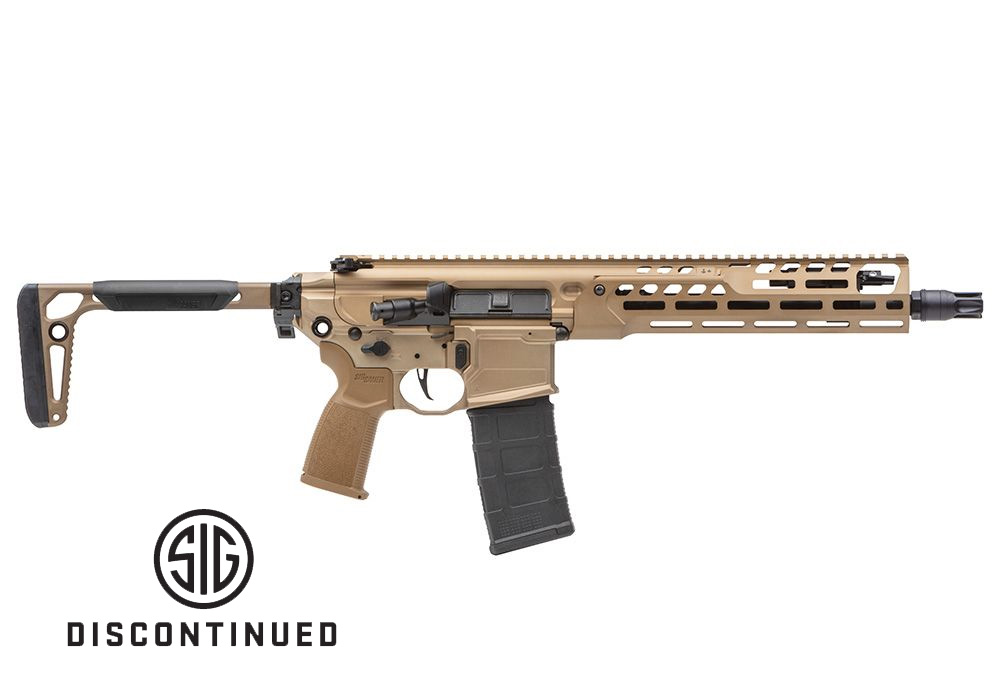
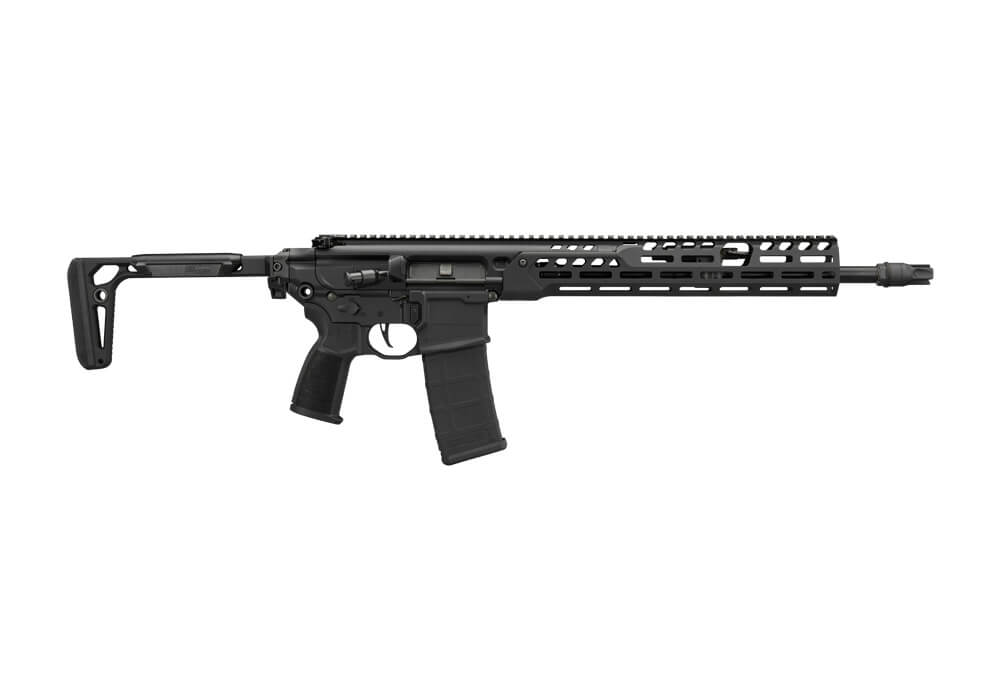
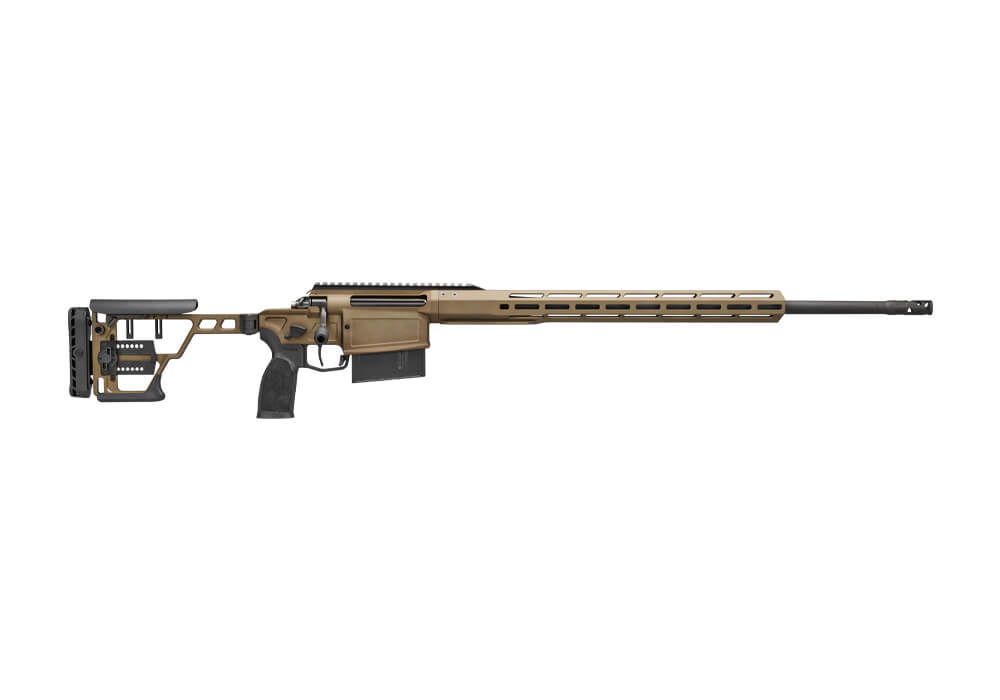
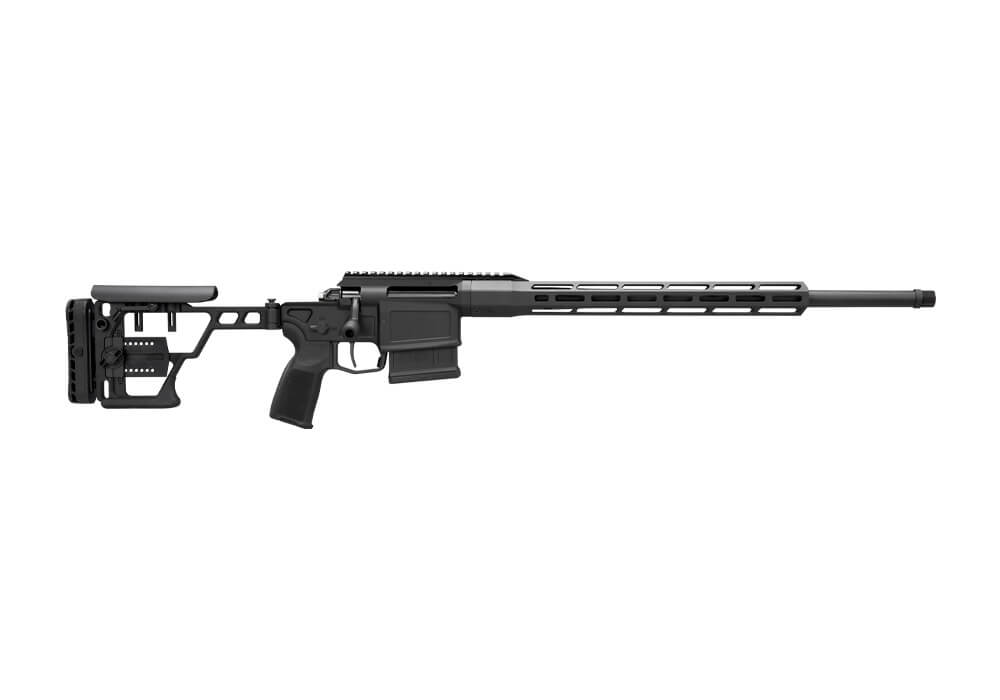
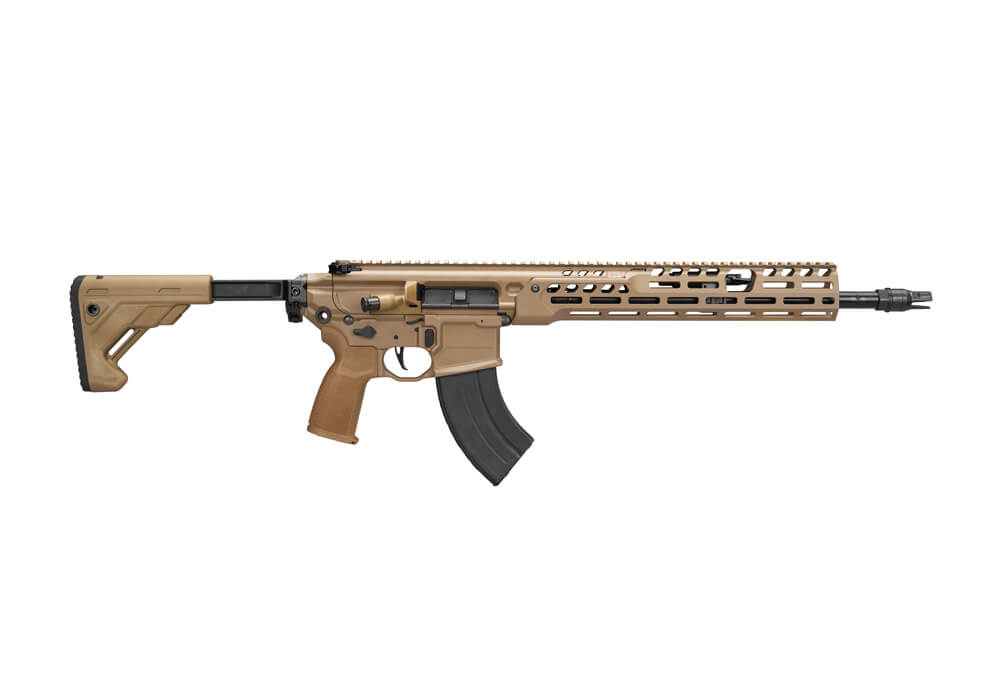
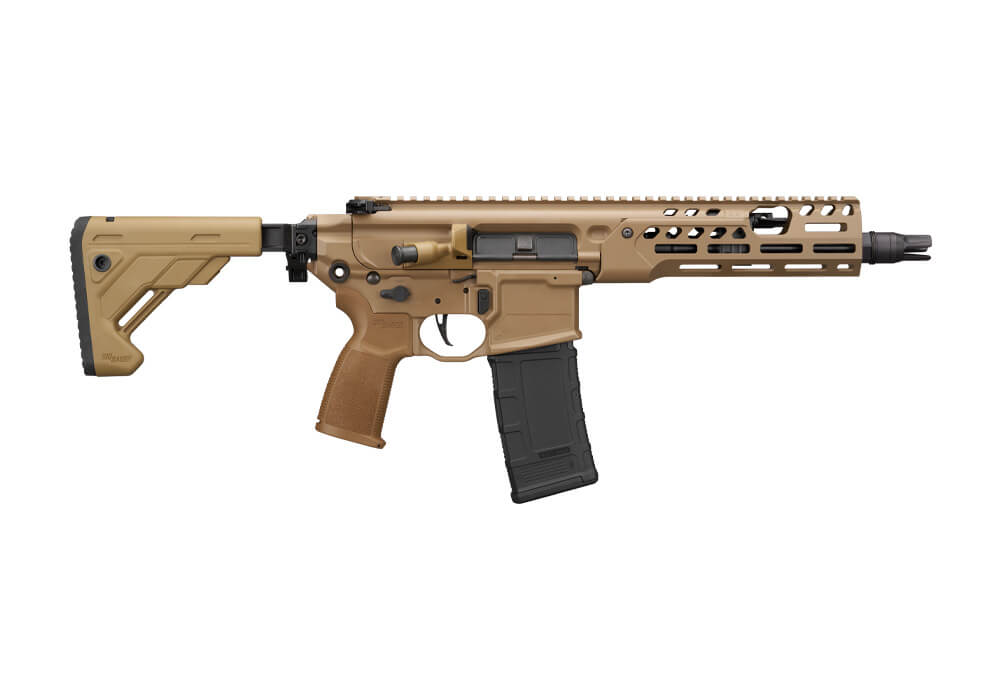
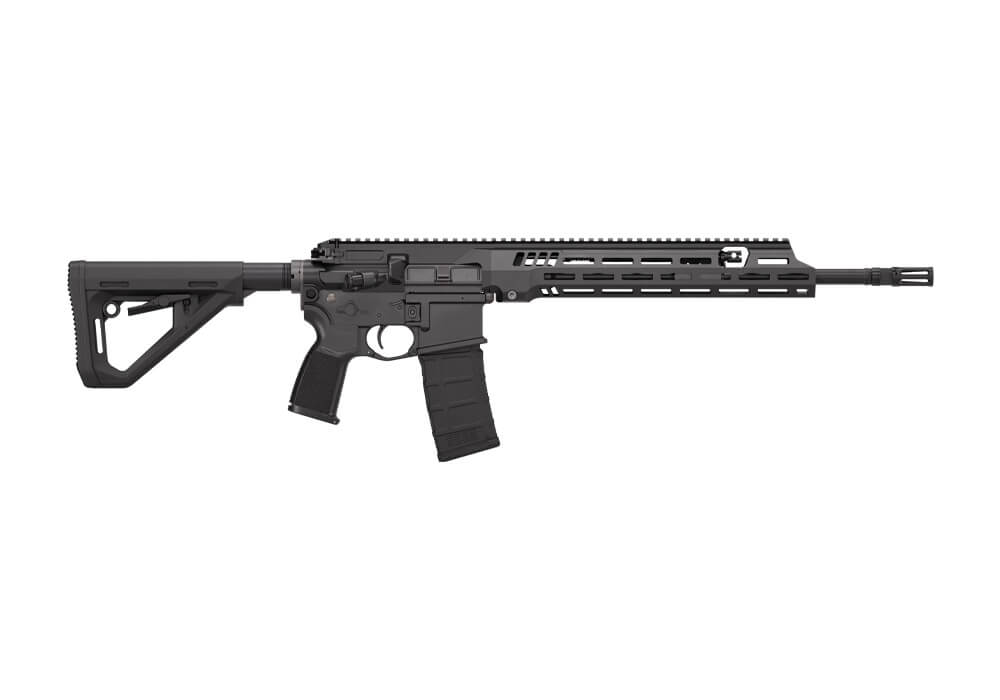
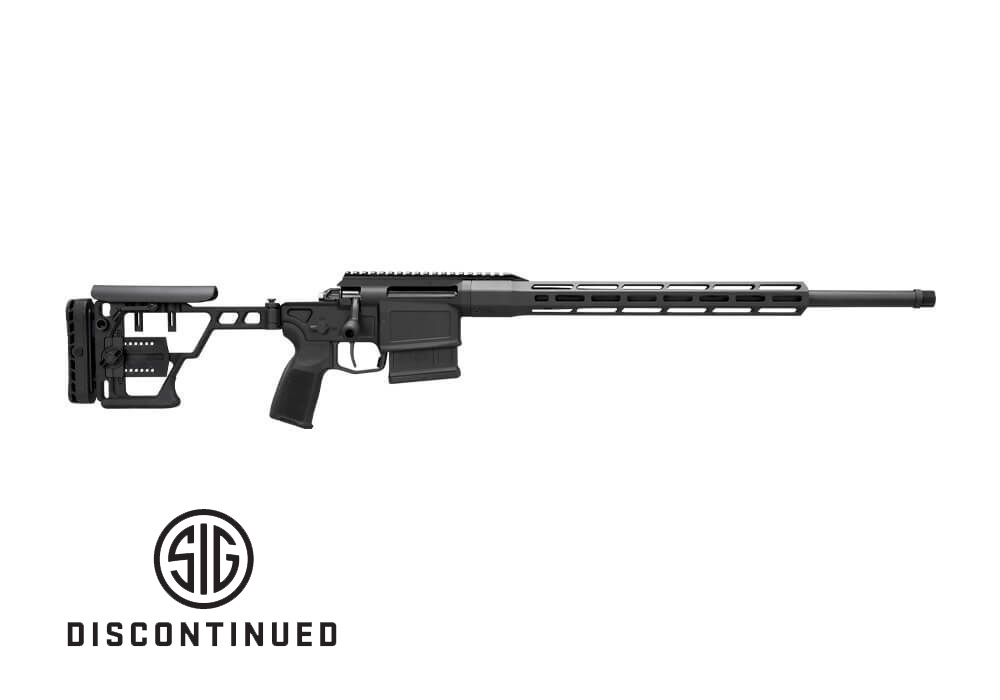
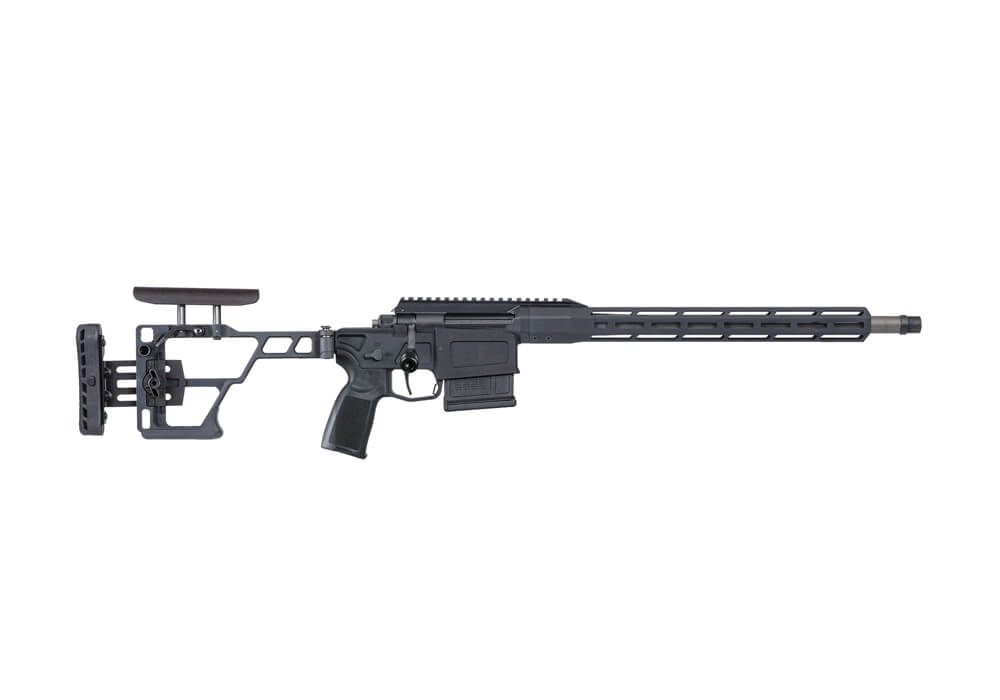
Advanced barrel technology rifles bring together carefully engineered materials, internal geometry, and modern manufacturing methods to support a more consistent shooting experience. In many rifle platforms, advanced barrel construction starts with a precision steel core surrounded by a carbon-fiber or other composite wrap. This layered design can reduce overall barrel weight while preserving the stiffness needed for repeatable accuracy. Some composite systems also incorporate specialized thermal-management materials, including ceramic-based layers, to help move heat away from the bore more efficiently. The result is a rifle that may feel easier to carry through uneven terrain, settle naturally from a supported position, and remain better balanced during a long day afield or at the range. A lighter barrel can be especially valuable when hiking into a remote glassing position, climbing a ridge before first light, or carrying a rifle through dense timber during the cooler months. At the same time, barrel technology is not simply about reducing ounces. Stiffness, bore uniformity, chamber quality, crown design, and the relationship between the barrel and receiver all influence how consistently a rifle performs. A well-designed barrel can help reduce point-of-impact movement as temperatures change, making it easier to maintain a dependable zero across a range of practical conditions. Shooters comparing advanced barrel technology rifles may also benefit from exploring Precision Barrels to better understand the role that barrel construction plays in a complete rifle system. Whether the intended use involves recreational target shooting, varmint control, competition, or lawful hunting, the barrel remains one of the most important components to evaluate.
Choosing among advanced barrel technology rifles begins with matching the rifle to the way it will be carried and used. A compact, lighter-profile setup may suit hunters who spend long hours on foot and value quick movement between shooting positions, while a heavier or more rigid profile may appeal to range users who prioritize stability during extended strings of fire. Barrel length can affect balance, portability, sight radius on traditional setups, and the efficiency of certain cartridges, so it should be considered alongside the intended terrain and shooting distance rather than viewed in isolation. The rifling twist rate should be compatible with the bullet weights commonly selected for the chambering, particularly for shooters who plan to use heavier projectiles or specialized match ammunition. Chamber specifications, action compatibility, barrel contours, muzzle-thread patterns, and factory or user-serviceable installation requirements are also important details. Threaded muzzles may provide flexibility for compatible muzzle devices or suppressors where lawful, while a carefully finished crown helps protect the rifling at the point where the bullet exits. Composite-wrapped barrels can offer an appealing balance of low carry weight and rigidity, but shoppers should still review the manufacturer’s care guidance, recommended ammunition, break-in information, and temperature limitations. As with any firearm purchase, fit matters just as much as specifications. The stock should provide a comfortable length of pull, the controls should be accessible without shifting the firing grip, and the rifle should shoulder smoothly with the intended optic and accessories installed. A rifle that feels natural in a safe, supervised handling environment is more likely to encourage disciplined fundamentals, steady practice, and confident operation.
Advanced barrel technology rifles can be a thoughtful choice for an experienced shooter, a dedicated hunter, or a family member beginning a carefully supervised path into precision-oriented rifle shooting. They may also serve as a meaningful gift for someone who spends weekends refining groups on the range or preparing for a backcountry hunt, provided the recipient’s preferences, local laws, licensing requirements, and safe-storage arrangements are understood before purchase. Because barrel design affects balance, heat behavior, accuracy potential, and long-term maintenance, choosing by appearance alone can lead to a poor fit. Consider the complete system: cartridge availability, ammunition cost, intended optic, bipod or sling configuration, suppressor compatibility where permitted, and the amount of walking or stationary shooting expected. A hunter may appreciate a rifle that carries lightly during a quiet morning climb and remains stable when rested over a pack, while a precision-focused range shooter may prefer additional weight and a profile designed for sustained practice. Every rifle should be handled responsibly, stored unloaded and secured from unauthorized access, and used only in accordance with applicable laws and established range or field rules. Regular inspection of the bore, crown, action, fasteners, and mounting hardware helps preserve dependable performance, while proper cleaning and ammunition selection support the barrel’s service life. During warmer days, attention to heat and firing pace can help maintain consistency; during cooler months, allowing equipment to acclimate and checking zero after significant changes in conditions can be equally worthwhile. With the right combination of barrel construction, chambering, fit, and accessories, advanced barrel technology rifles offer a refined platform for deliberate shooting, practical field carry, and years of responsible use.