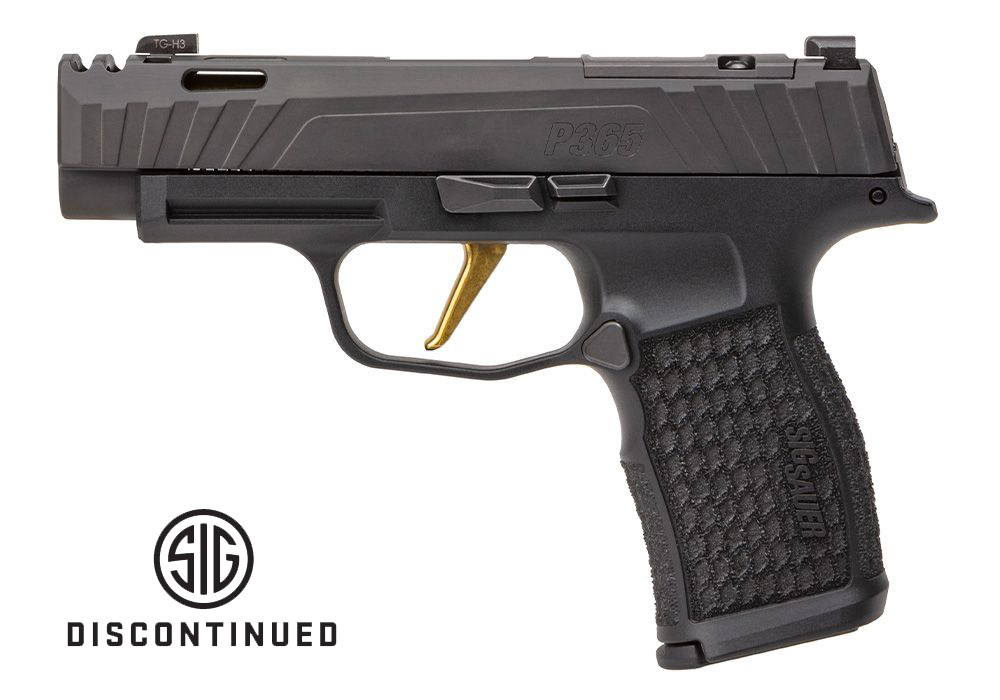
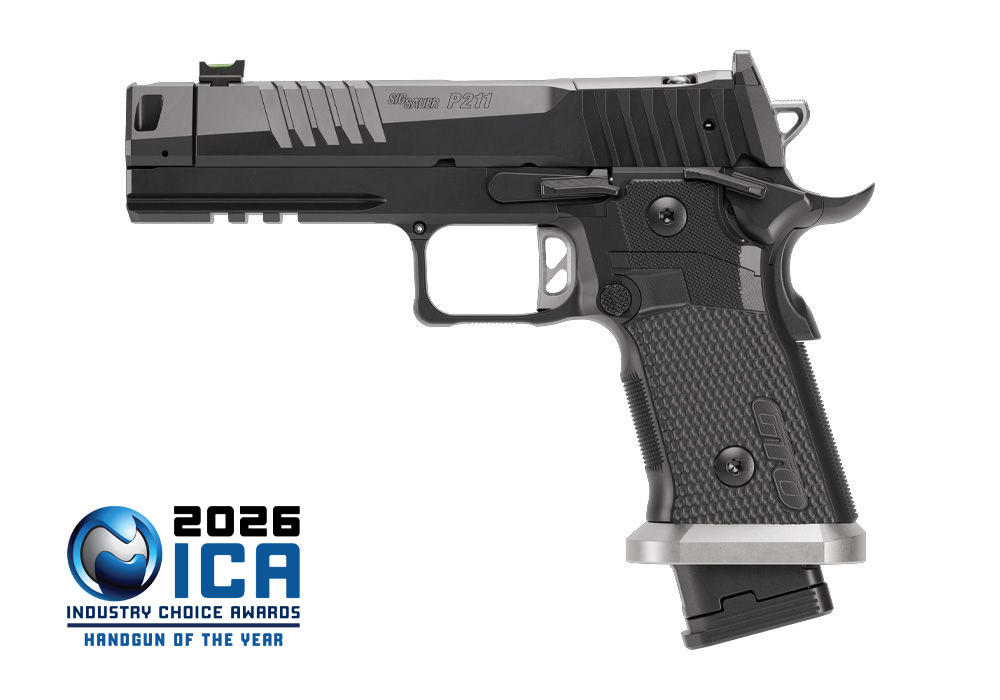
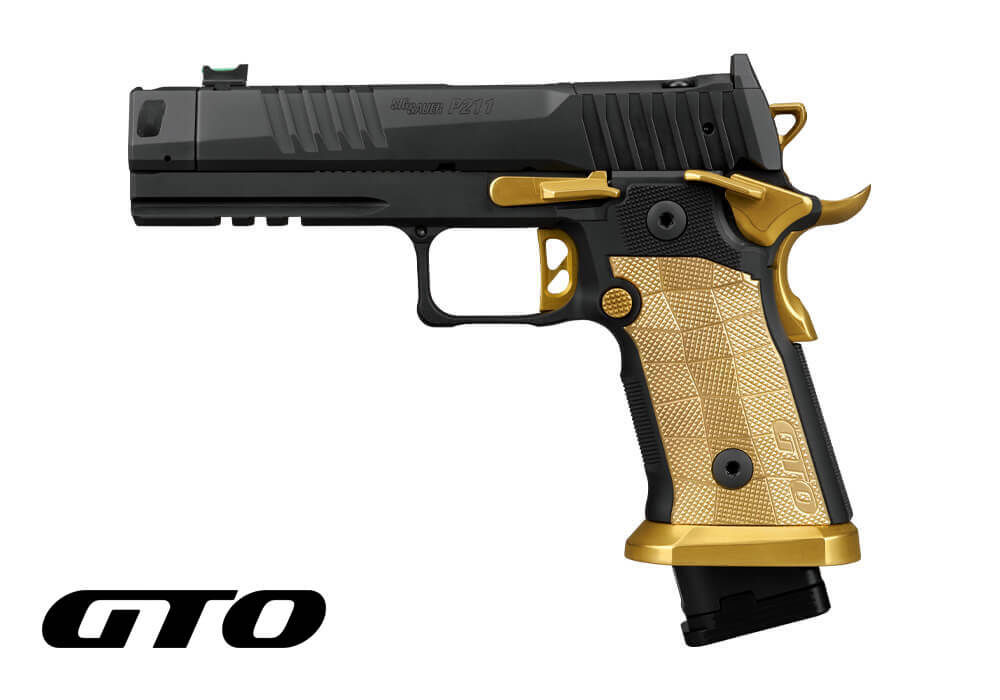
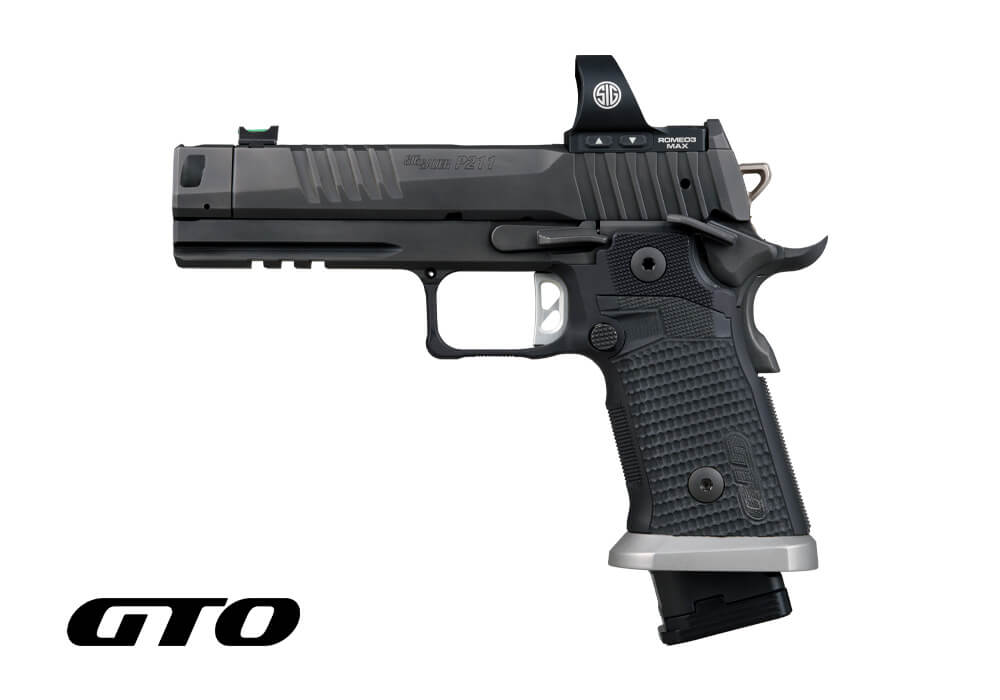
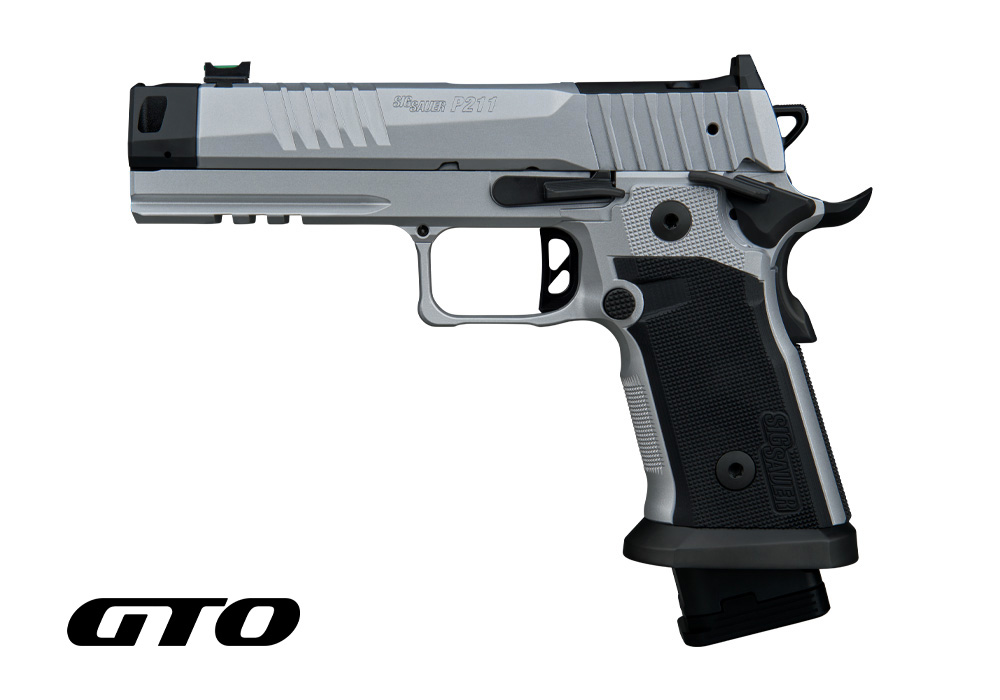
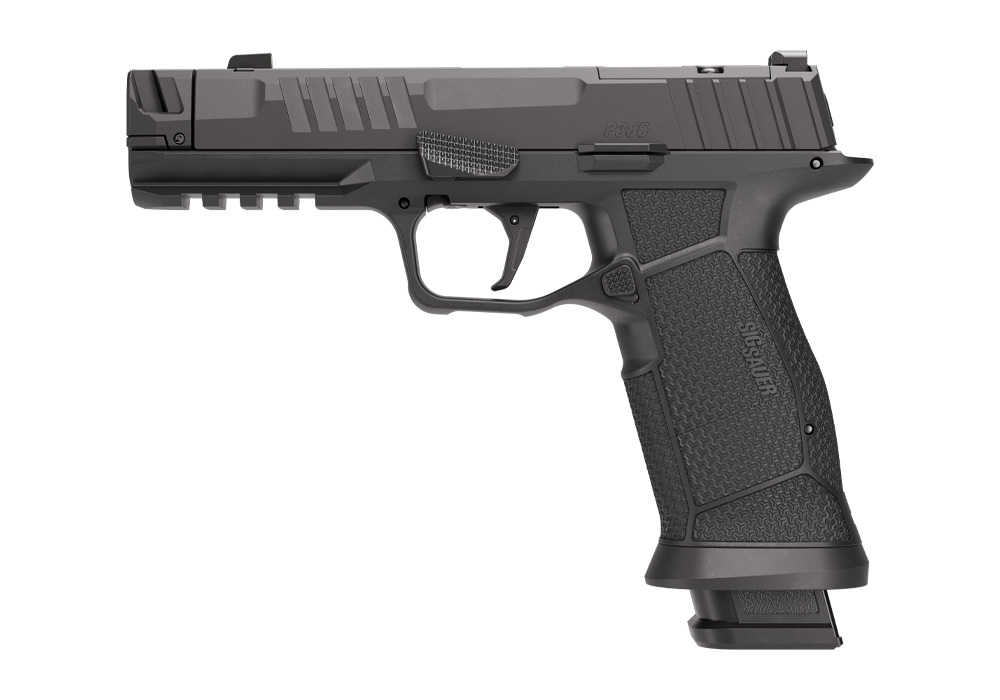
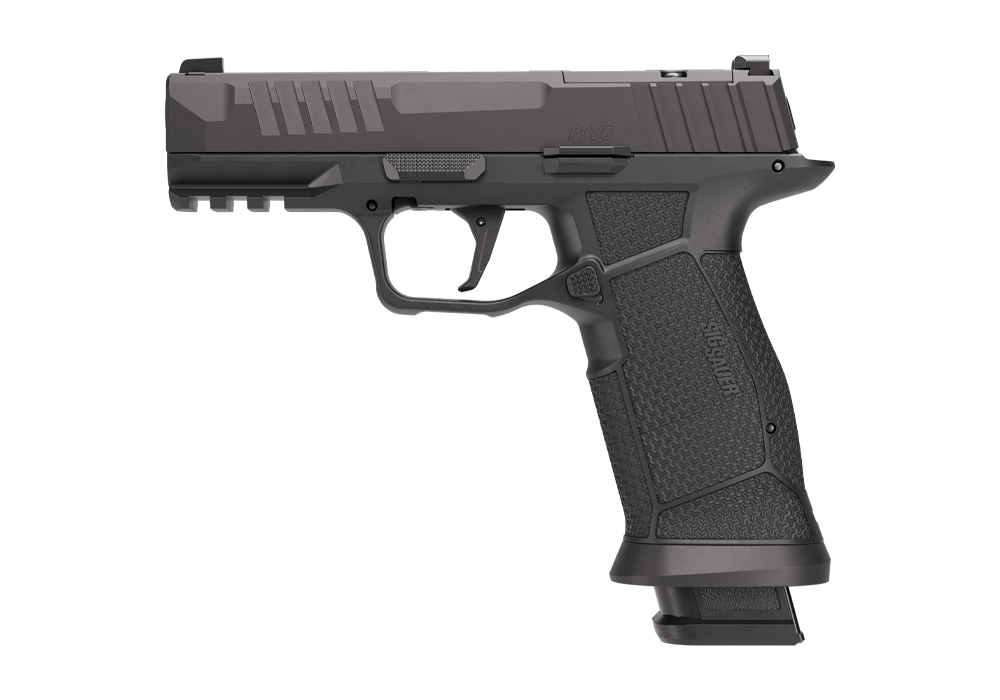
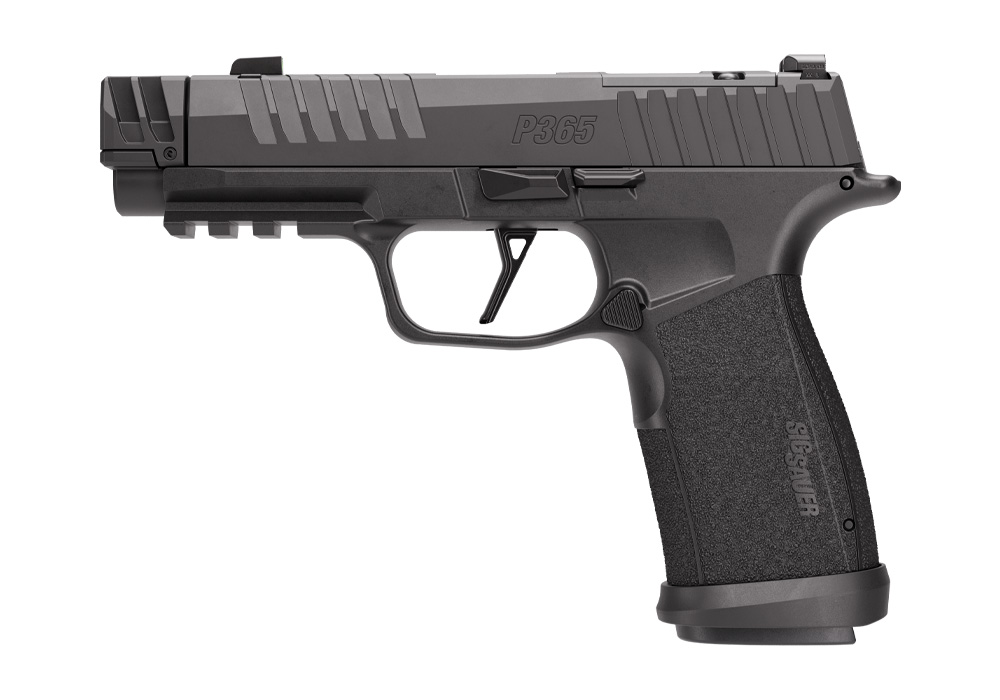
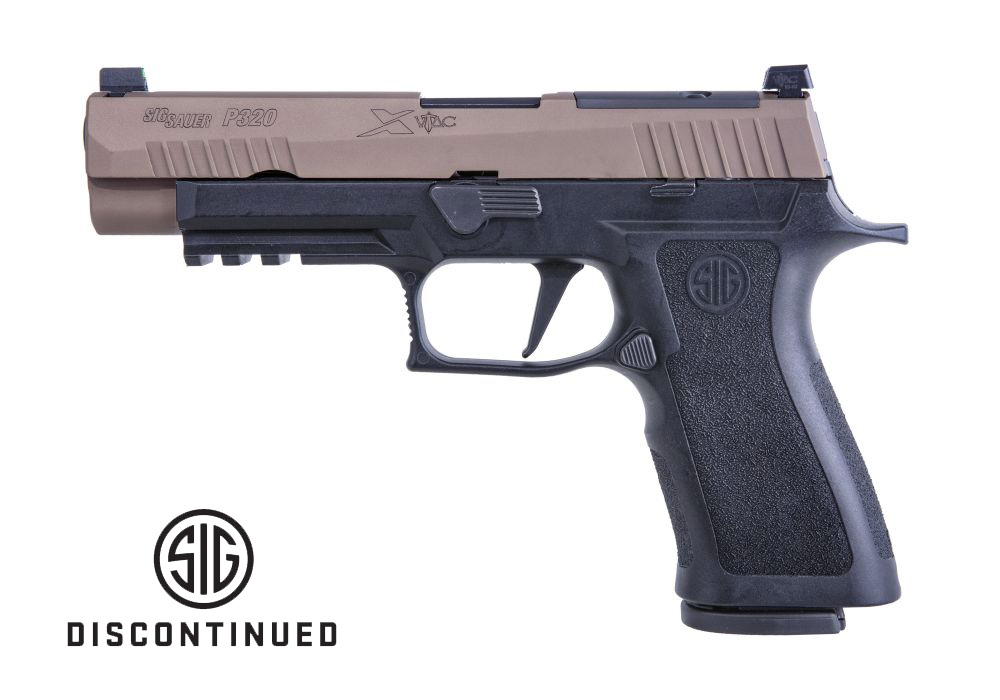
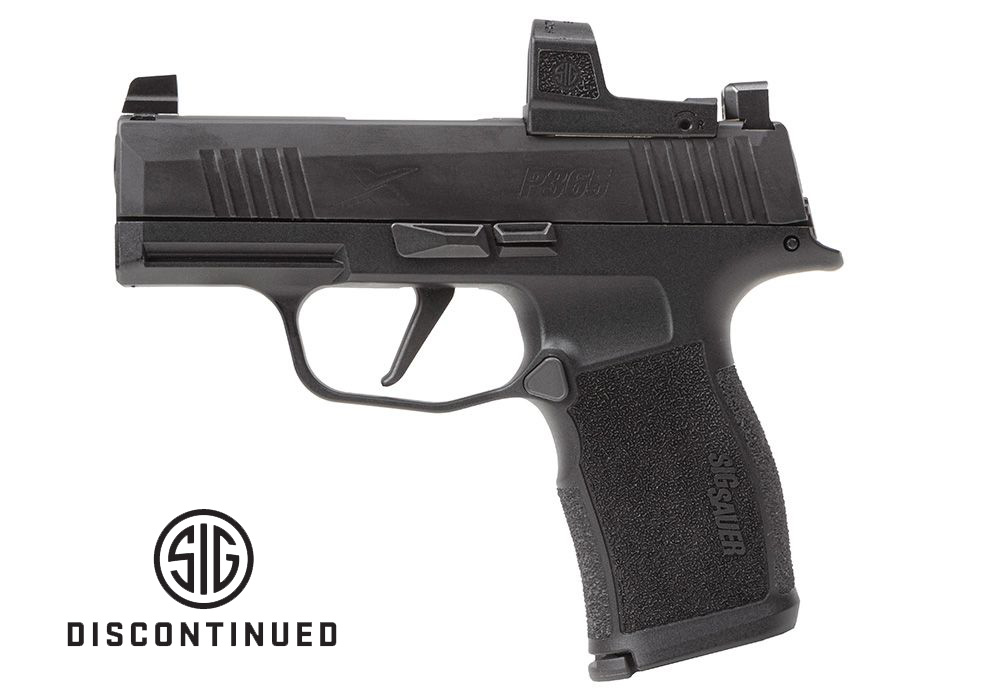
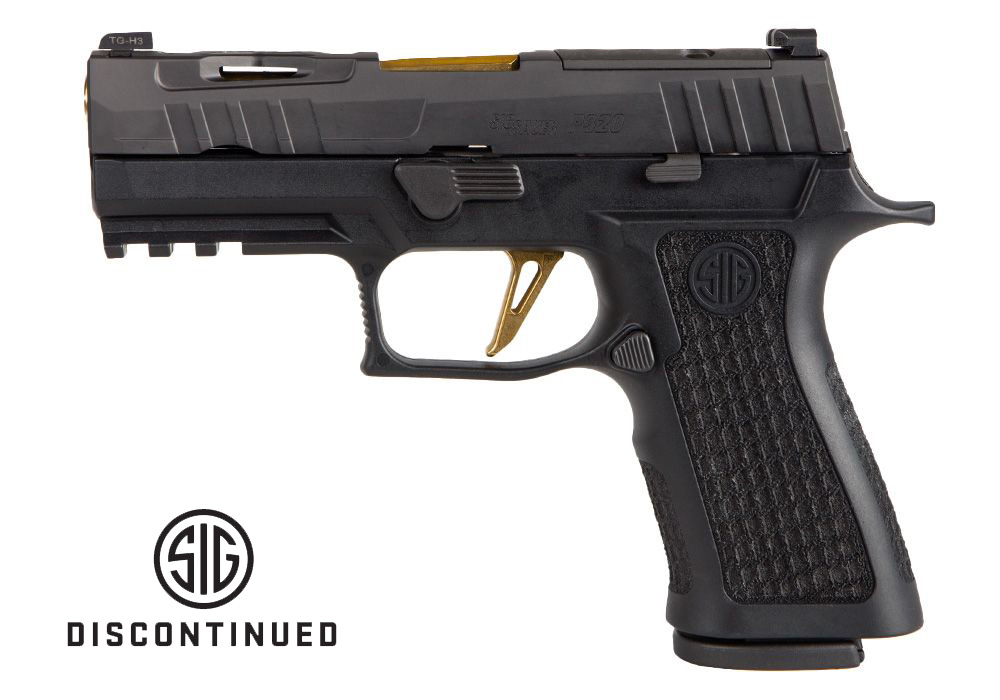
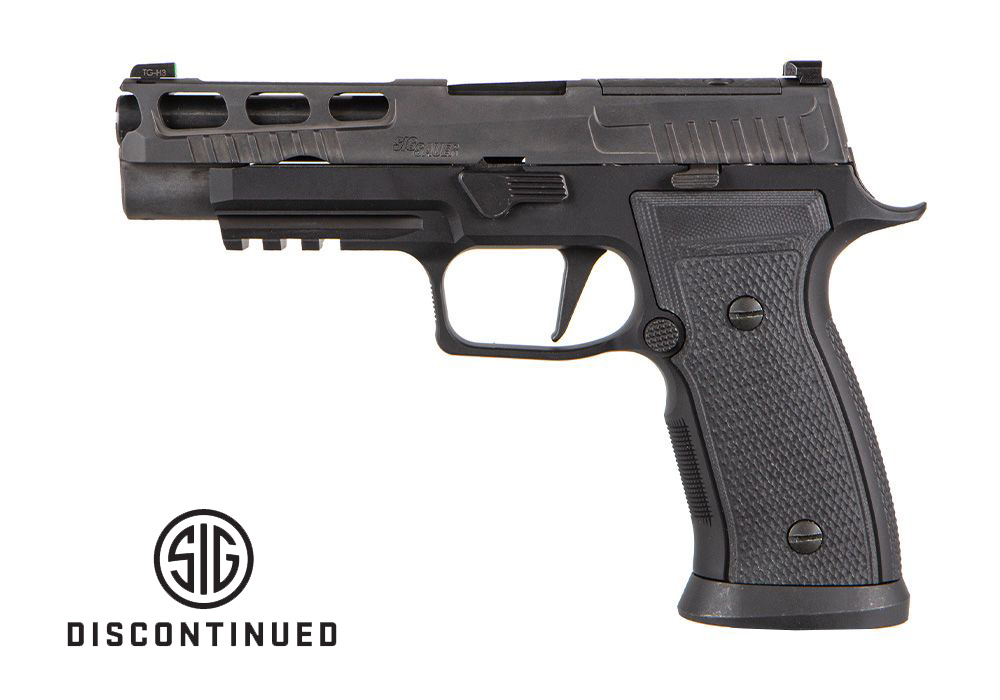
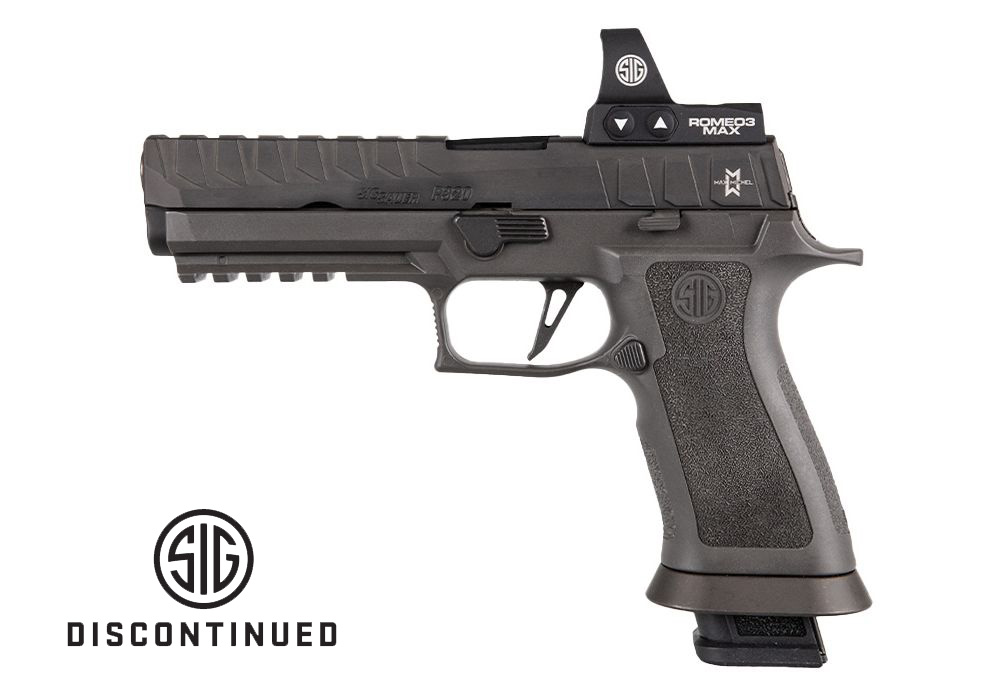
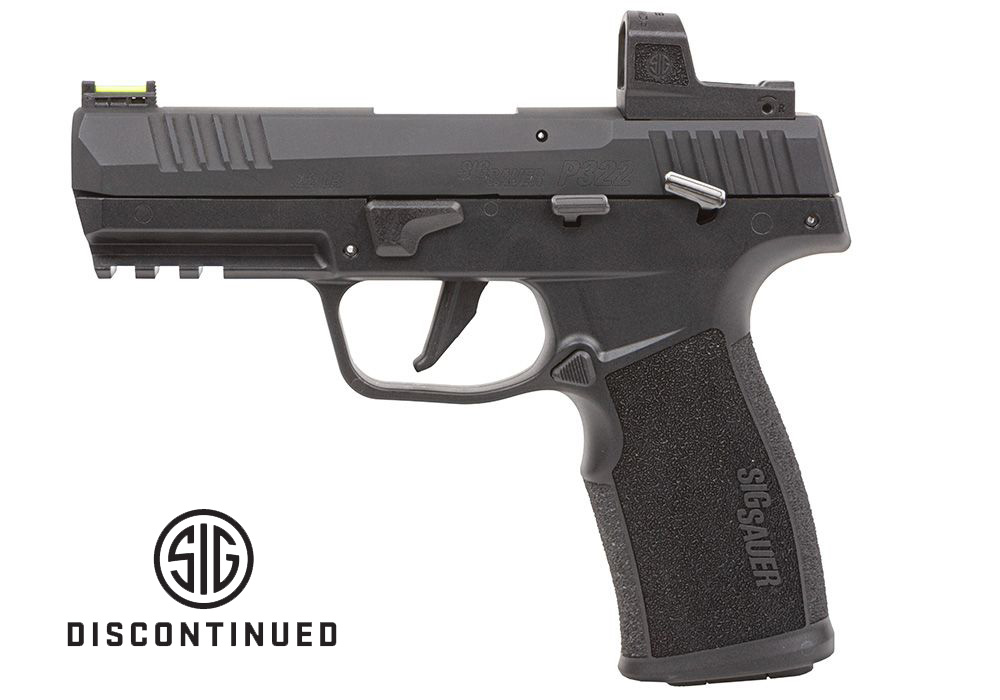
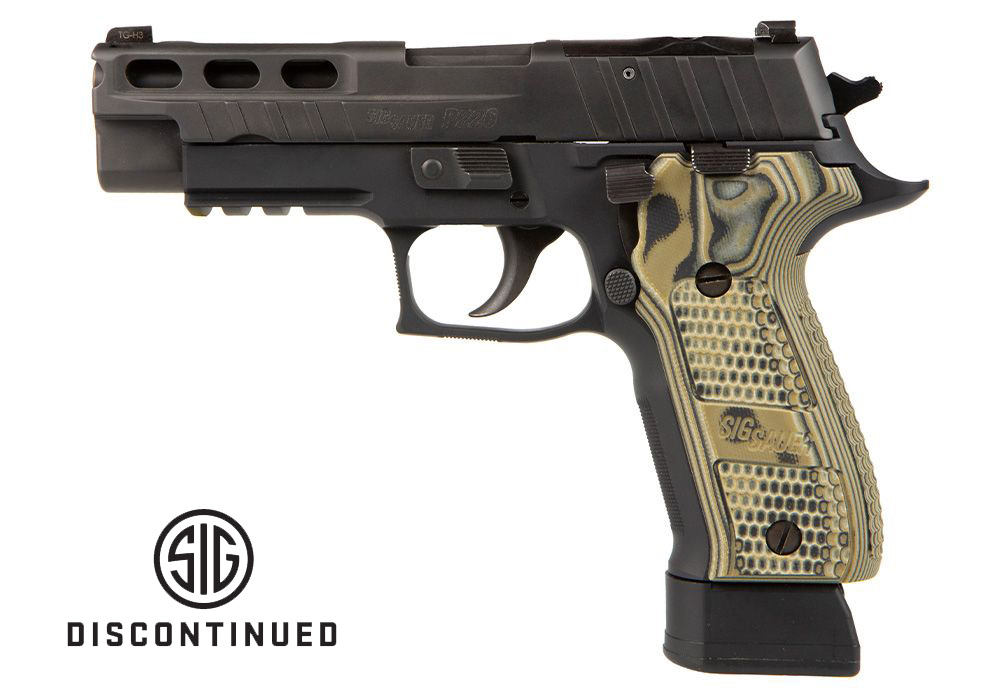
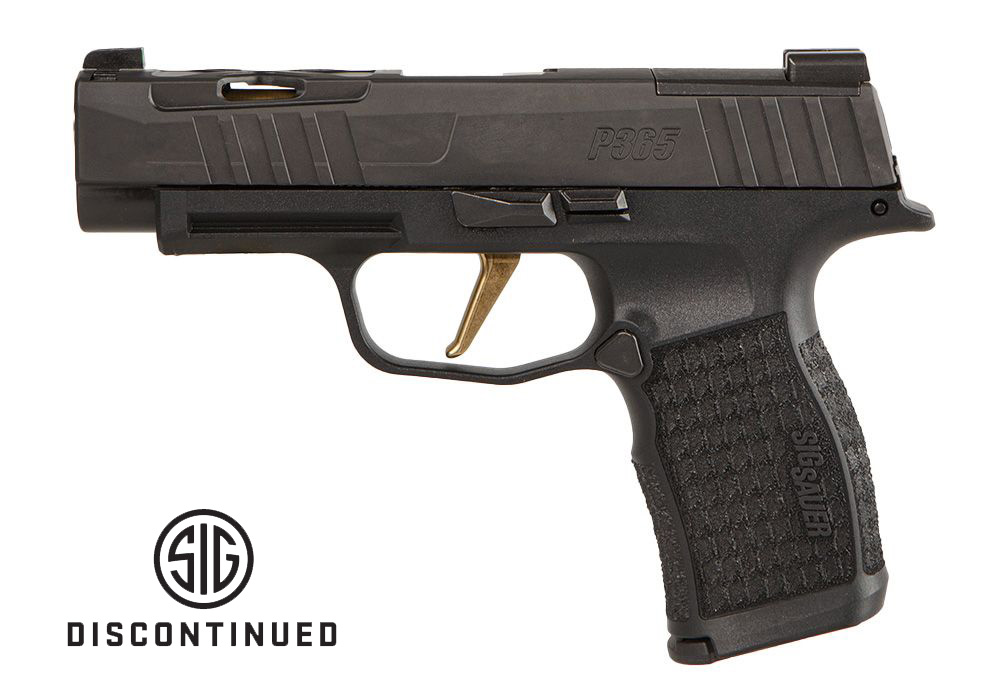
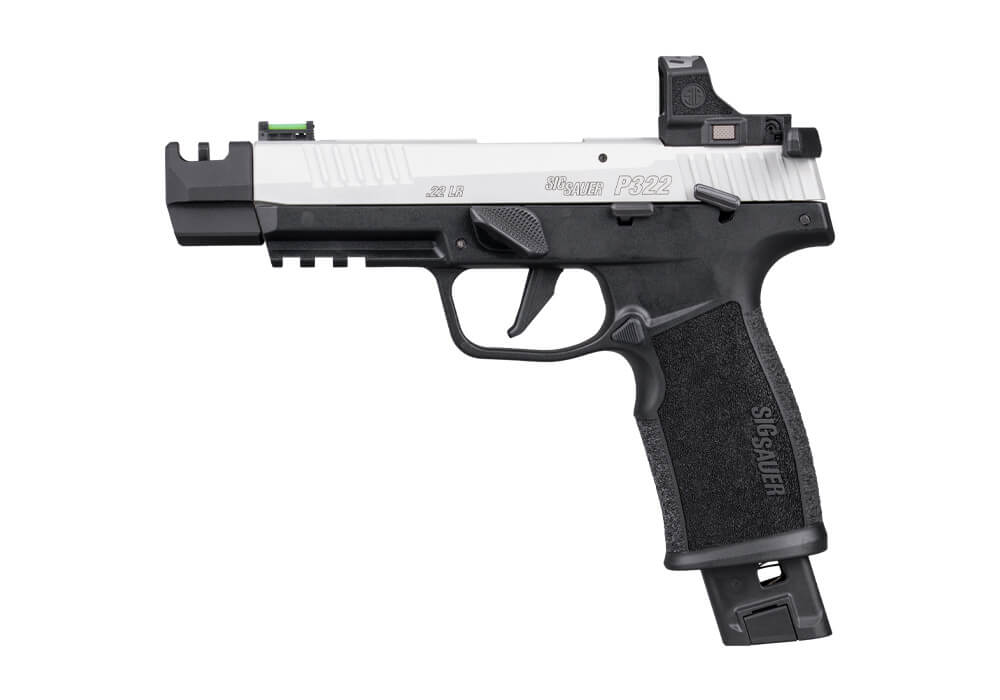
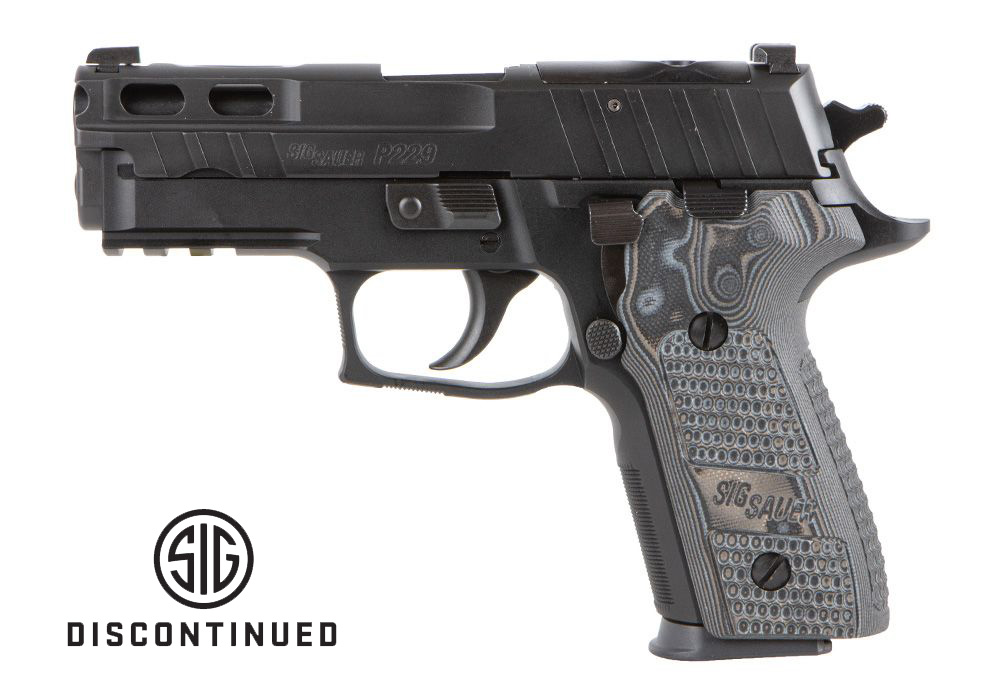
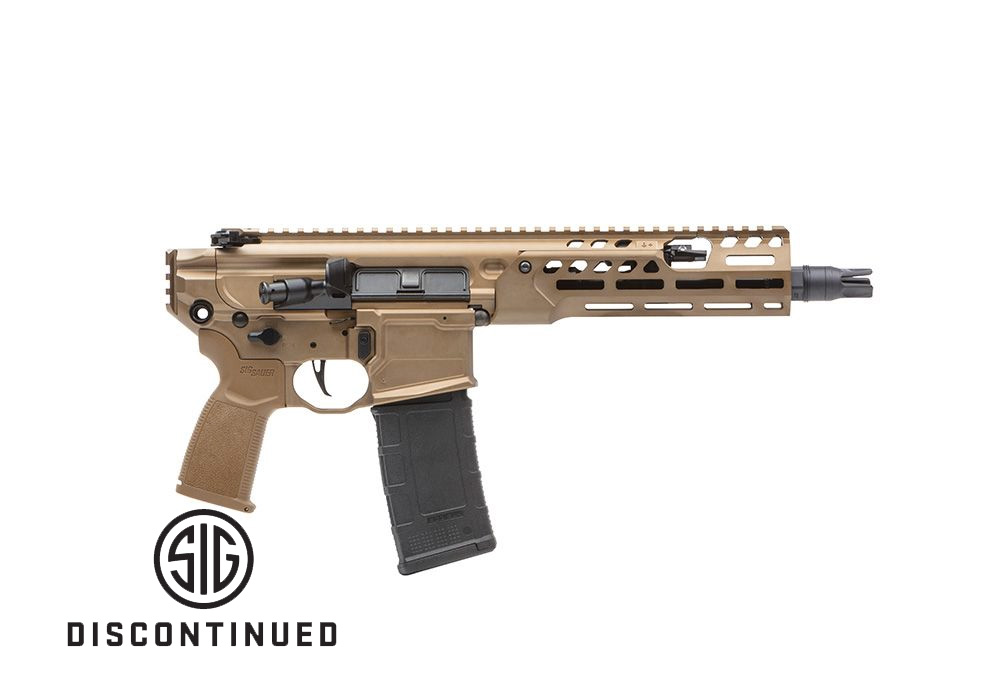
Advanced Barrel Technology Pistols bring together carefully engineered barrel features intended to support accuracy, consistency, durability, and more controlled handling. In the handgun market, “advanced barrel technology” is generally a broad term for match-grade engineering rather than a single standardized system. Depending on the design, it may refer to tighter manufacturing tolerances, refined internal profiling, modern rifling methods, protective barrel coatings, optimized locking surfaces, or porting and other features intended to influence recoil and muzzle movement. These details work as part of the complete pistol rather than in isolation. The barrel must interface properly with the slide, frame, recoil system, sights, ammunition, and shooter, which is why a well-matched factory configuration can be an appealing choice for both experienced users and those selecting a first serious handgun. A precisely made barrel can help produce more repeatable shot placement when paired with sound technique, while a durable finish may help the pistol stand up to regular handling, training, storage, and changing environmental conditions. The result is a category suited to people who value a refined shooting experience, whether they spend time practicing at an indoor range, training outdoors as the weather warms, or maintaining familiar skills during the cooler months. For everyday carry considerations, barrel length also affects the overall balance, sight radius, draw profile, and holster options. A shorter configuration may be easier to carry and conceal, while a longer barrel can offer additional sighting surface and a different feel in the hand. Shooters comparing these designs should consider how the pistol fits their grip, how naturally they can align the sights, and whether the controls are easy to operate without changing their hold. Recoil perception varies from person to person, so choosing a model that can be controlled comfortably is just as important as reviewing technical specifications.
When comparing Advanced Barrel Technology Pistols, start with intended use, fit, and compatibility rather than focusing on one feature alone. A pistol selected for range practice may prioritize a crisp trigger, a stable grip, a longer sighting plane, or a barrel profile that feels steady during deliberate strings of fire. A defensive handgun may place greater emphasis on dependable function, manageable dimensions, intuitive controls, and compatibility with a quality holster and secure storage solution. Competitive users may look more closely at barrel tolerances, sighting systems, recoil characteristics, and the ability to maintain consistent performance through extended practice sessions. Terms such as match-grade, precision-machined, button-rifled, cut-rifled, polygonal, threaded, or ported can describe meaningful design choices, but they should always be evaluated in the context of the complete firearm and the ammunition approved for it. Not every barrel is compatible with every frame, slide, caliber, magazine, or accessory, and aftermarket components should never be assumed to fit simply because they appear similar. Buyers should review the manufacturer’s specifications, confirm caliber markings, and consult a qualified gunsmith when a configuration change or barrel replacement is being considered. Ammunition selection matters as well: use only the correct cartridge for the pistol, follow published guidance, and avoid mixing components that are not designed for the platform. For shooters exploring a smaller footprint without giving up thoughtful barrel engineering, the selection of Compact Barrel Pistols offers a useful comparison point. Compact dimensions can make a pistol practical for training, travel between approved shooting locations, or lawful concealed carry where permitted, though the reduced size may change recoil feel and sight alignment. Handling several configurations at a properly supervised range can reveal differences that specifications alone cannot show, including grip comfort, trigger reach, balance, and how quickly the sights return after each shot.
These pistols can also be considered as a meaningful gift for a responsible adult who already participates in shooting sports, maintains the required licenses or permits, and has a clear plan for secure storage. A firearm is a personal purchase, so gifting one should involve the recipient, comply with all applicable federal, state, and local requirements, and account for transfer procedures where required. For many owners, the most valuable addition is not simply the pistol but a complete responsible-use setup that may include a fitted holster, eye and ear protection, locking storage, training time, and suitable practice ammunition. New owners benefit from instruction with a qualified professional before loading or carrying, followed by regular practice focused on safe loading and unloading, grip, sight alignment, trigger control, malfunction procedures, and holster use. Every firearm should be treated as loaded, kept pointed in a safe direction, kept outside the trigger guard until the decision to fire, and stored unloaded and secured from unauthorized access when not in use. Advanced barrel design can contribute to a precise and confidence-inspiring platform, but it does not replace training, maintenance, or responsible judgment. Routine care should follow the owner’s manual and include inspection for unusual wear, obstruction, damage, or residue before use. During seasons when range visits become part of a regular routine, a simple maintenance schedule helps preserve reliable operation and keeps the shooter familiar with the pistol’s controls. By weighing barrel construction, dimensions, ergonomics, intended application, ammunition requirements, and safe-storage needs together, shoppers can narrow this selection to a handgun that feels natural, performs consistently, and supports responsible ownership for years of practice.