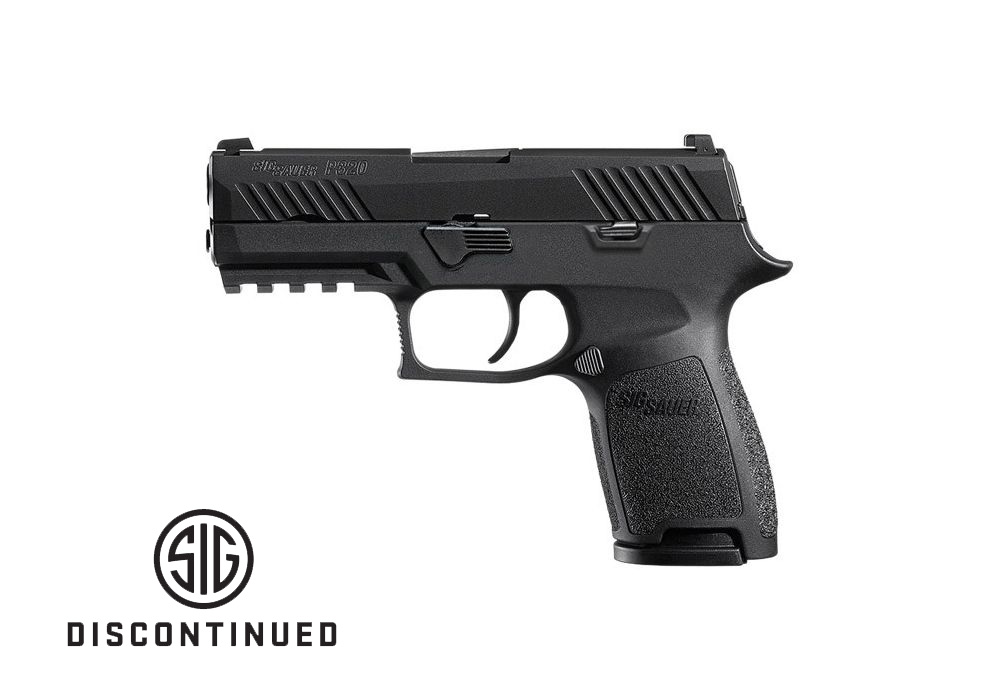
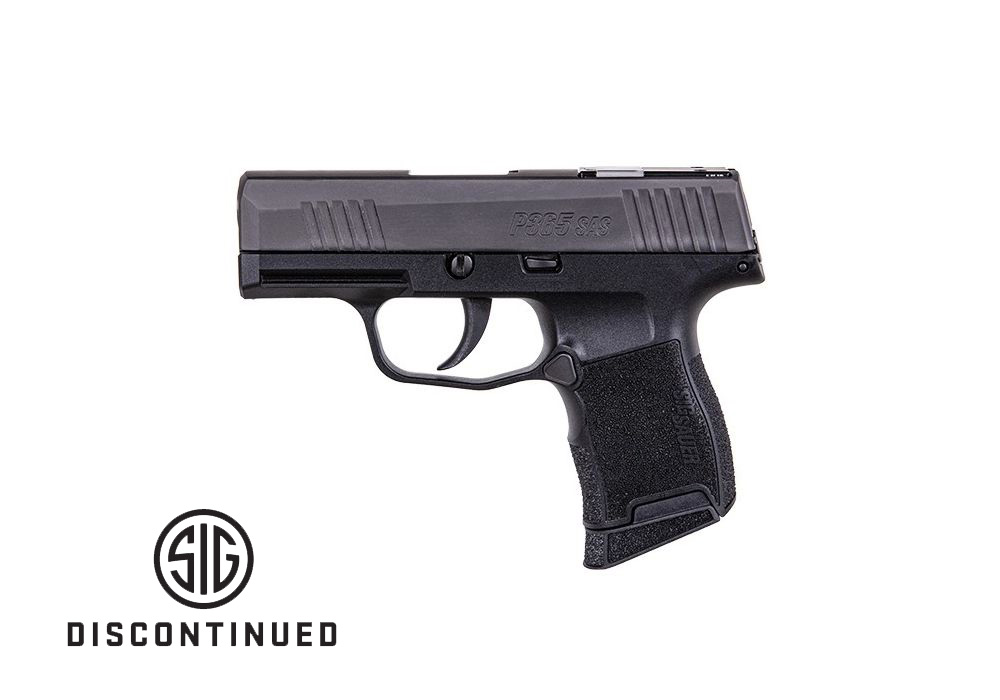
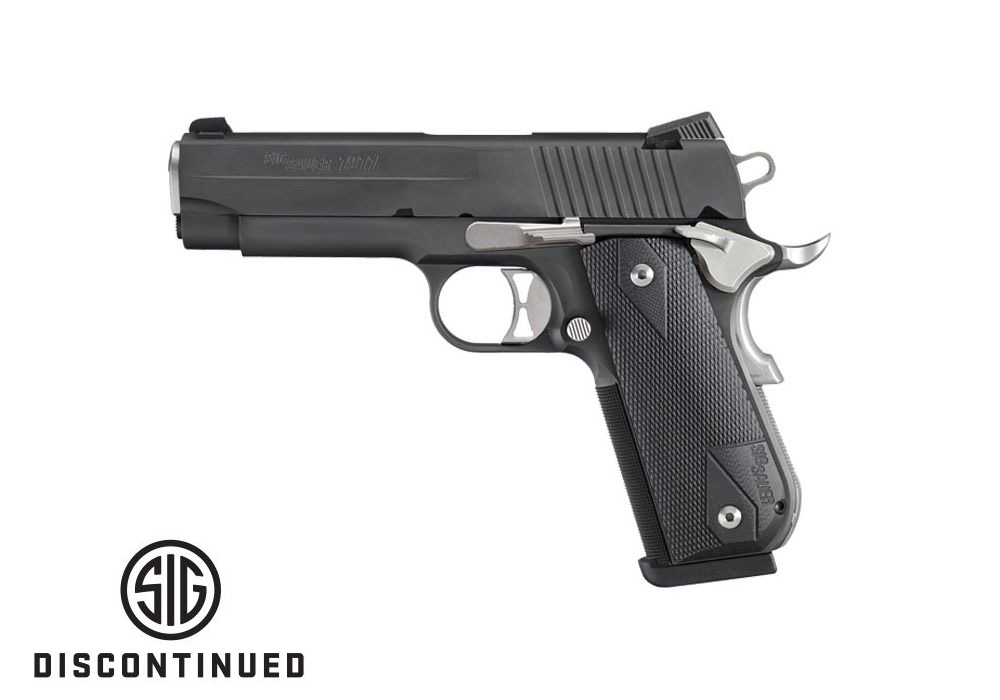
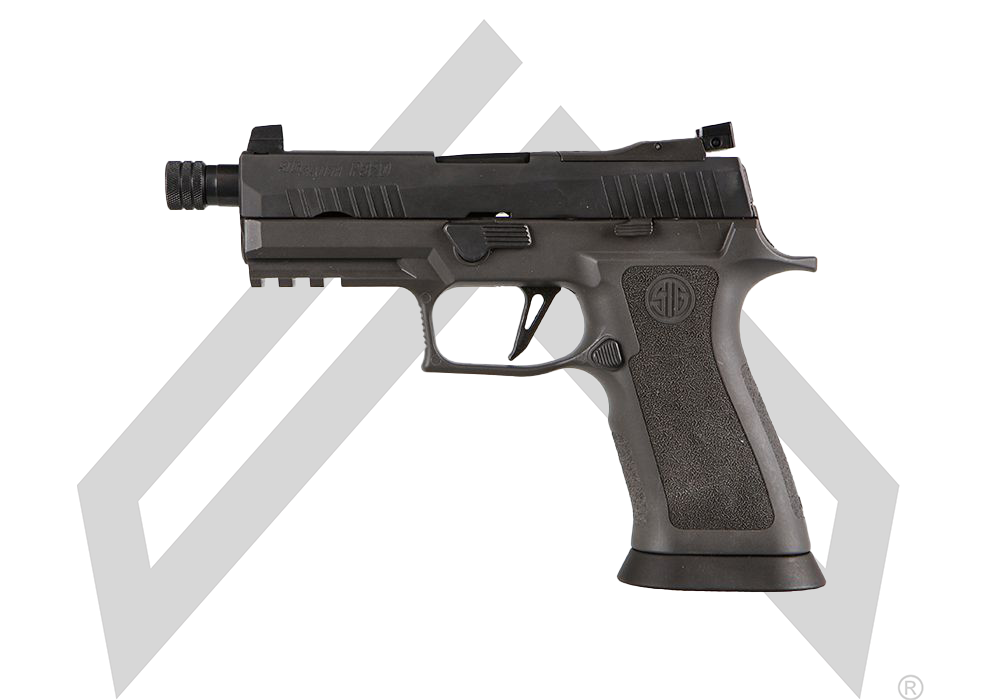
Compact barrel pistols generally feature barrels measuring about 3.0 to 4.25 inches, pairing shorter overall dimensions with practical performance for lawful concealed carry, personal defense, and range use. Those measurements describe a common range rather than a universal classification: micro-compact, subcompact, and compact designations also depend on grip height, frame width, and the manufacturer’s terminology. A pistol with a short barrel can still have a substantial grip, while another with a slightly longer barrel may have a slimmer profile. Barrel length is therefore only one part of the size comparison. The grip often has a greater effect on how noticeably a handgun sits beneath clothing, and overall weight influences comfort during lawful carry. For someone accustomed to a full-size handgun, a compact design can offer familiar handling in a less bulky package. For a newer owner, the appeal may be a manageable size that fits both supervised practice and a secure storage arrangement at home. Hand fit deserves as much attention as the measurements on a specification sheet. A grip should allow a secure hold without forcing the fingers into an awkward position, and the distance to the trigger should suit the shooter’s hand. Grip texture, contour, and the shape of the backstrap all affect that relationship. A narrow frame may feel comfortable when first picked up, yet a broader grip can distribute pressure more evenly for another shooter. Similarly, a shorter grip may be easier to conceal but provide less room for the supporting fingers. These differences become clearer during supervised range practice than through dimensions alone. Smaller does not automatically mean easier to shoot: lighter pistols can produce more pronounced felt recoil, depending on chambering, ammunition, and operating design. A comfortable compact pistol balances size with controllability, allowing its owner to build consistent handling habits rather than accommodate a fit that never feels quite right. For someone dividing time between regular range sessions and lawful carry, that balance can matter more than achieving the shortest possible barrel.
Materials and construction help determine how a compact pistol feels, wears, and responds to routine use. Polymer frames can reduce weight, while aluminum-alloy and steel frames offer different weight distributions and handling characteristics. Steel slides and barrels must withstand repeated firing stresses, but material alone does not establish quality; machining, heat treatment, surface finishing, and the fit between components also matter. Stainless steel and protective coatings can improve corrosion resistance, although neither eliminates the need for cleaning and inspection. On a compact handgun, the relationship between the barrel and slide is particularly relevant because consistent alignment supports repeatable performance. Barrel length also affects other characteristics without telling the whole story. A shorter barrel may yield lower bullet velocity than a longer barrel with the same ammunition, but the difference depends on the cartridge, load, and individual firearm. Short barrels are not inherently inaccurate. Practical shooting results also reflect sight visibility, trigger characteristics, ammunition consistency, shooter skill, and how well the pistol fits the hand. With conventional sights, a shorter slide commonly means a shorter sight radius, which can make small alignment errors more noticeable. Clearly defined sights and a comfortable grip can help a shooter maintain a consistent sight picture during supervised practice. Some compact designs support an electronic sight, but compatibility depends on the specific mounting system, approved hardware, and manufacturer requirements. Chamberings such as 9mm and .380 ACP also warrant consideration alongside pistol weight and grip dimensions; neither the cartridge name nor barrel length alone predicts how comfortable a handgun will feel. Ammunition must match the firearm’s designated chambering and comply with its manufacturer’s recommendations. Shoppers interested in how barrel engineering relates to pistol design can also explore Advanced Barrel Technology Pistols. For compact formats, the meaningful comparison remains the complete firearm: how its construction, sights, controls, and dimensions work together. Durability is most useful when accompanied by a fit that encourages regular practice, since even a carefully engineered pistol cannot substitute for familiarity, sound handling habits, and qualified instruction.
The equipment surrounding a compact pistol contributes to its usefulness just as much as the firearm’s dimensions. A holster should be compatible with the exact handgun configuration, cover the trigger area completely, and retain the firearm securely. Changes such as an attached light or an electronic sight may require a different holster, even when the basic frame remains the same. For lawful carry, holster shape, attachment hardware, and the supporting belt influence stability and comfort. A shorter barrel does not guarantee that every setup will feel comfortable while seated, walking, or moving through an ordinary day; the complete arrangement matters. Range use introduces another set of practical considerations, including suitable eye and hearing protection, a secure transport case, and access to qualified instruction. Owners who expect frequent practice may value accessible controls and a grip that remains comfortable through longer sessions rather than choosing solely by size. Care should follow the firearm manufacturer’s instructions, with the pistol unloaded before cleaning or inspection. Approved cleaning products help protect metal finishes and nonmetal components, while lubrication should be applied only as directed. Excess lubricant can attract residue and lint, particularly on a handgun carried regularly. Routine inspection offers an opportunity to notice unusual wear, loose sight hardware, damaged magazines, or changes in function before they become persistent problems. Concerns about damaged components or unreliable operation belong with a qualified firearms professional rather than improvised repairs. Secure storage is equally important: an appropriate locking container or safe helps prevent unauthorized access, especially in homes with children or visitors. Storage and transport arrangements must also meet applicable laws. For an experienced owner seeking a smaller companion to a familiar full-size handgun, or a newer shooter comparing manageable options, compact barrel pistols offer a range of dimensions and handling characteristics. Lasting satisfaction comes from a realistic match between the pistol, the owner’s hand, the intended lawful use, and the time devoted to responsible care and practice.