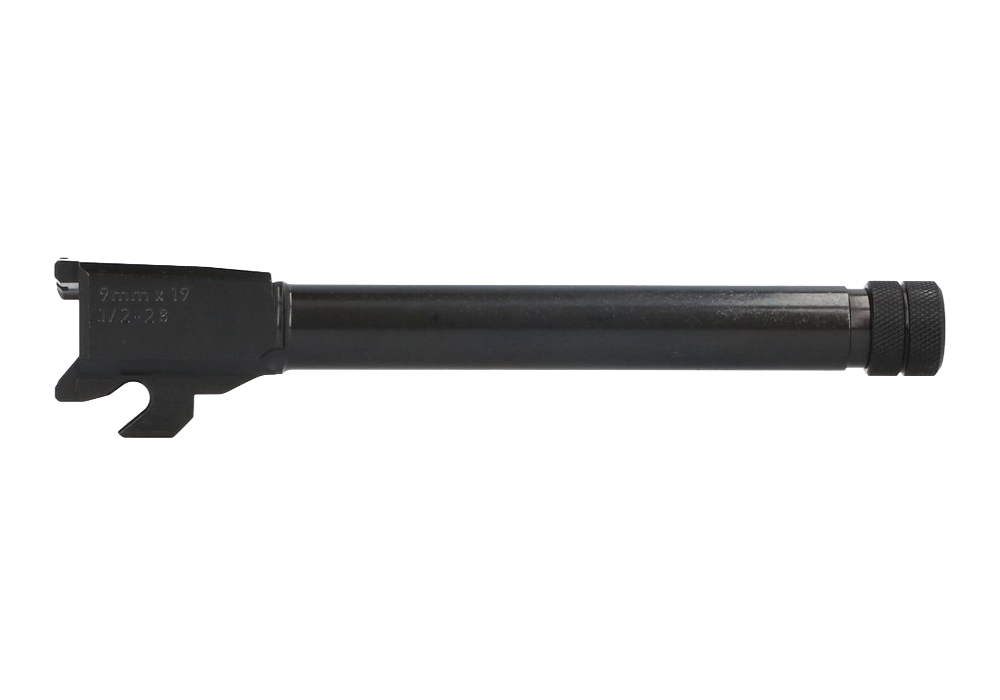
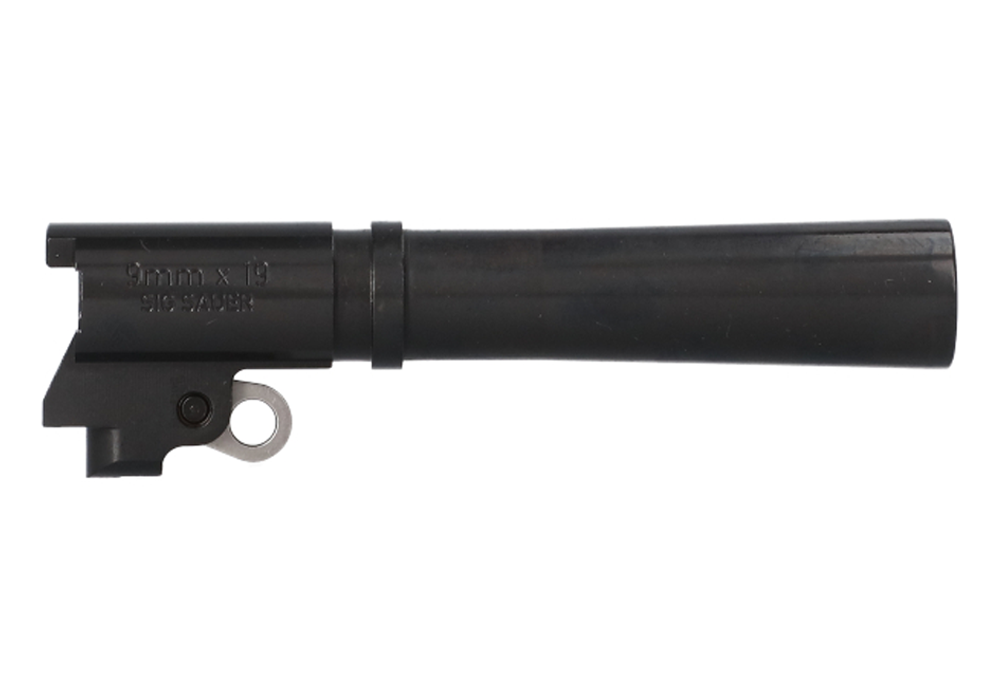
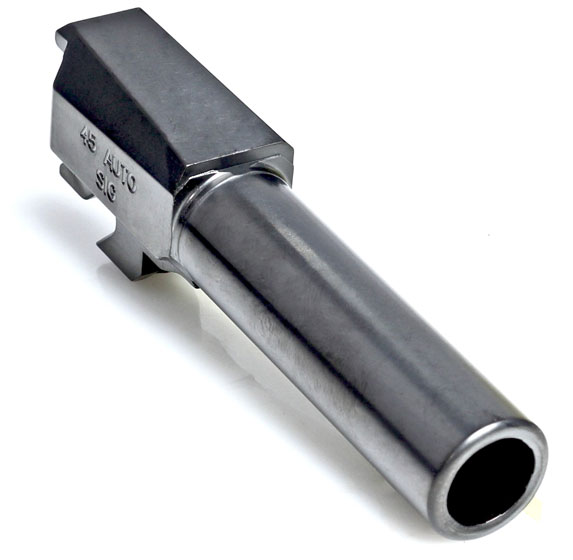
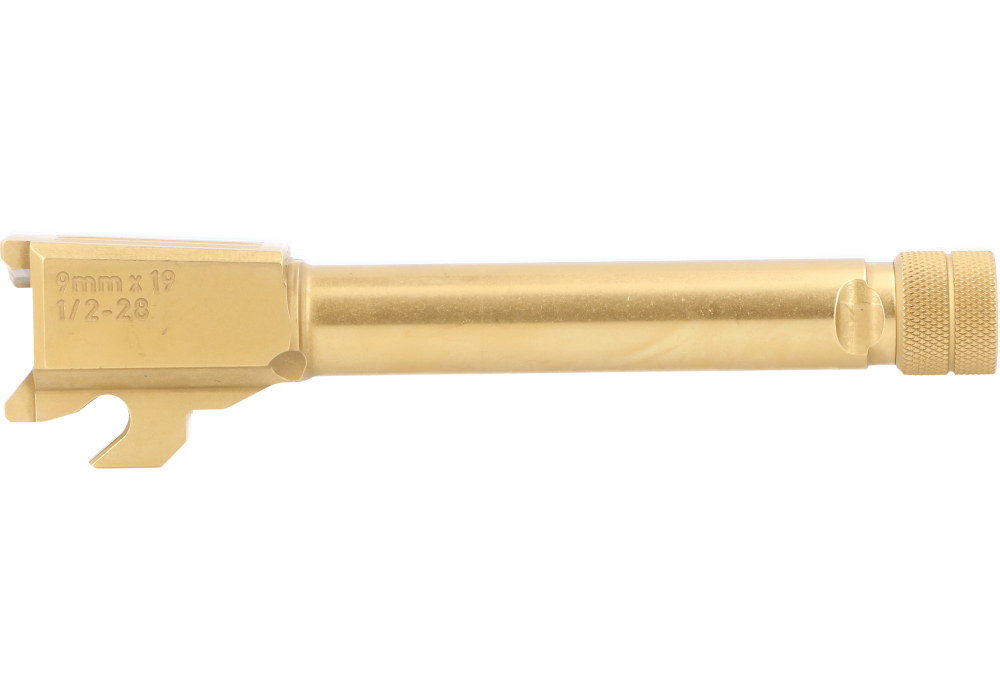
Pistol barrels are precision components that guide the cartridge from the chamber to the muzzle while helping stabilize the projectile as it travels downrange. Inside the barrel, the bore is the central passage, and rifling—carefully formed lands and grooves—spins the bullet for more consistent flight. At the rear, the chamber supports the cartridge during firing, while the feed ramp helps guide the next round from the magazine into position as the slide cycles. At the front, the muzzle is the point of exit and may feature a standard exterior profile or threads for compatible accessories such as a compensator or suppressor. When browsing barrels for pistols, start with exact compatibility. The pistol’s make, model, generation, caliber, and intended configuration all matter, and even closely related models may use different barrel dimensions or locking surfaces. A barrel should be selected for the specific firearm rather than by appearance alone. For compact and carry-focused pistols, explore the selection of Carry Handgun Barrels alongside other compatible options. Confirm the listed fitment, chambering, and installation requirements before ordering, particularly when replacing a worn component or changing from a factory configuration.
A standard barrel is often the straightforward choice for routine range use, training, competition practice, or maintaining a pistol in its original configuration. Shooters may also choose a replacement when the original barrel has seen extensive use, when a spare is useful for maintenance planning, or when a different finish and profile better suit the intended setup. Threaded barrels add flexibility for those who use compatible muzzle accessories, but the threads, length, shoulder, and accessory specifications must match one another precisely. A compensator, for example, needs a suitable threaded interface and enough clearance to function properly, while a suppressor requires attention to caliber, thread pitch, alignment, and all applicable laws. Barrel length can influence balance, sight radius, holster fit, and overall handling, so a change that looks minor on a product page may affect how the pistol feels in the hand or rides in a carry system. For defensive firearms, reliability remains the central consideration. A barrel should lock consistently, support the correct ammunition, and work properly with the slide, recoil system, magazines, and sights. Ammunition selection is equally important; use cartridges that match the barrel’s marked caliber and follow the firearm manufacturer’s specifications. A replacement barrel can be a practical gift for an experienced shooter who already knows the exact model and configuration needed, but it is best given with verified fitment rather than selected as a surprise based only on caliber or general pistol size.
Barrel care begins with safe handling and a careful inspection. Before removing or examining any firearm component, unload the pistol completely, remove the magazine, open the action, and visually and physically verify that the chamber is empty in accordance with the owner’s manual. Routine cleaning helps remove powder residue, fouling, and debris from the bore and chamber, while a light protective film can help guard appropriate exterior surfaces during storage. Avoid using tools or chemicals that may damage the bore, crown, finish, or feed ramp, and inspect the muzzle and chamber for unusual wear, pitting, bulges, or damage. The crown—the edge surrounding the muzzle—deserves particular care because damage there can affect consistency. Installation is not always a simple drop-in task, even when a barrel is marketed as an easy replacement. Proper fit involves the locking surfaces, barrel hood, chamber, slide, guide rod, and feed ramp, and any unusual resistance, excessive movement, failure to return to battery, or feeding problem is a reason to stop and consult a qualified gunsmith. After installation, function checks and controlled testing should be performed safely at an appropriate range, using proper eye and ear protection and following local regulations. Whether the goal is to keep a well-used pistol dependable, configure a carry gun with a compatible standard barrel, or prepare a range setup with threaded capability, choosing the correct barrel and maintaining it carefully supports safe, consistent performance through changing conditions and throughout the cooler months.