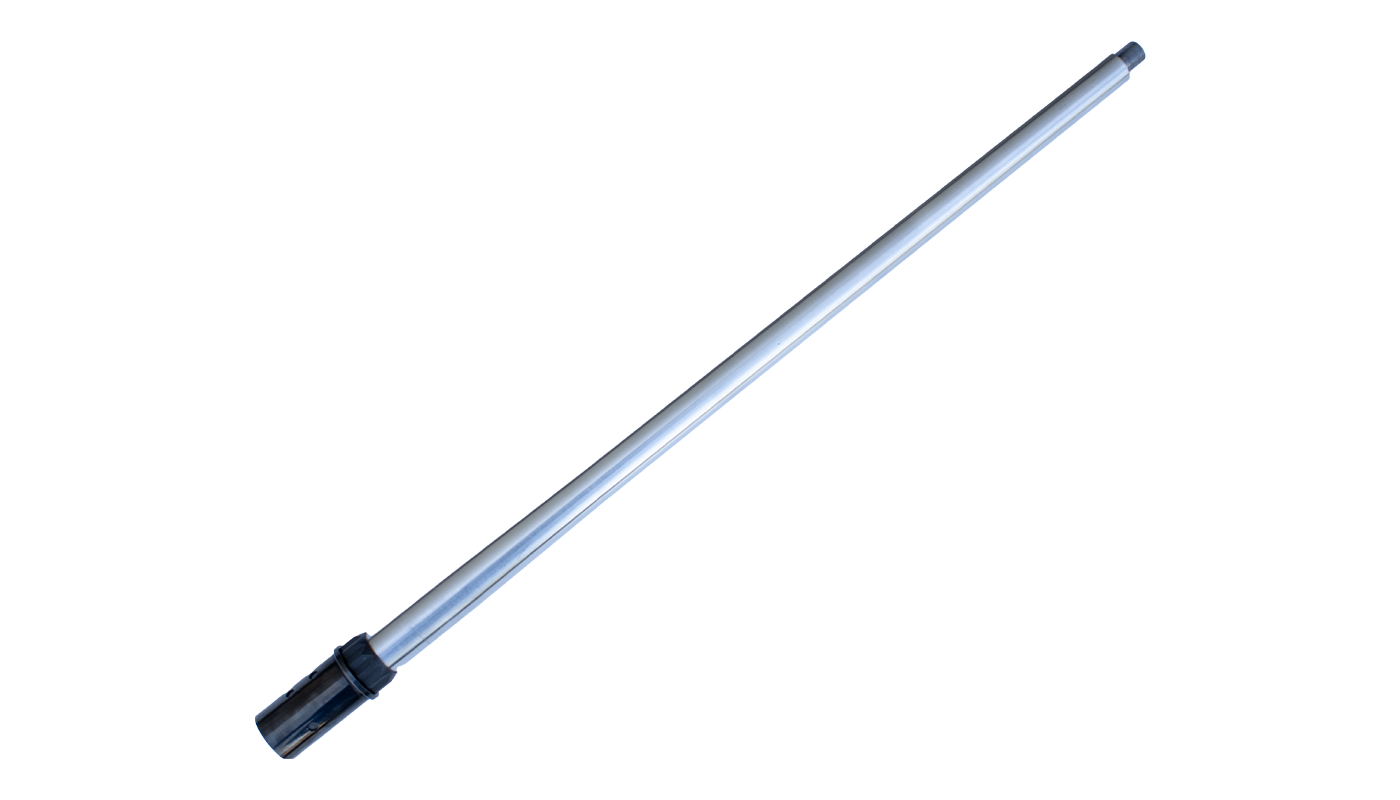
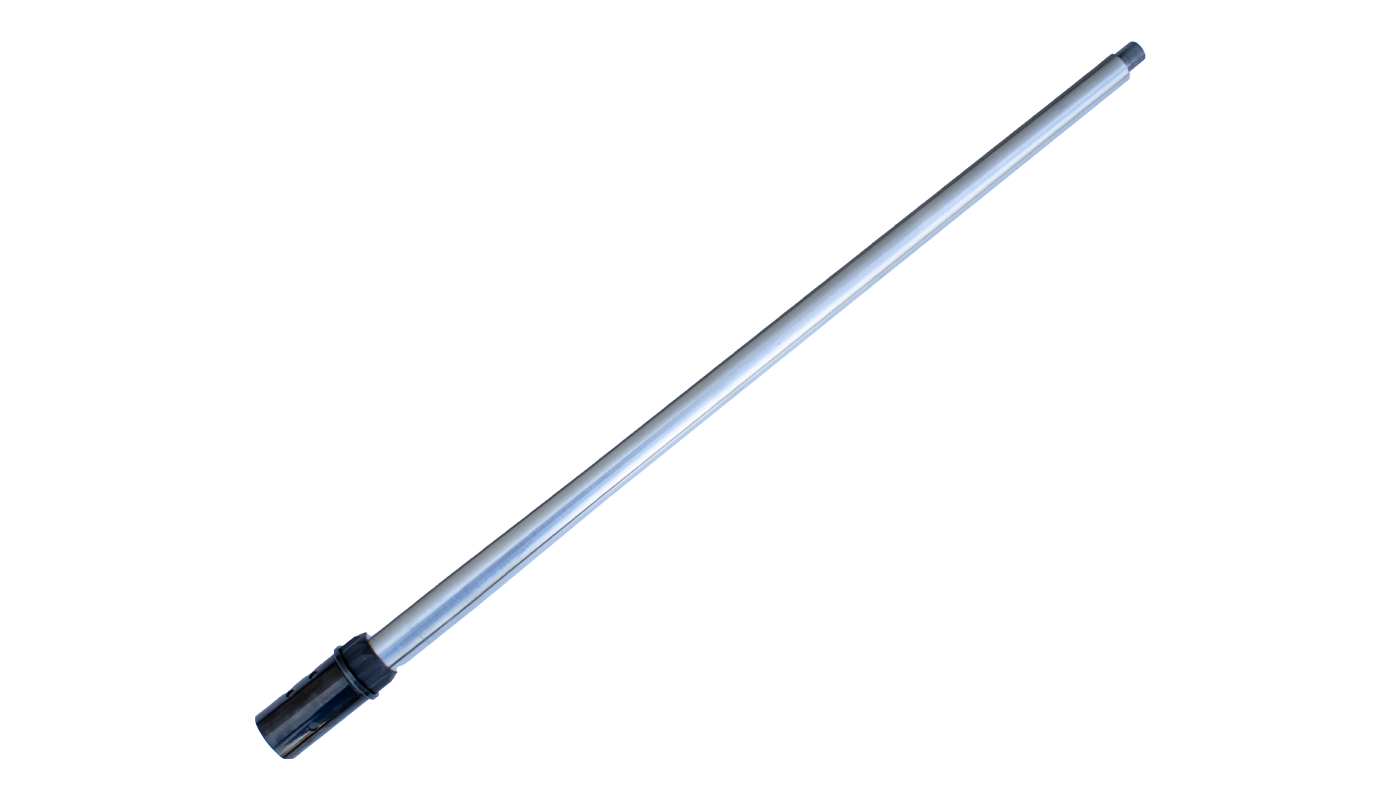
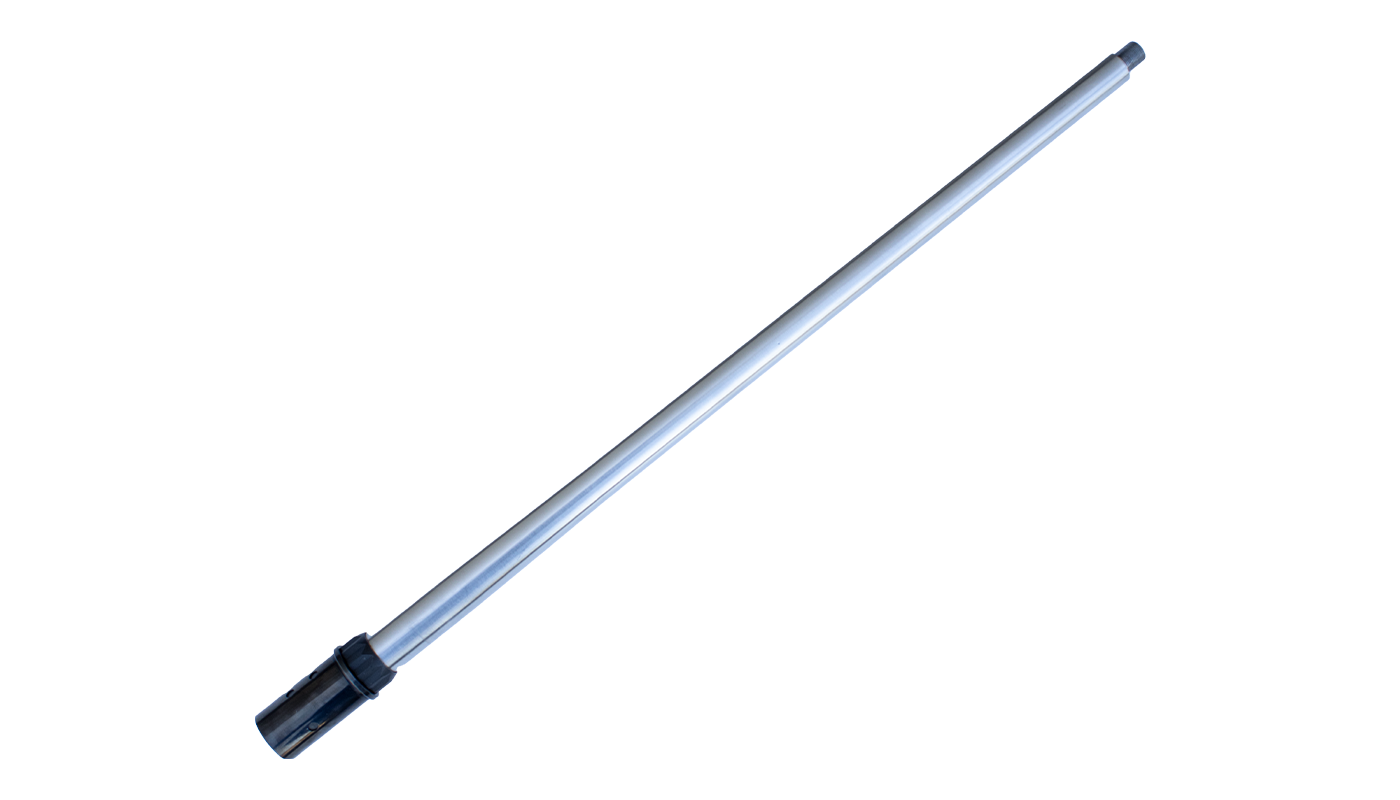
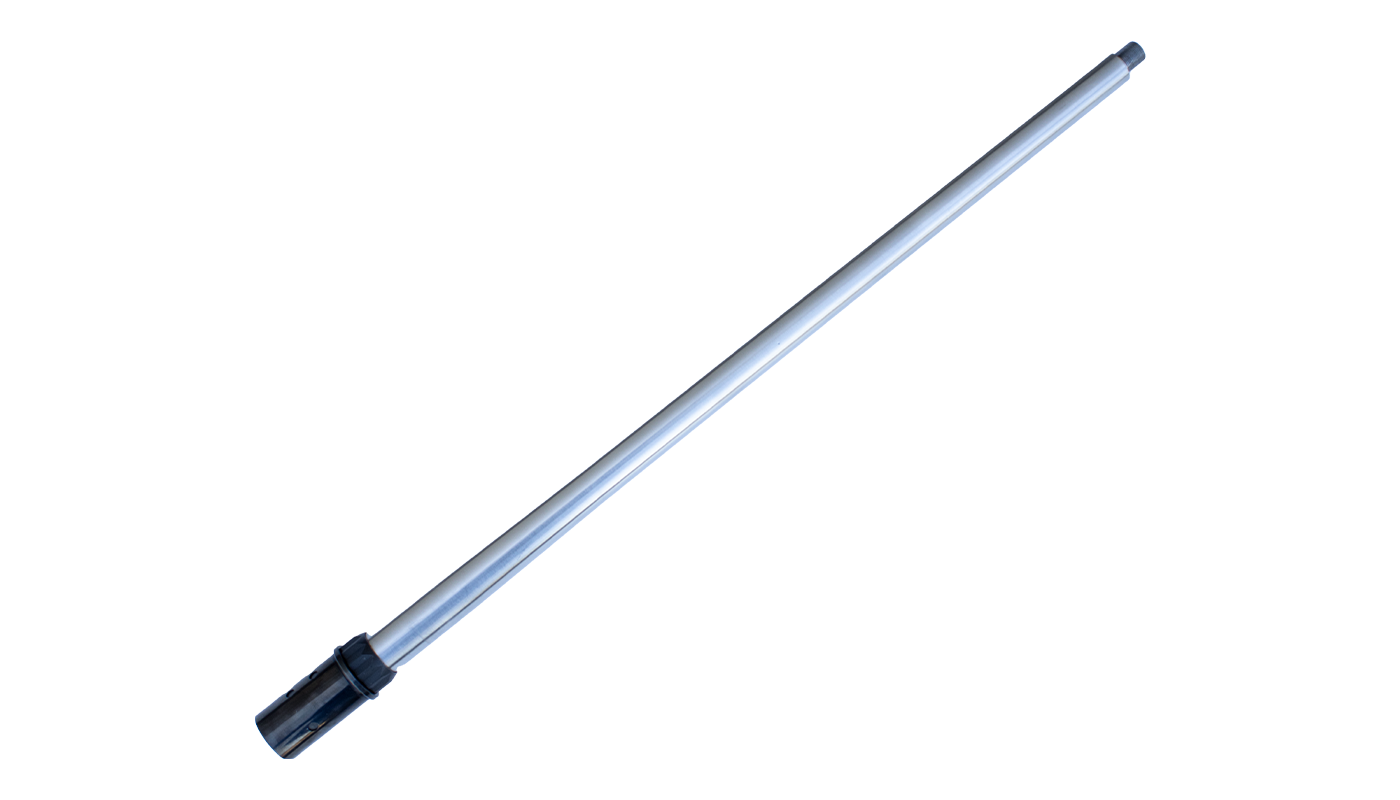
A precision barrel is a firearm barrel manufactured to closely controlled dimensional tolerances, with attention to bore uniformity, rifling, chamber geometry, and overall consistency. Its purpose is to support accuracy and shot-to-shot repeatability, whether the setting is a supervised target range, an organized competition, or a lawful hunt. The difference is not simply a polished exterior or a match-grade label. What matters is the relationship between the barrel’s internal dimensions, its construction, and the firearm and ammunition for which it is intended. Rifling gives the projectile its stabilizing spin, while consistent bore and groove dimensions help create predictable conditions as it travels through the barrel. Manufacturing methods can include cut rifling, button rifling, or hammer forging, and no single method alone guarantees superior results. Careful process control, appropriate material treatment, and thorough inspection all contribute to the finished component. Some manufacturers use air gauging to evaluate internal dimensions or lapping to refine the bore surface, but those details should be confirmed in the individual specifications rather than assumed from the word “precision.” The muzzle crown, the finished edge surrounding the bore at the muzzle, is another detail that can influence consistency and deserves protection from damage. For a target shooter examining a paper group or a competitor reviewing a string of shots, repeatable performance is more meaningful than an isolated impressive result. A barrel is also only one part of that result: ammunition consistency, firearm condition, sighting equipment, and shooter technique remain important. Precision barrels therefore belong in a broader discussion of quality and suitability, not promises of automatic accuracy. Clear specifications and documented compatibility offer a stronger basis for comparison than appearance alone. They help distinguish a component intended for routine range practice from one designed around the demands of competition or field use, without suggesting that every shooter needs the same construction, weight, or configuration.
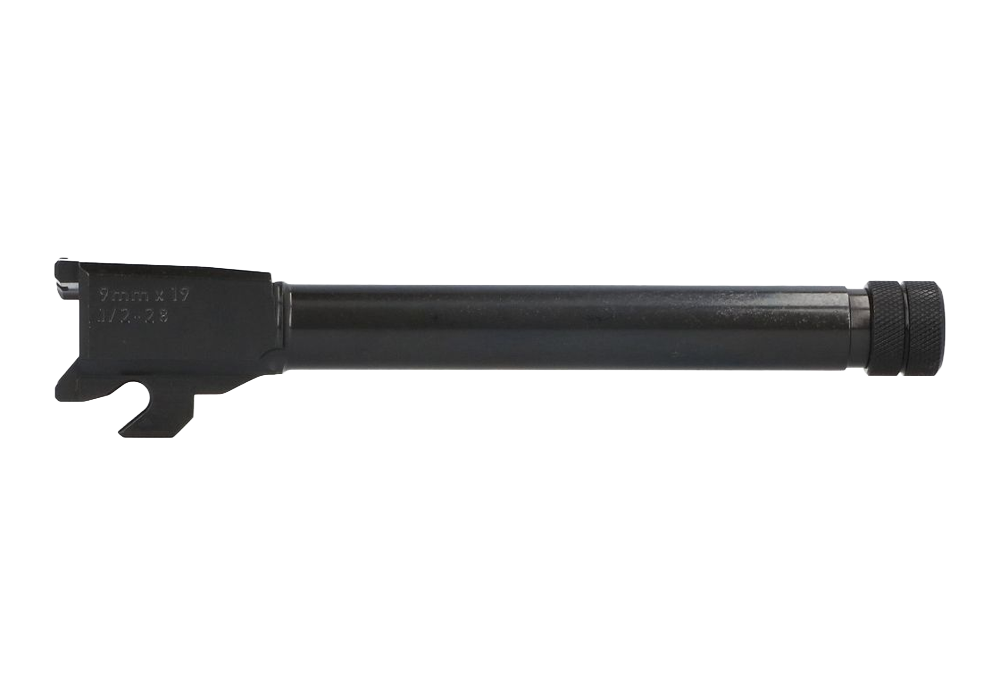
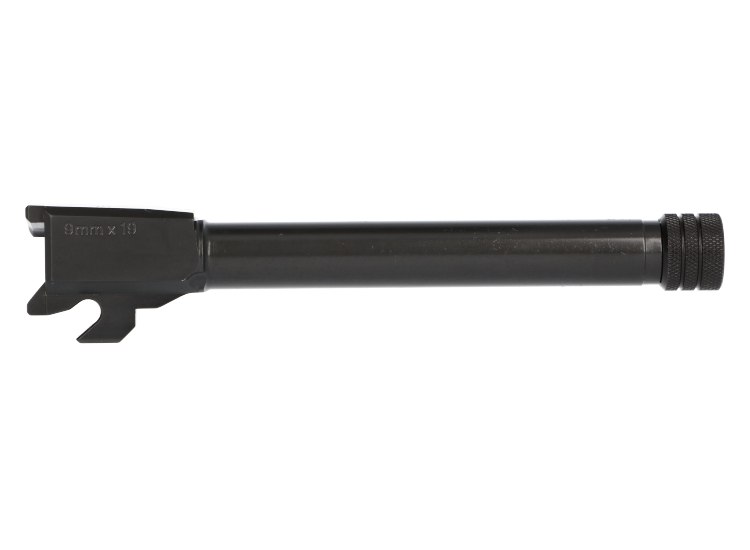
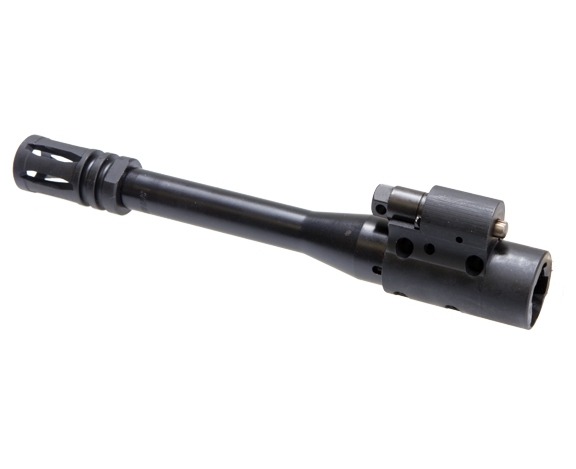
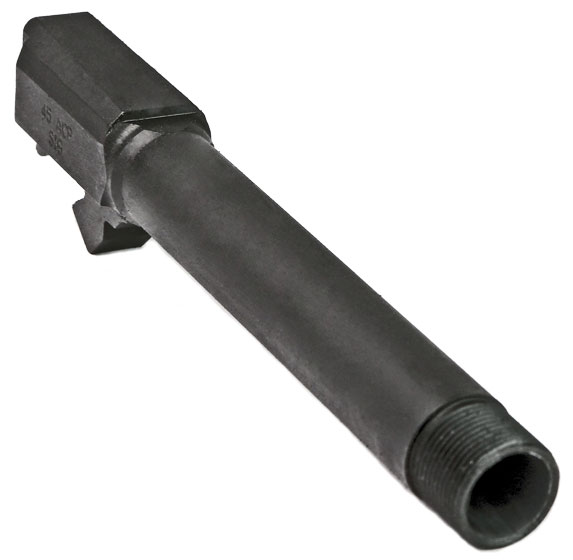
Materials and exterior design shape how a precision barrel handles regular use, maintenance, and the practical demands of carrying a firearm. Stainless steel is common in precision-focused barrel construction because suitable alloys offer useful machining characteristics and corrosion resistance, though stainless steel is not immune to rust or neglect. Chrome-moly steels are another established choice, often paired with protective finishes or surface treatments. Carbon-fiber-wrapped construction combines a metal barrel core with a composite exterior and can offer a different balance of weight and rigidity, depending on the design. These material categories describe different engineering approaches rather than a simple ranking from ordinary to premium. A substantial steel barrel may suit a firearm used primarily from a supported position, where carrying weight matters less. Someone transporting a hunting rifle over a long distance may place greater value on manageable overall weight and comfortable balance. Barrel contour, length, and exterior features all affect that balance, so a photograph rarely tells the whole story. Fluting, for example, changes the exterior profile and weight, but its presence alone does not establish accuracy or quality. Surface finishes also deserve a practical reading: a treatment intended to resist wear or corrosion does not eliminate the need for inspection and care. Fit is equally important. Compatibility extends beyond caliber markings to the firearm’s exact model, generation, operating system, and manufacturer requirements. Two barrels that look similar or share a caliber designation are not necessarily interchangeable. Replacement components may require professional fitting or inspection, and any uncertainty about compatibility or safe function belongs with the firearm manufacturer or a qualified gunsmith. A precision barrel should be evaluated as a specified component of a particular firearm, not as a universal accessory. Detailed compatibility information, material descriptions, and maintenance requirements give shoppers useful distinctions to weigh before choosing, especially when the firearm serves several roles rather than a single specialized purpose.
Long-term satisfaction with a precision barrel depends as much on realistic expectations and responsible care as it does on the initial specification sheet. Repeated firing exposes the bore and chamber to wear, and service life varies with cartridge characteristics, usage patterns, material, and maintenance. There is no universal round count that defines how long every precision barrel will retain the same performance. For an occasional recreational shooter, ease of care and a durable finish may be especially valuable; for a frequent competitor, documented consistency and a clear maintenance history may receive closer attention. Manufacturer-approved cleaning practices help protect internal surfaces without unnecessary abrasion, while appropriate storage helps limit corrosion. Care should follow the instructions for both the firearm and the barrel, with the firearm unloaded and ammunition kept separate during maintenance. Harsh chemicals, unsuitable tools, and aggressive cleaning can damage surfaces that depend on precise dimensions. Visible damage, unusual wear, or a meaningful change in function warrants professional evaluation rather than an assumption that more cleaning will resolve the issue. The intended experience also matters when considering these components as gifts. A precision barrel can be a thoughtful choice for an experienced, legally eligible firearm owner with a clearly established preference, but it is a poor category for guessing. Exact compatibility and the recipient’s intended use take priority over a striking finish or an impressive-sounding technical term. For shoppers comparing individual barrel components with complete firearm designs, Advanced Barrel Technology Rifles offers a related category to explore. That distinction is useful: a complete rifle brings the barrel together with the action, stock or chassis, and other elements that influence handling and performance. Whether the priority is deliberate practice, competitive participation, or responsible hunting, the most relevant qualities remain consistent construction, suitable materials, verified fit, and care requirements that match the owner’s routine. Precision is most valuable when those details work together, supporting dependable use rather than relying on a label alone.