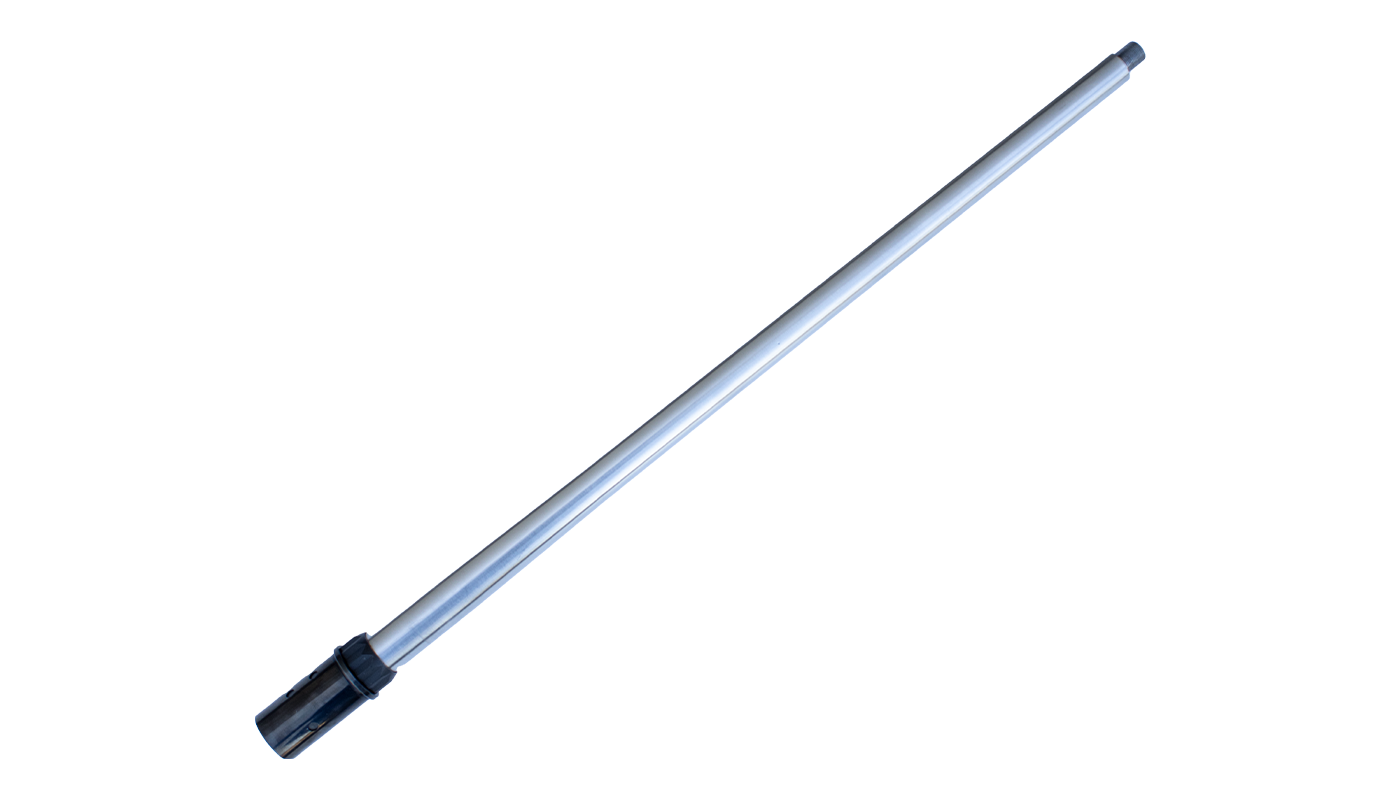
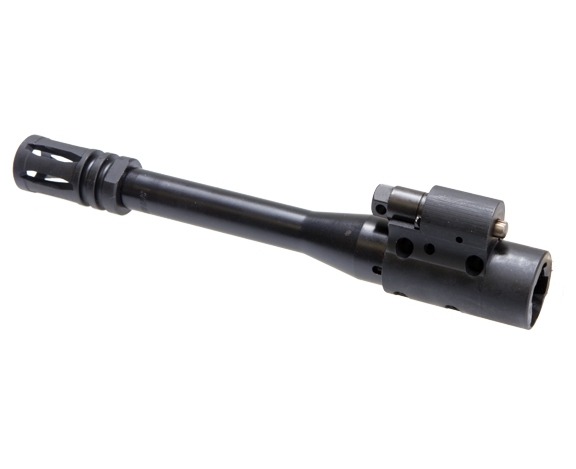
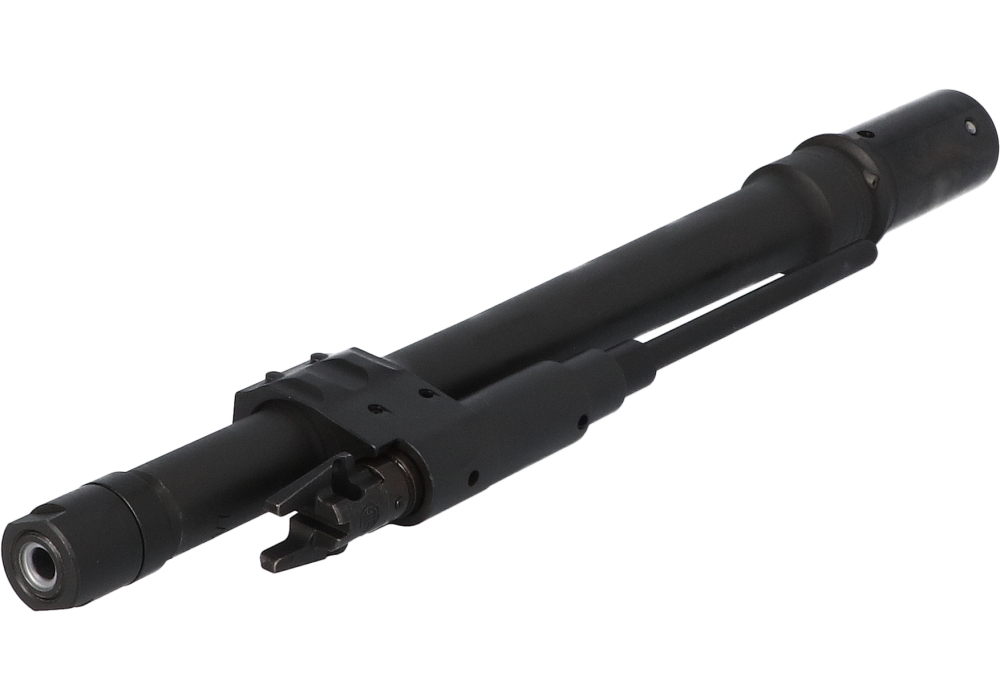
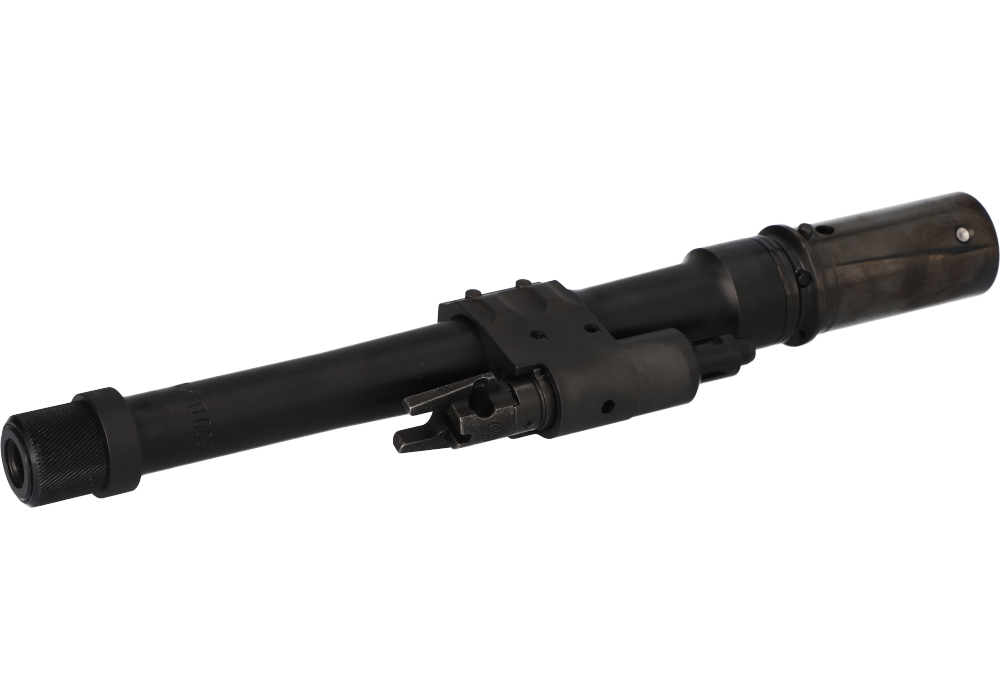
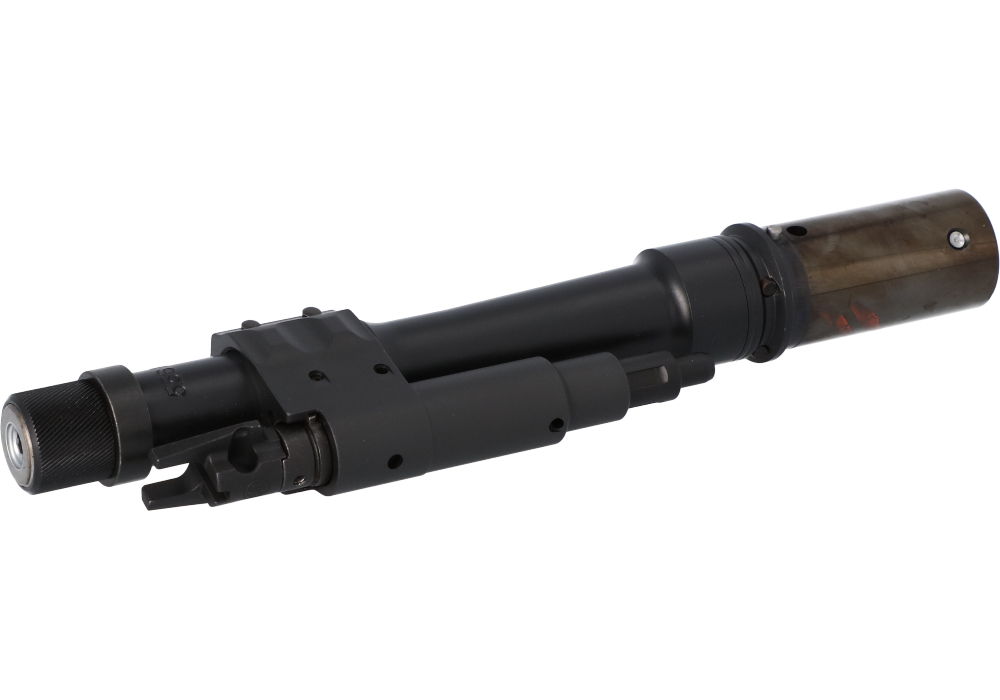
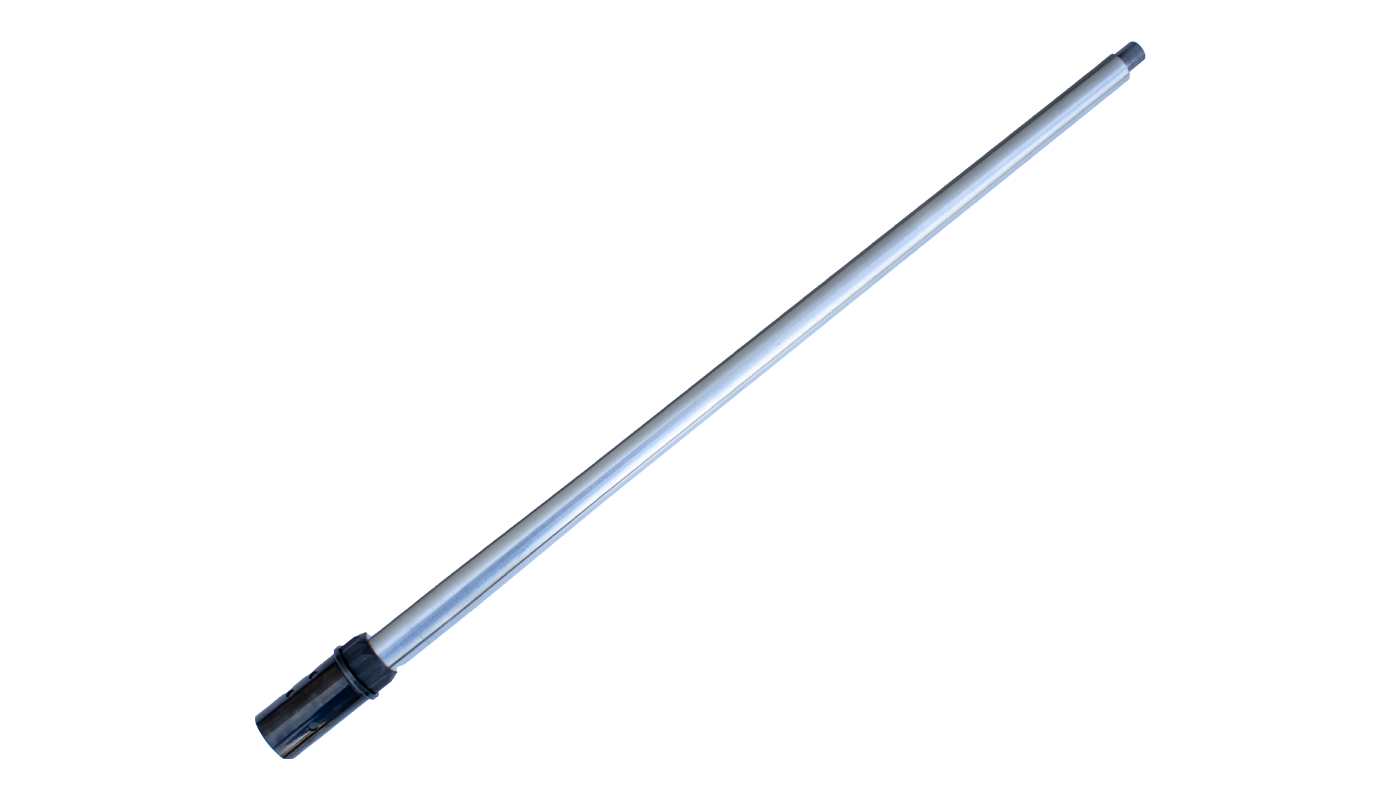
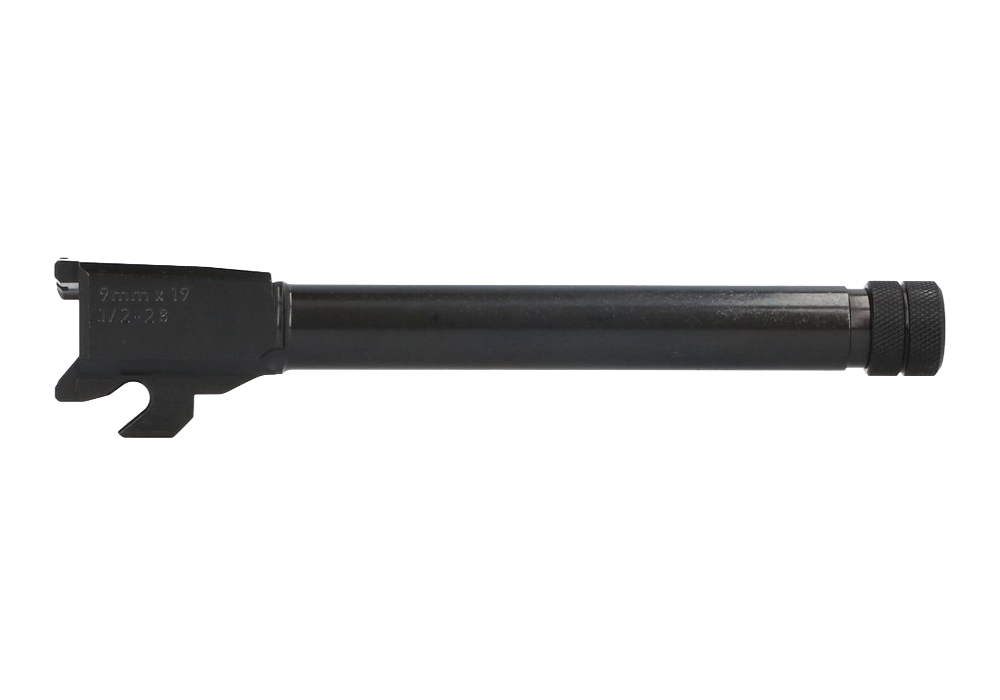
Combat barrels are commonly selected as replacement or upgrade components for handguns and rifles used in defensive training, duty applications, competition, and general range practice. In this category, the term can describe a rugged factory-style replacement barrel intended for dependable everyday service, as well as a precision-oriented barrel designed to support tighter shot placement and consistent performance. Pistol barrels may be offered in standard or extended lengths, with threaded and non-threaded configurations serving different purposes. A non-threaded barrel can be a straightforward choice for a defensive handgun or training pistol, while a threaded barrel may be considered by qualified owners whose setup is configured for a compatible muzzle device. Rifle barrels can vary by profile, length, chambering, twist rate, and attachment system, so these details should be matched carefully to the firearm and ammunition being used. Whether replacing a worn component, restoring a favorite training firearm, or refining a custom build, shoppers typically compare material, finish, rifling, manufacturing tolerances, and overall barrel dimensions before making a purchase. The right choice depends less on appearance than on compatibility, intended use, maintenance habits, and the balance of durability, weight, handling, and accuracy that fits the shooter’s needs.
Fitment should be the first consideration when reviewing combat barrels. A barrel must be designed for the exact firearm model, generation, caliber, and operating system, and some apparently similar firearms are not interchangeable. Pistol owners should verify chambering, barrel length, locking geometry, feed-ramp design, and whether the barrel is intended as a drop-in component or requires professional fitting. Rifle owners should confirm the chamber specification, gas-system requirements, extension type, twist rate, muzzle threading, and compatibility with the upper receiver and handguard. Threaded options also require attention to thread pitch, muzzle alignment, and the dimensions of any brake, compensator, suppressor, or other accessory. Match-grade barrels may offer refined dimensions and excellent consistency, but they can demand more careful ammunition selection, cleaning, and installation than a standard replacement. A barrel that feels exceptionally light may be useful for a mobile rifle or extended training session, while a heavier profile can help manage heat and maintain point-of-impact consistency during sustained practice. Shooters who spend long afternoons on the range often notice these differences gradually: a well-balanced firearm tracks naturally between targets, settles quickly after recoil, and remains comfortable through repeated drills. Before installation, inspect all components, follow the manufacturer’s instructions, and consult a qualified gunsmith whenever fitting, headspace, timing, or alignment is uncertain. After installation, function-check the unloaded firearm, confirm safe operation, and begin live-fire testing with appropriate eye and hearing protection in a controlled setting.
Performance expectations should remain practical and tied to the rest of the firearm system. A quality combat barrel can contribute to reliable chambering, stable lockup, consistent bullet guidance, and repeatable accuracy, but it cannot correct problems caused by unsuitable ammunition, worn magazines, poor optic mounting, loose fasteners, or inconsistent technique. New barrels may benefit from a reasonable inspection and break-in process recommended by the manufacturer; some run smoothly from the first magazine, while others may show initial stiffness as mating surfaces settle. Cleaning should be deliberate rather than excessive, using tools and solvents appropriate for the barrel’s finish and bore. Pay attention to unusual resistance, damaged projectiles, keyholing, excessive fouling, changes in point of impact, or failures to feed and extract, and stop using the firearm until the cause has been identified. Combat barrels can be a thoughtful purchase for an experienced shooter who wants to maintain a training firearm, replace a worn component, or assemble a purpose-built platform, and they may also make a useful gift when the recipient’s exact firearm model and caliber are known. For shoppers comparing related parts such as recoil components, muzzle devices, or other fitment-focused upgrades, explore Barrel Enhancements. During the cooler months, a dependable barrel can support everything from structured practice at an indoor range to careful outdoor drills, provided the component is correctly installed, regularly inspected, and used with the ammunition and accessories for which it was designed.