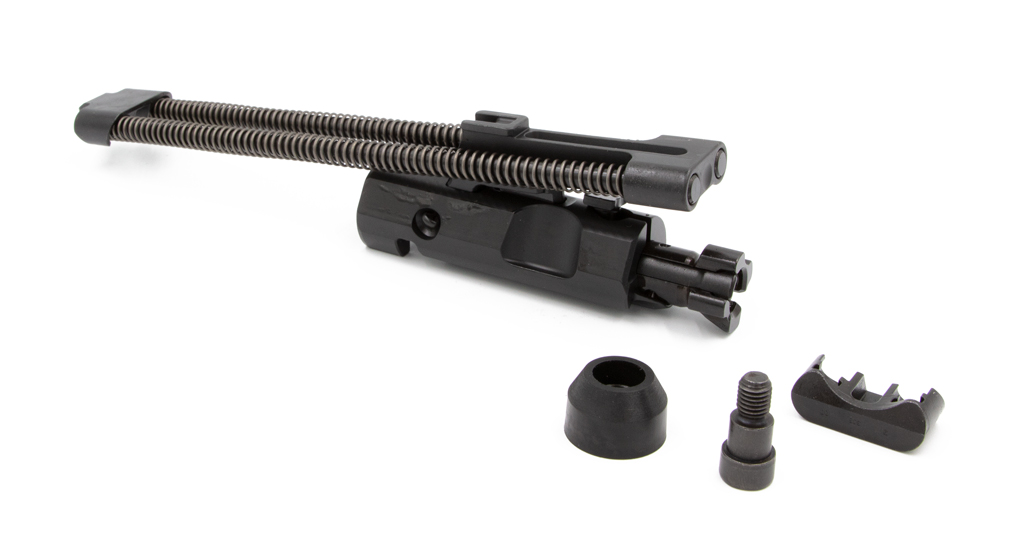
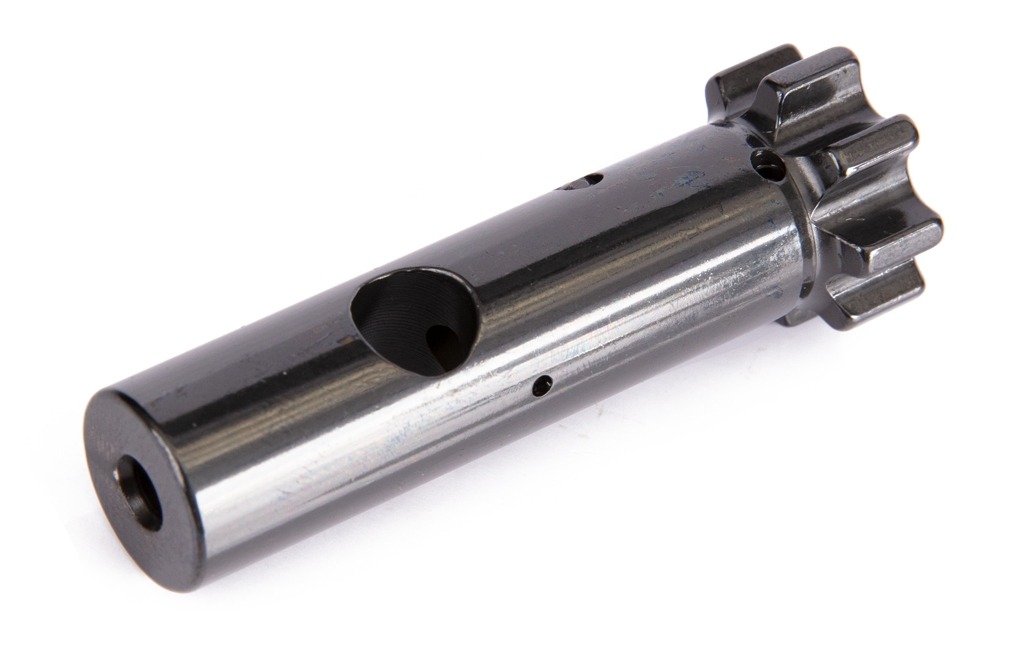
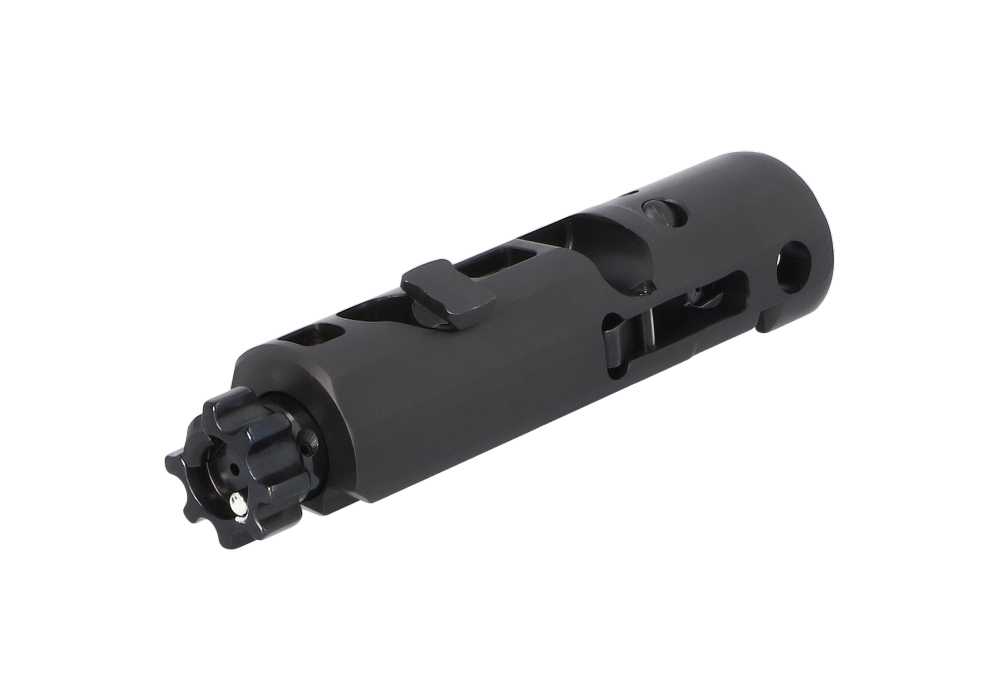
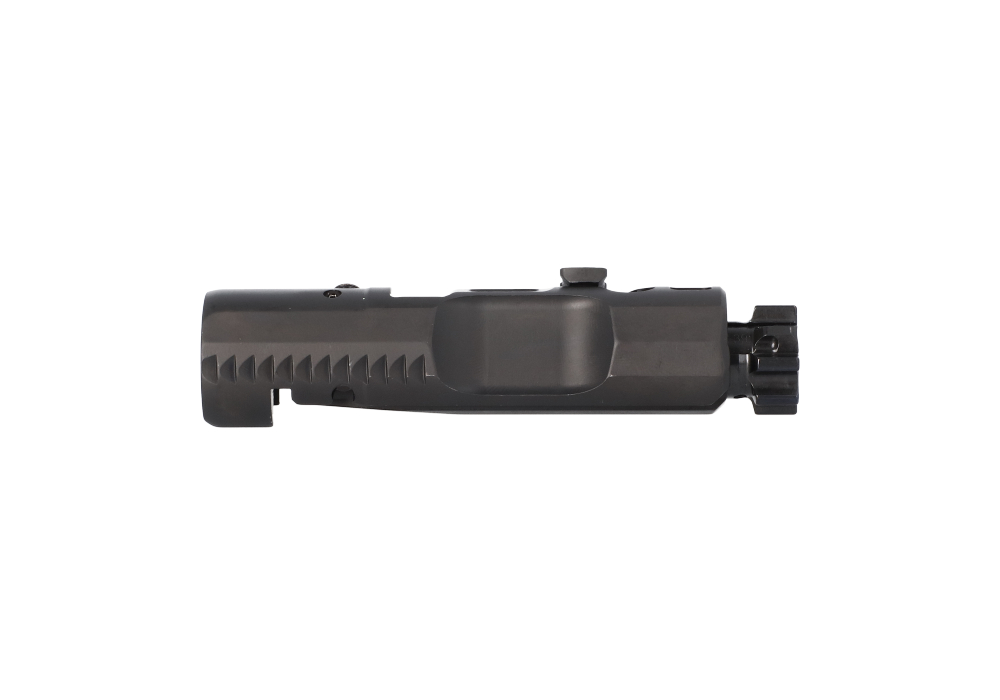
Aftermarket bolt carrier kits are replacement component sets or assemblies for the bolt carrier system in compatible semiautomatic rifles. They differ in included parts, materials, surface treatments, platform fit, and intended use. A component kit is not necessarily a complete bolt carrier group, so the contents matter as much as the category name. Depending on its configuration, a kit may include a bolt, carrier, firing pin, cam pin, retaining pin, or a smaller selection of service components. These parts belong to a system responsible for supporting the cartridge, locking the action, and participating in the rifle’s operating cycle. Their relationship to the firearm makes verified compatibility essential. Two assemblies can look nearly identical on a bench yet have different dimensions, interfaces, or requirements. Platform family, chambering, operating system, and the firearm manufacturer’s specifications all influence fit, and a shared caliber designation alone does not establish interchangeability. Even within broadly similar rifle families, proprietary designs can require a particular bolt or carrier configuration. For owners considering a smaller set of replacement parts rather than an entire assembly, Bolt Carrier Group Component Kits represents a distinct category worth evaluating by its listed contents and documented compatibility. A complete assembly and a component set serve different purchasing needs; neither description should be treated as a promise that every part required for a particular firearm is included. Clear specifications help distinguish a suitable replacement from a superficially similar part. For a rifle used at the range, in organized competition, or for lawful hunting, the starting point remains the same: parts appropriate to that firearm and its intended use. A qualified gunsmith can assess suitability when specifications are unclear or an existing rifle has an uncertain service history. That distinction is especially important with previously owned firearms, where an outwardly familiar receiver may contain components that differ from the original configuration. Documented fit provides a stronger basis for selection than appearance, informal comparisons, or assumptions about universal compatibility.
Material and finish influence how a bolt carrier kit withstands routine use, resists corrosion, and responds to maintenance. Steel is common in these assemblies because the components experience repeated mechanical stress, although the requirements for a bolt are not identical to those for a carrier or retaining component. Alloy selection, heat treatment, dimensional consistency, and inspection practices all contribute to a part’s suitability; a finish name alone cannot establish overall quality. Published material specifications and clearly described quality checks provide more meaningful context than a bright surface or an aggressive visual design. Depending on the component, surface treatments may include phosphate, nitriding, or metallic coatings, each with its own characteristics. Some surfaces have a more textured appearance and retain lubricant differently, while others feel smoother and can simplify routine removal of residue. None eliminates the need for maintenance, and no coating compensates for incorrect fit or an unsuitable underlying component. Exterior color also deserves perspective: two finishes with a similar appearance may have different properties, while a visually plain assembly may meet the firearm’s requirements without decorative features. Durability involves the complete part, not just the surface visible through the receiver. Consistent dimensions, appropriate material treatment, and sound component interfaces matter over repeated use. For an owner who cleans a rifle after regular practice, an easy-to-maintain surface may be a practical preference. For another owner, matching the firearm’s specified configuration may take priority over a different finish. Neither situation calls for judging a kit by appearance alone. The most useful product information identifies what each component is, what it is constructed from, how its surface is treated, and which applications the manufacturer supports. Claims about reduced maintenance or longer service life should have a documented basis rather than relying on the general reputation of a coating. A replacement kit should also arrive with clear identification and appropriate care information, helping the owner keep an accurate record of the components associated with that firearm.
Intended use helps put those specifications into context without turning a replacement purchase into a search for unnecessary modifications. An owner maintaining a regularly used range rifle may be concerned with restoring its specified condition after a professional inspection identifies wear. A competition participant may need replacement components that remain consistent with the rifle’s documented configuration and applicable equipment rules. Someone caring for a hunting rifle may place particular value on straightforward maintenance and dependable service over time. In each case, suitability matters more than novelty, and aftermarket does not automatically mean superior to the original component. It describes a replacement source, not a guaranteed improvement in function, longevity, or fit. Routine care should follow the firearm and component manufacturers’ instructions, including their recommendations for cleaning products, lubrication, inspection, and service intervals. Residue can conceal surface condition, while incompatible chemicals or abrasive cleaning methods can affect protective finishes. More lubricant is not automatically better, and a surface advertised as easy to clean still requires appropriate attention. Visible cracking, unusual wear, persistent corrosion, or a change in normal operation warrants evaluation by a qualified professional rather than continued use or an assumption that replacing one part will resolve the underlying issue. Keeping component documentation with the firearm’s records can make future maintenance decisions clearer, especially when different parts have entered service at different times. For gift purchases, an explicitly confirmed kit specification is preferable to a selection based on the recipient’s rifle looking similar to another model; compatibility is too important to leave to guesswork. Whether the purpose is scheduled maintenance, replacement of a professionally assessed worn component, or preparation for future service needs, the strongest selection rests on clear contents, verified fit, appropriate materials, and realistic care expectations. Those fundamentals give aftermarket bolt carrier kits their practical value: a defined set of components selected for a compatible firearm, supported by specifications that remain useful long after the packaging is put away.