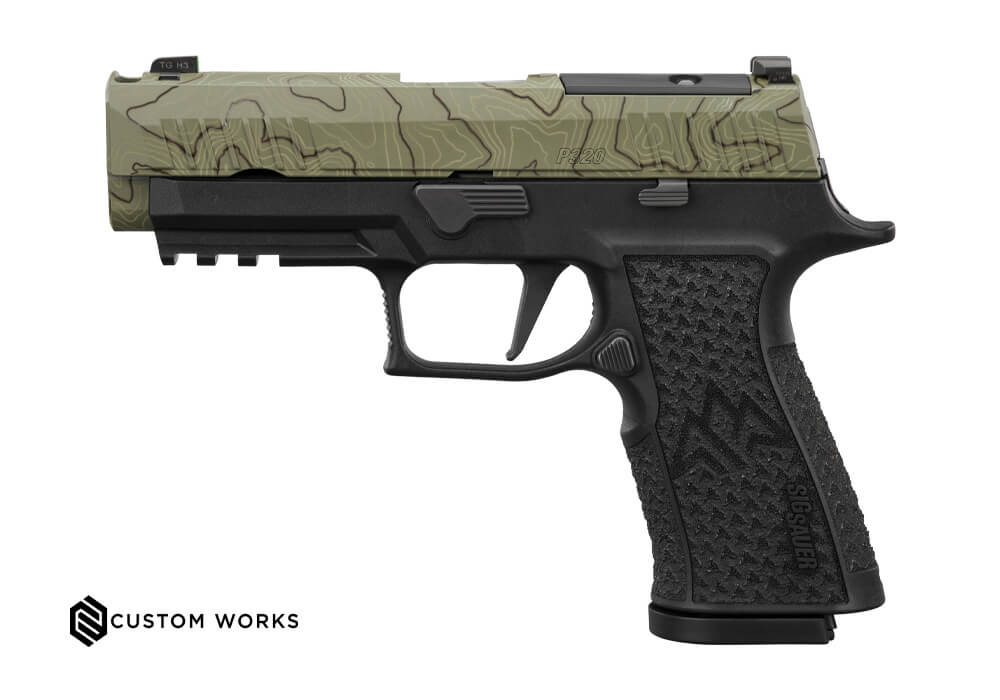
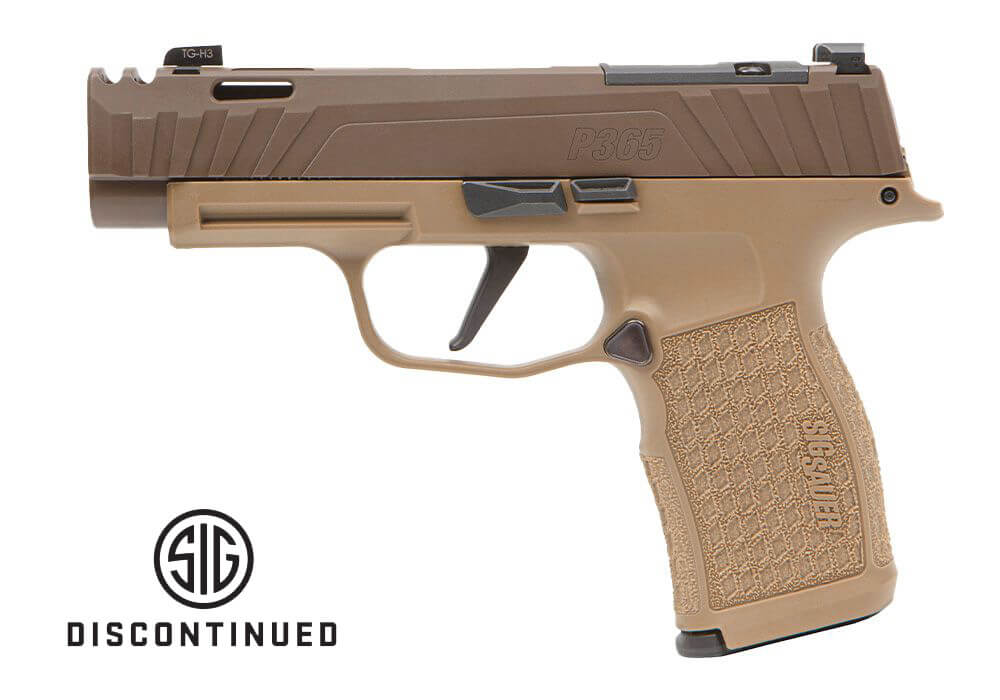
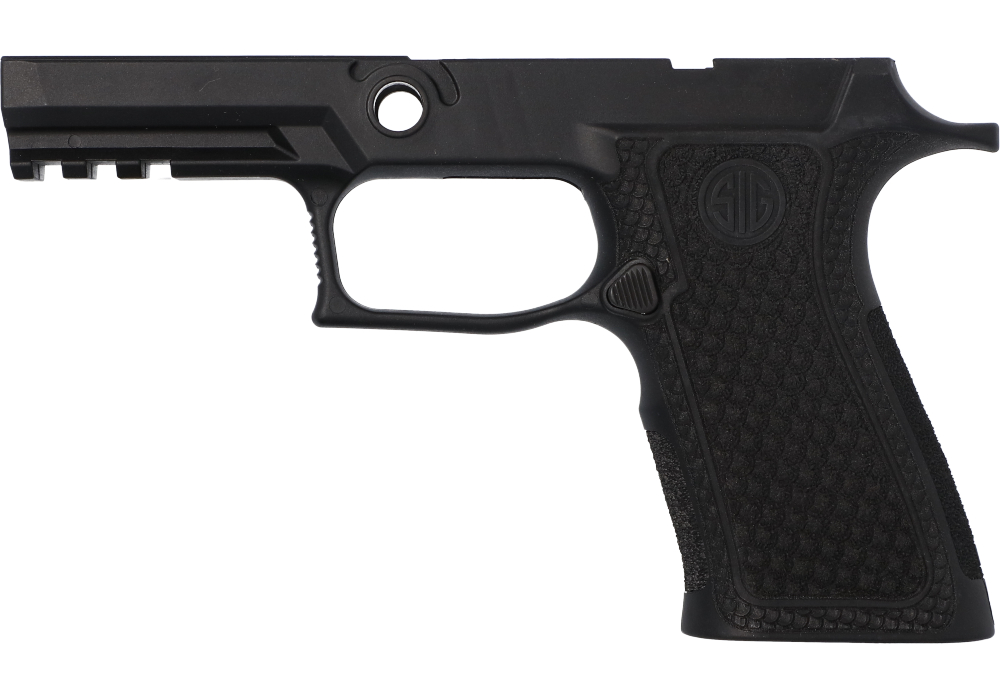
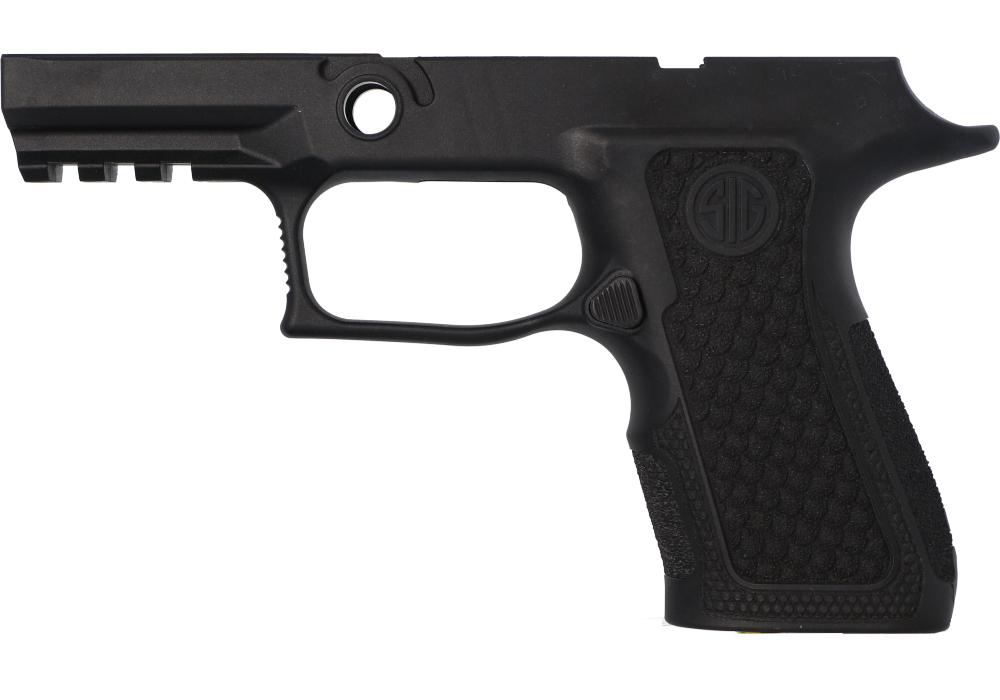
Aggressive stippled grip modules for pistols are designed for shooters who want a more secure, tactile connection between the hand and the firearm. Their textured surfaces use closely spaced points, ridges, or patterned panels to add traction where smooth polymer can feel less certain, especially when hands are damp, cold, sweaty, or covered by light gloves. That added friction can help the shooter maintain a consistent grip during presentation, recoil management, and follow-up shots, while also giving the hand a clear reference point each time the pistol is grasped. For many people, the appeal is less about appearance than about confidence: the grip feels planted in the palm, the fingers settle into a familiar position, and the pistol is easier to control through a full practice session. Texture styles vary widely, from evenly stippled surfaces to more pronounced patterns that concentrate traction along the front strap, backstrap, and side panels. When comparing options, begin with the exact pistol platform and configuration. Grip modules are not universal, and even closely related models can differ in dimensions, controls, frame components, or magazine fit. Confirm compatibility with the specific size, generation, internal chassis, manual safety configuration, and accessory arrangement before ordering. It is also useful to consider hand size and shooting style. A broad-handed shooter may appreciate an assertive texture that fills the palm and resists movement, while someone with smaller hands may prefer carefully placed texture that improves control without creating pressure points. Shooters who practice outdoors or in changing weather often favor stronger traction, while range users may prioritize a balance between secure handling and comfort during long sessions. The shape of the grip matters just as much as the surface. A well-contoured module can support a high, repeatable hold, guide the support-hand thumb, and reduce the tendency for the pistol to shift during recoil. Look closely at the trigger guard transition, beavertail area, palm swell, and lower edge of the grip, since these details influence how naturally the pistol fits the hand. An aggressive pattern can be particularly useful for training, competition, duty-style practice, and recreational shooting where consistent control is a central part of the experience. It may also be a thoughtful gift for a shooter who already owns the right pistol but wants to refine its fit and handling. Because it is a personal-contact component, gifting is easiest when the recipient’s exact platform and preferred texture are known. A gift card or carefully confirmed selection can be more practical than guessing at dimensions or grip preferences.
Texture should always be evaluated in relation to the way the pistol will be carried and used. A sharply defined pattern can feel excellent during a short range session yet become uncomfortable against bare skin during daily concealed carry, particularly around the hip or appendix area. It may also catch on clothing layers or make a smooth presentation from the holster more difficult if the texture extends beyond the grip or contacts the garment. Shooters who carry regularly may want a module with aggressive traction on the front and rear surfaces but a slightly smoother treatment along the sides, allowing the pistol to remain secure in the hand without excessive rubbing. Clothing, holster design, belt position, and climate all influence that decision. During cooler months, heavier layers can reduce direct skin contact but may introduce additional fabric for the grip to move against, so checking the draw with the intended wardrobe is worthwhile. Gloves create another consideration: a pattern that feels very sharp with bare hands may provide useful purchase through thin gloves, while a softer texture may be more comfortable for extended use. Installation deserves equal attention. Before handling any firearm, follow the owner’s manual and applicable safety procedures, remove the magazine, verify the chamber and action are clear, and keep the firearm pointed in a safe direction. Some platforms allow the grip module to be changed by the owner with basic tools, while others involve small components, pins, or internal parts that require careful attention. Work over a clean, well-lit surface where springs and fasteners cannot roll away, and compare every component with the original configuration before reassembly. After installation, verify that controls move freely, the magazine seats and releases properly, and the module does not interfere with the slide, holster, or other accessories. A qualified gunsmith can be a sensible choice when the fit is uncertain or when the installation involves internal components. Once fitted, begin with slow, deliberate handling and dry practice in accordance with safe procedures before live-fire use. At the range, start with a manageable pace and observe whether the texture helps maintain the same grip through each string of fire. Watch for hot spots, rubbing, shifting, or changes in finger placement, then test the setup with the holster, gloves, and clothing used for its intended role. Shooters seeking a different tactile feel can also explore Custom Fit Sandpaper Grip Modules for Pistols as another approach to improving contact and control. The best selection is the one that fits the correct platform, supports a repeatable hold, works with the intended carry or range routine, and remains comfortable enough to encourage regular practice.