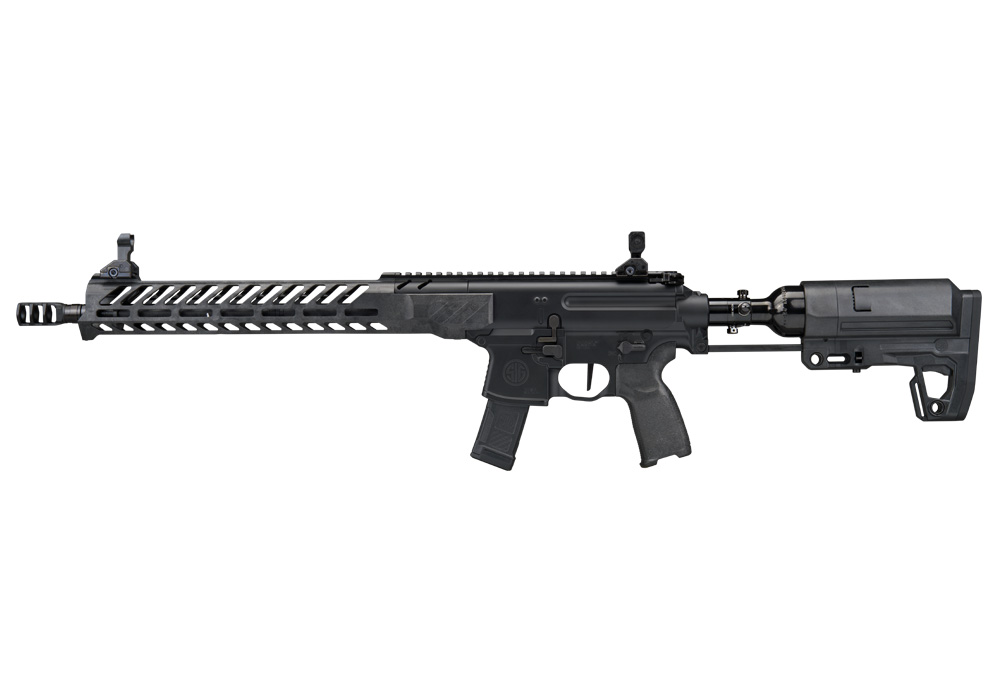
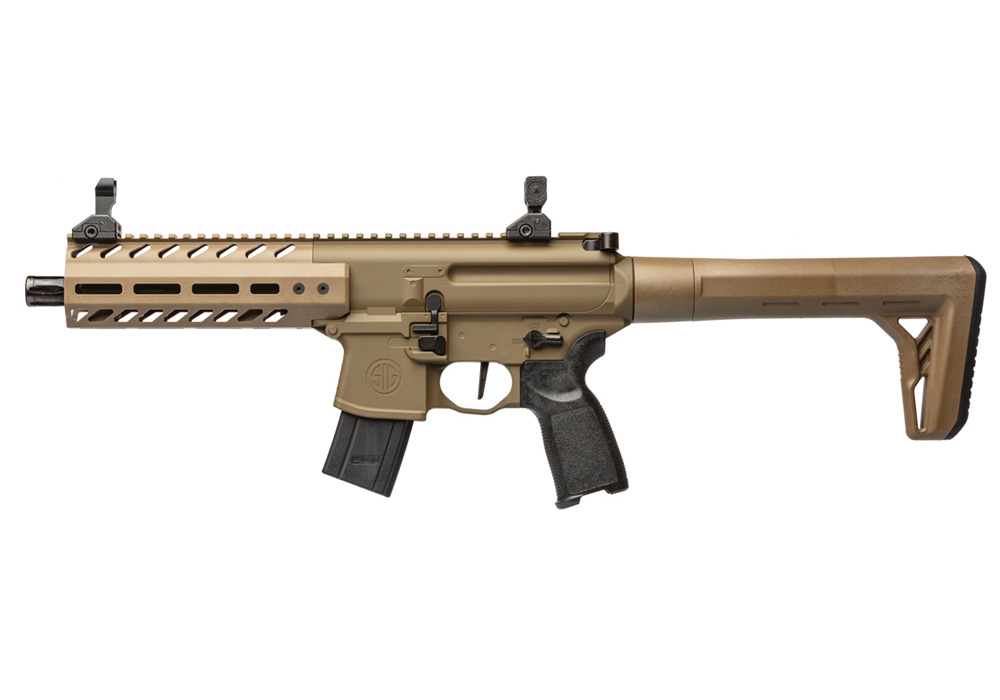
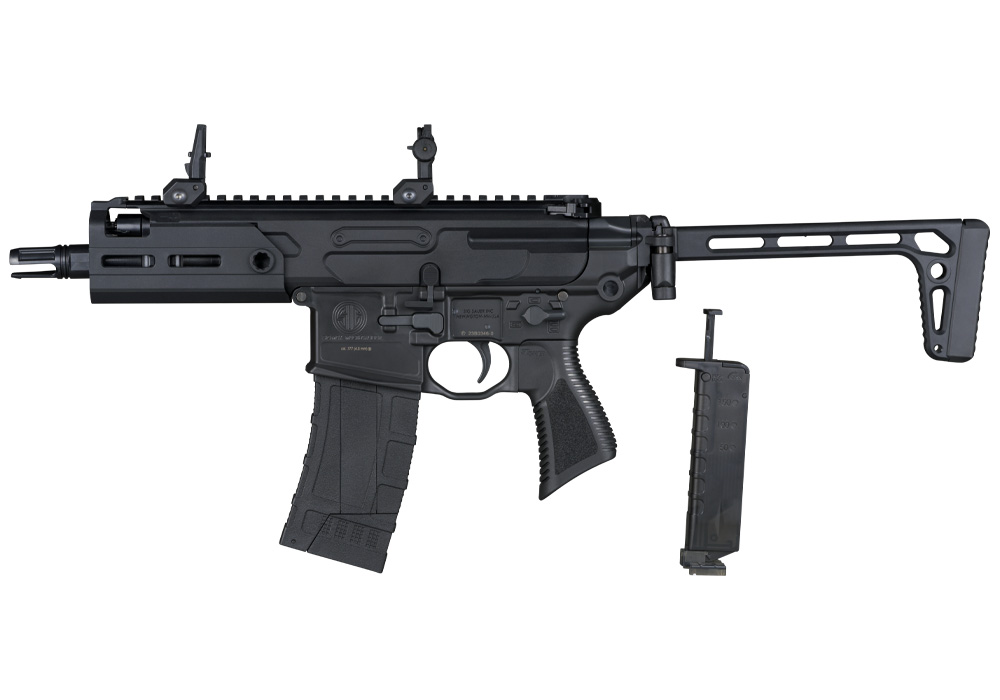
Airgun models offer a wide range of shooting experiences, from the deliberate rhythm of a single-shot spring-piston rifle to the smooth, controlled performance of a pre-charged pneumatic platform. Because airguns differ substantially in power source, operating system, caliber, size, and intended use, comparing those fundamentals is the best way to narrow a selection. Spring-piston and gas-piston rifles are self-contained choices that generate power when the barrel or cocking mechanism is operated, making them convenient for recreational shooting and routine practice without requiring a separate air tank or cartridge. Multi-pump pneumatic designs allow the shooter to adjust power by changing the number of pumps, which can be useful when moving between informal target practice and more demanding outdoor shooting. CO2-powered airguns are valued for their straightforward operation and repeatable handling, although performance can vary with temperature, particularly during cooler months. PCP airguns use compressed air stored in a removable or onboard reservoir and are often selected for their consistent shot cycle, reduced vibration, and ability to support extended sessions when paired with the appropriate fill equipment. Reviewing the specifications for each airgun model—including velocity, energy, shot count, cocking effort, noise level, and recommended ammunition—helps set realistic expectations before purchase.
Caliber is another central consideration. Smaller calibers are commonly chosen for economical target practice and are often easy to find in a broad selection of pellet styles. Mid-size calibers can provide a useful balance of accuracy, impact, and ammunition cost for general outdoor shooting, while larger calibers may be selected for specialized hunting applications where permitted by local law and where the airgun is specifically designed for that purpose. Pellet shape matters as well: wadcutter pellets are suited to many paper targets because they cut clean, visible holes, while domed pellets are frequently preferred for general accuracy at varied distances. Hollow-point and other specialty designs may have a role in certain applications, but they should be matched to the airgun’s barrel, power level, and manufacturer guidance rather than chosen by appearance alone. Browse the available Caliber Airguns to compare options by chambering and find a configuration that aligns with the intended use. A comfortable stock, appropriate length of pull, manageable weight, adjustable sights or optic-ready features, and an effective buttpad can make as much difference to practical enjoyment as raw performance. A rifle that feels balanced while standing at a backyard bench or steady against a shooting rest is more likely to encourage consistent practice than one that is difficult to shoulder or tiring to hold.
Airgun models can serve new shooters, experienced hobbyists, small-game hunters, and families looking for a hands-on outdoor activity, provided the selection and supervision are appropriate. For a first-time owner, a simple operating system and modest cocking effort can make the learning curve more approachable; an experienced shooter may instead prioritize a regulated PCP action, a precision trigger, adjustable power, or compatibility with a preferred optic and accessory setup. Airguns can also make thoughtful gifts for an adult who enjoys marksmanship, workshop projects, backyard recreation, or time spent outdoors, but the recipient’s experience level and local rules should guide the choice. Before using any airgun, establish a safe backstop that will reliably contain pellets, confirm that the area behind and beyond the target is clear, and follow all applicable laws, property restrictions, and hunting regulations. Eye protection should be worn, the muzzle should remain pointed in a safe direction, and every airgun should be treated as loaded until it has been checked and safely cleared. Outdoor conditions deserve attention too: wind can move lightweight pellets, low temperatures can affect CO2 performance, and changing light can alter how sights and optics appear. A quiet afternoon with paper targets, a sturdy bench, and a few carefully selected pellet types can reveal more about an airgun’s behavior than a single specification on a product page. Whether the goal is improving trigger control, managing pests where lawful, preparing for small-game hunting, or simply enjoying a measured session in the open air, the right airgun model combines suitable power, dependable construction, comfortable handling, and a clear fit with the shooter’s planned routine.