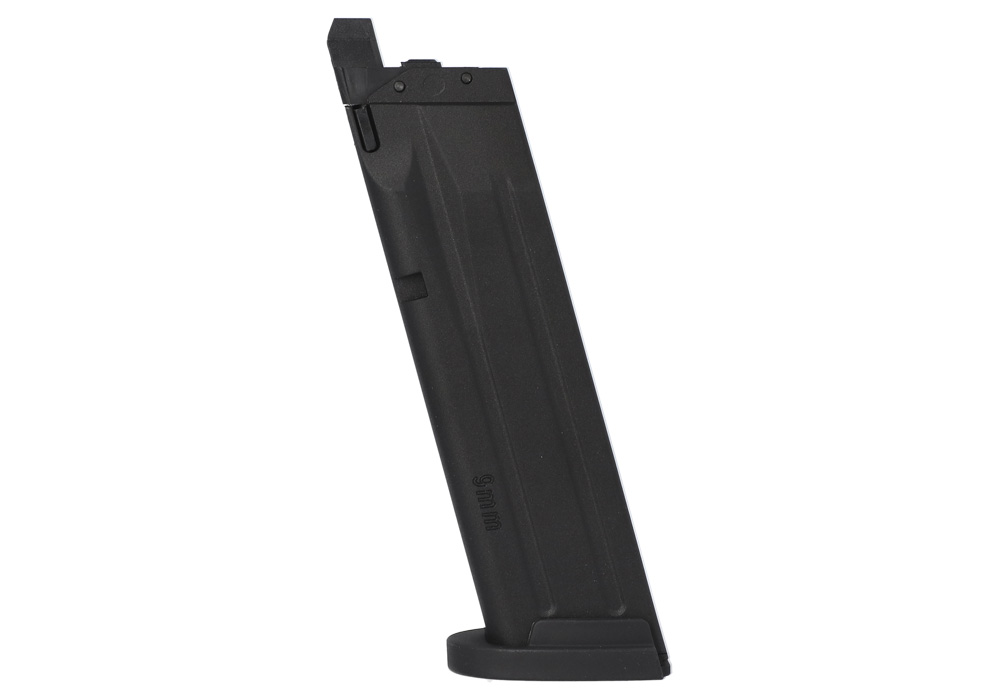
Airgun practice supplies support the everyday details that make target shooting consistent: suitable ammunition, a compatible power source, clear aiming points, protective equipment, and care accessories matched to the airgun. These essentials serve new shooters learning sight alignment and trigger control, experienced enthusiasts working on tighter groups, and target shooters who value repeatable practice. Compatibility is the starting point. Pellets and BBs are different projectile types, and a shared nominal caliber does not mean they can be used interchangeably. Common pellet calibers include .177 and .22, but the correct choice depends on the markings and specifications of the individual airgun. Projectile shape matters, too. Wadcutter pellets have a flat front that can leave clearly defined holes in paper, making them useful for measuring groups and scoring target sessions. Domed pellets are another common choice for target shooting across varied distances, although performance depends on the barrel, projectile weight, and shooting setup. Uniform dimensions and clean, undamaged projectiles help reduce variables when evaluating accuracy. Lead and lead-free ammunition can differ in weight and behavior, so material choice belongs alongside caliber and projectile design when considering suitability. Power supplies require the same attention to fit. CO2-powered airguns use the cartridge format specified by their manufacturer; 12-gram cartridges are common, but they are not universal. Precharged pneumatic airguns use compressed air and require filling equipment with the correct connections and approved pressure ratings. Neither system should be treated as interchangeable with the other. For a shooter practicing with an air pistol at an approved range, the most useful supplies may be compatible projectiles, the specified power source, and paper targets with a sharply defined center. Someone evaluating an air rifle from a supported position may place more emphasis on consistent ammunition and a stable rest. Matching supplies to the actual equipment and intended session keeps attention on the target rather than on avoidable fit or function problems.
Targets and projectile containment give airgun practice a visible purpose while helping define the requirements of a suitable shooting area. Paper bullseye targets offer a straightforward way to track shot placement, compare groups, and follow progress over repeated sessions. A clean sheet preserves the difference between a concentrated cluster and a few widely spaced hits, while separate aiming points help keep successive groups easy to identify. High-contrast target designs can make impacts easier to see, especially when the shooter remains at the firing position between strings. Reactive targets provide a different kind of feedback, but their suitability depends on the projectile type, impact energy, and distance specified by the target manufacturer. Metal targets are not appropriate for every airgun or ammunition combination, and steel BBs deserve particular attention because they can ricochet from hard surfaces. Pellet traps also vary in construction and intended use. Metal housings, replaceable inserts, and sound-reducing designs serve different purposes, with durability depending on both materials and the energy of repeated impacts. A trap alone does not establish a safe practice area; its ratings, condition, placement, and surrounding space all matter. A suitable backstop and a controlled firing area must account for missed shots as well as shots that strike the target. Local rules and range requirements determine where practice is appropriate, including any restrictions on indoor use. Impact-rated shooting eyewear is an essential part of the setup for shooters and nearby observers, with a secure fit and coverage that does not interfere with a comfortable sight picture. Ordinary prescription glasses are not a substitute for appropriate protective eyewear. Supporting accessories can improve comfort without taking the place of sound technique. Rest bags with durable outer fabric help support a rifle during accuracy checks, while a stable bench rest can reduce movement when comparing ammunition. Shooting mats provide a defined surface for approved positions, and target holders keep paper properly presented. The useful combination is the one that fits the practice space, shooting position, and equipment rather than simply adding more accessories.
Care, storage, and organization help airgun practice supplies remain dependable between sessions. Maintenance equipment should match the airgun’s construction and the manufacturer’s recommendations, particularly where seals, valves, and pressure systems are involved. General-purpose firearm solvents and oils are not automatically suitable for airguns, and lubrication requirements can differ substantially between operating systems. Cleaning rods, pull-through tools, patches, and brushes need the correct dimensions and materials for their intended application. A tool that fits the bore properly is preferable to one that must be forced, and excessive cleaning can be as unhelpful as neglected care. Some airguns need only limited barrel attention, while others have specific maintenance requirements; the owner’s manual remains the reference for appropriate products and service intervals. Exterior care is just as practical. Soft cloths help remove handling marks, protective cases shield finishes from abrasion, and organized compartments keep small accessories from rubbing against the airgun during transport. Case dimensions should accommodate the equipment without pressing against sights or controls, and internal straps or dividers should secure it without strain. Ammunition containers that close securely help protect pellets from deformation and keep different calibers or projectile styles separate. Clearly labeled storage also makes it easier to maintain a consistent setup when returning to a familiar target distance. Safe storage keeps airguns, ammunition, and power supplies secured against unauthorized access, while manufacturer guidance governs handling and storage of pressurized equipment. Handwashing after handling lead ammunition belongs among the routine habits of responsible practice. For an adult target-shooting enthusiast, compatible consumables, useful target designs, or protective storage accessories can be thoughtful gifts when the recipient’s equipment and preferences are known. Practice supplies also complement Airgun Competition Accessories for shooters interested in organized events and scored courses of fire. Whether the goal is a neatly centered group, a clearer record of progress, or a more orderly range bag, well-matched supplies support purposeful sessions and help keep the equipment ready for its intended use.