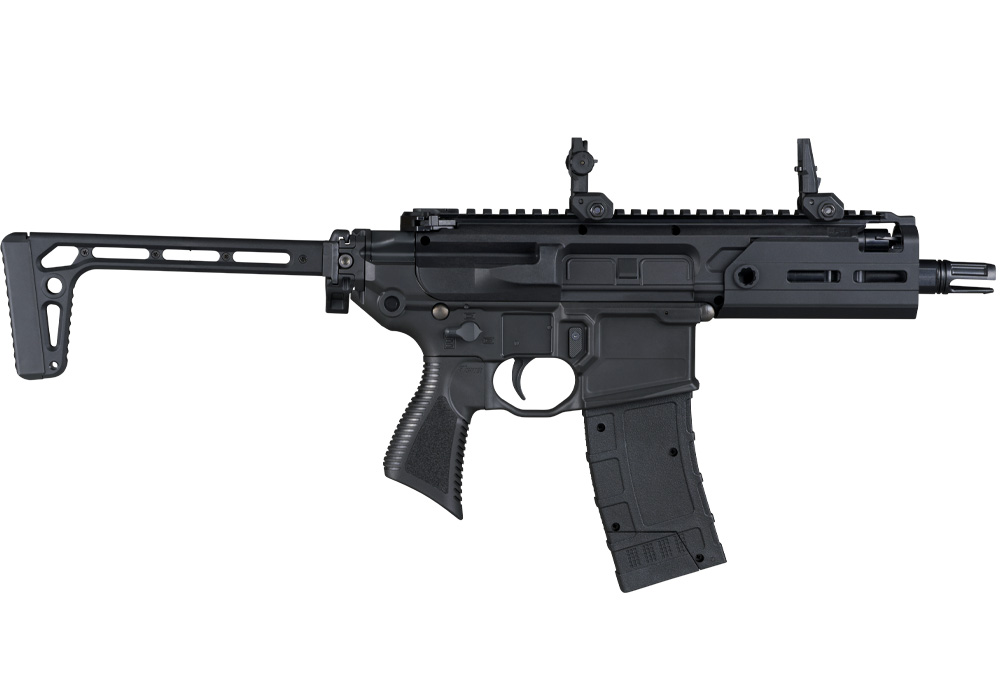
Airgun training kits bring together compatible equipment for marksmanship practice, pairing an air-powered pistol or rifle with supporting essentials that may include ammunition, targets, eye protection, or a suitable target trap. Kit contents vary, so the value of a coordinated setup comes from how well its components work together for the intended practice environment. For someone developing basic shooting skills, a comfortable grip, clearly visible sights, and manageable controls can matter more than an extensive accessory list. For an experienced shooter, a familiar grip angle, sight picture, or control layout may support focused practice with a platform that resembles other equipment in regular use. Airgun practice can reinforce consistent stance, sight alignment, trigger control, and follow-through, although differences in recoil, trigger feel, operating controls, and projectile behavior limit how closely it represents firearm use. CO2-powered airguns use compatible gas containers, while precharged pneumatic platforms rely on compressed air and require appropriate filling equipment. Spring-piston and other manually powered designs have different operating characteristics and supporting equipment needs. Those distinctions affect the overall setup, not just the airgun itself. Pellet, steel BB, and airsoft systems also belong to different equipment categories: their ammunition, protective requirements, and target systems are not interchangeable. A kit centered on precision paper-target practice serves a different purpose from an airsoft setup intended for an organized activity at an approved venue. Even within a single category, ammunition diameter, projectile type, and manufacturer specifications determine compatibility. Training-focused features such as adjustable sights, replaceable targets, and accessible controls can help keep practice organized without adding unnecessary complexity. A useful airgun training kit therefore starts with a clear purpose, whether that means measured target practice, supervised introductory instruction, or maintaining familiarity with basic handling habits. The best fit is a combination of equipment, user experience, and an appropriate place to practice, rather than a particular appearance or accessory count.
Materials, dimensions, and construction influence how an airgun feels in the hand and how it holds up to repeated use. Metal components can contribute weight and a substantial feel, while polymer frames and stocks can offer lighter handling and textured gripping surfaces. Neither material alone determines quality; secure assembly, consistent control operation, suitable finishes, and support for routine maintenance are equally important. A heavier platform may feel steady to one shooter but tiring to another, particularly during longer practice sessions. Grip circumference, trigger reach, stock length, and the position of operating controls all affect comfort. Adjustable features can accommodate different users, but their adjustment ranges still need to suit the intended shooter. With eye protection in place, sights should remain easy to see without an awkward head position or strained grip. For rifle-style airguns, the relationship between the stock, cheek position, and sight height deserves particular attention. Durability also depends on matching the equipment to its role. A target-focused setup may prioritize a clean sight picture and consistent trigger feel, while a kit used for repeated handling practice may place greater emphasis on robust controls and a familiar balance. Blowback operation can provide movement and feedback, but it should not be confused with the recoil or full operating behavior of a firearm. Care requirements differ across power systems, seals, finishes, and barrel designs. Manufacturer-approved lubricants and cleaning methods help protect components that may not tolerate general-purpose solvents or excessive oil. Pressure ratings, gas compatibility, and filling connections require the same attention as ammunition specifications. Storage arrangements should protect the airgun from unauthorized access and keep ammunition and power sources secured as directed by the manufacturer. A protective case can help prevent surface wear during transport, but a case alone is not a substitute for secure storage. Readily understandable documentation and compatible maintenance supplies help keep a training setup useful beyond its first few practice sessions.
The practice space is part of the equipment decision, especially when targets and projectile-catching systems are included. Airguns can cause serious injury and require responsible handling, eye protection, and a controlled shooting area. A target holder is not necessarily a backstop, and a backstop must be suitable for the specific projectile and the airgun’s performance. Steel BBs, pellets, and plastic airsoft projectiles behave differently on impact, so a target system designed for one type may be inappropriate for another. Hard surfaces can cause ricochets, and ordinary walls, fences, or household objects should never be assumed to contain a projectile. Indoor use is appropriate only where the location, ventilation, containment, applicable rules, and manufacturer guidance support it; an air-powered system is not automatically suitable for a garage, basement, or spare room. Outdoor practice likewise depends on permission, local restrictions, and a secure area beyond and around the target. Within a suitable setting, simple paper targets can make progress easier to observe: a consistent aiming point and clearly visible shot placement provide useful feedback without turning practice into a complicated equipment exercise. Replaceable target faces and compatible consumables also make a kit easier to maintain as a complete setup. Adult beginners may appreciate a straightforward combination with clear documentation, while experienced enthusiasts may prefer equipment selected around a particular training purpose. Instructors may look for consistent controls and manageable dimensions when selecting equipment for supervised adult sessions. As a gift, an airgun training kit is most appropriate for a responsible adult whose interests, experience, storage arrangements, and practice location are already understood. For shoppers establishing a first setup, Airgun Equipment For Beginners offers a related starting point for considering the broader equipment category. Thoughtful selection keeps the emphasis on compatibility, comfortable handling, durable construction, and a suitable practice environment, so each component has a clear role in the overall training setup.