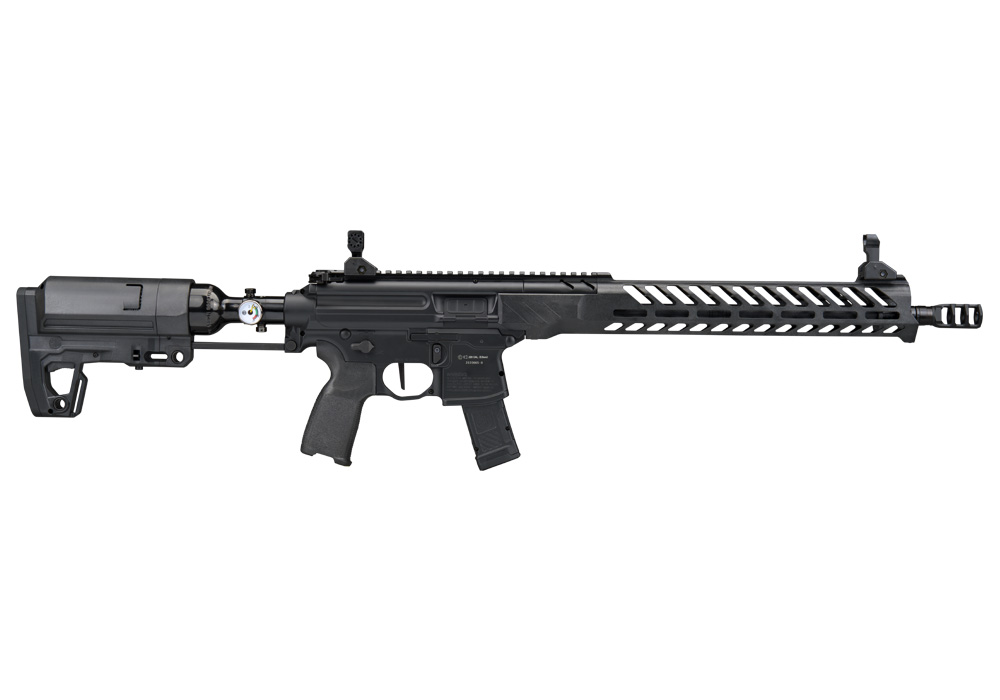
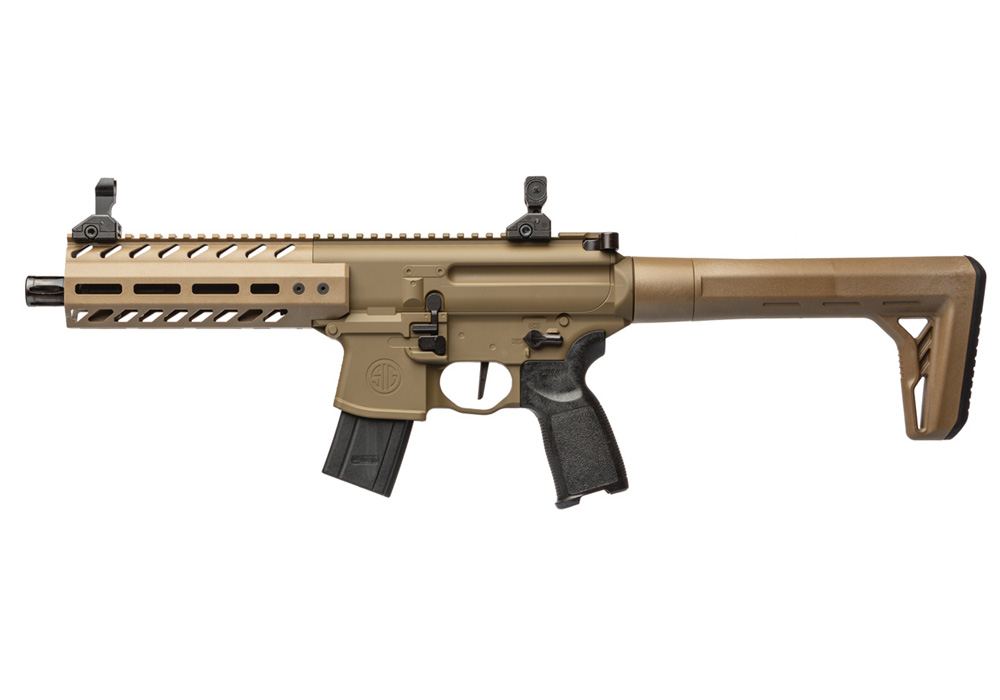
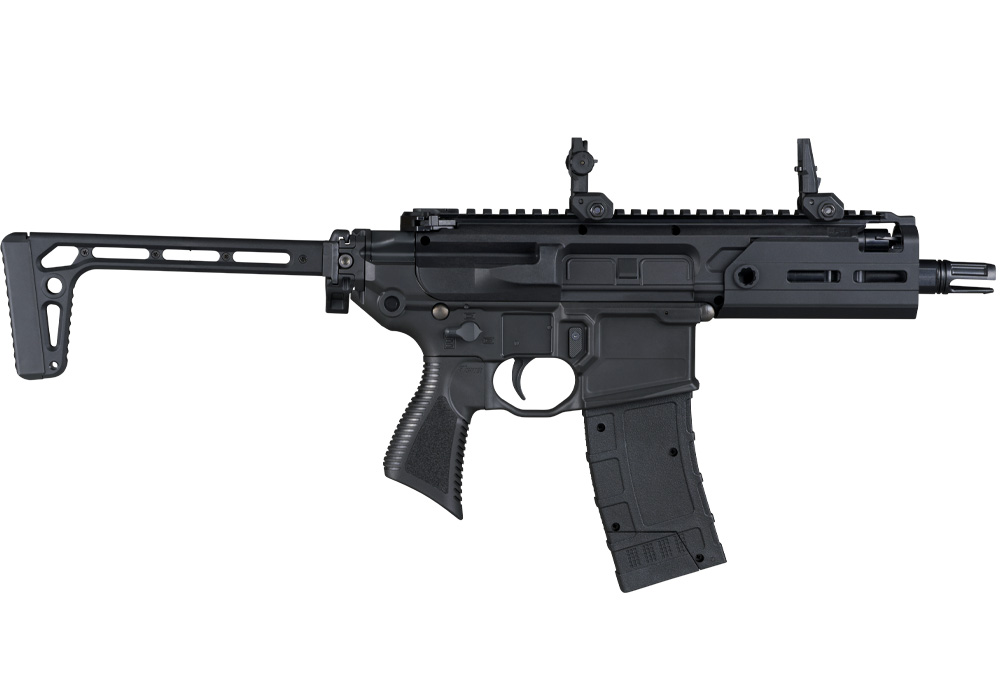
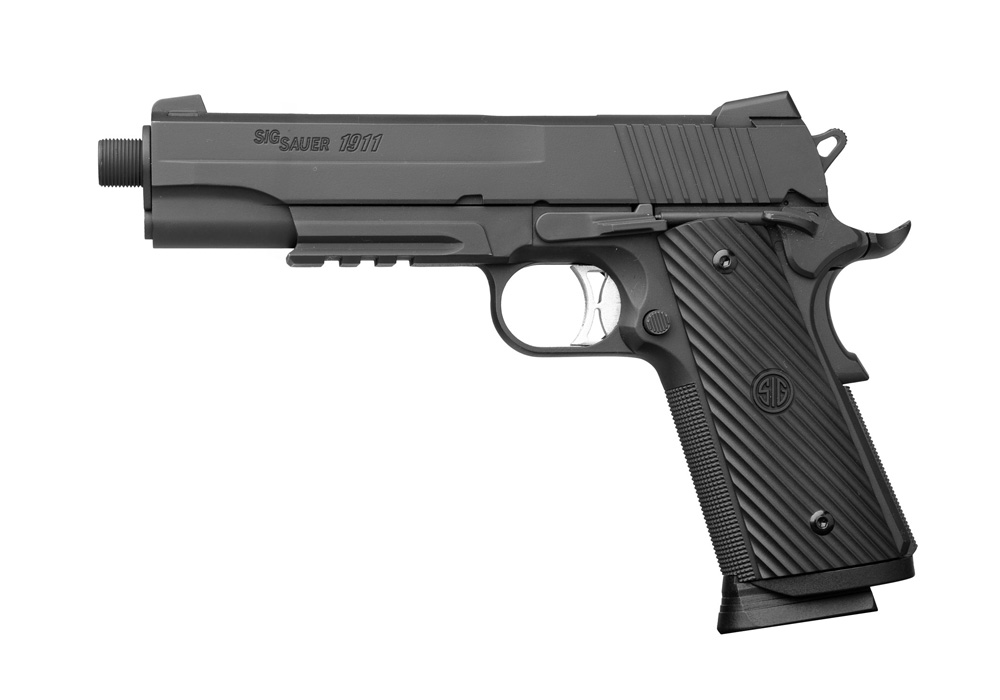
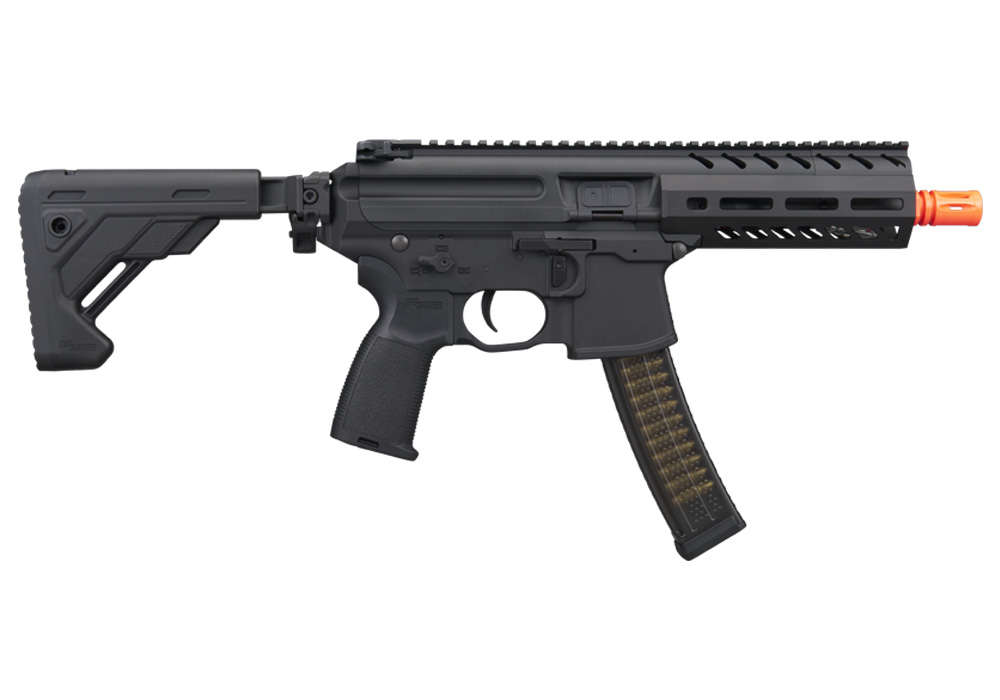
Getting started with airgun shooting is easiest when the equipment is selected as a complete, compatible setup rather than as a collection of unrelated accessories. Beginners may be interested in casual backyard plinking, target practice, skill-building, small-game or pest-control applications where permitted by local law, or an approachable shooting activity for the whole family. The right starting point depends on the intended use, available space, experience level, and the type of airgun being used. Break-barrel rifles powered by a spring or gas piston are self-contained and do not require an external air source, making them a practical choice for straightforward target shooting. CO2-powered airguns can provide convenient operation for recreational shooting and repeated shots, while pre-charged pneumatic, or PCP, airguns are valued for their consistent performance and multi-shot capability but require a compatible source of compressed air. Before choosing equipment, check the airgun’s caliber, operating system, recommended ammunition, and mounting specifications. A .177-caliber airgun is commonly used for target practice because pellets are widely available and typically offer a relatively flat trajectory, while .22-caliber ammunition may be preferred for applications where a heavier pellet is appropriate. Steel BBs and lead pellets are not interchangeable in every airgun, so ammunition should always match the manufacturer’s specifications. A beginner setup should also include properly rated eye protection, a reliable target, and a safe backstop or pellet trap designed to capture projectiles. Even low-powered airguns can cause serious injury, and pellets or BBs can ricochet from hard surfaces, so shooting should take place only in a controlled area with a clear line of fire and no people, pets, roads, windows, or occupied buildings beyond the target.
Safety equipment is part of the essential airgun setup, not an optional addition. Impact-rated shooting glasses help protect the eyes from fragments and unexpected ricochets, and they should be worn by the shooter and anyone close enough to observe. A suitable pellet trap or backstop provides a defined stopping area behind paper targets, reactive targets, or other approved target systems; improvised materials such as thin plywood, loose cardboard, rocks, or household objects may not safely contain shots. Place targets at a distance that suits the shooter’s ability, inspect the area before every session, and make sure the backstop remains effective as it accumulates impacts. Beginners often benefit from starting at a short, manageable range where they can focus on a steady stance, a controlled grip, proper sight alignment, and a smooth trigger press. An optic can make aiming easier, especially as distance increases, but the optic must be suitable for the airgun’s vibration and mounted securely with compatible rings or hardware. A simple scope may support deliberate target work, while a red dot sight can offer a fast, uncomplicated aiming reference for close-range practice when appropriate. Keep in mind that airguns can have distinctive recoil or vibration patterns, and a sight designed only for a different platform may not hold its zero. Other useful additions include targets with clearly defined aiming points, a stable rest for sight-in sessions, a compact range bag, and a chronograph for shooters who want to monitor velocity and consistency. Those building a first setup for a new shooter may also consider Airgun Training Kits as a convenient way to organize foundational equipment and practice materials. These types of products can make thoughtful gifts for adults, older teens where appropriate, or families who have a suitable place to shoot and are prepared to supervise every session. The most useful gift is one that matches the recipient’s airgun, experience, and intended setting rather than simply adding more equipment.
Maintenance and operating accessories become increasingly important as a beginner spends more time shooting. A basic cleaning kit with the correct patches, pull-through tools, and airgun-safe lubricant can help keep the bore and moving components in good working order, but excessive oil or incorrect solvents may damage seals or create unsafe conditions. Follow the airgun’s instructions for cleaning frequency, lubrication points, storage, and loading procedures. PCP users should also plan for an appropriate air supply, such as a compatible hand pump, portable compressor, or other approved filling solution, along with any required fittings and pressure information. The equipment must be rated for the airgun’s fill pressure, and users should never substitute an unapproved source or exceed the stated limit. CO2 users may need compatible cartridges and should understand how temperature affects pressure and performance, particularly when shooting outdoors during cooler months. Break-barrel users should learn the correct cocking and loading procedure and keep fingers clear of the breech while operating the action. Regardless of the power system, treat every airgun as loaded until it has been checked, keep the muzzle pointed in a safe direction, engage the safety when appropriate, and keep the action open when the airgun is not in use. Store the airgun, ammunition, CO2 cartridges, and related accessories securely and separately from unauthorized users, following applicable local requirements. Weather can also influence an outdoor session: changing light, wind, damp conditions, and cooler temperatures may affect visibility, comfort, and point of impact, so a sheltered, well-organized range area is helpful throughout the changing seasons. Beginners who assemble equipment with compatibility, safety, maintenance, and intended use in mind will have a more dependable foundation for learning marksmanship, enjoying relaxed target sessions, and building confidence one carefully placed shot at a time.