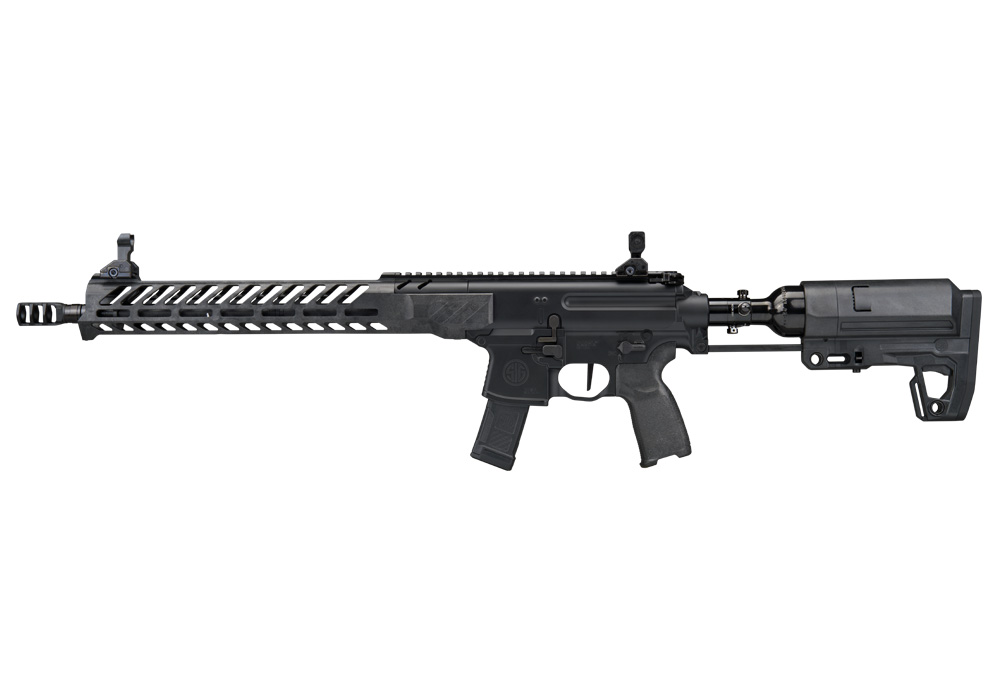
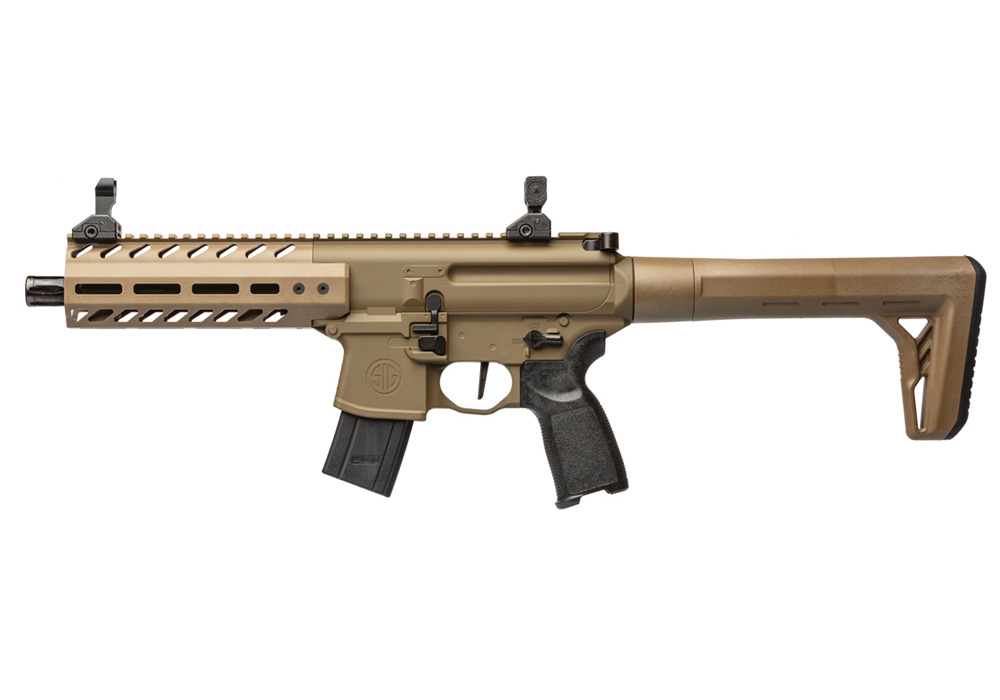
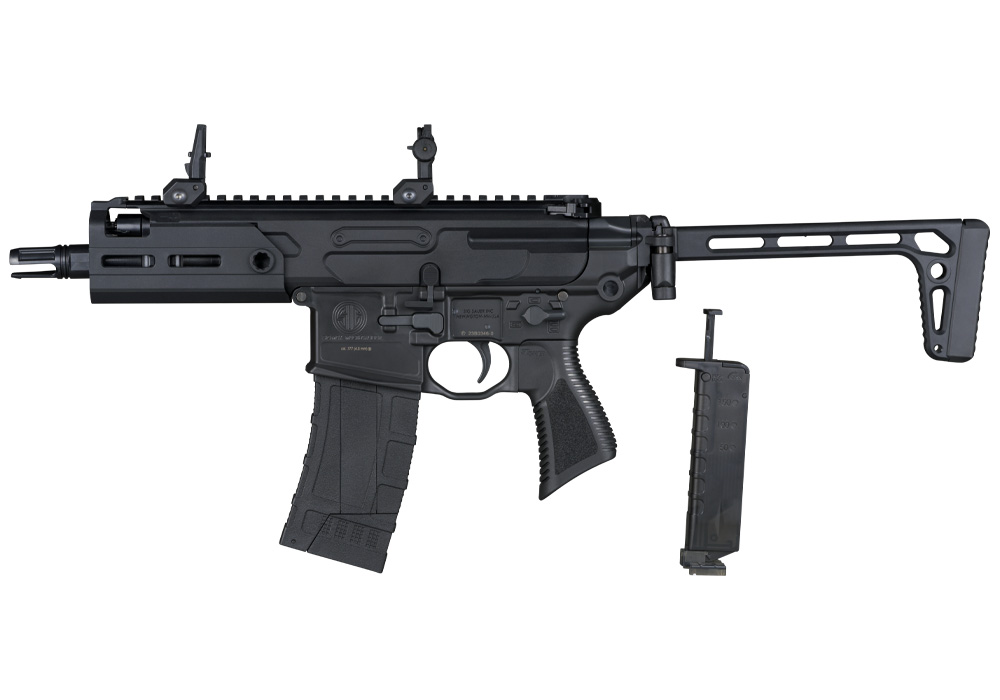
Air rifles for pre hunting season training offer a practical way to build shooting fundamentals before heading into the field. With the right setup, an air rifle can help hunters rehearse trigger control, breathing, stance, sight alignment, follow-through, and position changes without the expense and report of full-power ammunition. Pellets are generally affordable, making it easier to spend meaningful time behind the trigger and reinforce consistent habits through repetition. Many air rifles also produce minimal recoil, allowing a shooter to concentrate on maintaining a steady sight picture and pressing the trigger smoothly rather than anticipating movement. Pre-charged pneumatic, or PCP, air rifles are especially popular for this type of practice because they can deliver a consistent shot cycle and useful accuracy across repeated sessions. Their handling, stock dimensions, optic mounting options, and overall balance can closely resemble the feel of a traditional hunting rifle, while their relatively low noise may be more suitable for an approved backyard range or other legal practice area. Spring-piston and gas-piston air rifles offer another training option, with a self-contained power system that does not require a separate air tank or filling equipment. Whichever action you choose, match the rifle to the fundamentals you want to develop and to the environment where you will practice. Check all federal, state, and local laws before purchasing or using an air rifle, and confirm that discharge is permitted on your property or at the range. Always use a substantial backstop designed to stop pellets, keep the muzzle pointed in a safe direction, wear appropriate eye protection, and treat every air rifle as a serious projectile-firing device.
When selecting air rifles for pre hunting season training, begin with the type of shooting you expect to do and the firearm platform you want your practice to complement. A lighter rifle can be convenient for younger shooters or for sessions that involve frequent movement, while a heavier, more stable configuration may help experienced hunters work on supported positions, benchrest accuracy, and careful shot placement. Consider caliber, power source, fill system, cocking effort, noise level, trigger characteristics, stock fit, and the availability of compatible pellets. Pellet shape and weight can influence accuracy, so testing several appropriate options at the range is often worthwhile. A PCP model may be a strong choice for shooters who want a smooth, low-recoil platform and a consistent point of impact during extended practice sessions; just remember to account for the pump, compressor, or air bottle needed to keep it filled. Look for an air rifle with an adjustable or predictable trigger, a comfortable length of pull, and a secure place to mount an optic if your practice plan includes magnified sighting. A suitable scope or red dot can help replicate the sight picture used on a hunting rifle, but the optic must be rated for the air rifle’s operating characteristics and mounted securely. Use paper targets, reactive targets approved for airgun use, or scaled field-style targets to work on precise aiming and practical shot routines. Mark each group and record the pellet type, distance, weather, and point of impact; those simple notes can reveal changes caused by wind, temperature, fill pressure, or shooting position. During warmer weather, practice in calm morning air and then repeat drills when crosswinds are present. As the season moves toward cooler months, confirm that your equipment, optics, seals, and clothing still support a comfortable and repeatable shooting position.
An air rifle can also be a thoughtful gift for a responsible hunter, a new shooter learning safe firearm handling, or an experienced marksman looking for a convenient way to maintain skills between range visits. Parents and mentors should choose equipment appropriate to the recipient’s age, size, maturity, and experience, and should supervise every session in accordance with local requirements and manufacturer instructions. For a gift, accessories such as a safe storage solution, eye protection, a reliable target system, a pellet container, or a maintenance kit can make the training setup more complete without distracting from the fundamentals. New shooters may benefit from starting at a short, clearly measured distance and focusing on one skill at a time: stable position, natural point of aim, controlled breathing, smooth trigger press, and follow-through. Experienced hunters can use an air rifle to rehearse kneeling, sitting, prone, and supported shooting positions, as well as transitions between a slung carry and a ready position. Wind reading is another valuable part of practice. Even at modest distances, moving air can shift a pellet’s path, making an air rifle a useful tool for observing drift, reading vegetation, and learning to make disciplined corrections rather than rushing a shot. Training should support ethical hunting standards, not replace them; an air rifle’s performance, caliber, and local regulations may limit its appropriate use, and every hunter is responsible for knowing the legal equipment requirements for a given species and season. Shooters seeking a more demanding practice setup can explore Air Rifles For Advanced Marksmanship Practice, while those focused on pre-season preparation can use this selection to establish a dependable routine before conditions become colder and time in the field becomes more limited.