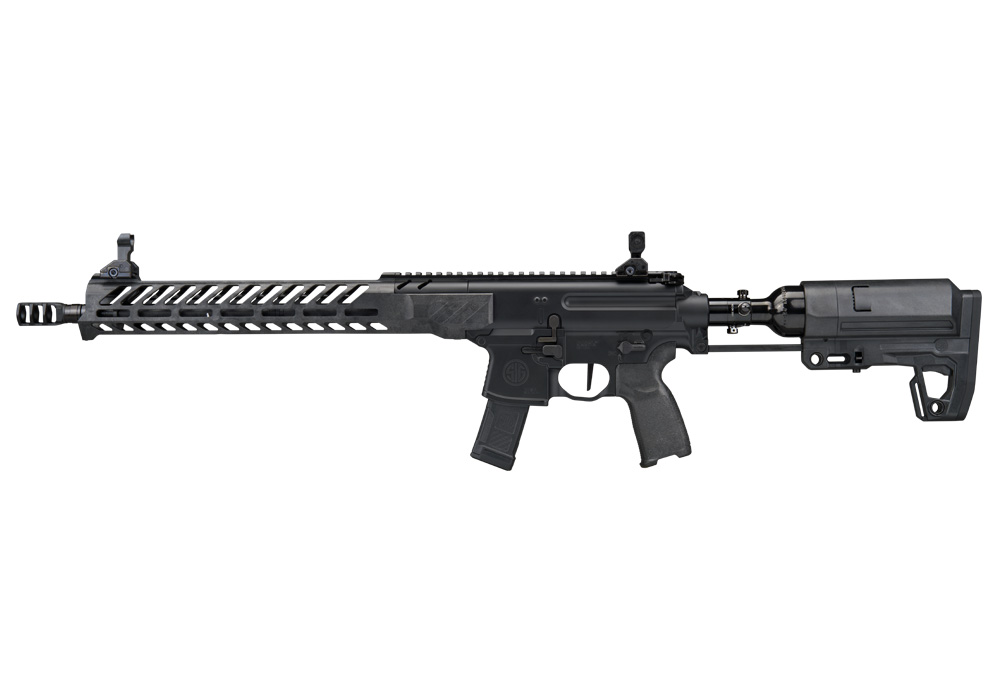
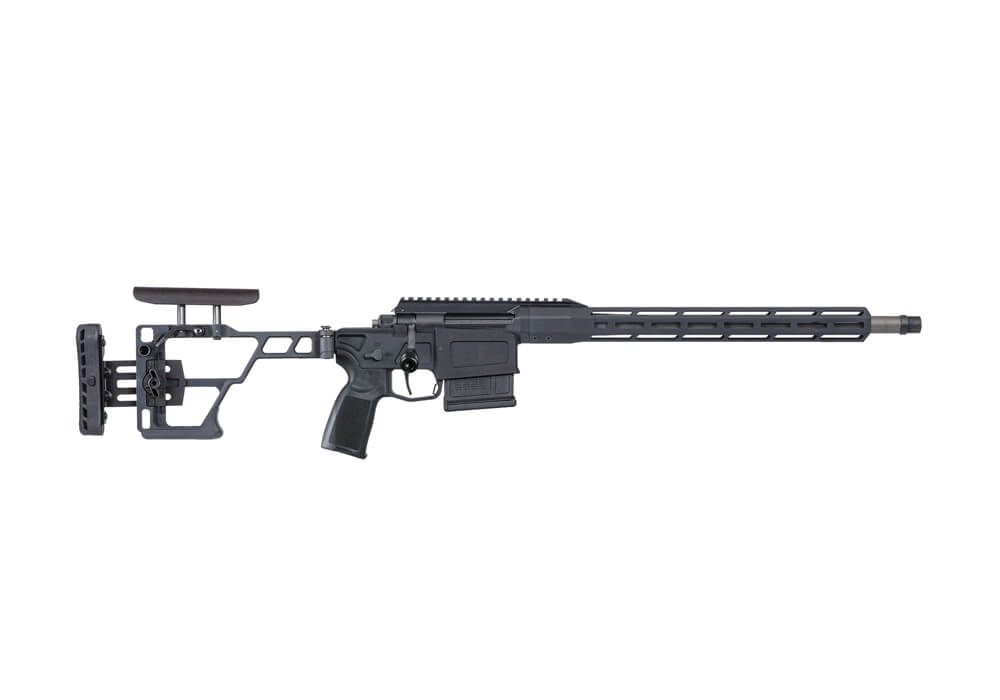
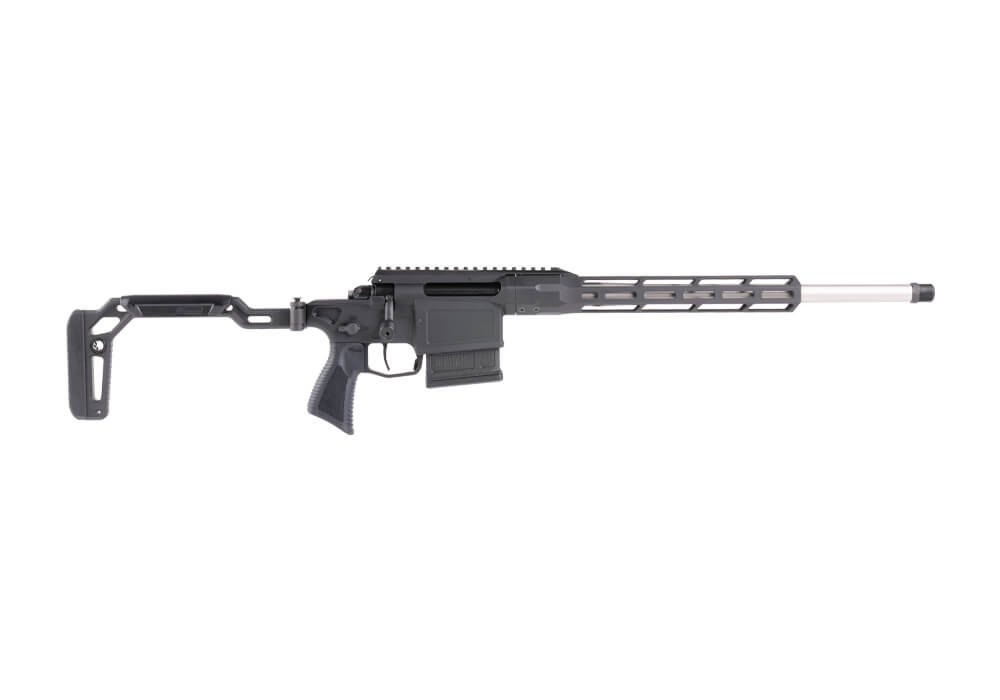
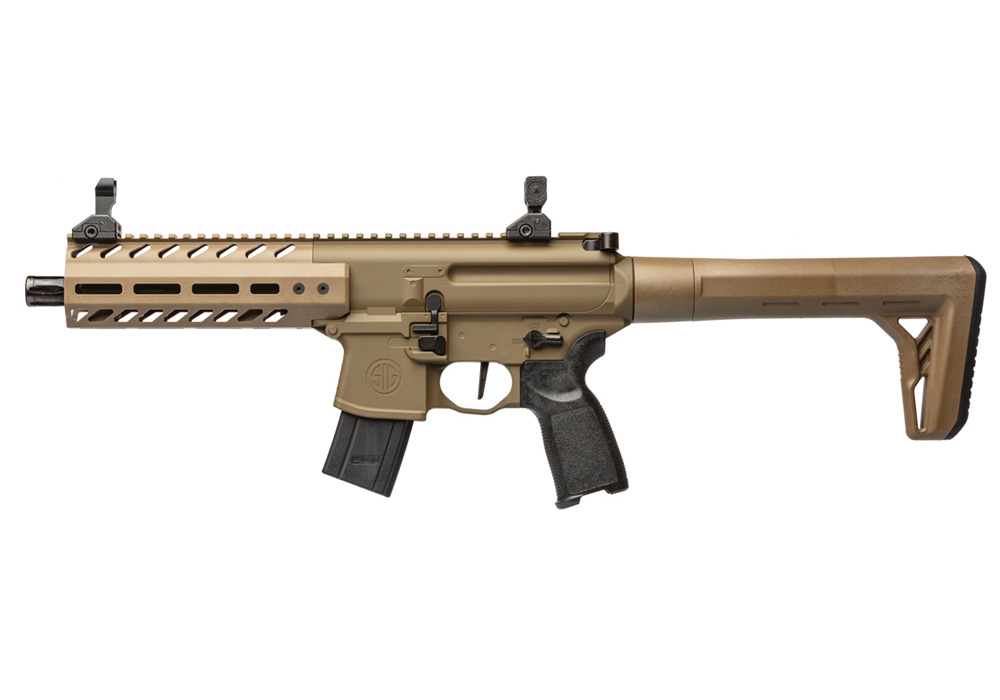
Air rifles for advanced marksmanship practice offer a practical way to refine the fundamentals that separate a steady, repeatable shot from a hurried one. Without the report and substantial recoil associated with many firearm platforms, an air rifle lets the shooter concentrate on sight alignment, trigger control, breathing, follow-through, and the small shifts in body position that can move a group across the target. These qualities make precision air rifles useful for experienced shooters, competitive target athletes, instructors, and anyone who wants structured practice at home or at an approved range. They can also be a thoughtful gift for a dedicated marksman, especially when paired with a suitable backstop, target system, pellets, and other Airgun Practice Supplies. A well-selected rifle can turn a quiet afternoon into productive training: the shooter settles into position, watches the reticle or sights return to the same point after each shot, and learns to recognize a clean trigger break by feel rather than by guesswork. Before purchasing, confirm local laws, range rules, age requirements, and safe-use guidelines, and plan for a secure storage location away from unauthorized users. Every session should include a dependable backstop rated for the rifle and ammunition, a clear line of fire, appropriate eye protection, and careful control of the muzzle at all times.
For advanced marksmanship, pre-charged pneumatic, or PCP, air rifles are often selected for their consistent shot cycle and minimal mechanical movement. Instead of relying on a spring or gas piston that can introduce movement as it fires, a PCP system uses compressed air to propel the pellet, helping the rifle remain settled through the shot. Consistent velocity matters because changes in pellet speed can alter point of impact, particularly as distance increases or when a shooter is working with small target faces. A pressure gauge, compatible fill equipment, and an understanding of the rifle’s usable pressure range are important parts of ownership; the best results come from maintaining a repeatable fill routine rather than topping off at random intervals. Shooters focused on indoor target work commonly choose .177 caliber because it is widely available, economical for frequent practice, and well suited to the flatter trajectories and short distances associated with precision paper targets. Other calibers may be preferable for outdoor disciplines or specific range requirements, so the intended distance, target type, pellet availability, and local rules should guide the decision. Pellet fit and consistency can influence accuracy as much as the rifle itself. Testing several appropriate pellet styles from a stable rest can reveal which option produces the tightest groups, while keeping notes on temperature, distance, fill pressure, and sight settings helps turn practice into measurable progress. A capable trigger is equally important. A fully adjustable two-stage trigger allows the shooter to set a defined first stage, establish a predictable wall, and tune the final break to personal preference and competition requirements. Adjustments should be made carefully and according to the manufacturer’s instructions, with function checks performed in a safe direction before live practice begins.
Fit and intended discipline should shape the rest of the selection. Dedicated 10-meter match-style rifles are built around deliberate position shooting, precise score tracking, and highly repeatable handling. They often feature adjustable cheek pieces, butt plates, grip angles, and rail systems that allow the shooter to align the rifle naturally without forcing the head, shoulders, or wrists into an uncomfortable position. That adjustability is valuable for experienced shooters who spend long sessions refining prone, kneeling, or standing technique, but it also means the rifle may require more setup time and a clear understanding of how each adjustment affects balance. Outdoor field target practice calls for a different approach, with changing distances, varied target presentations, and the need to estimate range and manage trajectory. A repeating PCP rifle may suit that environment when quick follow-up shots and practical field handling are priorities, while a single-shot design can encourage a slower, more deliberate rhythm and careful pellet selection before every shot. Optics should match the discipline: a modest, clearly focused sighting system may be ideal for known-distance paper targets, whereas an adjustable-magnification scope with reliable parallax control can be useful when distances vary. Weight, balance, stock shape, cocking or loading effort, air supply, and transport requirements also deserve attention. During warmer weather or the cooler months, a stable practice routine can be maintained in an approved outdoor space or an appropriate indoor setup, provided ventilation, lighting, noise considerations, and backstop safety are addressed. The most rewarding air rifle is the one that supports consistent practice and encourages honest feedback from every group, whether the goal is tighter clusters, stronger match performance, or the quiet satisfaction of watching disciplined fundamentals place pellet after pellet exactly where intended.