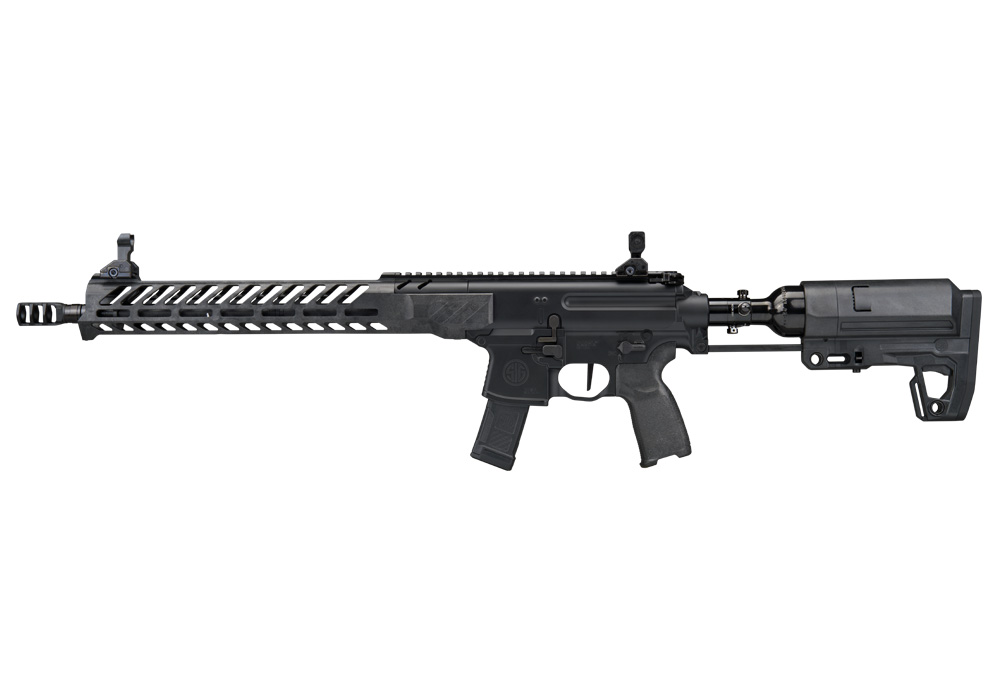
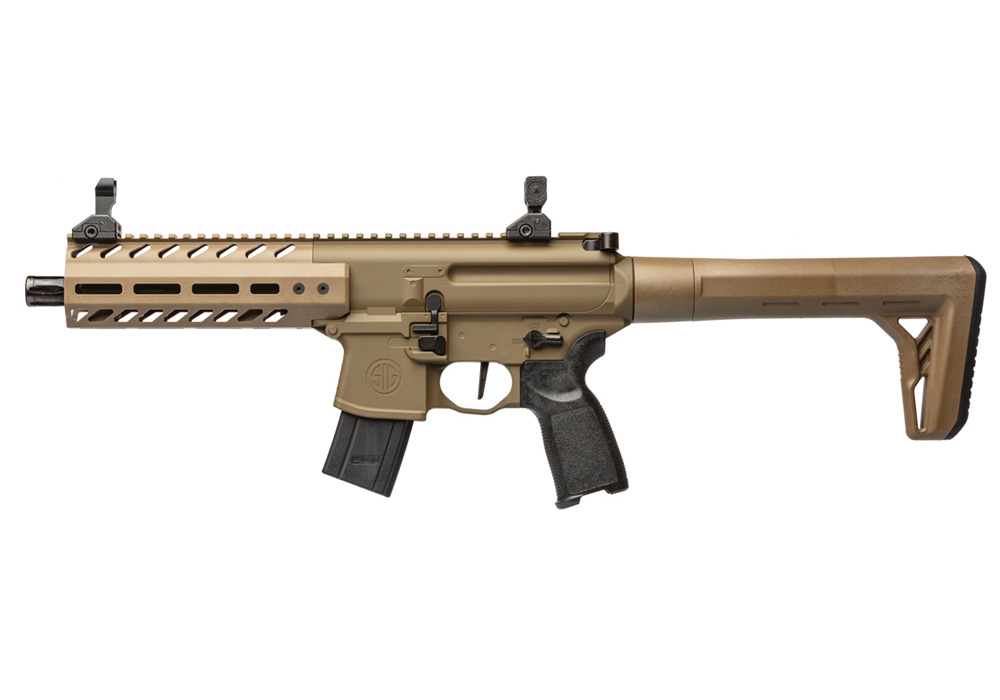
Air rifles offer a practical way to build steady shooting habits during late-summer afternoons and the cooler months that follow. They are well suited to paper targets, reactive targets rated for airgun use, and informal backyard practice where local ordinances, safe distances, and property boundaries permit. Their modest operating cost and manageable report make them useful for new shooters learning the fundamentals as well as experienced shooters refining trigger control, sight alignment, breathing, and follow-through. A properly chosen air rifle can turn a quiet stretch of yard into a focused practice space: a solid bench or shooting rest, a clearly defined target lane, and a dependable backstop create the kind of repeatable setup that makes progress easy to see. Always inspect the area beyond the target before shooting, keep the muzzle pointed in a safe direction, use appropriate eye protection, and follow all applicable laws and age requirements. A safe backstop should be capable of stopping both the pellet and any fragments, while thin wood, loose cardboard, or improvised household materials may not provide adequate protection. For families considering an air rifle as a gift, supervision and secure storage matter just as much as the rifle itself. A youth or first-time shooter may benefit from a lighter, easy-to-shoulder platform with simple controls, while an adult who already spends time at the range may prefer a more refined trigger, adjustable stock, or a system designed for precise group shooting. In either case, the best choice is one that fits the shooter comfortably and supports disciplined practice rather than simply emphasizing power.
The rifle’s power source is one of the most important purchase considerations. Pre-charged pneumatic, or PCP, air rifles use compressed air stored in a cylinder and are valued for low recoil, consistent shot velocity, and excellent accuracy. They are a natural fit for shooters working on tight groups, field-target skills, or longer-range outdoor practice, although they require access to a compatible hand pump, compressor, or refill equipment. Spring-piston and break-barrel rifles are self-contained and do not depend on a separate air tank, making them convenient for straightforward range sessions and a popular starting point for recreational shooting. Their movement during the shot rewards a consistent, relaxed hold; gripping the stock too tightly can work against accuracy, so shooters often improve by practicing the same shoulder position and hand placement on every shot. Gas-piston systems offer a similar self-contained format with a different firing cycle, while CO2 rifles are convenient for casual plinking and training drills that benefit from smooth cycling or faster follow-up shots. Temperature can affect CO2 performance, particularly during cooler outdoor sessions, so storage and operating conditions deserve attention. Caliber also shapes the experience. The .177 caliber is widely used for short-range precision and formal 10-meter-style target work because its lighter pellets generally offer a flatter trajectory and economical ammunition. The .22 caliber sends a heavier pellet and is often selected for outdoor target practice where wind and impact visibility are greater considerations. Larger calibers, including .25, may appeal to shooters seeking heavier projectiles and more pronounced target impact, but they can require more power, carry additional cost, and demand careful attention to backstop design. Pellet quality, optic compatibility, stock dimensions, cocking effort, noise level, and the availability of replacement seals or other accessories are equally important. A rifle that feels natural against the shoulder and produces predictable results is usually more rewarding than one chosen solely by advertised velocity.
Target practice becomes more productive when the equipment matches the intended distance and the shooter keeps a simple record of results. Begin at a modest range, confirm that the sights or optic are properly zeroed, and shoot from a stable position before moving to unsupported or standing practice. Paper targets reveal group size and point of impact, while approved reactive targets provide immediate visual feedback and can keep a family practice session engaging without turning it into a race. Wind is easy to underestimate in an open yard; even a light crosswind can move a pellet, especially as distance increases, so flags, streamers, or nearby vegetation can help show changing conditions. Shooters preparing for time in the field may also use these sessions to practice loading, safe handling, range estimation, and smooth transitions between positions. For additional seasonal preparation, explore Air Rifles For Pre Hunting Season Training. Air rifles can also make thoughtful gifts for a responsible outdoor enthusiast, a teenager beginning supervised marksmanship, or a seasoned shooter looking for an economical way to keep skills fresh between range visits. Before making a purchase, confirm local restrictions on ownership and discharge, review the intended shooter’s experience level, and consider where the rifle and pellets will be stored. During warmer weather, a shaded, well-ventilated practice area can make extended sessions more comfortable; as temperatures drop, gloves should not interfere with trigger control, and cold-weather clothing should allow a consistent stock weld. With the right caliber, operating system, fit, accessories, and safety plan, an air rifle can support months of enjoyable, deliberate target practice while helping shooters develop habits that carry over to other shooting disciplines.