Airsoft tournament equipment brings together protective gear, airsoft replicas, carrying systems, and apparel for organized competition, where secure fit and dependable function matter throughout every round. A useful setup supports clear vision, comfortable movement, and access to essential equipment without unnecessary bulk. For players moving between close-set barriers or spending long matches on larger fields, those qualities can be more valuable than an extensive list of accessories. Full-seal eye protection rated for airsoft impact hazards and accepted by the event organizer is a foundational requirement, along with face and ear protection appropriate to the rules. Ordinary sunglasses and general-purpose eyewear are not substitutes for airsoft-rated protection. Lens clarity, ventilation, and compatibility with prescription eyewear deserve attention alongside the protective rating. Dual-pane lenses and compatible anti-fog treatments can help manage condensation, but no lens design guarantees uninterrupted visibility in every situation. A goggle frame should sit securely without painful pressure, while the strap should hold its adjustment during movement. Face protection also needs to work with the rest of the setup rather than forcing goggles out of position or leaving gaps around the eyes. The same attention to fit applies to gloves, footwear, and protective padding. Gloves should allow comfortable use of controls without loose fabric bunching at the fingertips, and footwear should suit the playing surface while providing dependable traction. Knee and elbow padding can improve comfort when kneeling or contacting rough surfaces, provided it stays positioned without restricting movement. These details matter to experienced competitors, recreational players entering their first organized event, and team members replacing gear that no longer fits well. Tournament rules remain the starting point for any selection because organizers may set different requirements for protective equipment, replica energy limits, firing modes, and permitted accessories. Equipment that fits one event format may not suit another, even when both events take place at the same venue. Considering the complete setup helps prevent small compatibility problems from becoming distractions once play begins.
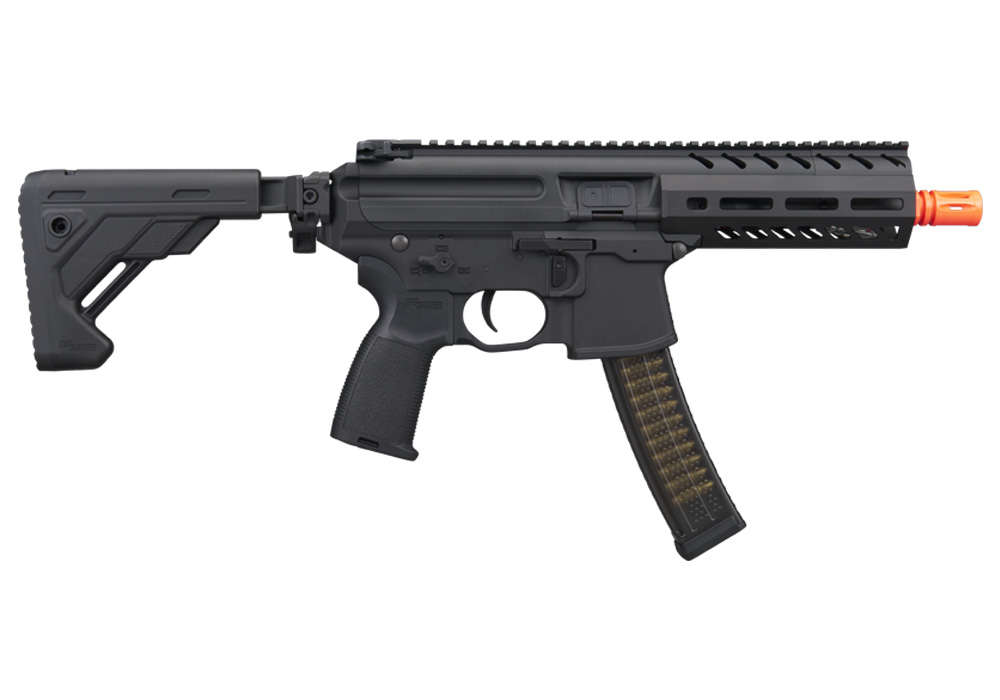
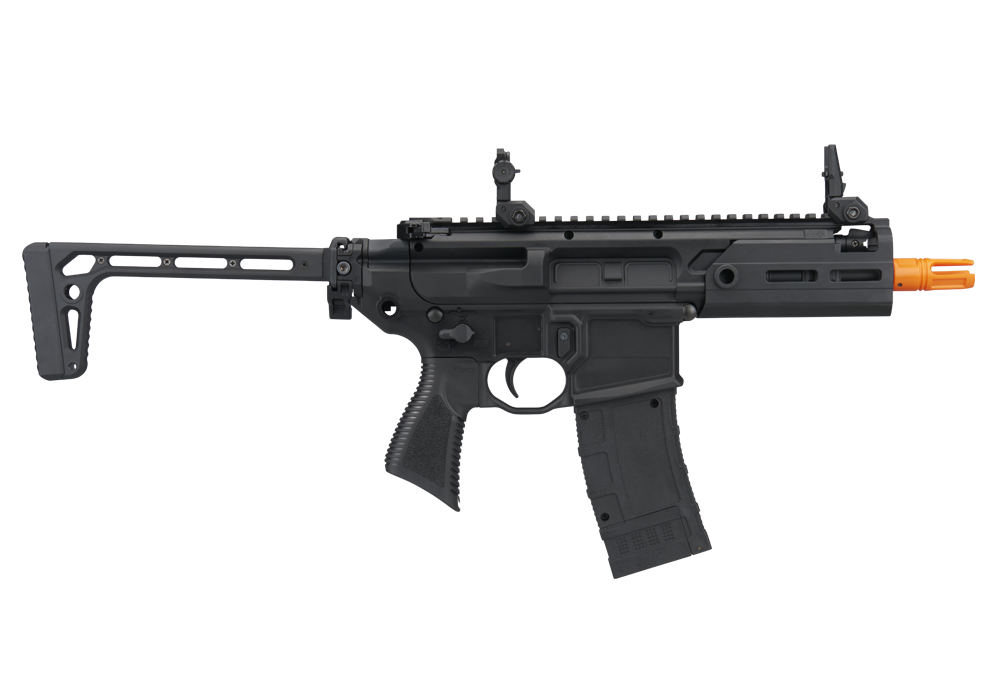
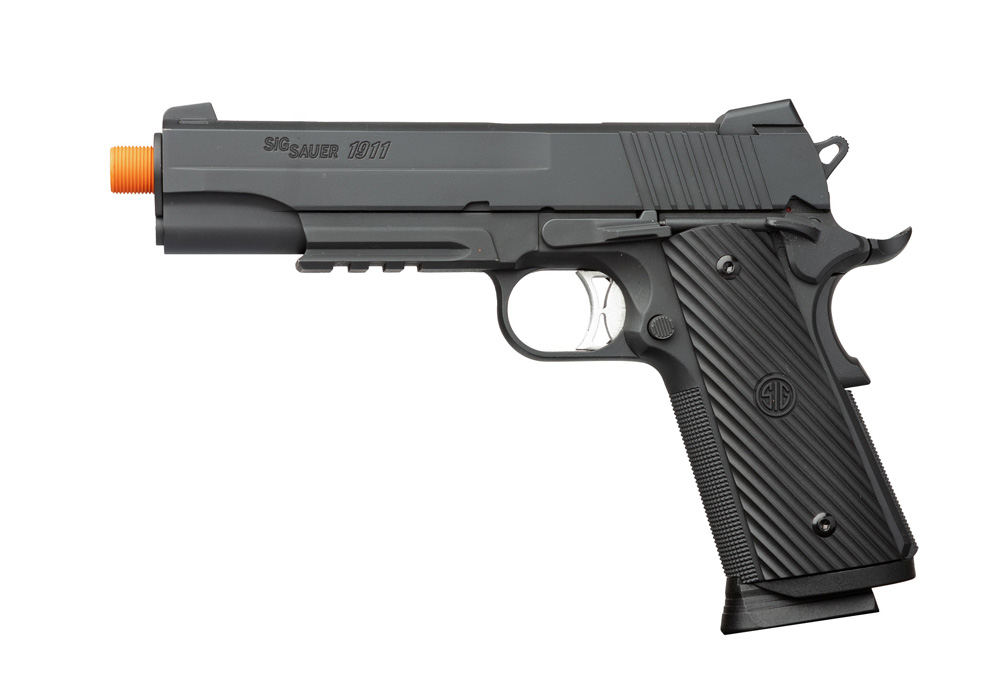
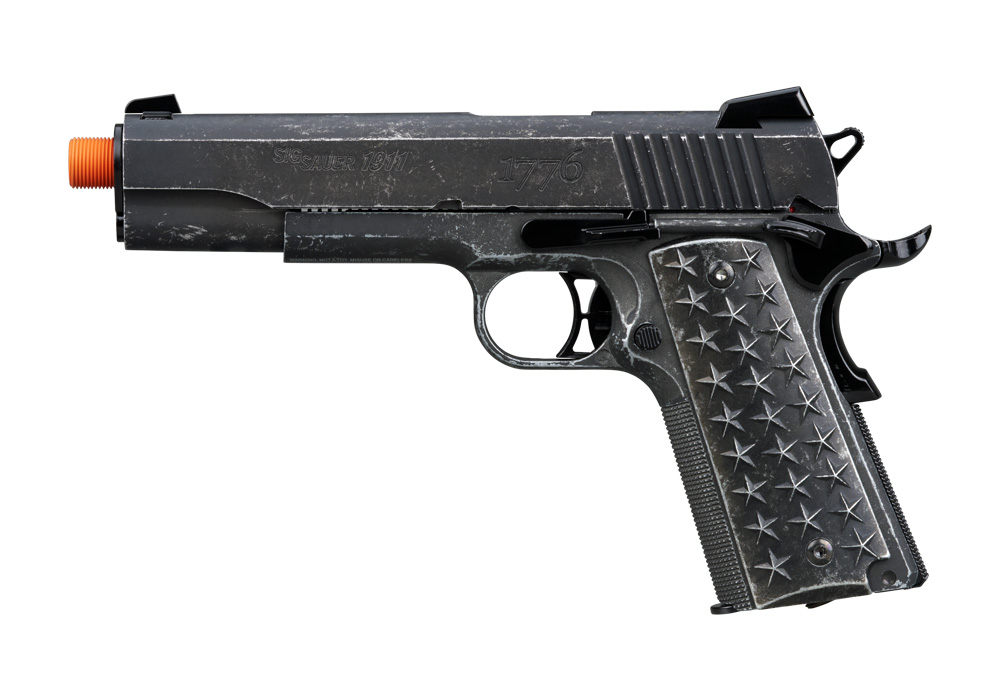
Airsoft replicas for tournament use are best considered in terms of event eligibility, dimensions, weight, operating system, and compatibility with the equipment a player already uses. Compact designs can feel less cumbersome in confined playing spaces, while larger formats may suit players who prefer a different balance or grip arrangement. Neither size nor an advertised velocity figure establishes overall quality on its own. Consistent operation within the organizer’s limits, comfortable controls, and straightforward routine maintenance are more useful considerations than appearance alone. Polymer components can help reduce weight, while metal components may add rigidity or a more substantial feel; long-term durability depends on design, material quality, and care rather than a simple metal-versus-polymer comparison. Electric and gas-powered airsoft systems have different requirements for batteries, charging equipment, propellant, seals, and magazines. Manufacturer specifications should govern those choices, including the correct airsoft BB size and type, rather than assumptions based on a similar-looking model. For a sidearm-focused setup, Airsoft Pistols For Airsoft Tournaments offers a related equipment category to consider alongside event rules and holster compatibility. A holster needs to match the replica’s dimensions and any permitted attached accessories while holding it securely during movement. Magazine fit is equally important: similar exterior shapes do not guarantee compatibility, and carrying pouches should accommodate the intended magazines without excessive looseness or crushing pressure. Low-profile belts and chest rigs offer different ways to carry essentials. A belt places weight around the hips, while a chest rig distributes it across the torso; either should remain stable without interfering with protective gear or comfortable bending. Adjustable straps, reinforced stitching, abrasion-resistant textiles, and securely attached closures contribute to practical durability. The value becomes clear when a player kneels behind a barrier and the belt stays level, or returns to the staging area without needing to untwist every shoulder strap. An orderly setup leaves room to move and keeps equipment secure without asking the player to carry more than the match requires.
Comfort and care help airsoft tournament gear remain useful beyond its first event. Performance apparel should allow unrestricted shoulder, hip, and knee movement, with seams and stretch panels positioned to avoid binding beneath straps or padding. Moisture-managing fabrics can improve comfort during sustained activity, while reinforced contact areas help garments withstand repeated kneeling and friction against field surfaces. Fabric weight alone does not determine toughness: weave, stitching, reinforcement, and the quality of closures all influence how clothing wears. A close but comfortable fit generally creates fewer snag points than loose fabric, though protective layers need enough room to sit correctly underneath. Trying the full combination together can reveal issues that are easy to miss when evaluating each piece separately, such as a collar pressing against a face guard or a pouch rubbing the forearm. Between events, appropriate cleaning and inspection help protect that fit and function. Lenses require cleaning methods approved by their manufacturer, since harsh chemicals or abrasive cloths can damage coatings and reduce visibility. Textile gear should be cleaned according to its care label and allowed to dry fully before storage. Frayed straps, loose fasteners, cracked protective components, and damaged closures warrant attention before further use. Airsoft replicas likewise need manufacturer-directed maintenance and storage, with batteries, gas systems, and magazines handled according to their respective instructions. Protective cases help keep equipment organized during transport, and replicas should remain secured and out of public view in accordance with applicable laws and venue policies. For someone choosing a gift for an airsoft competitor, known sizing, event requirements, and equipment compatibility are more dependable starting points than visual similarity. Protective gear is especially personal because the right rating does not eliminate the need for a proper individual fit. Whether the equipment is for a first tournament, regular team practice, or a well-established competition routine, the most useful selection is one that balances protection, mobility, durability, and manageable upkeep. That balance supports a setup that feels familiar through repeated rounds and remains practical to inspect, clean, carry, and use at the next event.