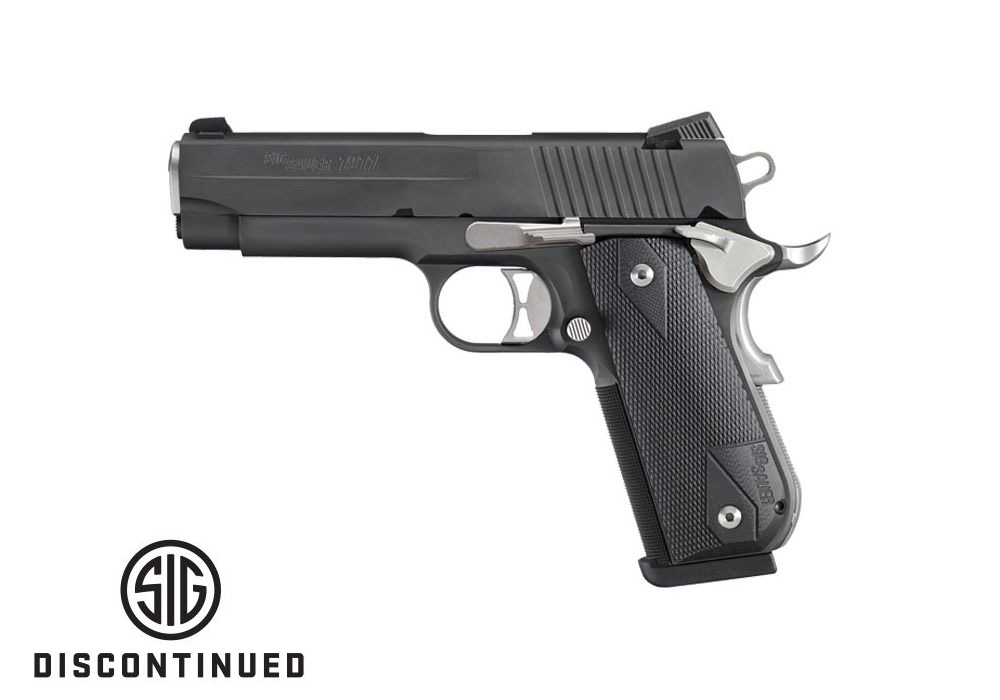
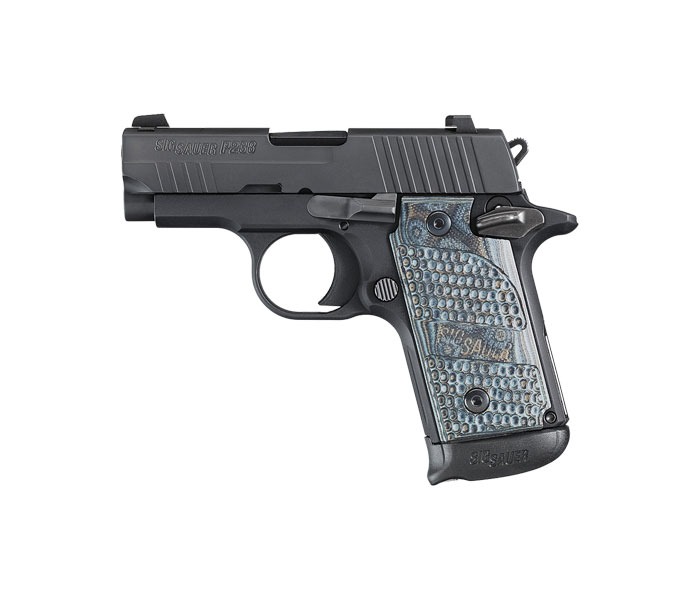
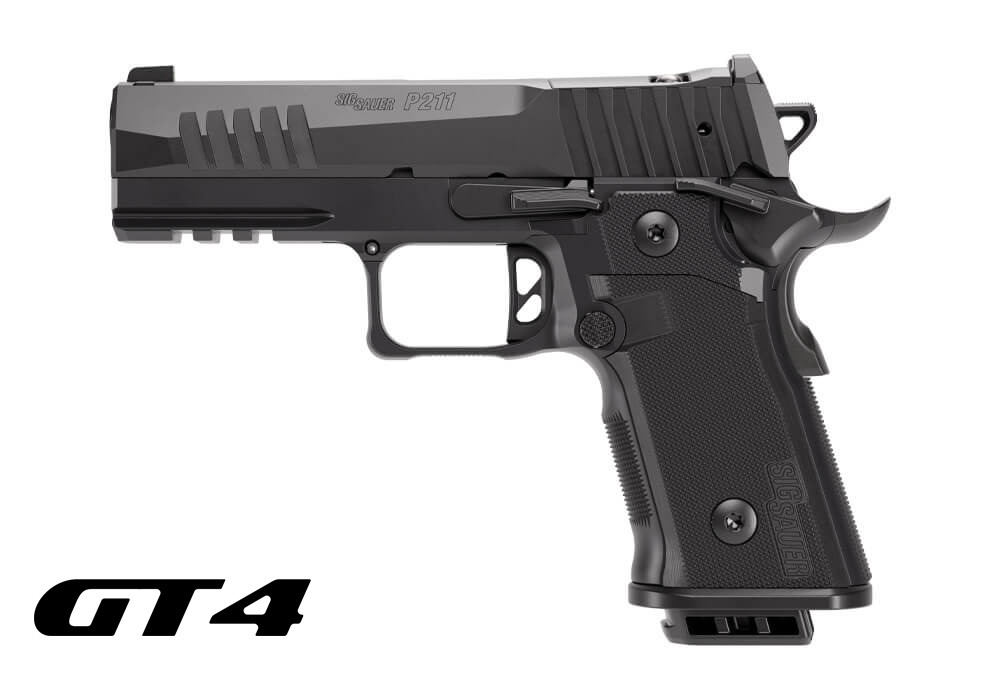
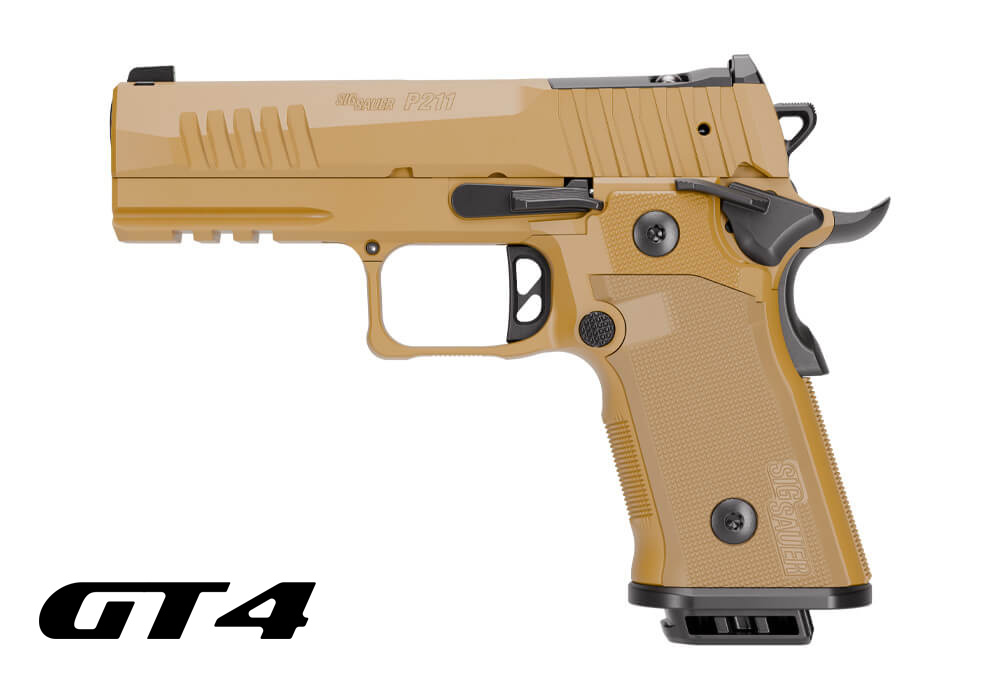
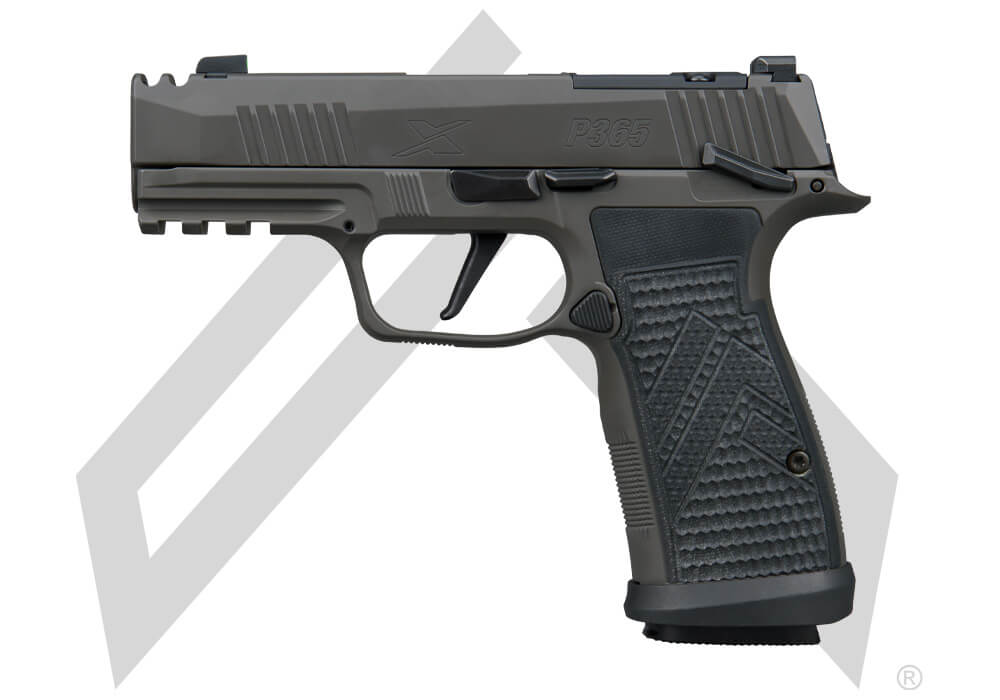
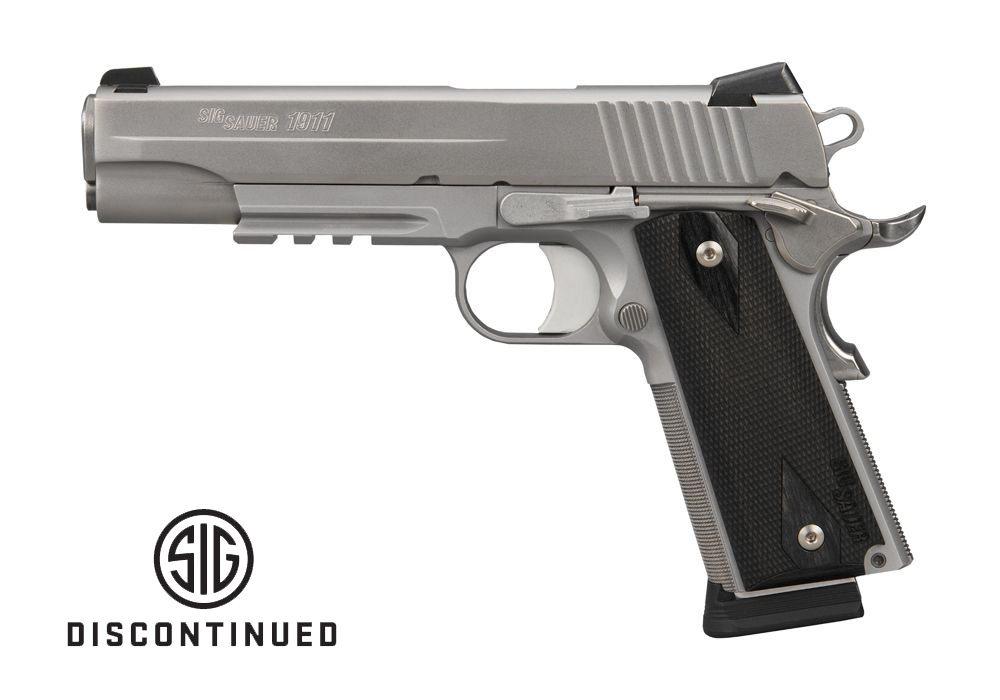
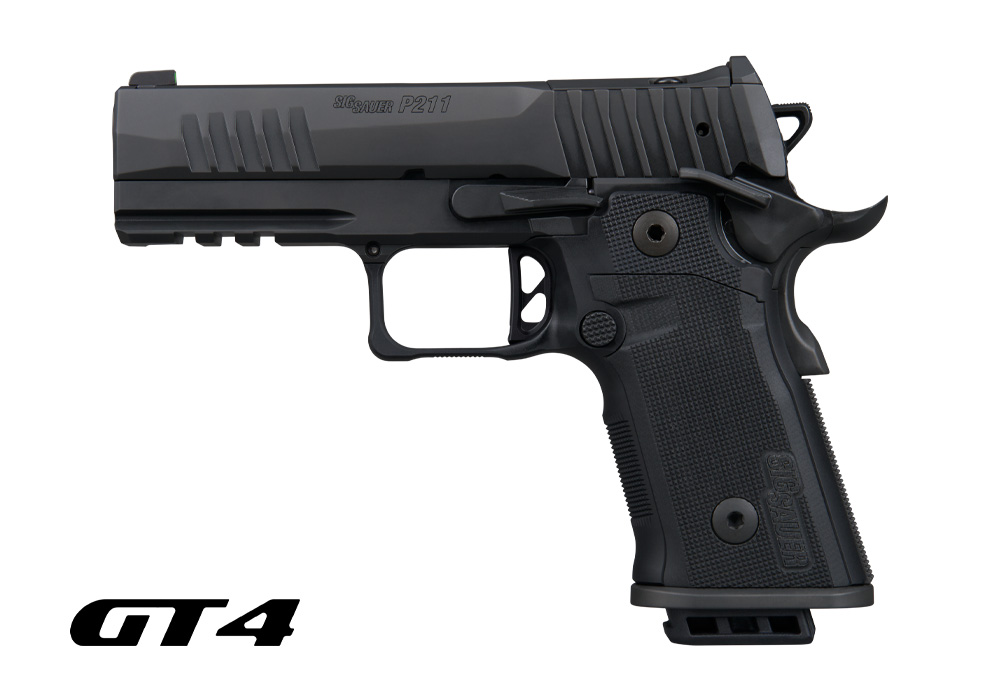
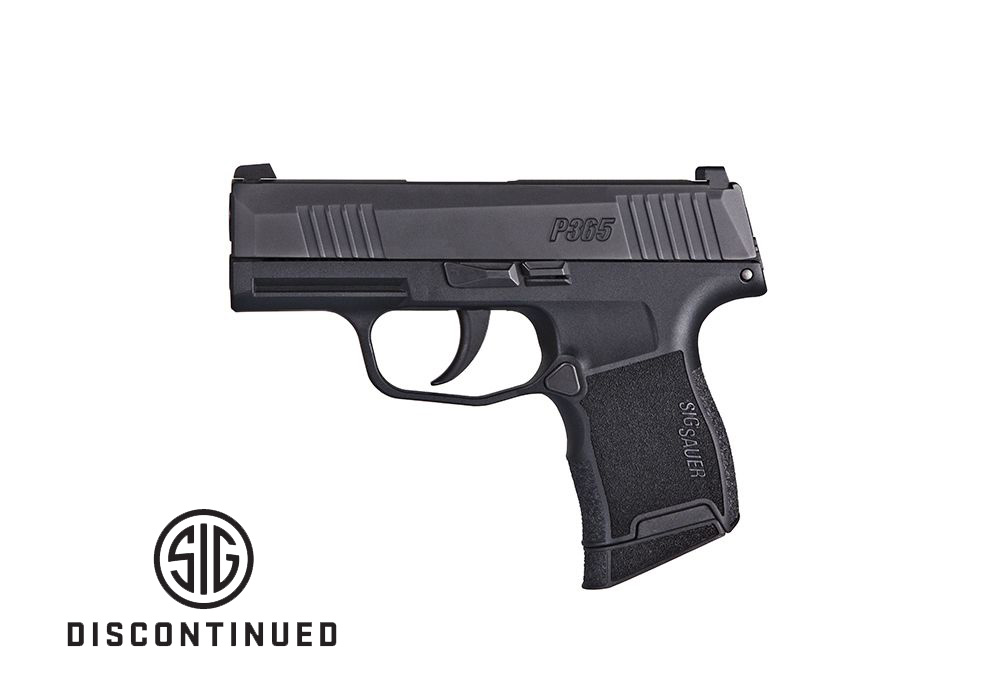
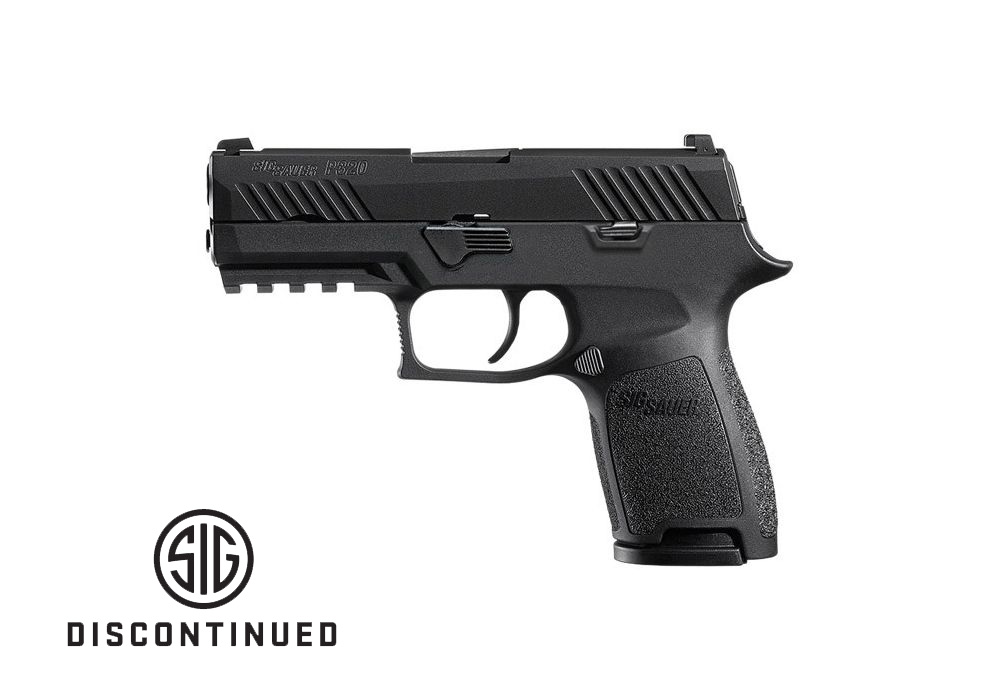
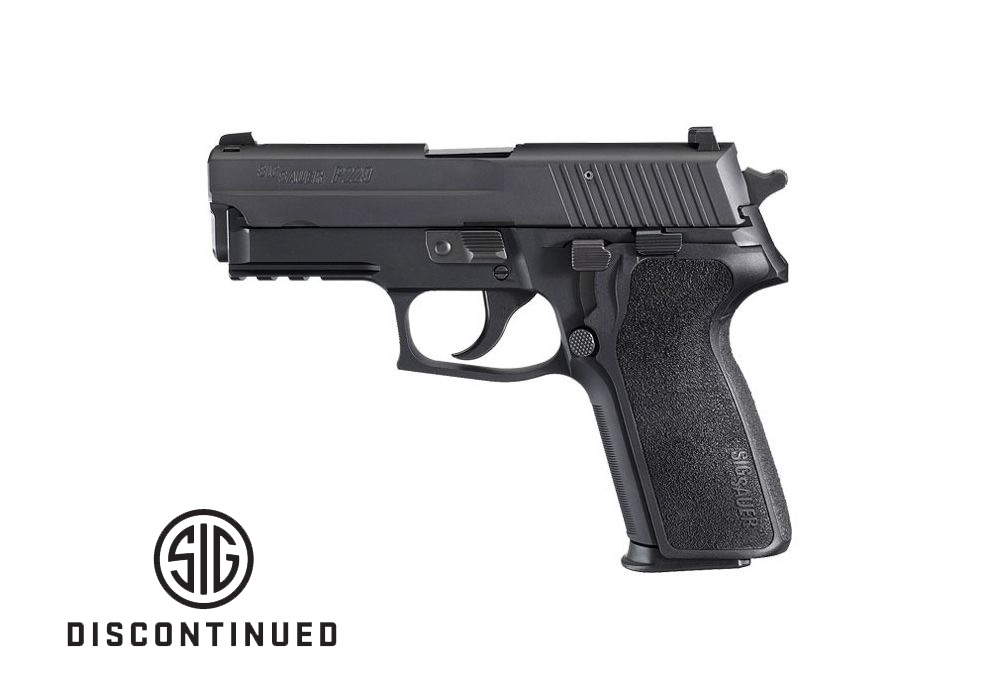
All-metal frame concealed pistols use a metal frame or metal grip module to provide a solid foundation for a handgun intended for lawful concealed carry. Steel and aluminum alloys are common choices, offering different balances of weight, strength, and everyday comfort. A steel frame generally adds more mass, while an aluminum-alloy frame can provide a lighter alternative with the firm feel many shooters associate with metal construction. The term all-metal describes the pistol’s primary structure, not necessarily every component; grip panels and other parts may use different materials. These pistols appeal to people who appreciate a substantial feel in the hand, defined grip contours, and a platform suited to regular practice. Additional weight can help moderate felt recoil, although handling also depends on ammunition, grip fit, slide movement, and the overall design. A heavier handgun is not automatically easier to shoot, just as a smaller handgun is not automatically more comfortable to carry. The useful balance lies in how the complete pistol fits its owner and supports consistent, safe handling. Frame dimensions, grip shape, and the location of controls all contribute to that relationship. Metal construction can also support long service life when paired with sound engineering, appropriate maintenance, and replacement of wear parts at the recommended intervals. Durability is a characteristic of the whole firearm, rather than a promise attached to one material. Protective finishes help resist corrosion and surface wear, but no finish eliminates the need for care. For someone who practices regularly and values a compact handgun with a reassuring sense of weight, a metal-framed pistol offers a distinctive alternative to a lighter polymer design. The category includes different sizes and operating systems, so its defining quality is the metal foundation rather than a single trigger type, grip profile, or set of controls. That variety allows different preferences for balance and handling to remain central without treating every metal-framed concealed pistol as interchangeable.
Fit becomes especially important when a handgun must serve both as a practice firearm and as part of a responsible everyday carry routine. Grip length affects how fully the hand can contact the frame, while grip circumference influences trigger reach and access to controls. A grip that feels comfortable at first touch may still place the trigger too far forward or leave a control difficult to operate without shifting the hand. Conversely, a very short grip may reduce the available contact area even when the overall pistol is easy to accommodate. Interchangeable grip panels, where offered, can change texture and thickness, but their compatibility depends on the specific frame design. Surface texture deserves similar attention: enough traction can support a consistent hold, while an overly abrasive surface may become uncomfortable against clothing or skin. The profile of the grip, the shape of the backstrap, and the edges around the frame can matter as much as the listed dimensions. Overall weight also feels different during a brief handling session than it does through hours of normal movement. Sitting at a desk, getting into a vehicle, and walking between daily activities place different demands on a carry setup. A supportive belt and a properly fitted holster help manage that weight without relying on the pistol’s compact dimensions alone. A suitable holster fully covers the trigger guard, retains the firearm securely, and matches the exact firearm configuration. Compatibility can change when sights or other accessories differ. Hammer-fired and striker-fired designs also have distinct operating characteristics, and familiarity with the manufacturer’s instructions is essential. Neither system replaces safe handling, secure storage, or qualified instruction. These considerations make all-metal frame concealed pistols relevant to experienced owners who favor their handling qualities, as well as newer owners evaluating a firearm with professional guidance. Intended use should account for regular range practice, responsible storage, applicable laws, and the practical commitment of carrying a heavier object throughout the day.
Long-term ownership brings the finer details of construction and care into focus. Metal frames can show polishing at contact points, finish wear along exposed edges, and marks from repeated holster use. Cosmetic wear does not necessarily indicate a functional problem, but cracks, unusual movement, persistent malfunctions, or damaged components warrant evaluation by a qualified professional. Cleaning and lubrication should follow the firearm manufacturer’s instructions, including the specified products and service intervals. More lubricant is not always better, and a finish intended to resist corrosion still benefits from removal of perspiration, residue, and handling marks. Cleaning should take place only after the firearm has been verified unloaded, with ammunition kept separate from the work area. Dry, secure storage helps protect the firearm while preventing unauthorized access, and a locking storage solution remains important whether the pistol is carried frequently or used mainly for practice. Grip screws, replaceable panels, sights, and other fitted components also deserve attention according to the manufacturer’s maintenance recommendations. Accessories should match the exact frame and configuration rather than simply resemble the correct part. For shoppers comparing a narrower size and caliber combination, Compact 9mm Pistols With Metal Frames provides a related category centered on compact dimensions and metal construction. Across this broader group, caliber alone does not determine comfort or controllability; two pistols chambered alike can feel noticeably different because of their weight distribution, grip geometry, and operating design. Sight visibility and the ease of operating controls further shape the ownership experience, particularly during supervised practice. The strongest fit is a handgun whose dimensions, handling characteristics, and maintenance needs align with the owner’s abilities and intended use. All-metal frame concealed pistols offer a blend of substantial feel, material options, and compact proportions, with the greatest value coming from a thoughtful match between the firearm, its supporting equipment, and the person responsible for it. Their appeal rests as much on everyday usability and sustained care as on the initial impression of metal in the hand.