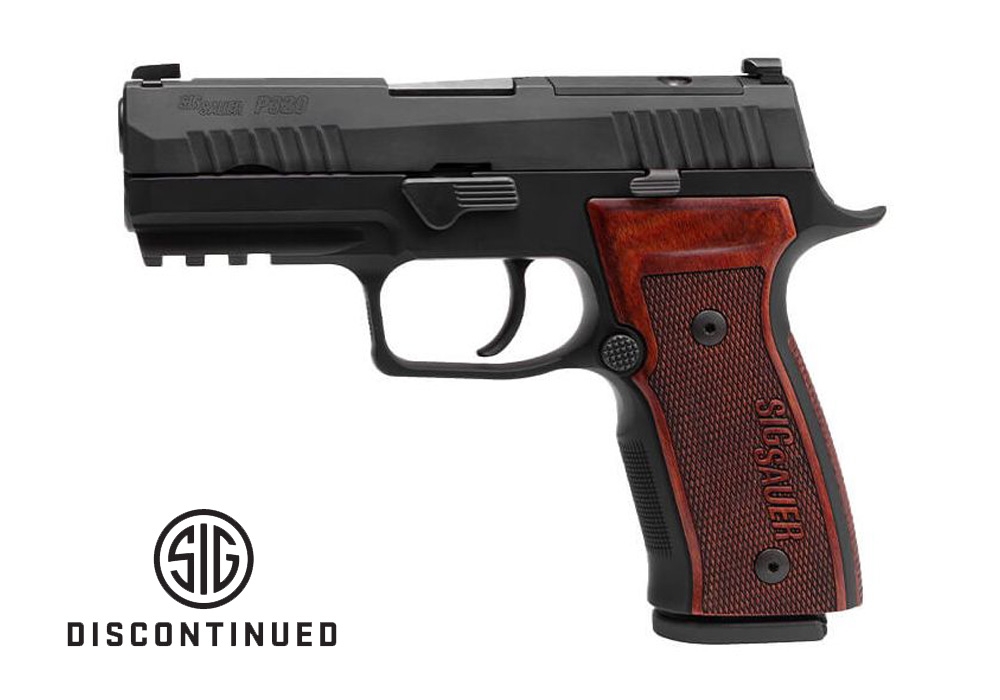
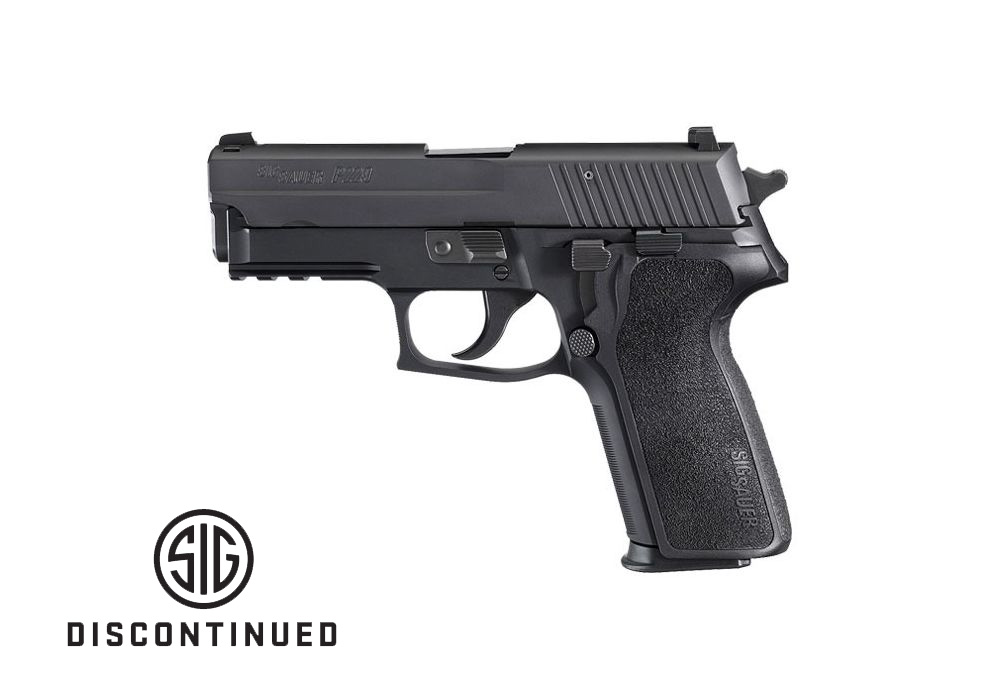
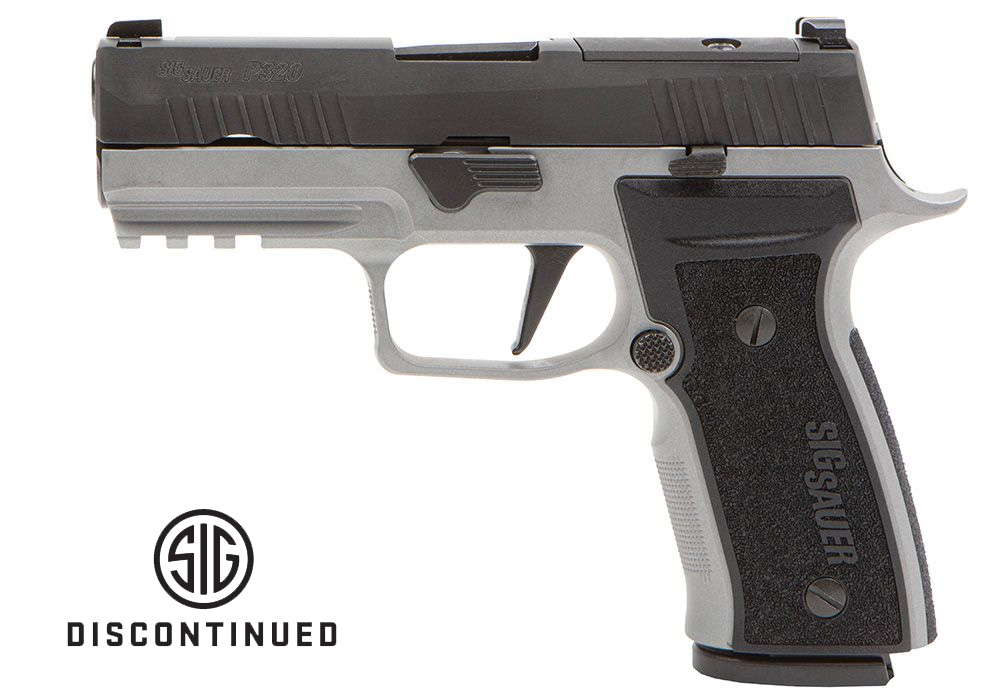
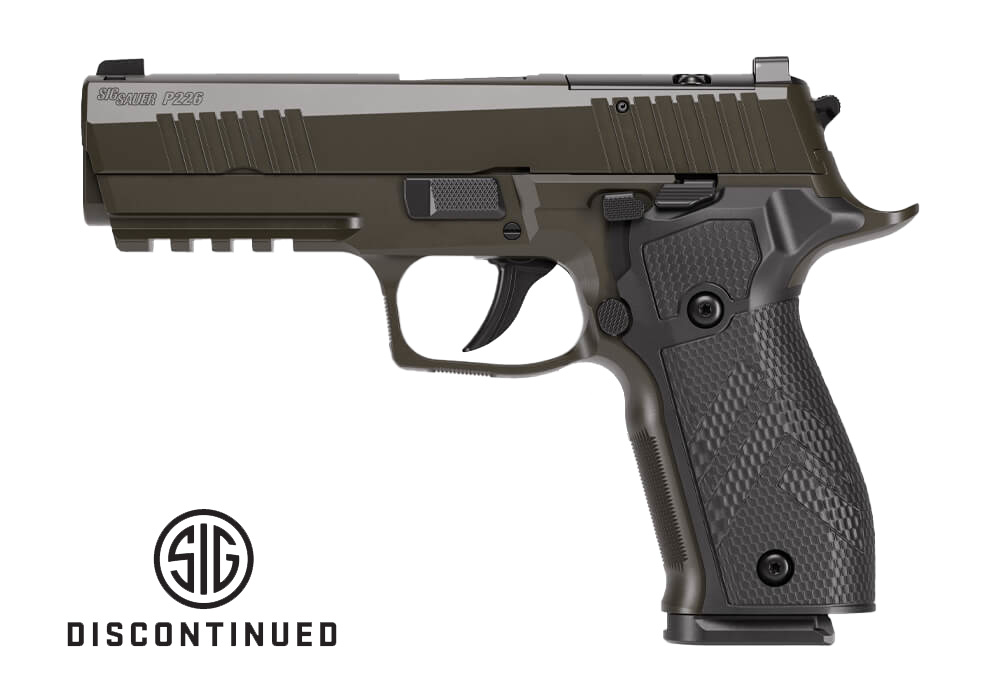
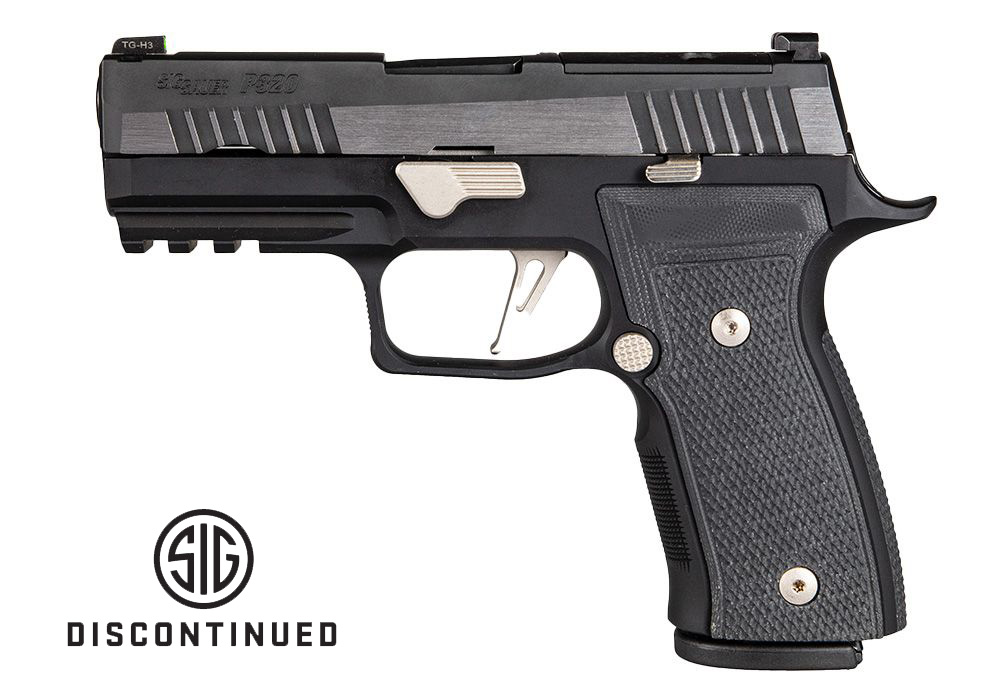
High Performance Metal Frame Pistols appeal to shooters who value a steady, substantial feel in the hand and a platform built for consistent performance over extended practice sessions. Unlike lightweight polymer-frame designs, steel and aluminum frames add mass beneath the slide, helping absorb felt recoil and reduce muzzle movement as each shot is fired. That added weight can help the sights return to alignment more quickly, which is especially useful during controlled pairs, timed drills, defensive practice, and competition stages. A rigid metal grip also gives the shooter a firm reference point, with less flex and a more planted feel when establishing a firing grip. Steel frames generally provide the greatest overall weight and a particularly solid shooting experience, while aluminum frames can offer a practical balance between durability and easier carry. The ideal choice depends on how the pistol will be used, how much weight the shooter is comfortable carrying, and whether the priority is range performance, duty use, home protection, or a blend of several roles. A full-size metal frame pistol may feel exceptionally stable during longer range sessions, while a compact configuration can offer a more manageable profile for daily carry with a properly fitted holster. Shooters who spend cooler months training outdoors may also appreciate the firm grip and predictable balance of a metal platform when wearing layered clothing or gloves, though any glove should preserve trigger control and tactile feedback. Before selecting a pistol, consider grip circumference, texture, reach to the trigger, slide manipulation, overall weight, sight picture, and the ability to maintain a secure hold through repeated strings of fire. A comfortable grip often matters more than a long list of features, since natural alignment and consistent trigger control have a direct effect on practical accuracy. Hammer-fired systems may appeal to those who appreciate a visible hammer and a double-action/single-action trigger sequence, while striker-fired systems offer a consistent trigger format from shot to shot. Neither operating system replaces training; each rewards familiarity, deliberate handling, and practice with the exact controls found on the chosen firearm.
Purchase planning should also include ammunition compatibility, magazine availability, sight configuration, maintenance requirements, and local regulations. Many metal frame pistols are chambered in 9mm, a popular option for practice and defensive preparation because of its broad ammunition selection and manageable recoil, while other chamberings may suit shooters with different needs or preferences. Standard magazines can be convenient for carry and storage, while extended magazines may support longer practice strings where lawful and appropriate. Review the firearm’s specifications carefully and confirm that magazines, holsters, replacement sights, and other accessories fit the precise model and configuration. An optics-ready slide can provide a path toward a reflex sight, but the mounting system, optic footprint, sight height, and co-witness arrangement deserve close attention before purchase. A threaded barrel may support compatible accessories where permitted by law, though it can affect holster fit and overall length. Trigger characteristics should be evaluated with care: a clean, predictable break and a positive reset can help experienced shooters refine performance, but a lighter trigger also calls for disciplined handling and secure storage. Metal surfaces benefit from routine inspection, appropriate lubrication, and protection from moisture, perspiration, and abrasive debris. During cooler months, a pistol carried under a coat or stored in a vehicle can encounter condensation as temperatures change, so a simple cleaning and inspection routine helps preserve reliable operation. Every firearm should be stored unloaded when not in use, secured from unauthorized access, and kept separate from ammunition according to the owner’s local laws and household needs. Buyers should also account for safe transport, required permits, transfer procedures, and any waiting or registration rules that apply in their jurisdiction. A firearm should only be gifted to an eligible adult who can lawfully possess it, understands safe handling, and has expressed a genuine interest in responsible ownership; transfers should follow all applicable laws, and a qualified dealer or local authority can help clarify the process. For a new owner, a case, secure storage solution, eye and ear protection, training instruction, and a supply of suitable practice ammunition may be more useful than decorative accessories. Experienced shooters may select a metal frame pistol as a range companion, competition platform, or refined addition to a carefully organized collection. Those purchasing for home protection should prioritize safe storage, a reliable light if appropriate, realistic training, and a clear household safety plan rather than choosing based on appearance alone. Whether used for measured practice on a quiet range day or structured training during the cooler seasons, High Performance Metal Frame Pistols offer the balance, control, and durable feel many shooters seek. For shoppers focused on a more carry-oriented format, explore All Metal Frame Concealed Pistols while comparing dimensions, weight, grip profile, and holster support. Careful selection, professional instruction, and regular practice allow the advantages of a metal frame to become familiar in the hand and useful across a wide range of lawful shooting activities.