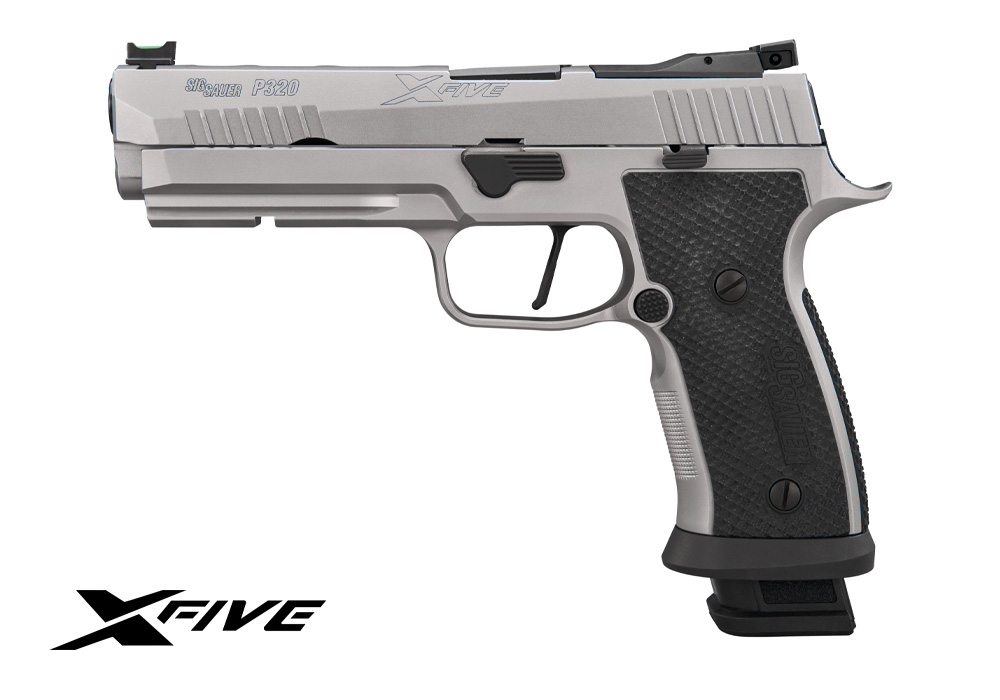
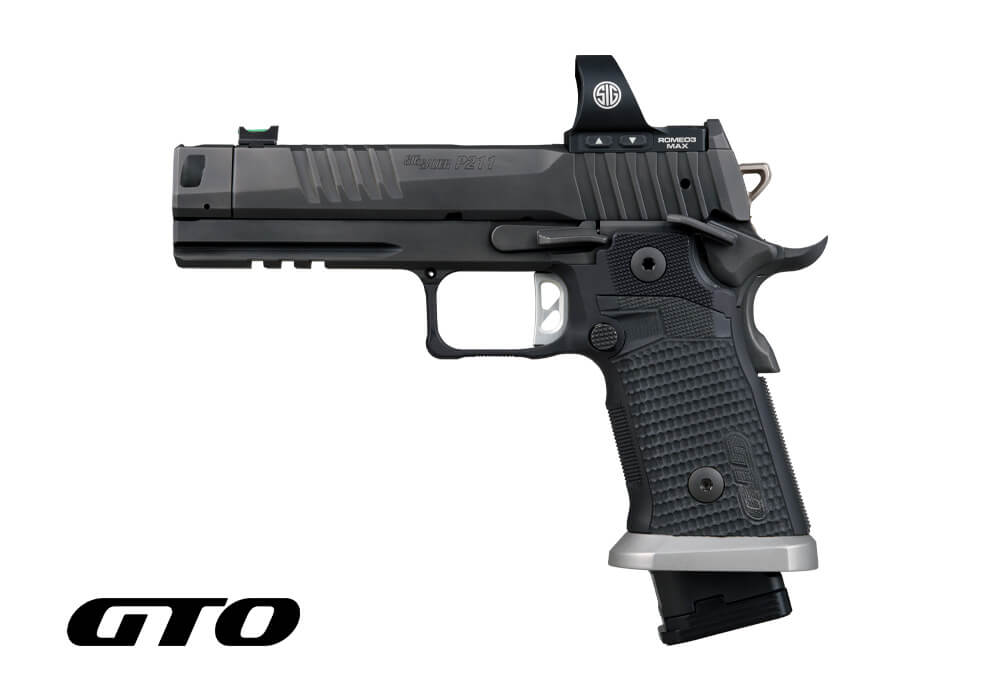
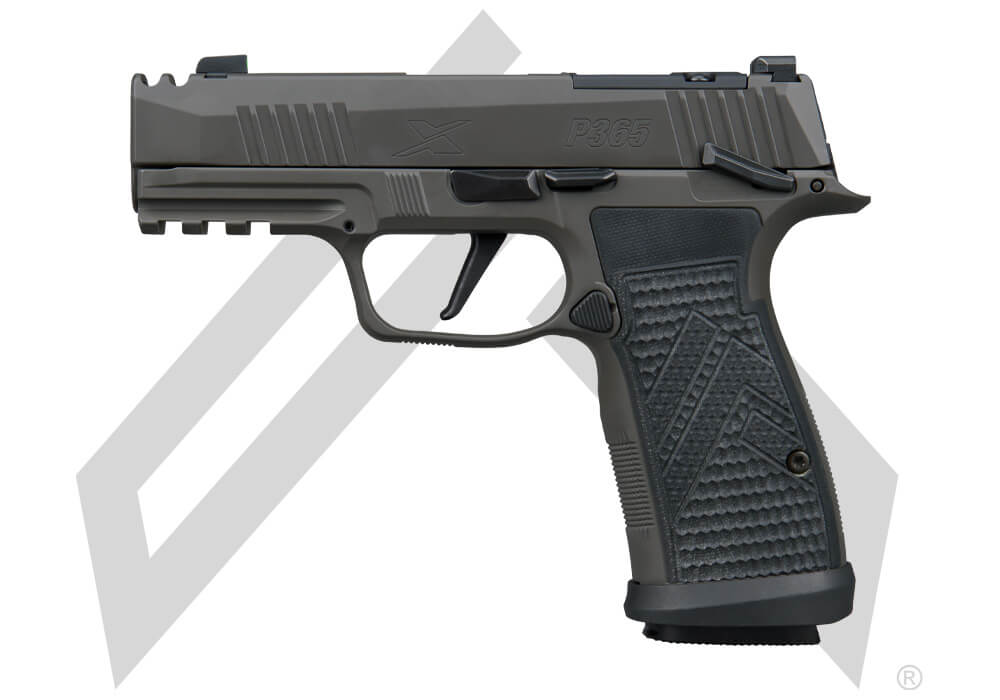
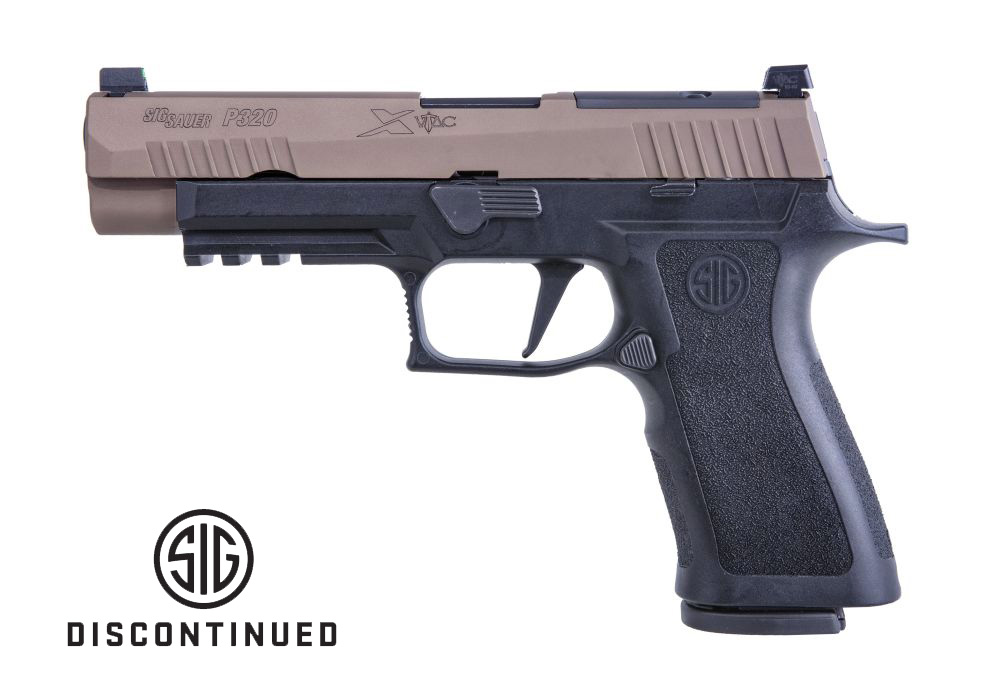
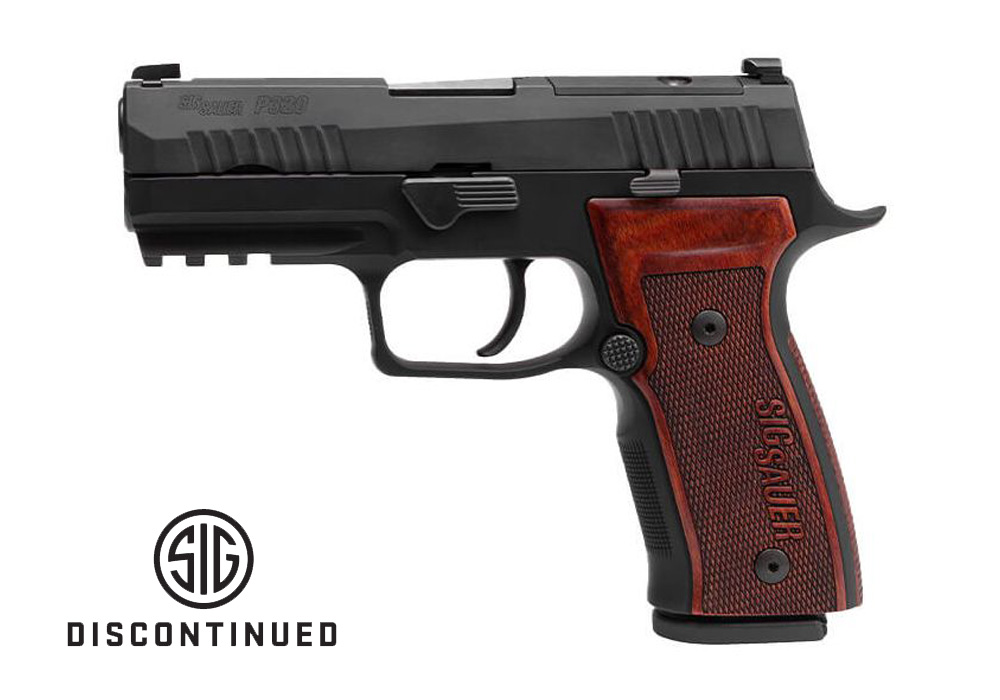
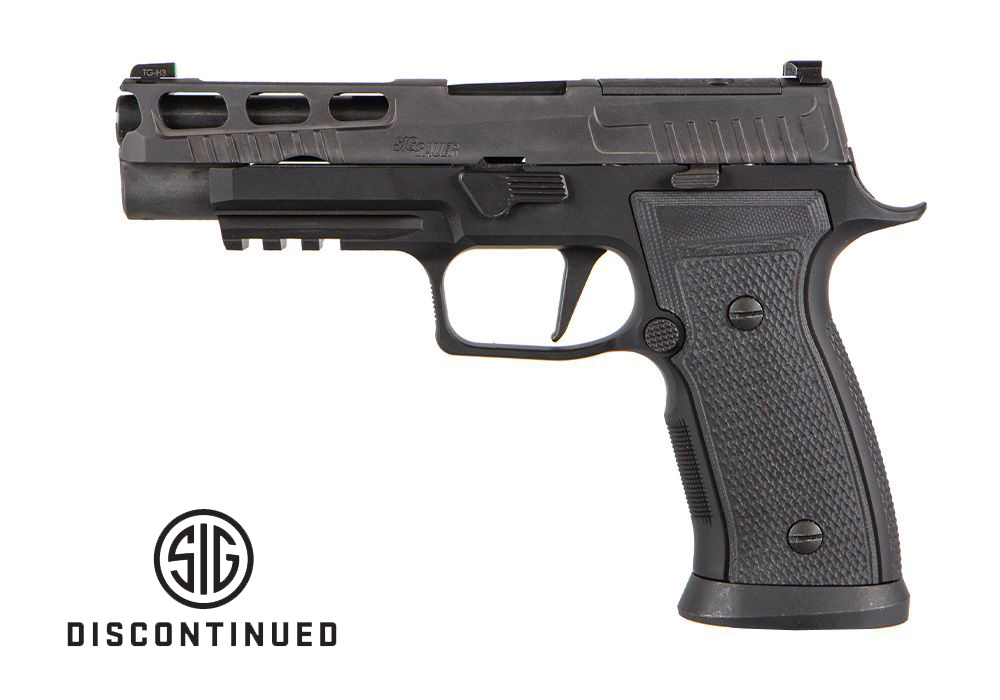
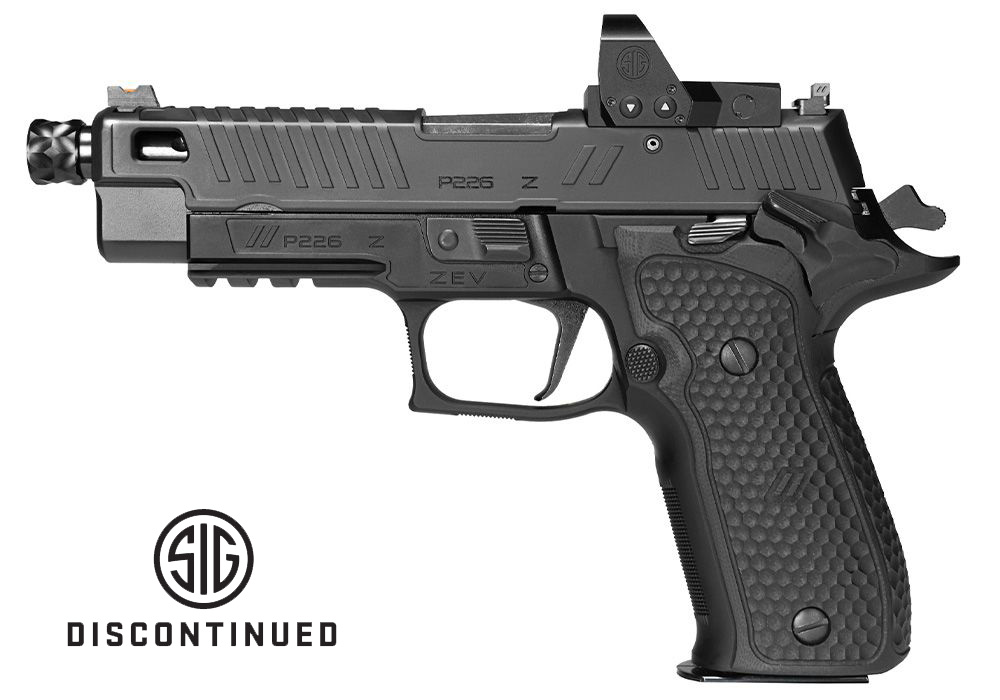
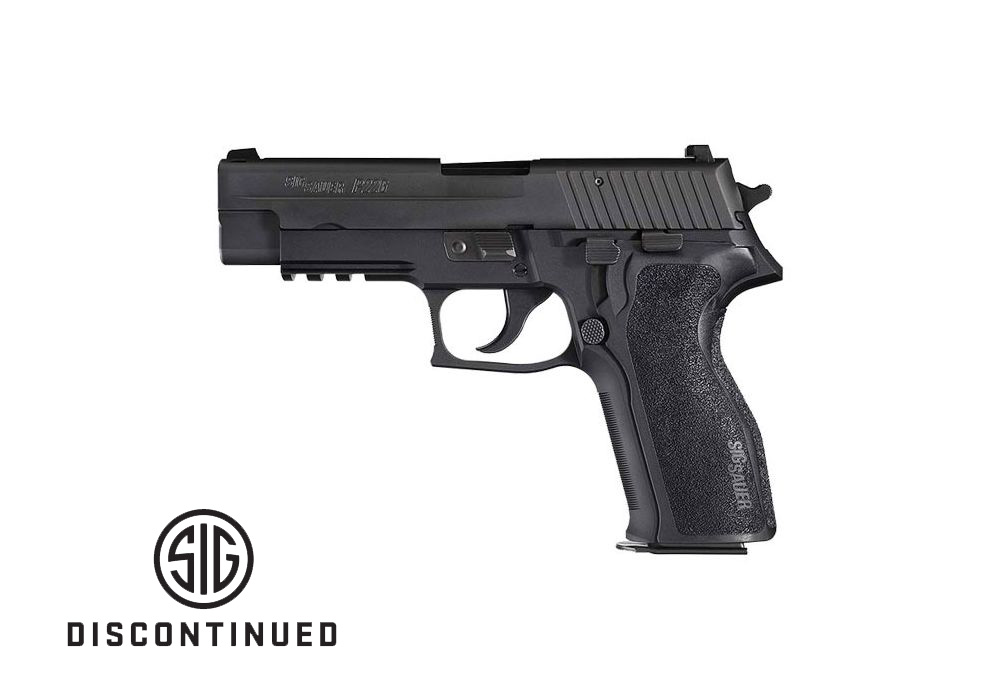
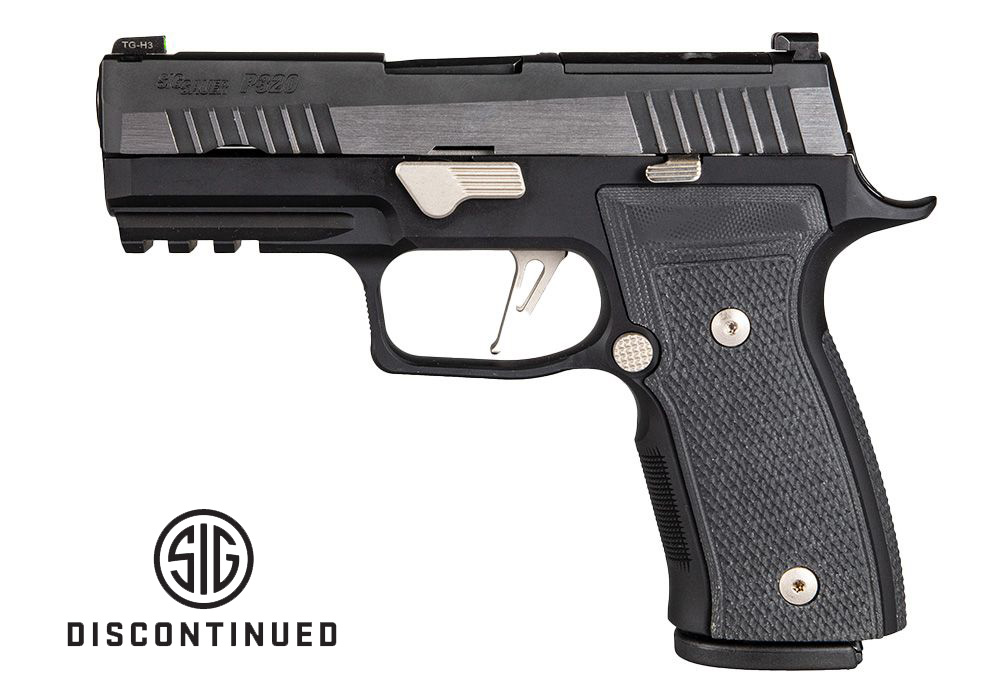
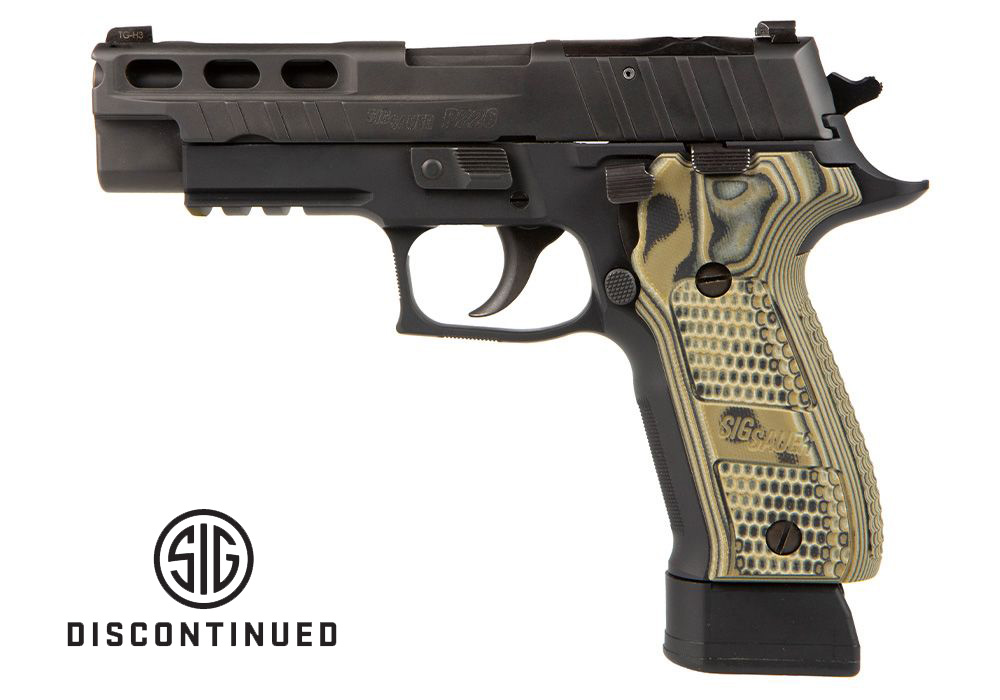
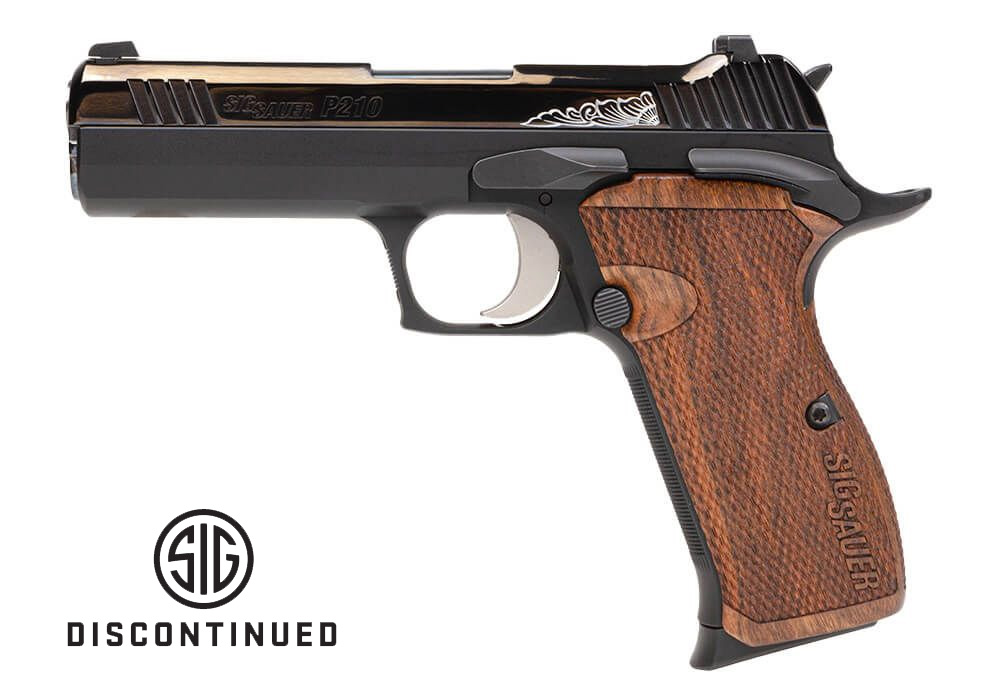
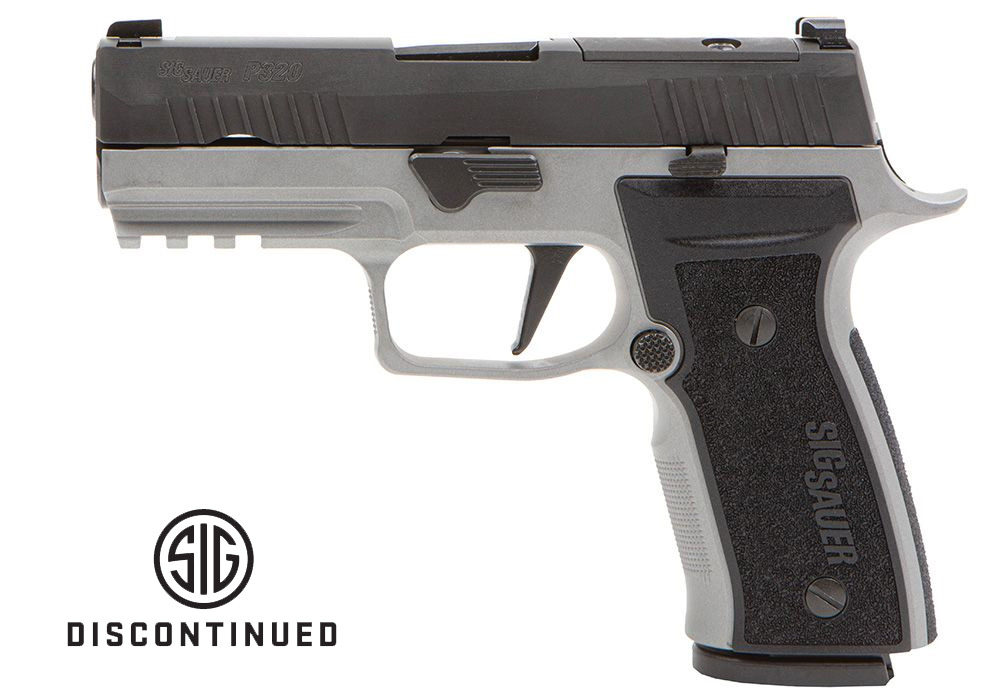
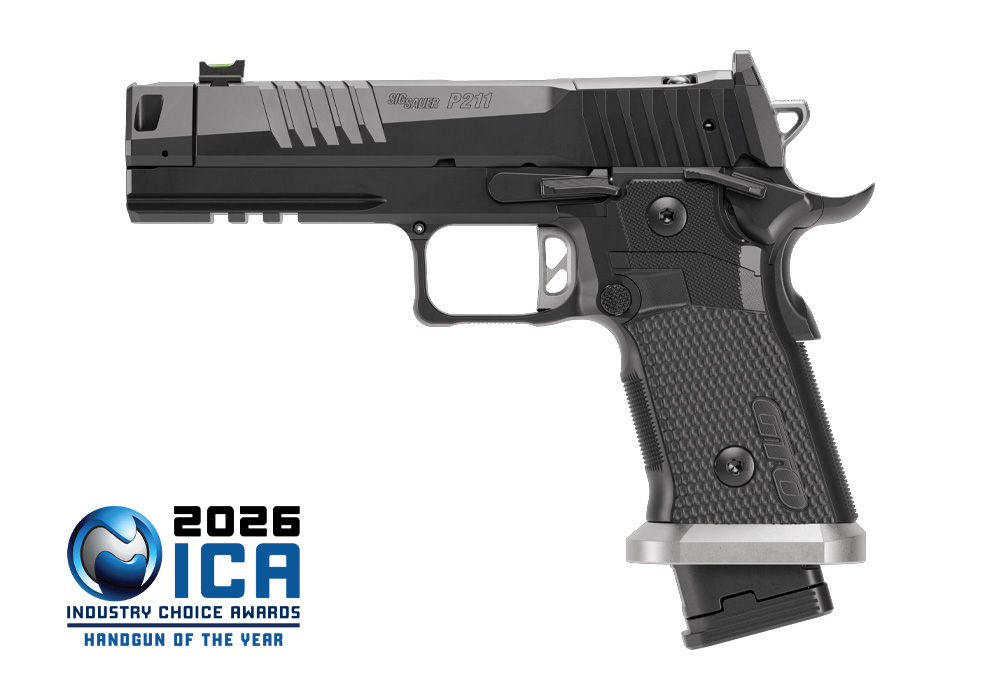
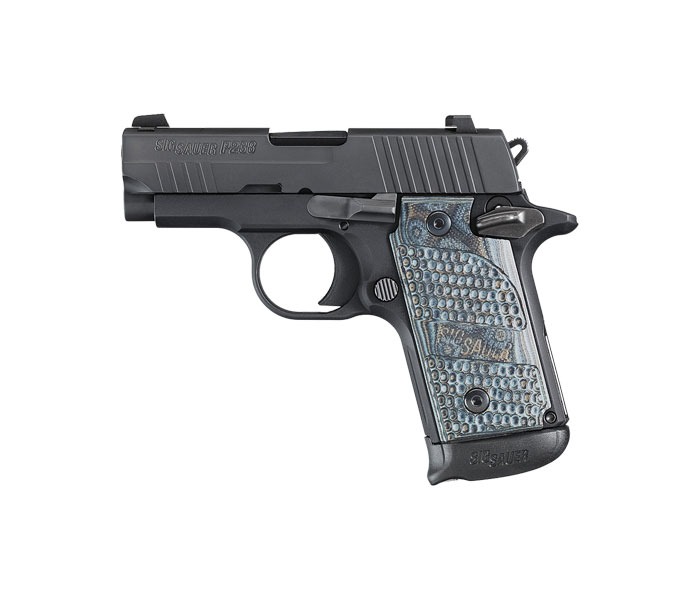
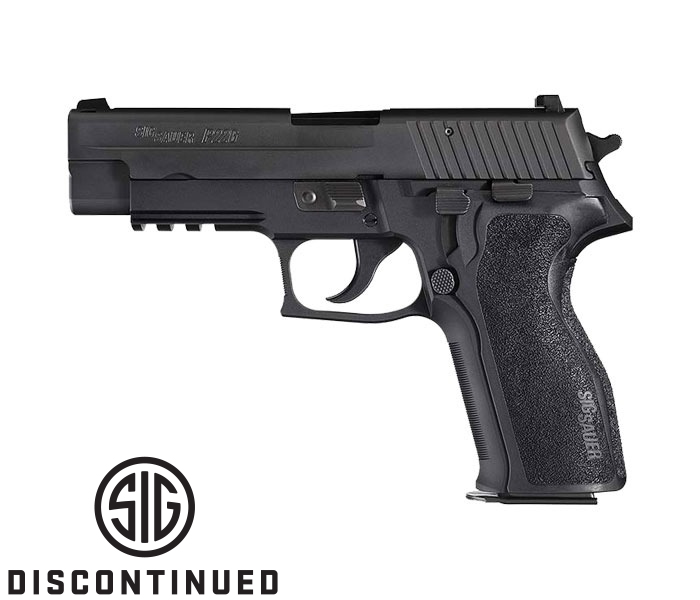
High balance metal frame pistols bring together substantial frame construction, considered weight distribution, and ergonomics that support a steady, comfortable feel in the hand. Balance describes how a pistol’s weight is distributed across its frame, slide, barrel, and grip, rather than simply how much the firearm weighs. A heavier pistol is not automatically better balanced, and two handguns with similar overall weights can feel noticeably different when held. Frame geometry, barrel length, slide mass, and grip dimensions all influence whether the pistol feels centered in the hand or weighted toward the muzzle. Metal frames typically use aluminum alloy, carbon steel, or stainless steel, with each material contributing different characteristics. A steel frame generally weighs more than a similarly sized aluminum alloy frame, giving the handgun a substantial feel that some shooters prefer for range sessions and recreational target shooting. Aluminum alloy offers the solidity of a metal frame with less weight, an appealing combination for shoppers considering both regular practice and lawful carry. Stainless steel provides corrosion resistance, although it still requires appropriate cleaning and protection. The additional mass of a metal frame can moderate felt recoil and muzzle movement, but the result also depends on ammunition, grip fit, firearm dimensions, and the individual shooter. Metal construction alone does not guarantee softer recoil or better accuracy. What matters is how those elements work together: a comfortable grip, a weight that remains manageable through a range session, and controls that suit the shooter’s hands. Compared with a lighter handgun, a well-balanced metal frame pistol may feel more settled during aiming and less abrupt under recoil. That difference is personal rather than universal. Polymer frame pistols can also offer excellent balance, while metal frame designs appeal to shoppers who value their particular combination of heft, rigidity, surface finish, and tactile character. The defining quality is not weight for its own sake, but weight distributed in a way that supports comfortable, consistent handling.
Fit deserves as much attention as frame material when comparing balanced metal frame handguns. Grip circumference, front-to-back reach, contour, and texture determine how comfortably the hand meets the pistol. A grip that looks compact in a photograph may still feel broad through the palm, while a larger frame with carefully shaped grip panels may be surprisingly comfortable. The relationship between the grip and trigger matters, too: a shopper should be able to assess reach without assuming that overall handgun size tells the whole story. Interchangeable grip panels or other adjustable grip features, when present, can provide additional flexibility, but compatibility varies by design. Surface texture also affects the ownership experience. More pronounced texture can feel secure during range use, yet may be less comfortable against clothing or skin during concealed carry. Smoother panels offer a different feel and may suit shoppers who prefer less abrasive contact. Intended use helps put these details in perspective. Recreational target shooters may appreciate a substantial frame that remains comfortable across a longer practice session, while participants in organized shooting sports may need to consider equipment rules alongside dimensions and weight. Shoppers considering a pistol for lawful personal protection have another set of practical concerns, including secure storage, appropriate training, and whether the handgun fits their daily routine. For concealed carry, the weight that feels reassuring at a range counter can become more noticeable over several hours. A compatible holster and supportive belt help manage that weight, but they cannot eliminate the difference between a compact alloy frame and a larger steel frame. Holster fit should match the firearm’s exact dimensions and any installed accessories, with secure retention and complete trigger coverage. For shoppers whose priorities lean toward carry-oriented dimensions and metal construction, All Metal Frame Concealed Pistols offers a related category to explore. Neither a compact profile nor a substantial frame guarantees comfort; the useful comparison is how size, shape, weight, and fit suit the intended role.
Durability is another reason shoppers consider metal frame pistols, although long service life depends on more than the material beneath the finish. Frame design, manufacturing tolerances, protective treatments, component quality, and routine maintenance all contribute to dependable ownership. Metal frames provide a rigid structural foundation, but they are not immune to wear, corrosion, or damage. Aluminum alloy frames commonly use protective surface treatments, while steel frames may feature coatings or other finishes that help protect exposed surfaces. Stainless steel resists corrosion more effectively than many untreated carbon steels, yet fingerprints, moisture, and residue can still affect its appearance and condition. Care should follow the firearm manufacturer’s recommendations, including compatible cleaning products, lubrication requirements, and inspection intervals. Cleaning and inspection should take place only after the firearm has been verified unloaded, with ammunition kept away from the work area. Harsh chemicals, abrasive tools, and excessive lubricant can create problems rather than prevent them, particularly around coated surfaces and fitted components. Grip panels also deserve attention because their material may require different care from the frame itself. A pistol used regularly at the range benefits from routine checks for finish wear, loose grip hardware, and changes in the feel or function of its controls, with concerns evaluated by a qualified professional. Secure storage helps protect both the firearm and the people around it, while a suitable storage environment limits unnecessary exposure to moisture. These practical details become part of the appeal of ownership: a grip that remains comfortable, a finish that receives appropriate care, and a familiar balance that encourages regular, responsible practice. Metal frame handguns can suit experienced enthusiasts who appreciate traditional construction, newer shooters seeking a comfortable range firearm, and collectors interested in material quality and design. The most satisfying choice connects those preferences with realistic expectations. Balanced weight, comfortable ergonomics, suitable dimensions, and manageable upkeep matter more than any single specification, giving shoppers a useful foundation for comparing metal frame pistols for their intended use.