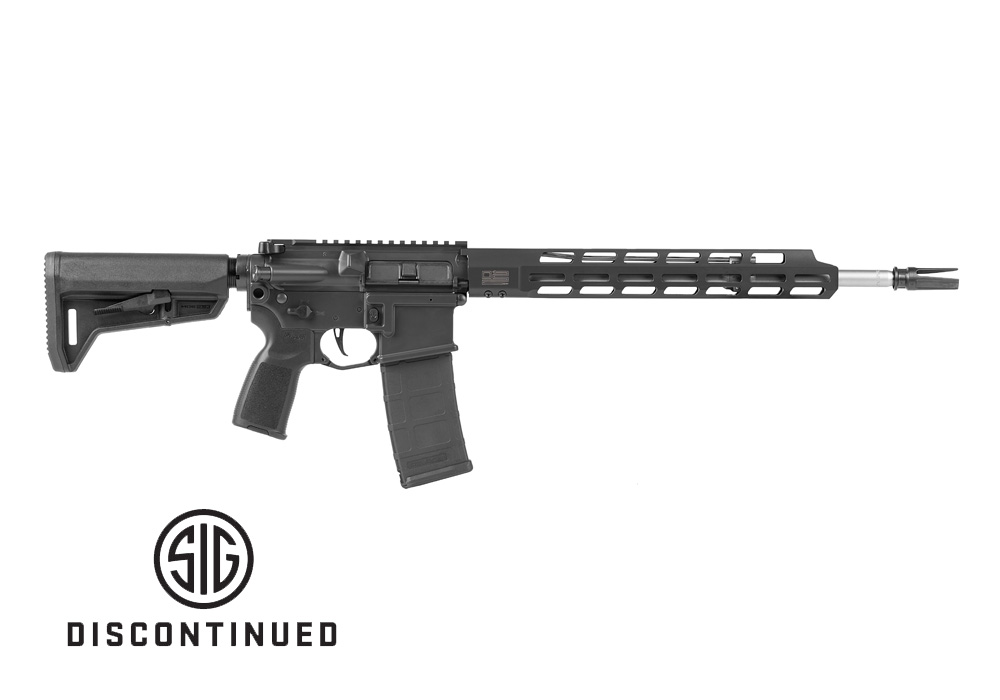
Ambidextrous accessories help create a more intuitive experience for people who shoot, train, or work with equipment from either side of the body. These components are especially useful for left-handed shooters, but their benefits extend to anyone who shares a firearm with a partner, practices positional shooting, or needs to operate controls while changing shoulder position. An ambidextrous layout can reduce unnecessary movement, keep the support hand engaged, and make common tasks feel more consistent whether the rifle is shouldered on the right or left. For shoppers comparing options, begin by identifying the platform and the controls you use most often. Safety selectors, charging handles, magazine releases, bolt controls, and other operating parts can vary by firearm pattern, so compatibility should always come first. Check the manufacturer’s specifications, confirm the correct model and configuration, and review installation requirements before ordering. Some parts are intended for a particular receiver pattern or control layout, while others may require fitting or adjustment by a qualified professional. Exploring a focused selection of Ambidextrous Rifle Parts can make it easier to compare solutions that support access from either side without changing the fundamentals of your setup. The right accessory should complement your existing grip, optic placement, sling arrangement, and preferred method of operation rather than forcing you to relearn every movement.
For left-handed shooters, an ambidextrous control can remove the need to reach across the firearm or shift the firing hand between tasks. That small change can feel significant during a structured range session, when the goal is to maintain a steady position and keep attention on the target area. Right-handed shooters can benefit in the same way when practicing from the opposite shoulder, working around a barrier, or sharing equipment with another person. Controls that can be reached from either side may also help families and training partners maintain a familiar setup when they use the same rifle at different times. Look closely at the shape, texture, and reach of each control. A pronounced surface may be easier to locate while wearing gloves during cooler months, while a lower-profile design can help reduce interference with other gear. The best choice depends on hand size, grip style, shooting position, and how much tactile feedback you prefer. Consider whether the accessory supports your normal sequence of operation without requiring an awkward wrist angle or excessive pressure. Finish and construction matter as well, particularly for equipment carried to outdoor ranges, training areas, or field environments where dust, moisture, and changing temperatures are part of the day. A well-selected control should feel secure under the thumb or finger, move positively between positions, and remain comfortable through repeated practice. Installation is another important consideration. If a part affects the firearm’s controls, function, or fit, follow the supplied instructions carefully and seek help from a qualified gunsmith when the work exceeds your experience. After any change, inspect the setup and verify proper function in a controlled environment according to applicable laws, range rules, and the firearm manufacturer’s guidance.
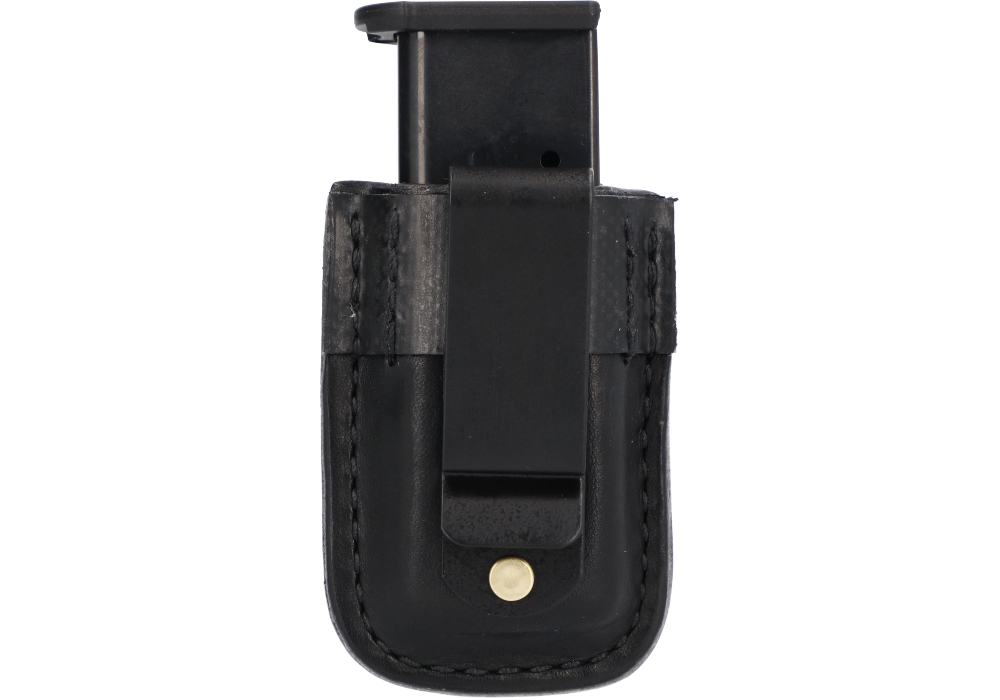
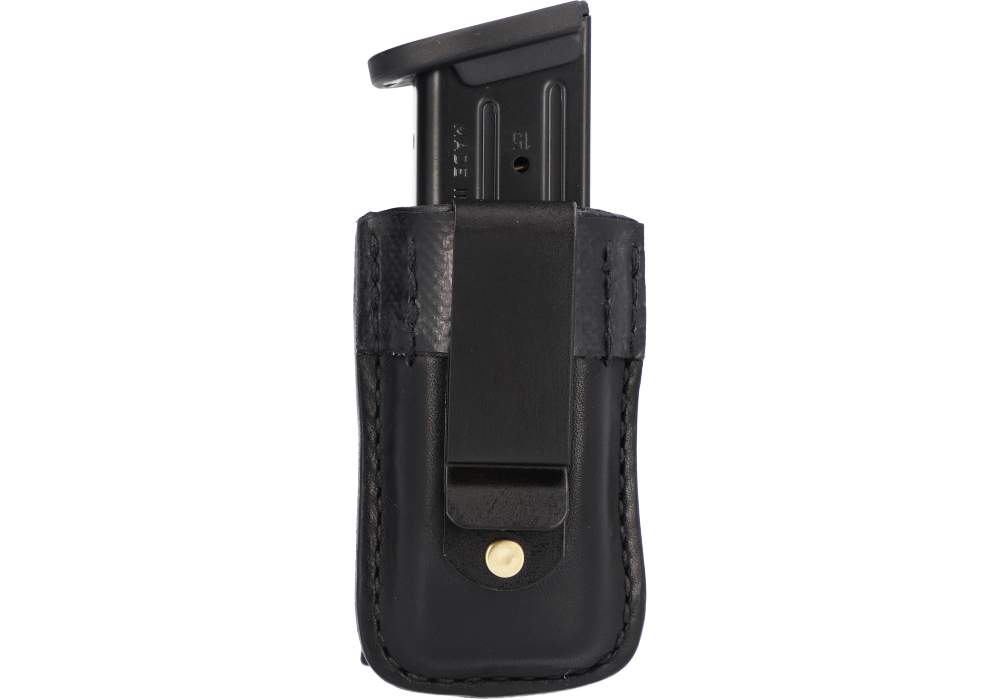
Ambidextrous accessories can also extend beyond primary controls and include practical carry and support gear. Reversible pouches, dual-access storage, and adaptable mounting options can be useful for magazines, medical supplies, tools, or other range essentials, especially when equipment needs to be reached from either side of a belt or load-bearing platform. Before choosing a pouch, consider whether you prefer vertical or horizontal mounting, how securely it retains its contents, and whether the opening can be accessed while wearing gloves. A flexible arrangement can help organize a range bag or belt so that frequently used items remain in a consistent location, regardless of which hand is working. Reversible wrist supports and other ergonomic accessories may appeal to people who spend long sessions handling equipment, although they should support natural movement rather than substitute for proper fit, breaks, or technique. For gift shoppers, ambidextrous accessories can be a thoughtful choice for a left-handed shooter, a new range user building a practical setup, or a training partner who values gear that can be shared. When selecting a gift, prioritize broadly compatible items and avoid guessing at specialized dimensions unless you know the recipient’s firearm, mounting system, and preferences. A gift card or accessory chosen from a clearly identified platform can be more useful than a part that looks versatile but does not fit. As the weather shifts through the cooler months, inspect storage gear, sling connections, fasteners, and controls before heading outdoors, and keep equipment clean and stored according to the manufacturer’s recommendations. With careful selection, ambidextrous accessories can provide balanced access, comfortable handling, and a more adaptable setup for practice, training, and responsible range use.