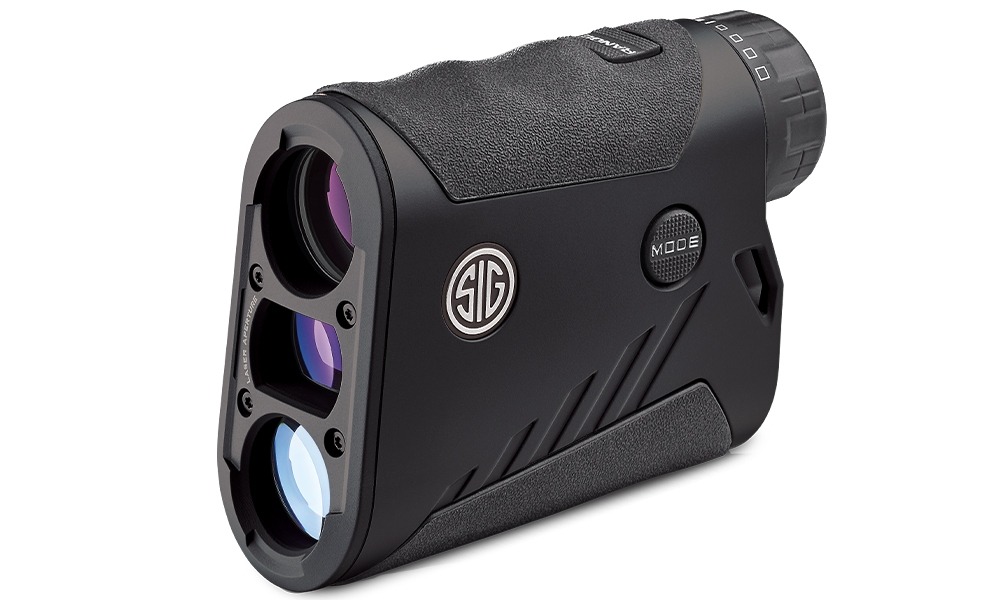
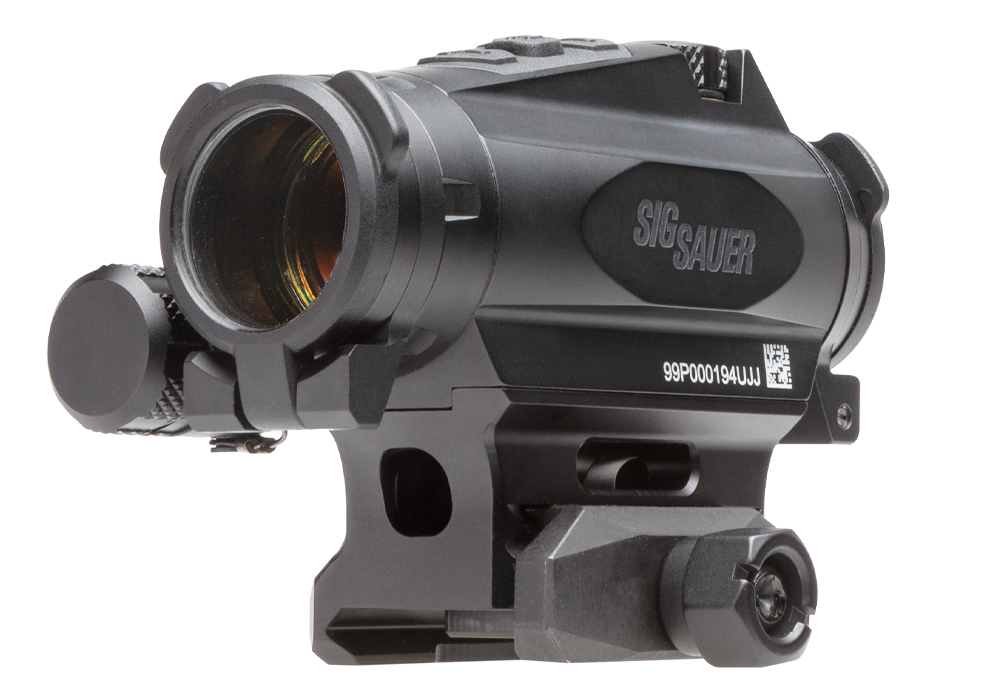
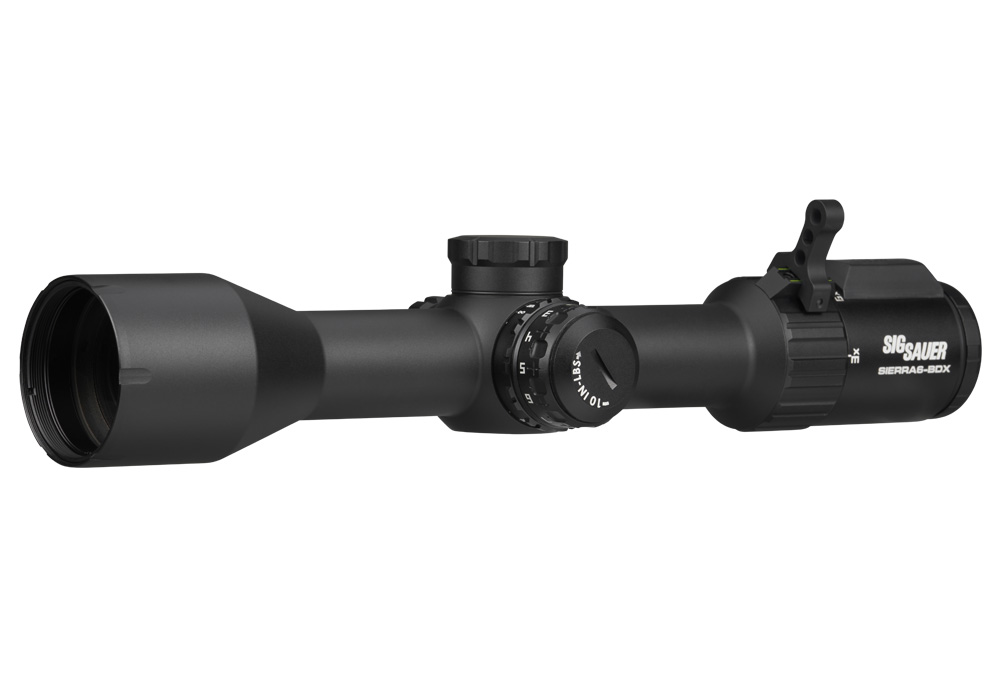
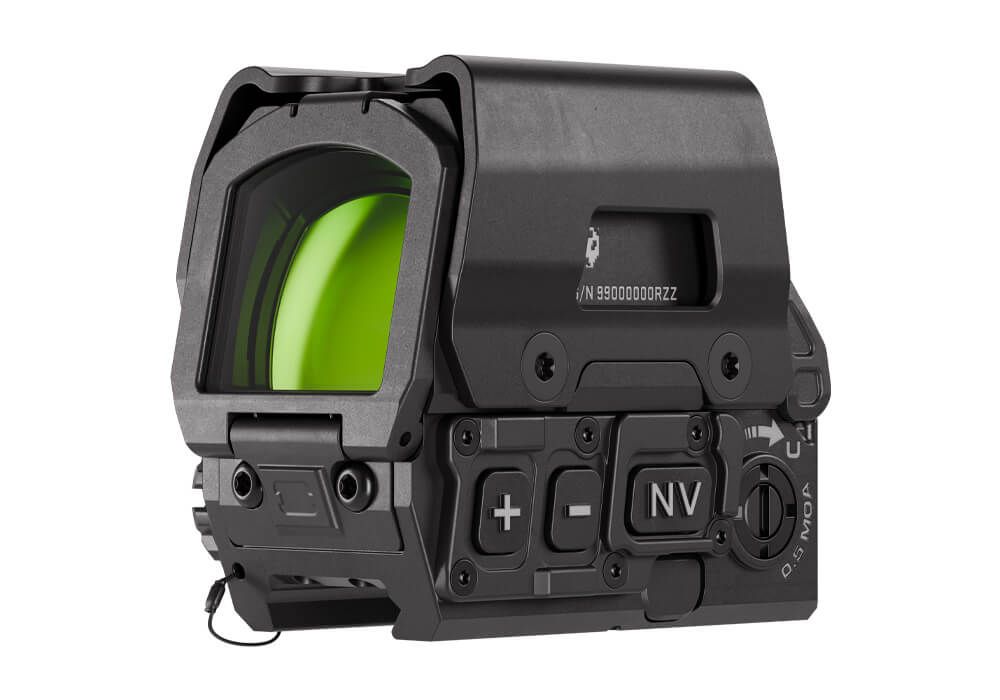
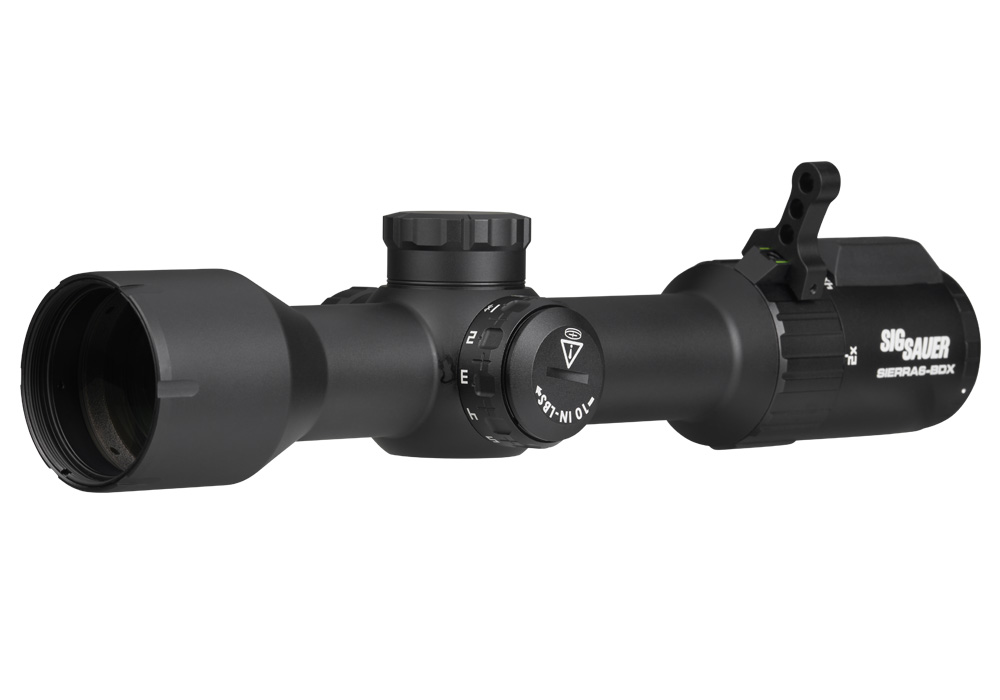
Anti-reflection optics are designed to help more available light pass through a lens system while reducing distracting glare, flare, and stray reflections. An untreated glass surface can reflect a noticeable portion of incoming light, and those losses can compound as light passes through multiple lens elements. Specialized anti-reflection coatings use microscopic thin-film layers to manage reflected light through interference, helping reflected waves cancel one another while increasing transmission through the optical system. The result can be a brighter, cleaner image with improved contrast, particularly when viewing conditions are less forgiving. In practical use, these coatings may help preserve detail in wooded terrain, open fields, shaded areas, or during the changing light of early morning and evening. They can also reduce internal reflections that appear as hazy veiling glare, ghost images, or washed-out highlights. For shoppers comparing anti-reflection optics, it is useful to consider the complete optical design rather than focusing on a single coating claim. Lens quality, coating consistency, glass configuration, light transmission, edge-to-edge clarity, and resistance to abrasion or moisture all contribute to the viewing experience. A well-matched optical system can make fine details easier to distinguish without requiring unnecessary brightness or magnification, which is especially valuable when a clear sight picture needs to be acquired quickly and maintained comfortably.
Anti-reflection scopes are commonly selected by hunters, sport shooters, range users, and anyone who spends time behind an optic in bright or changing light. A hunter moving from a sunlit clearing into deeper cover may appreciate reduced flare and a more defined image around dark branches and shaded targets. At the range, a shooter may benefit from a cleaner sight picture when overhead light, a low sun, or reflective surfaces create distracting highlights. During the cooler months, when low-angle sunlight can stretch across a field or woodland, glare control can help an optic remain easier to use across a broader portion of the day. Specialized anti-reflection accessories, including devices intended to reduce visible lens signature, may also be considered for applications where minimizing external reflections matters. Compatibility is an important part of that decision: check the objective diameter, mounting arrangement, thread pattern where applicable, and the manufacturer’s stated fit before purchasing. The optic should also suit the intended platform and shooting distance, with magnification, eye relief, reticle style, adjustment range, and tube dimensions considered together. An optic that looks impressive on a specification sheet may not be the best match if it adds unnecessary weight, limits mounting options, or places the user’s eye too close to the ocular lens. For a focused selection of products in this category, explore Anti Reflection Scopes and compare the available configurations according to the way the optic will be carried, mounted, and used.
Care and handling have a direct effect on the performance of coated lenses. Dust, fingerprints, dried rain, and fine debris can scatter light across the viewing path, making even a quality anti-reflection coating appear less effective. Before wiping a lens, use a blower or soft brush to remove loose particles, then clean gently with a lens-safe solution and a clean microfiber cloth. Avoid paper towels, shirt fabric, household glass cleaner, and aggressive rubbing, since these can leave residue or damage delicate coatings over time. A protective cover or properly fitted lens cap can help during transport, storage, and movement through brush, while a sturdy case can reduce the chance of impact damage. Shoppers may also want to review warranty coverage, weather sealing, adjustment durability, and the availability of replacement accessories. Anti-reflection optics can make a thoughtful gift for a hunter preparing for a new season, a range enthusiast upgrading a familiar setup, or a family member who values reliable gear for outdoor recreation. The most appreciated choice is usually one that fits the recipient’s existing equipment and habits rather than simply offering the highest magnification or most features. Consider where the optic will be used, how much daylight is typically available, whether the user wears glasses, and how often the equipment will be transported. From a bright bench on a clear afternoon to a dim tree line under an overcast sky, the right anti-reflection design can help keep the image composed, comfortable, and easier to interpret when light conditions change.